




Ask the AI Tutor
Need help with Measures (Year 6)? Ask our AI Tutor!
AI Tutor - Lucy
Connecting with Tutor...
Please wait while we establish connection
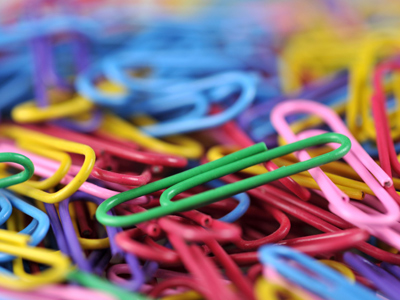
You would use grams to measure the weight of a paper clip.
Measures (Year 6)
In Year 6 Maths, pupils master measures by solving multi-step problems, converting units, and applying perimeter, area, and volume to more complex, real-world contexts.
1 .
How do we write 375ml in litres?
0.375 l
3.75 l
37.5 l
375 l
To convert millilitres to litres, divide by 1,000
2 .
How many miles in 8 km?
0.5 mile
5 miles
50 miles
500 miles
To convert km to miles divide by 8 and then times by 5.
To convert miles to km divide by 5 and then times by 8
To convert miles to km divide by 5 and then times by 8
3 .
Approximately how many grams are equal to 1 ounce?
0.3g
3g
30g
300g
1oz (1 ounce) = 28.3g
4 .
How many kg in one tonne?
10kg
100kg
1,000kg
10,000kg
A non-metric ton is equal to 1,016kg - slightly heavier than a metric tonne
5 .
How many ml in 1 centilitre?
1ml
10ml
100ml
1,000ml
1 litre = 100cl = 1,000ml
6 .
100 centilitres is equal to?
1 litre
10 litres
100 litres
1,000 litres
We can shorten centilitre to cl
7 .
Roughly how many pounds in 1kg?
1 pound
2 pounds
2.2 pounds
2.5 pounds
1lb (1 pound) = 454g
8 .
Which unit would you use to measure the weight of a paper clip?
kg
ml
cm
grams
Some paperclips would probably weigh even less than a gram!
9 .
Which unit would you use to measure the distance between the Moon and Earth?
cm
metres
mm
miles
Kilometres could also be used
10 .
What is 4.219km in metres?
42.19m
421.9m
4,219m
42,190m
To convert kilometres to metres, times by 1,000
Our Social Circles




**Unlimited Quizzes Await You! 🚀**
Hey there, quiz champ! 🌟 You've already tackled today's free questions.
Ready for more?
Ready for more?
🔓 Unlock UNLIMITED Quizzes and challenge yourself every day. But that's
not all...
not all...
🔥 As a Subscriber you can join our thrilling "Daily Streak" against other
quizzers. Try to win a coveted spot on our Hall of Fame Page.
quizzers. Try to win a coveted spot on our Hall of Fame Page.
Don't miss out! Join us now and keep the fun rolling. 🎉
**Unlimited Quizzes Await You! 🚀**
Hey there, quiz champ! 🌟 You've already tackled today's free questions. Ready for more?
🔓 Unlock UNLIMITED Quizzes and challenge yourself every day. But that's not all...
🔥 As a Subscriber you can join our thrilling "Daily Streak" against other quizzers. Try to win a coveted spot on our Hall of Fame Page.
Don't miss out! Join us now and keep the fun rolling. 🎉
© Copyright 2016-2026 - Education Quizzes
Work Innovate Ltd - Design | Development |
Marketing
