




Ask the AI Tutor
Need help with Health and Safety? Ask our AI Tutor!
AI Tutor - Lucy
Connecting with Tutor...
Please wait while we establish connection
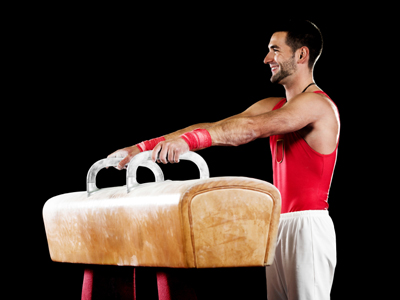
When moving large gymnastic equipment, such as a pommel horse, you must ask a friend to help.
Health and Safety
KS2 PE health and safety helps you enjoy sport safely. Learn warm-ups, sensible clothing, hydration, and how to spot risks so everyone can take part with confidence.
1 .
What must we do before starting any exercise?
Cool down
Warm up
Go cold
Wake up
This doesn't mean putting on a jumper!
2 .
If you do not warm up correctly what might happen?
Break your leg
Not be able to run as fast
Be sick
Muscle injury
Cold muscles are more likely to be injured
3 .
After exercising you must ....... ?
Cool down
Wake up
Warm up
Go cold
Stretching exercises are used to cool down
4 .
Cooling down helps your muscles to ....... ?
Hurt
Warm up
Relax
Go to sleep
Our bodies need looking after
5 .
What happens to your heart rate when you exercise?
Slows down
Nothing
Stops
Speeds up
If it stopped, you'd be dead
6 .
What else happens to your body when exercising?
Get out of breath and feel warm
Get out of breath and feel cold
Feel cold
Eyes start running
Have you noticed this when you exercise?
7 .
What type of footwear is best for PE?
Sandals
Wellies
Trainers
Flip flops
Trainers are non-slip and comfortable
8 .
Which type of clothing is best for PE?
Shorts and T-shirt
Pyjamas
Jeans and jumper
Winter coat
Loose or stretchy clothes help you to move easily
9 .
Before attempting to exercise or play games, what must you check for?
A friend to talk to
Clear space in which to work
The teacher
The time
The space needs to be clear for you to move around
10 .
When moving large gymnastic equipment what must you do?
Ask a teacher to move it
Ask a friend to help
Move it by yourself
Do not move it
Always ask the teacher if you need to move large equipment



**Unlimited Quizzes Await You! 🚀**
Hey there, quiz champ! 🌟 You've already tackled today's free questions.
Ready for more?
Ready for more?
🔓 Unlock UNLIMITED Quizzes and challenge yourself every day. But that's
not all...
not all...
🔥 As a Subscriber you can join our thrilling "Daily Streak" against other
quizzers. Try to win a coveted spot on our Hall of Fame Page.
quizzers. Try to win a coveted spot on our Hall of Fame Page.
Don't miss out! Join us now and keep the fun rolling. 🎉
**Unlimited Quizzes Await You! 🚀**
Hey there, quiz champ! 🌟 You've already tackled today's free questions. Ready for more?
🔓 Unlock UNLIMITED Quizzes and challenge yourself every day. But that's not all...
🔥 As a Subscriber you can join our thrilling "Daily Streak" against other quizzers. Try to win a coveted spot on our Hall of Fame Page.
Don't miss out! Join us now and keep the fun rolling. 🎉




© Copyright 2016-2026 - Education Quizzes
Work Innovate Ltd - Design | Development |
Marketing
