




Ask the AI Tutor
Need help with Evaluating and Analysing Art? Ask our AI Tutor!
AI Tutor - Lucy
Connecting with Tutor...
Please wait while we establish connection
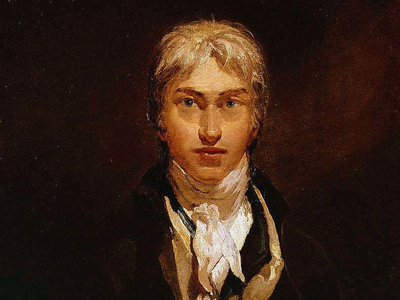
J.M.W. Turner experimented with composition in some of his paintings.
Evaluating and Analysing Art
Learn how to analyse artwork like a critic. Spot key features, explain your opinions, and use the right art words to describe what you see in KS3 Art and Design.
Try this quiz to see how well you are at evaluating and analysing artworks.
Click on the pictures to make them larger.
1 .
Da Vinci's 'The Last Supper' is a typical religious painting of its time. What do you notice about the expressions of the subjects?
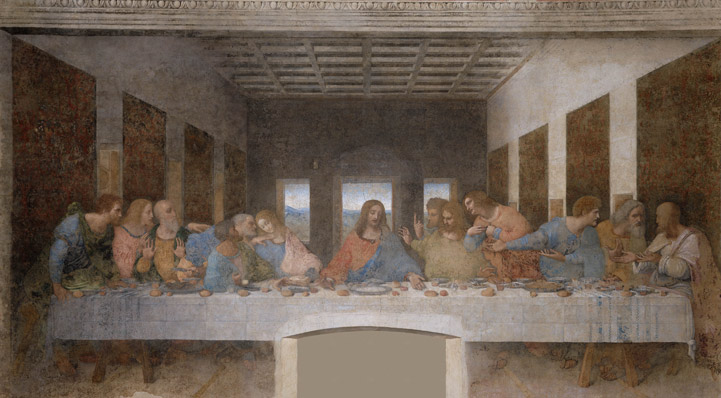
They look quite holy
They are all different
They are handsome
They all have facial hair
The apostles are all reacting in different ways to the announcement from Jesus that one of them will betray him
2 .
Sometimes paintings can tell us a lot about the life of the artist. What do you surmise about the life of Edvard Munch from this painting.
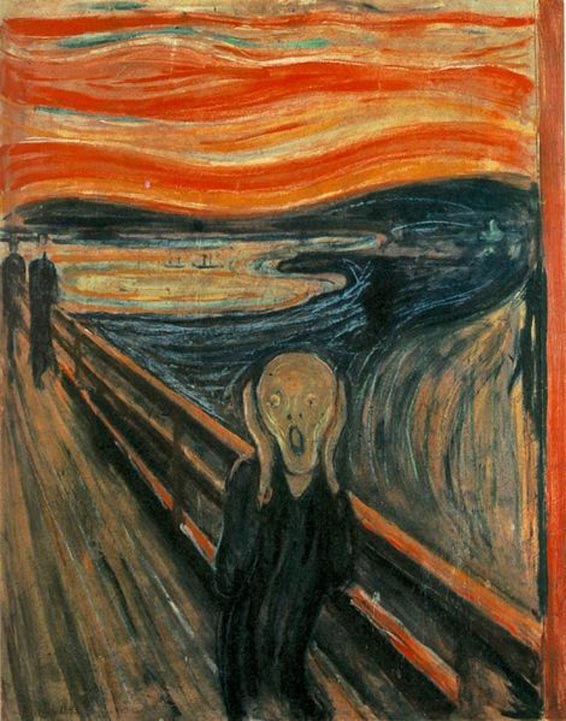
It was filled with fun
It was unhappy
He enjoyed a day out
He had many friends
Edvard had much sadness and trauma in his life, which greatly influenced his works
3 .
This is 'The Lady of Shalott' by John William Waterhouse. What do you think the painting is based on?
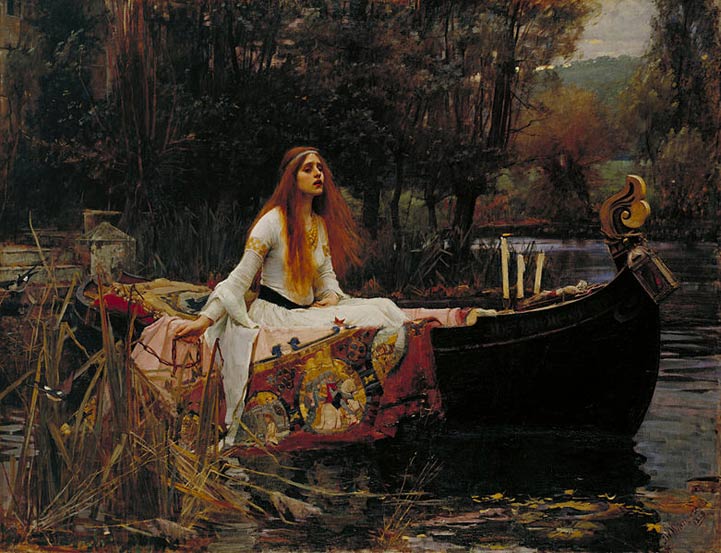
A dream the artist had
A bible reading
A story or poem
A note from a king
"The Lady of Shalott" is a Victorian ballad by the English poet Alfred, Lord Tennyson. Paintings in this era were often inspired by stories, myths or legends
4 .
'Composition No 10', by Piet Mondrian is typical of his abstract works. Which colours does he favour?
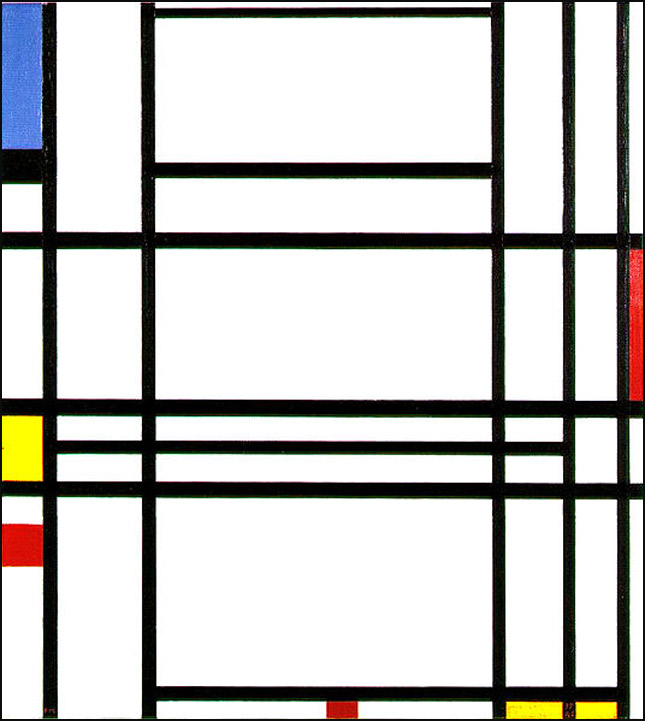
Secondary colours
Tertiary colours
Complementary colours
Primary colours
Mondrian typically used a white background, black tram lines and blocks of vibrant primary colours
5 .
This is a self portrait of Vincent Van Gogh. What media do you think he has used?
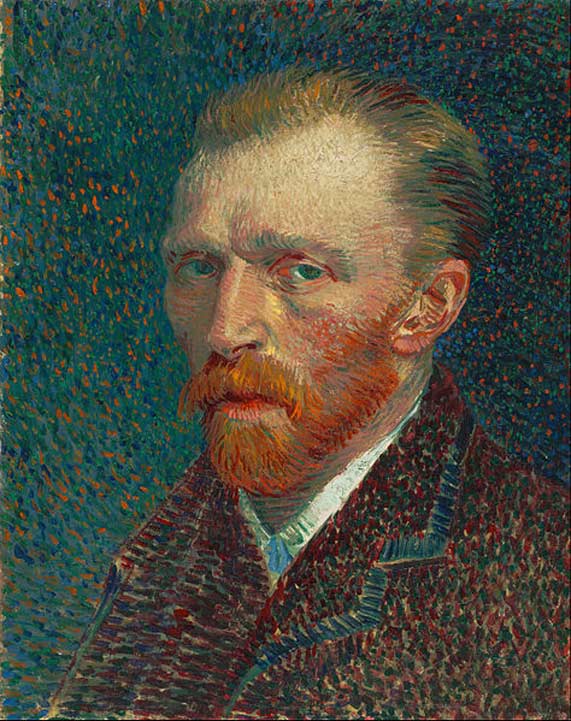
Watercolours on canvas
Pastels on paper
Wax crayons on Card
Oil paint on board
Van Gogh is famed for his use of colour. He created the majority of his works in oils
6 .
This is 'The Peasant Wedding' by Pieter Bruegel the Elder. Why are paintings like this helpful?
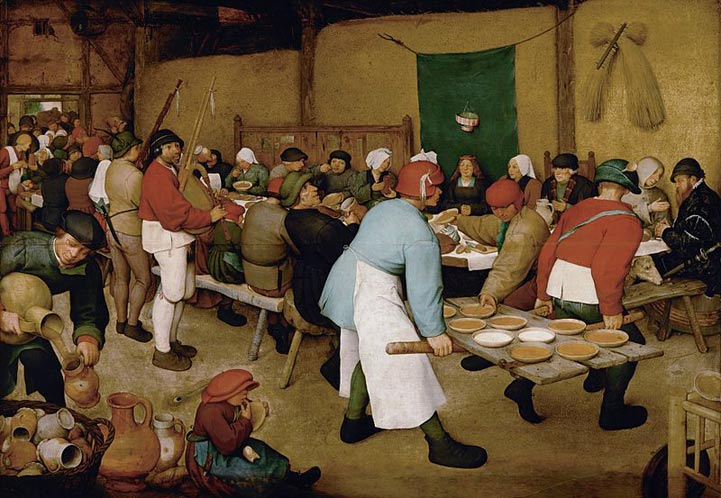
They make great posters for our rooms
They help us understand life at the time of the painting
They tell us more about the artist
They make us think about what kind of media he's used
Often Bruegel painted a community event and his paintings tell us all sorts of things about what life was like in those days
7 .
What is this type of painting commonly known as?
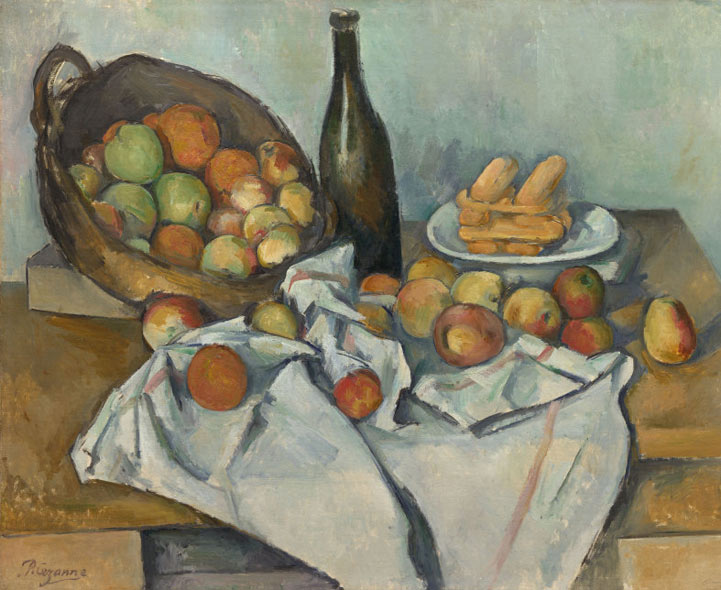
Frozen realism
Stopped time
Snapshot art
Still life
Still life paintings usually depict inanimate objects such as flowers, food or dead animals
8 .
Pablo Picasso had a 'blue period', where he painted largely in blues and greens. What emotion or mood might this convey?

Thoughtful, caring
Joyful, happy
Sad, sombre
Angry, unhappy
These sombre works, inspired by Spain and painted in Barcelona and Paris, are now some of his most popular works, although he had difficulty selling them at the time
9 .
Turner's famous painting 'The Fighting Temeraire', has an unusual composition. What is it that is unusual?
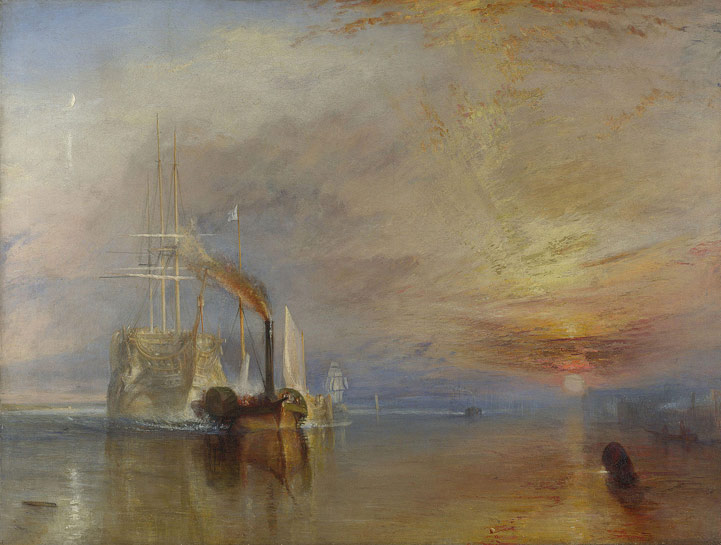
Ships were unusual subject matter in those days
The main subject of the painting is far to the left
There isn't a great deal happening in the painting
It looks as though he ran out of paint
Although the painting may seem slightly 'unbalanced', the sunset to the right provides a second focal point
10 .
This painting may seem like a simple portrait of youthful men, but Holbein hid something in the painting to remind us of our own mortality. What is it?

A scroll
A cross
A skull
A witch
The skull is known as anamorphic, as its perspective means it can only be seen from certain, extreme angles



**Unlimited Quizzes Await You! 🚀**
Hey there, quiz champ! 🌟 You've already tackled today's free questions.
Ready for more?
Ready for more?
🔓 Unlock UNLIMITED Quizzes and challenge yourself every day. But that's
not all...
not all...
🔥 As a Subscriber you can join our thrilling "Daily Streak" against other
quizzers. Try to win a coveted spot on our Hall of Fame Page.
quizzers. Try to win a coveted spot on our Hall of Fame Page.
Don't miss out! Join us now and keep the fun rolling. 🎉
**Unlimited Quizzes Await You! 🚀**
Hey there, quiz champ! 🌟 You've already tackled today's free questions. Ready for more?
🔓 Unlock UNLIMITED Quizzes and challenge yourself every day. But that's not all...
🔥 As a Subscriber you can join our thrilling "Daily Streak" against other quizzers. Try to win a coveted spot on our Hall of Fame Page.
Don't miss out! Join us now and keep the fun rolling. 🎉




© Copyright 2016-2026 - Education Quizzes
Work Innovate Ltd - Design | Development |
Marketing
