




Ask the AI Tutor
Need help with Recording Ideas? Ask our AI Tutor!
AI Tutor - Lucy
Connecting with Tutor...
Please wait while we establish connection
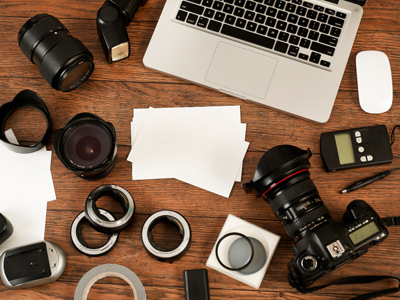
A camera can be a useful tool for an artist.
Recording Ideas
Artists don’t just draw, they collect ideas. Learn how to record observations, notes, and quick studies, so you can develop stronger artwork with clearer purpose.
1 .
Which of these options best describes a complete sketchbook for a particular project?
It only contains four pages
It begins with inspirations, moves on to techniques and finishes with sketches for a finished idea
It contains only photographs
It is very dull to look at
Little scraps of colour, annotated photographs, pictures, sketches, colour work and media exploration are just a few ideas for a good sketchbook!
2 .
Which of these options is a good way to use another artist's work as inspiration?
Copy the whole work laboriously
Write to the artist for permission
Visit the artist to see more of their work
Use a small part of their work in order to practise the techniques they have employed
Choose a particular technique you like and practise it in order to use it in your own work
3 .
A series of sketches of the same item or inspiration might be what?
Identical in every way
Done only on a certain day of the week
Done from different perspectives or in different media
Done to fill in some time one day
Making sketches can help when it comes to work on the main artwork as they provide an idea of what works well
4 .
Notes next to or on a sketch, diagram or photograph are known as what?
Intonations
Incantations
Antonyms
Annotations
Annotations may focus on the date and time of a sketch, or how the artist felt at the time. They may also document the materials used or note the source
5 .
Which of these options would a collection of recorded ideas for a particular project usually show?
The artist's preferred colour
The best way to stick things down in order
Which day the sketches were made on
The development of a process or refinement of an idea in stages
Pages in a sketchbook may be organised and laid out in order to show the inspiration or influence and how the artists has used or practised that themselves
6 .
A sketchbook is ideal for recording ideas. Which of the following is not good sketchbook practice?
Making quick, annotated sketches of things which inspire you
Exploring media combinations and experimenting with processes
Sticking in pictures from artists you like and nothing else
Collecting images, photographs and media cuttings which follow the theme of your project
Good sketchbooks are bulging with ideas from all over the place!
7 .
Which of these options best describes a good sketchbook page?
Crisp and clean and free of marks
An insight into an artist's ideas and intentions, as well as the influence of other artists
A photocopy of someone else's work
A long list of things the artist may do one day
Sketchbooks can be used for practising new techniques, and showing how they may be applied to a piece of work
8 .
A sketchbook of recorded ideas will ultimately show one thing. What is it?
The best work an artist can achieve
Whether or not the artist has any talent
Which day the ideas were recorded on
The artist's love of the subject
Keeping a vibrant, inspiring and engaging sketchbook shows how much passion the artist has for their craft
9 .
How might a digital camera be useful to you as an artist?
You could use it to photograph the weather each day as you work
You could use it to take pictures of your family
You could use it to record the progress of your work through photographs
You could keep the camera safe in its box and never use it
You can also manipulate images with software, or take a photograph of a still life to compare it to your drawing
10 .
Where can't you use another artist's image you found on the internet?
In notes in a sketch book
In a binder of stimulus material for your own use
In a completed piece of work or one which is available for sale
On a mood board you compiled to draw ideas together for a project
Artists and writers own the copyright for anything they have created. The images of artwork that you research on the internet can be used in your sketchbook as part of your secondary research, but they can't be included in your final piece unless you get permission



**Unlimited Quizzes Await You! 🚀**
Hey there, quiz champ! 🌟 You've already tackled today's free questions.
Ready for more?
Ready for more?
🔓 Unlock UNLIMITED Quizzes and challenge yourself every day. But that's
not all...
not all...
🔥 As a Subscriber you can join our thrilling "Daily Streak" against other
quizzers. Try to win a coveted spot on our Hall of Fame Page.
quizzers. Try to win a coveted spot on our Hall of Fame Page.
Don't miss out! Join us now and keep the fun rolling. 🎉
**Unlimited Quizzes Await You! 🚀**
Hey there, quiz champ! 🌟 You've already tackled today's free questions. Ready for more?
🔓 Unlock UNLIMITED Quizzes and challenge yourself every day. But that's not all...
🔥 As a Subscriber you can join our thrilling "Daily Streak" against other quizzers. Try to win a coveted spot on our Hall of Fame Page.
Don't miss out! Join us now and keep the fun rolling. 🎉




© Copyright 2016-2026 - Education Quizzes
Work Innovate Ltd - Design | Development |
Marketing
