




Ask the AI Tutor
Need help with Renaissance Art? Ask our AI Tutor!
AI Tutor - Lucy
Connecting with Tutor...
Please wait while we establish connection
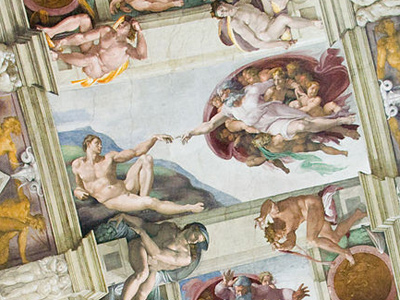
'The Creation of Adam' is one part of a fresco painting by Michelangelo, on the ceiling of the Sistine Chapel. It is one of the most famous pieces of Renaissance art.
Renaissance Art
Step into Renaissance art and see how artists improved realism using proportion, perspective and anatomy. Explore why this period changed painting and sculpture across Europe.
Try your hand at these questions about the Renaissance Art Movement and the influence it has had on the art of later periods.
Click on the pictures for a closer look.
1 .
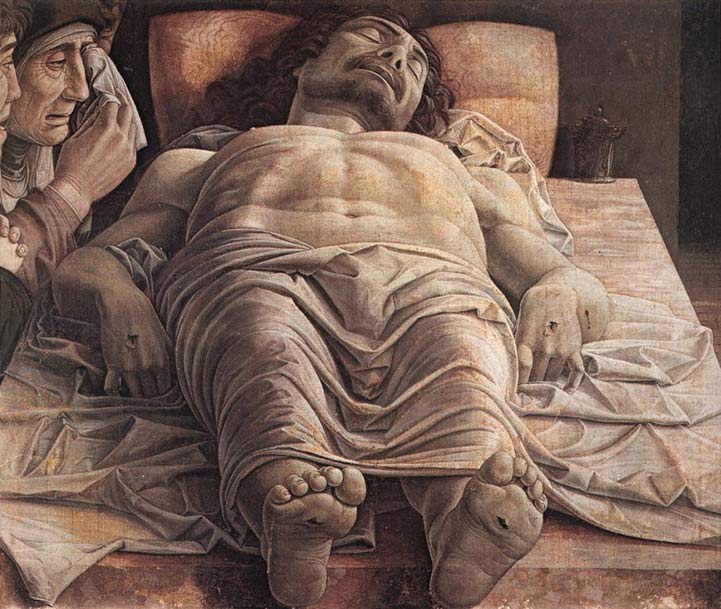
Many Renaissance Artists developed the technique of foreshortening. What is this?
Making the portrait appear shorter
Completing four paintings of different heights
Painting with a limited palette of colours
Creating an illusion of depth
The technique relies on a good use of perspective and ultimately adds to the realism of a painting. This painting by Andrea Mantegna, 'The Lamentation of Christ', is a good example of foreshortening
2 .
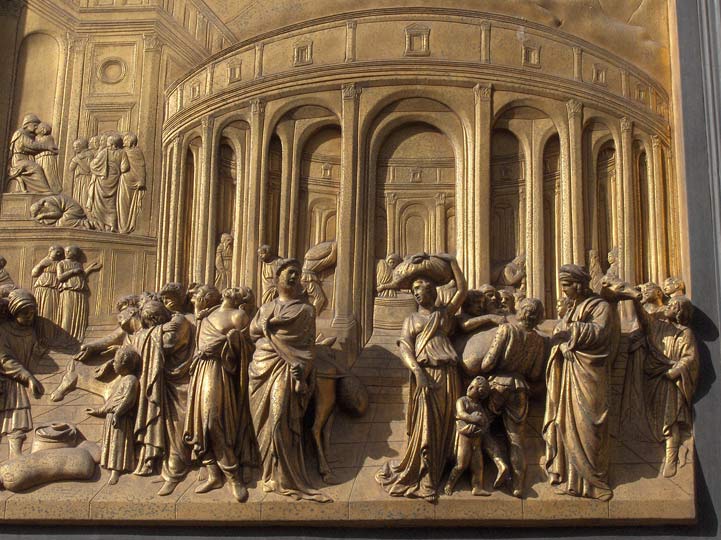
A competition in Florence in 1401 drew several entries from now famous names. What was to be designed?
A sculpture for the king
A stained glass window
Cathedral doors
A fountain in a large square in Florence
The competition to sculpt a set of bronze doors of the Baptistery of Florence Cathedral drew entries from seven young sculptors including Brunelleschi and Donatello. This particular panel shows a part of the story of Joseph
3 .
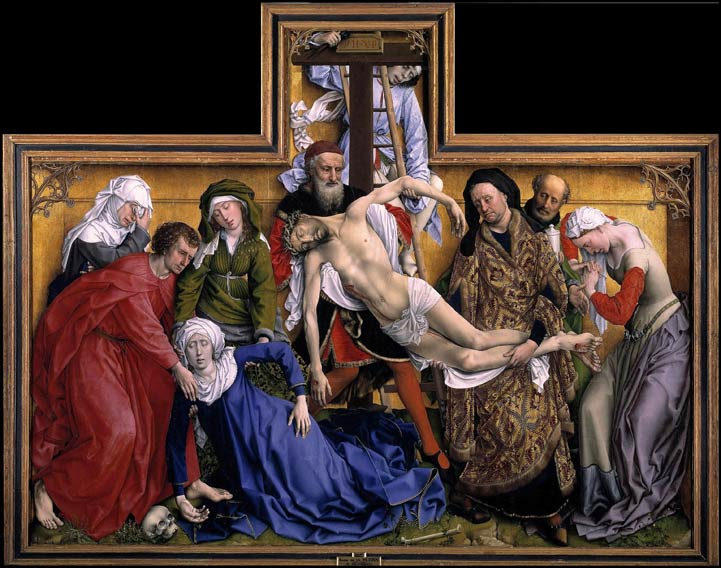
Although Italy led the way, other regions developed their own Renaissance styles. What inspired them?
The way that art in the Middle East was developing
The Pop Art style of Lichtenstein
The Cubist Movement
Tempera painting, stained glass and book illumination
Many Renaissance works outside of Italy had a heavy religious influence. This painting by Rogier van der Weyden in 1435 shows Christ's descent from the cross
4 .
Which historical and cultural period came after the Renaissance?
The Awakening
The Enlightenment
The Realisation
The Understanding
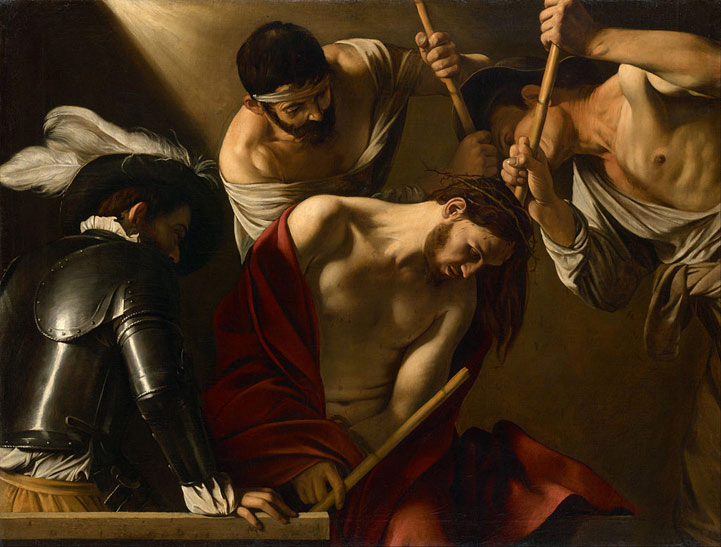
The Enlightenment is characterised by great revolutions in science, philosophy, society and politics. The artistic period that followed the Renaissance was the Baroque which exaggerated emotions. The Baroque piece pictured is 'The Crowning with Thorns' by Caravaggio
5 .
Whose meticulous observations of the natural world ensured real development in perfecting pictorial art?
Michaelangelo
Leonardo Da Vinci
Donatello
Raphael
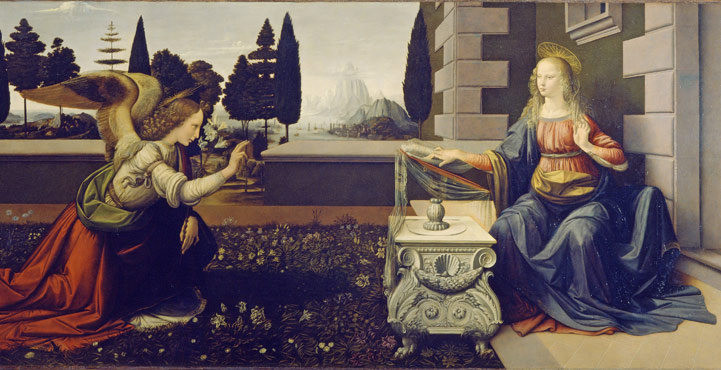
Da Vinci's use of oils as his main medium meant he could more accurately portray light and its effect on a subject. This painting, 'The Annunciation', is thought to be Leonardo's earliest completed work. It dates from between 1475-1480
6 .
Where and when did Renaissance Art emerge?
In America in the 21st Century
In Russia in the 12th Century
In Italy in the 14th Century
In India in the 13th Century
The Renaissance period came after the Middle Ages and saw a return to a beautiful, classical style of painting and sculpture.
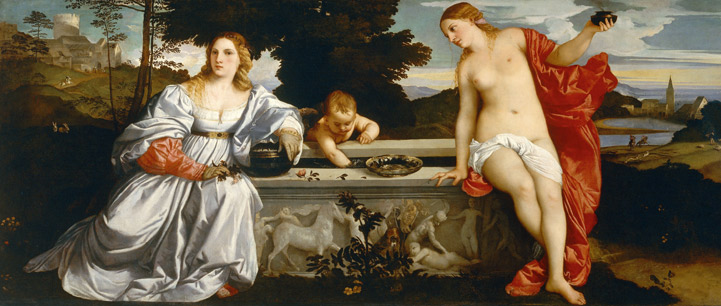
This painting is 'Sacred and Profane Love' by Titian, one of the most important Renaissance artists
This painting is 'Sacred and Profane Love' by Titian, one of the most important Renaissance artists
7 .
Jean Fouquet, a French artist, is credited with the first examples of which kind of painting?
Fresco painting
Painting 'En Plein Air'
Enormous freizes
The portrait miniature
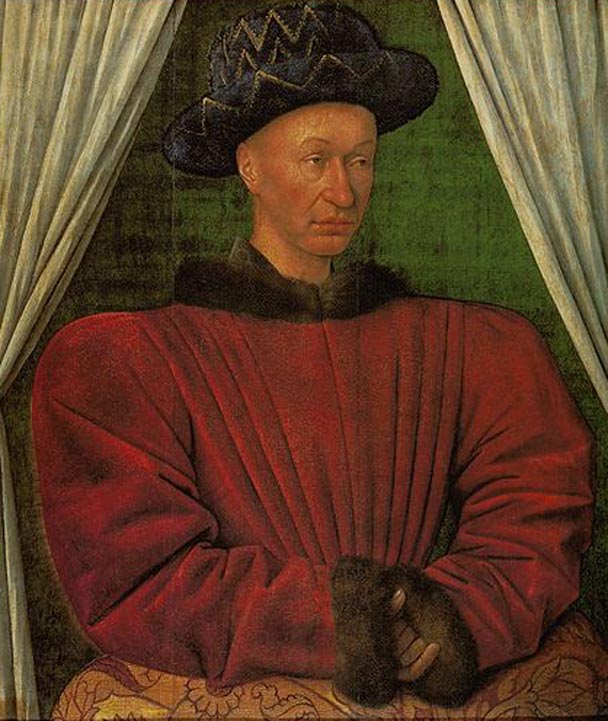
He visited Italy in 1437 and brought back many ideas which he applied in his role as painter of the royal court in France. This portrait by Fouquet is of Charles VII of France
8 .
What is the name of Michaelangelo's most famous sculpture?
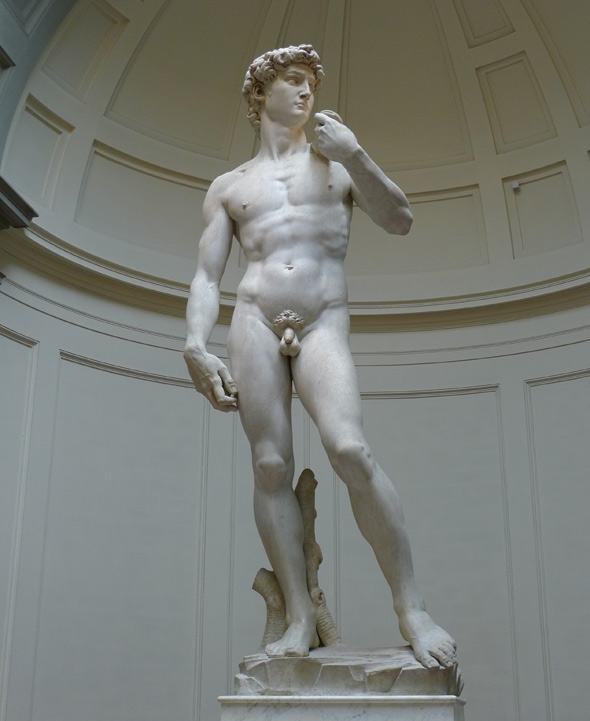
David
Michael
Leonardo
Raphael
Michaelangelo's other famous work is the ceiling of the Sistine Chapel in Rome, which took him several years to complete!
9 .
Da Vinci coined a phrase which meant blurring or softening of sharp outlines by blending one tone into another. What was the phrase?
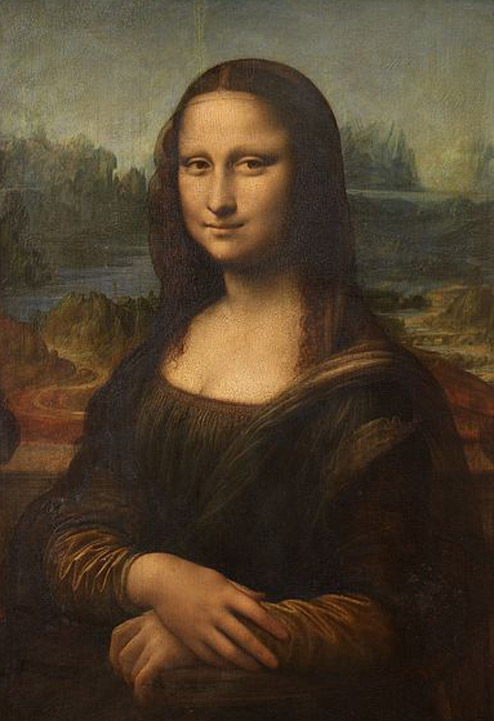
Blendito
Sfumato
Blurissimo
Tonalito
Blending in this way, through the use of thin glazes, gave the illusion of depth or three-dimensionality. The Latin origin is fumare, to smoke! This painting is perhaps da Vinci's most famous work - 'The Mona Lisa'
10 .
A famous German Renaissance painter created fantastic imagery which combined plants, animals and architecture. What was he called?
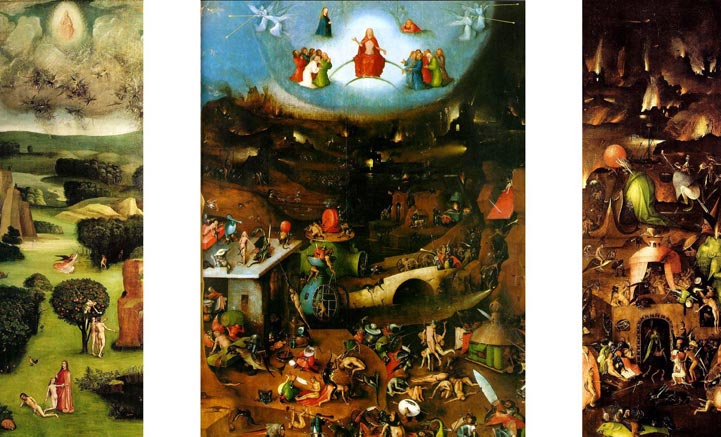
Hieronymus Bosch
Henry Mouse Basch
Harold Miss Bush
Harvey Mass Bisch
His paintings have a surreal quality and are quite unlike anything else produced at the time. This one is called 'The Last Judgement'



**Unlimited Quizzes Await You! 🚀**
Hey there, quiz champ! 🌟 You've already tackled today's free questions.
Ready for more?
Ready for more?
🔓 Unlock UNLIMITED Quizzes and challenge yourself every day. But that's
not all...
not all...
🔥 As a Subscriber you can join our thrilling "Daily Streak" against other
quizzers. Try to win a coveted spot on our Hall of Fame Page.
quizzers. Try to win a coveted spot on our Hall of Fame Page.
Don't miss out! Join us now and keep the fun rolling. 🎉
**Unlimited Quizzes Await You! 🚀**
Hey there, quiz champ! 🌟 You've already tackled today's free questions. Ready for more?
🔓 Unlock UNLIMITED Quizzes and challenge yourself every day. But that's not all...
🔥 As a Subscriber you can join our thrilling "Daily Streak" against other quizzers. Try to win a coveted spot on our Hall of Fame Page.
Don't miss out! Join us now and keep the fun rolling. 🎉




© Copyright 2016-2026 - Education Quizzes
Work Innovate Ltd - Design | Development |
Marketing
