




Ask the AI Tutor
Need help with The Impressionists? Ask our AI Tutor!
AI Tutor - Lucy
Connecting with Tutor...
Please wait while we establish connection
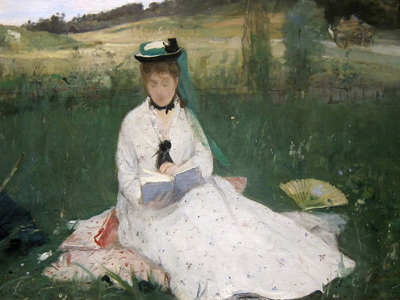
'Reading' by Berthe Morisot is an Impressionist painting.
The Impressionists
Impressionist artists painted quick moments of light and colour. Learn how their brushwork and outdoor studies changed painting, then test your knowledge in the quiz below.
Try this quiz to get an 'Impression' of how much you know about Impressionism!
Click on the pictures for a closer look.
1 .
Impressionism began in which city and in which century?

Rome in the 15th century
London in the 20th century
New York in the 18th century
Paris in the 19th century
A group of independent artists rejected the style and rules of the art of the day and developed their own style. This piece, by the artist Claude Monet, is entitled 'Haystacks, (Sunset)'
2 .
This is the painting which inspired the name of the movement. What is is called?
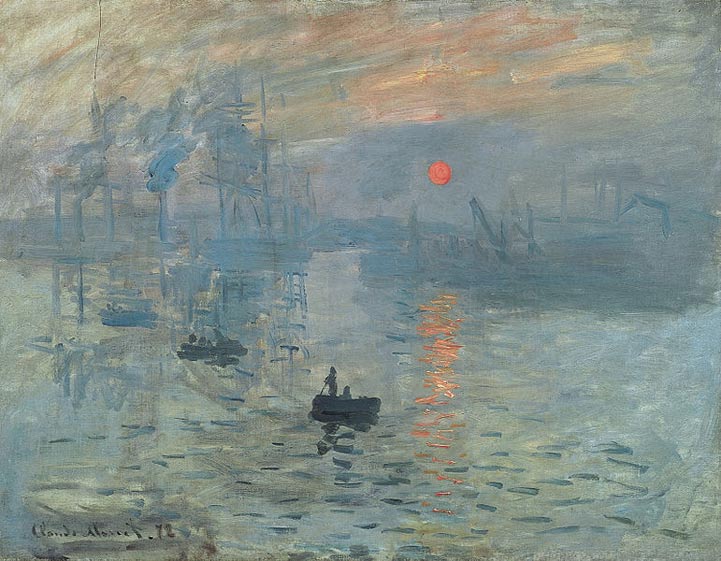
An impressive boat on the water
Impression, Sunrise
An impression of the Sun
My Impression
The painting, 'Impression Sunrise', is by Claude Monet and was shown at what would later be known as the "Exhibition of the Impressionists" in April 1874
3 .
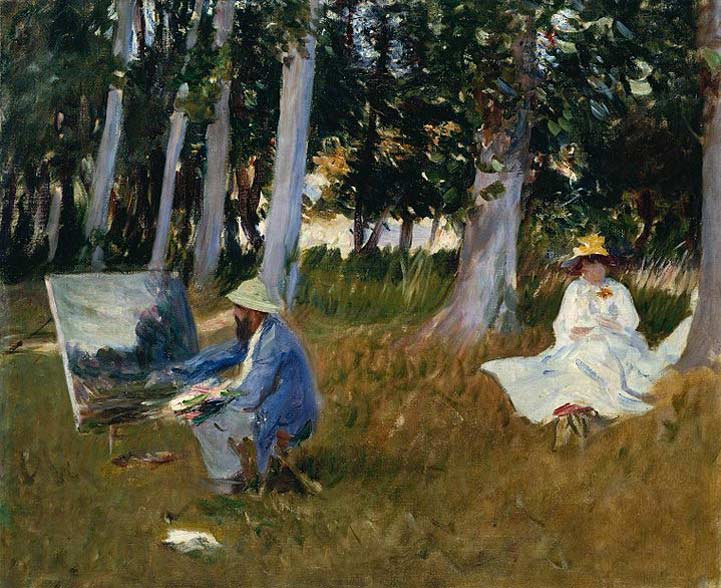
The Impressionists found that they could capture the momentary and transient effects of sunlight by painting in what environment?
A darkened room
A very brightly lit studio
Outside in the fresh air
Next to a similar painting
The term still used for this method today is 'En plein air'. This painting, by John Singer Sargent, shows the artist Monet painting by the edge of a wood
4 .
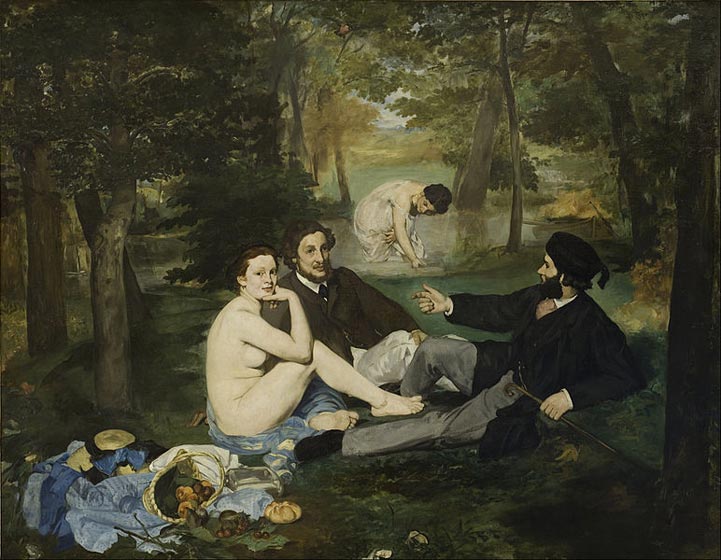
Why was this painting, 'Luncheon on the Grass' by Édouard Manet, aggressively rejected by the art jurors of the time?
There are too many subjects in the painting
The techniques used were too controversial
The colour palette is too limited
It did not follow the protocol for including nudes
While nudes were accepted in historical and allegorical paintings, Manet was condemned for placing a realistic nude in a contemporary setting
5 .
During the Impressionists' first exhibition, an art critic harshly stated that what was more complete than the work he'd seen?
Wallpaper
A newspaper
A child's sketch
A Christmas card
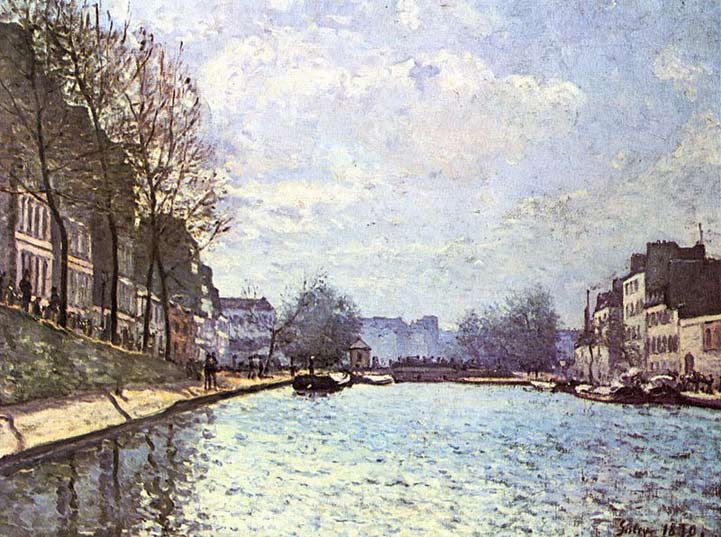
His full criticism read: 'I was just telling myself that, since I was impressed, there had to be some impression in it ... and what freedom, what ease of workmanship! Wallpaper in its embryonic state is more finished than that seascape'.
This painting is of St. Martin Canal in Paris and is by the British painter, Alfred Sisley, whose work was included in that first exhibition
This painting is of St. Martin Canal in Paris and is by the British painter, Alfred Sisley, whose work was included in that first exhibition
6 .
Which of the following is not a technique employed by the Impressionists?
Applying short, thick strokes of paint quickly
Applying colours side-by-side with as little mixing as possible
Avoiding the use of black paint
Only using 4 colours in each work
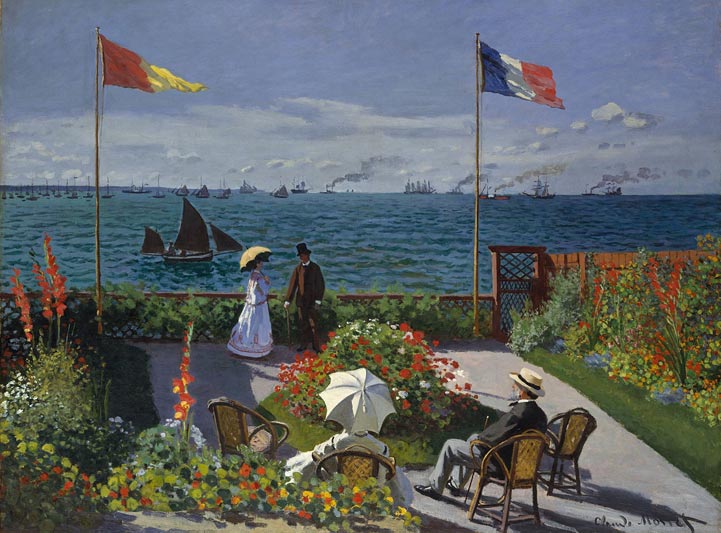
These methods, along with others, had been used before but the Impressionists put them together for the first time. This piece, 'Terrace at Sainte-Adresse' by Monet, shows them all
7 .
Mary Cassatt, a female Impressionist, painted mainly which subject matter?
Golden objects
Women
Balls and dances
Trips to the theatre
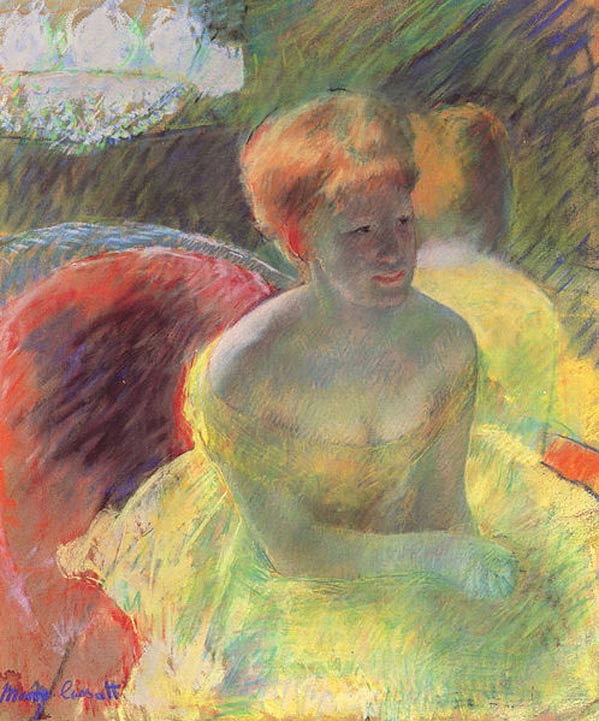
She paid particular attention to the bond between a woman and her children. This painting is of her sister, Lydia
8 .
What is said to be wrong with this painting by Manet?
The colour choice
The use of realism
The setting
The perspective
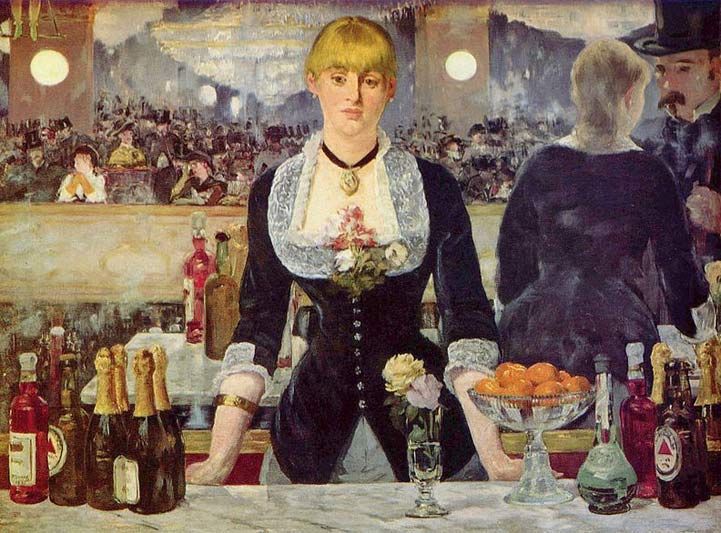
The painting is called 'A Bar at the Folies-Bergère' and the use of perspective is still debated by critics today!
9 .
Edgar Degas favoured a particular subject. What was it?
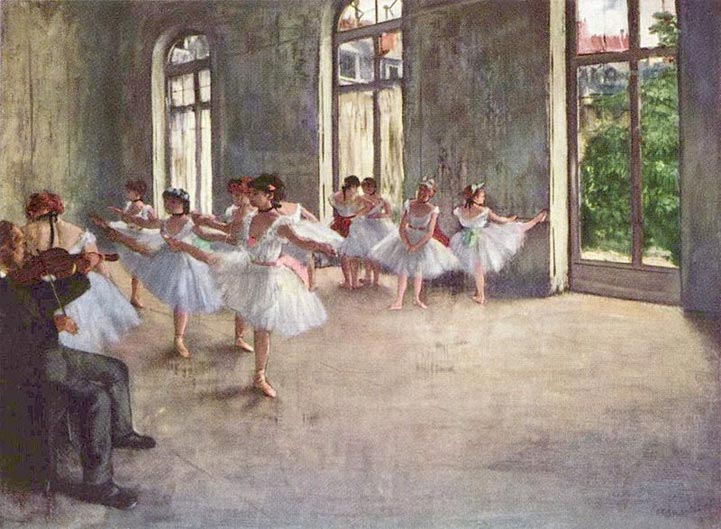
Well-lit rooms
Violinists
Dancers
Large spaces
Degas is especially identified with the subject of dance; more than half of his works depict dancers. This one is called 'Ballet Rehearsal'
10 .
Which period immediately followed Impressionism?
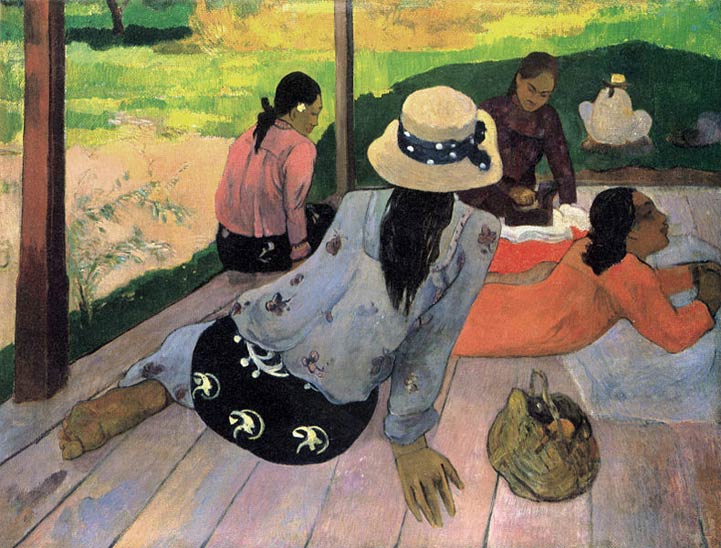
Post-Impressionism
Pre-Impressionism
Past-Impressionism
Pale-Impressionism
During the 1880s several artists began to develop different precepts for the use of colour, pattern, form, and line, derived from the Impressionist example. This piece is 'The Midday Nap' by the post-impressionist Paul Gauguin
Our Social Circles




**Unlimited Quizzes Await You! 🚀**
Hey there, quiz champ! 🌟 You've already tackled today's free questions.
Ready for more?
Ready for more?
🔓 Unlock UNLIMITED Quizzes and challenge yourself every day. But that's
not all...
not all...
🔥 As a Subscriber you can join our thrilling "Daily Streak" against other
quizzers. Try to win a coveted spot on our Hall of Fame Page.
quizzers. Try to win a coveted spot on our Hall of Fame Page.
Don't miss out! Join us now and keep the fun rolling. 🎉
**Unlimited Quizzes Await You! 🚀**
Hey there, quiz champ! 🌟 You've already tackled today's free questions. Ready for more?
🔓 Unlock UNLIMITED Quizzes and challenge yourself every day. But that's not all...
🔥 As a Subscriber you can join our thrilling "Daily Streak" against other quizzers. Try to win a coveted spot on our Hall of Fame Page.
Don't miss out! Join us now and keep the fun rolling. 🎉
© Copyright 2016-2026 - Education Quizzes
Work Innovate Ltd - Design | Development |
Marketing
