




Ask the AI Tutor
Need help with The Pre-Raphaelites? Ask our AI Tutor!
AI Tutor - Lucy
Connecting with Tutor...
Please wait while we establish connection
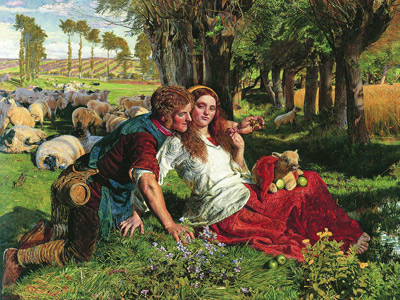
'The Hireling Shepherd' is a painting by the Pre-Raphaelite artist William Holman Hunt.
The Pre-Raphaelites
Meet the Pre-Raphaelites and spot what makes their Victorian art stand out. Learn about stories, symbolism and technique, then test your eye in the quiz.
How much do you understand the Pre-Raphaelite movement? Try this quiz to test your knowledge.
Click on the pictures to make them larger.
1 .
Which of the following was not one of the PRB's rules?
To use the society's secret knock when meeting
To have genuine ideas to express
To study nature attentively, so as to know how to express it
To sympathise with what is direct and serious
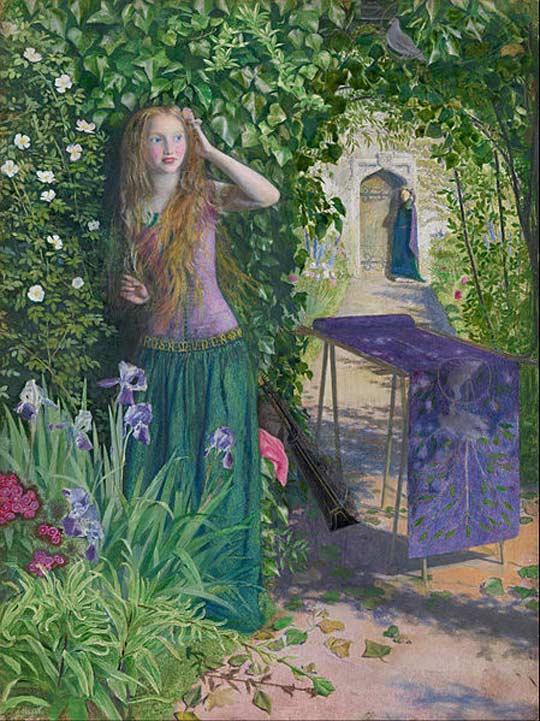
The fourth and most important rule was to produce thoroughly good pictures and statues, of which this painting 'Fair Rosamund' by Arthur Hughes is an example
2 .
Which art movement influenced the Pre-Raphaelites?
The Cubists
The Surrealists
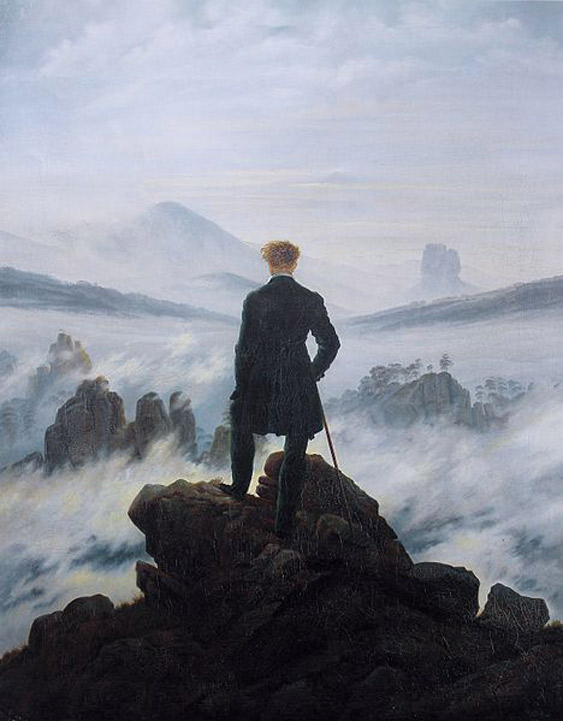
The Romantics
The Impressionists
Like the Romantics, the Brotherhood wished to emphasise the personal responsibility of individual artists to determine their own ideas and methods of depiction. This piece is 'Wanderer above the Sea of Fog' by the Romantic artist Caspar David Friedrich
3 .
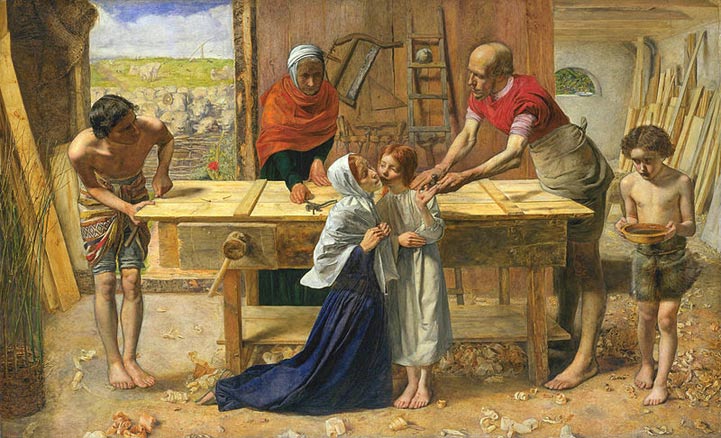
Which author called this PRB painting 'blasphemous'?
William Shakespeare
Edgar Allen Poe
Mary Shelley
Charles Dickens
The picture is of Christ as a child with His parents. Millais used his sister-in-law as the model for Mary, and Charles Dickens considered her to be ugly!
4 .
Why did the Brotherhood use the initials PRB?

To save them having to say Pre-Raphaelite Brotherhood
Because it looked good on stationery
Because these were some of the letters in their first names
To keep the society secret
The PRB intended to keep the existence of the Brotherhood secret from members of the Royal Academy. This is an engraving of a Royal Academy Summer Exhibition at its original home in Somerset House in London
5 .
Whose death does this painting portray?
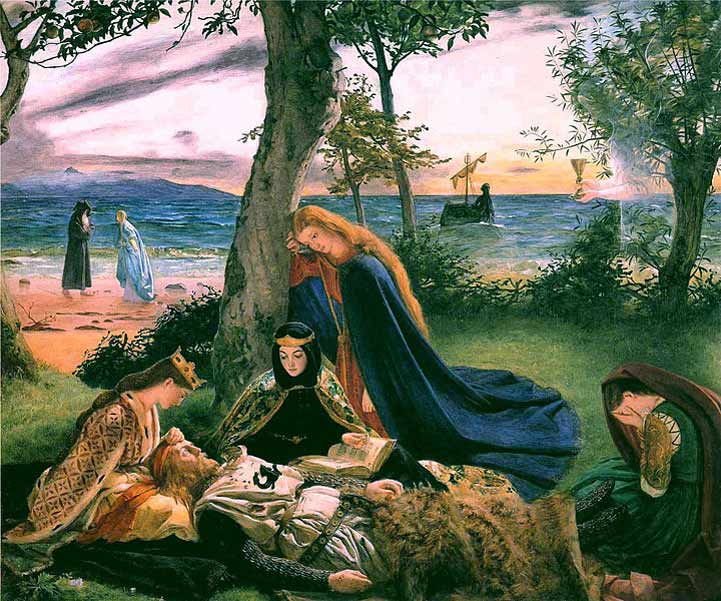
King John
King Arthur
King George III
King Richard the Lionheart
James Archer produced this painting as part of a series based on the legends of King Arthur
6 .
The model for this painting by Rossetti was the wife of William Morris. What is the title of the painting?
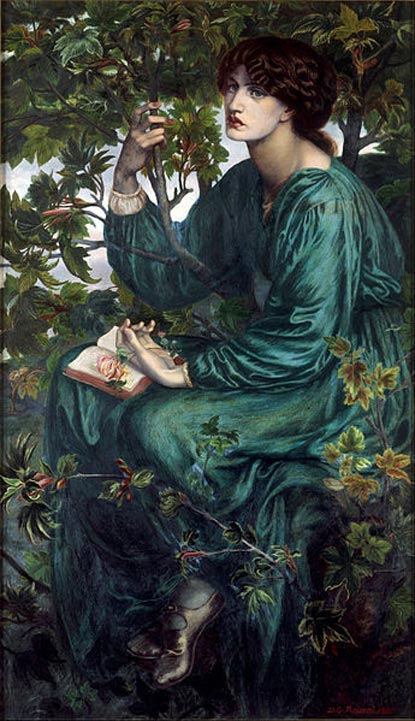
The Pondering
The Wonderment
The Thoughtful Day
The Day Dream
It was initially intended to be named 'Monna Primavera'. The honeysuckle in her hand was a love token at the time
7 .
How did the Brotherhood sign their works?
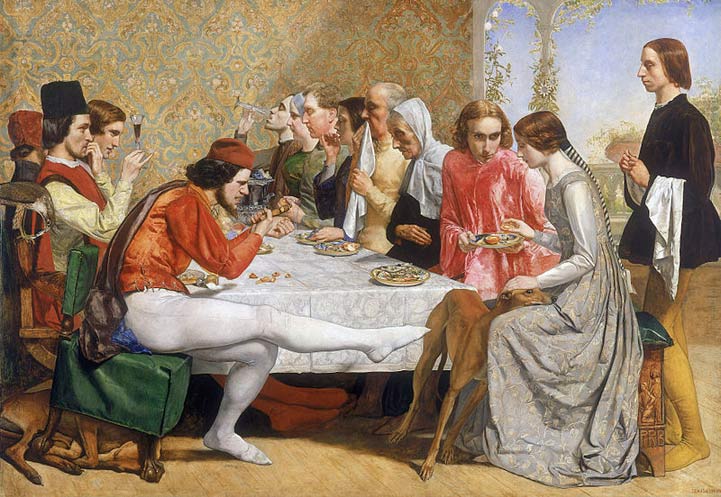
With a false name to confuse the Royal Academy
With only their surname
With their name and the initials PRB
With their initials and 'Proud Pre-Raphealite'
You can see the initials PRB on the leg of the stool in this painting 'Isabella' by Millais
8 .
The Pre-Raphaelites made a coded announcement of their new movement and published a periodical called what?
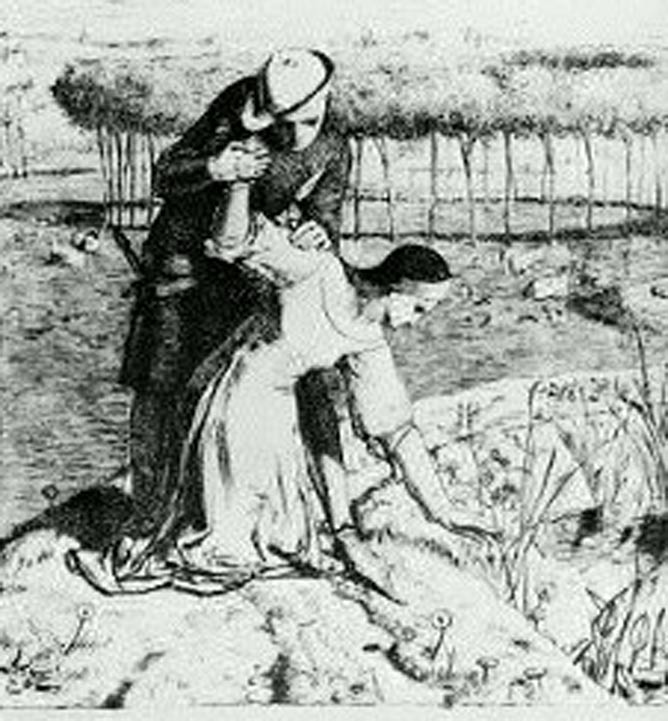
The Bug
The Bacteria
The Germ
The Illness
The Germ was not a success, only surviving for four issues between January and April 1850. This is an illustration by Holman Hunt to Thomas Woolner's poem 'My Beautiful Lady' and it was pubished in the first issue of The Germ
9 .
How many members formed the original Brotherhood of Pre-Raphaelites?
17
7
27
70
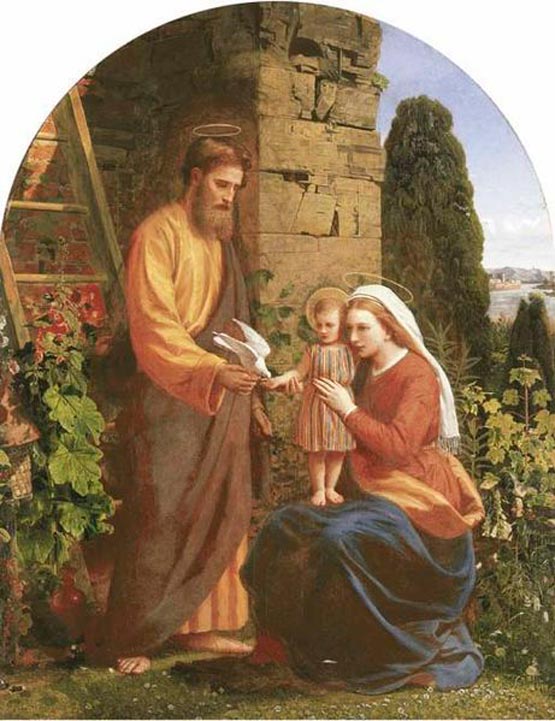
William Holman Hunt, John Everett Millais and Dante Gabriel Rossetti were the three founders, joined later by William Michael Rossetti, Frederic George Stephens, Thomas Woolner and James Collinson, who was the painter of this piece, 'The Holy Family'
10 .
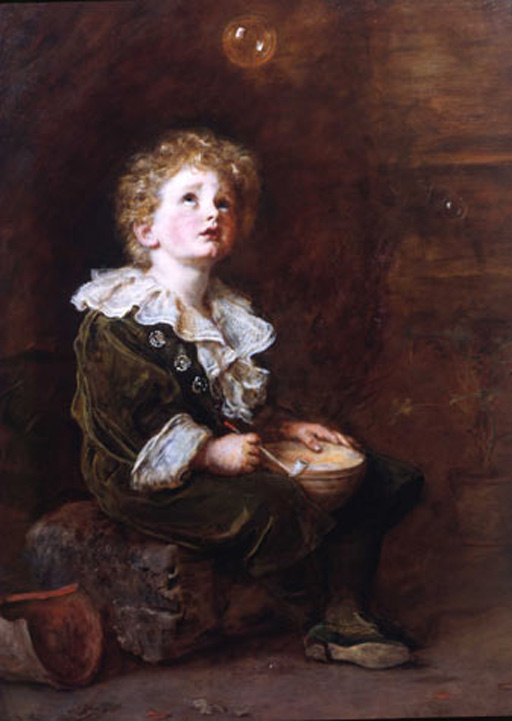
This famous painting by Millais was later used as part of an advertising campaign for which product?
Johnson's shampoo
Persil washing powder
Terry's chocolate orange
Pears Soap
This painting was done in Millais' later years and was modelled by his five-year-old grandson William Milbourne James



**Unlimited Quizzes Await You! 🚀**
Hey there, quiz champ! 🌟 You've already tackled today's free questions.
Ready for more?
Ready for more?
🔓 Unlock UNLIMITED Quizzes and challenge yourself every day. But that's
not all...
not all...
🔥 As a Subscriber you can join our thrilling "Daily Streak" against other
quizzers. Try to win a coveted spot on our Hall of Fame Page.
quizzers. Try to win a coveted spot on our Hall of Fame Page.
Don't miss out! Join us now and keep the fun rolling. 🎉
**Unlimited Quizzes Await You! 🚀**
Hey there, quiz champ! 🌟 You've already tackled today's free questions. Ready for more?
🔓 Unlock UNLIMITED Quizzes and challenge yourself every day. But that's not all...
🔥 As a Subscriber you can join our thrilling "Daily Streak" against other quizzers. Try to win a coveted spot on our Hall of Fame Page.
Don't miss out! Join us now and keep the fun rolling. 🎉




© Copyright 2016-2026 - Education Quizzes
Work Innovate Ltd - Design | Development |
Marketing
