




Ask the AI Tutor
Need help with Level 3-4 Numbers - Place Value? Ask our AI Tutor!
AI Tutor - Lucy
Connecting with Tutor...
Please wait while we establish connection
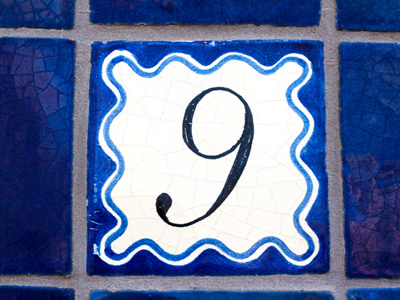
How many ones are there in the number 9?
Level 3-4 Numbers - Place Value
Master place value in KS3 maths. Read, write, and compare large and decimal numbers by understanding digits' positions from millions to thousandths, and the value each position represents.
1 .
How would you write the number seven thousand, six hundred and thirty-three in figures?
3,667
6,337
7,366
7,633
7 thousands, 6 hundreds, 3 tens and 3 ones
2 .
How many hundreds are there in the number 42?
0
1
2
4
The number 42 is lower than 100!
3 .
How many hundreds in the number 6,814?
1
4
6
8
Saying it out loud can be helpful
4 .
How would you write the number 2,011 in words?
Two hundred, one thousand and one eleven
Two thousand and eleven
Two thousand eleven
Two thousands, no hundreds, one ten and one one
Don't forget the 'and'!
5 .
5,221 - re-order this number to get the smallest odd number.
1,225
1,252
1,522
2,512
All the others are even numbers
6 .
How many tens are in the number 631?
1
3
6
31
From the right - Ones, Tens, Hundreds
7 .
2,468 - re-order this number to get the largest even number.
2,468
4,286
6,842
8,642
All of the digits are even so just re-arrange them - highest, then second highest, then third then least
8 .
How many ones are there in the number 9?
5
7
9
11
There are no tens, hundreds or thousands in the number 9
9 .
How many thousands are there in the number 4,647?
2
4
6
7
4,000 (thousands) + 600 (hundreds) + 40 (tens) + 7 (ones)
10 .
2,468 - re-order this number to get the smallest odd number.
2,468
4,268
6,284
Not possible
None of the numbers are odd
Our Social Circles




**Unlimited Quizzes Await You! 🚀**
Hey there, quiz champ! 🌟 You've already tackled today's free questions.
Ready for more?
Ready for more?
🔓 Unlock UNLIMITED Quizzes and challenge yourself every day. But that's
not all...
not all...
🔥 As a Subscriber you can join our thrilling "Daily Streak" against other
quizzers. Try to win a coveted spot on our Hall of Fame Page.
quizzers. Try to win a coveted spot on our Hall of Fame Page.
Don't miss out! Join us now and keep the fun rolling. 🎉
**Unlimited Quizzes Await You! 🚀**
Hey there, quiz champ! 🌟 You've already tackled today's free questions. Ready for more?
🔓 Unlock UNLIMITED Quizzes and challenge yourself every day. But that's not all...
🔥 As a Subscriber you can join our thrilling "Daily Streak" against other quizzers. Try to win a coveted spot on our Hall of Fame Page.
Don't miss out! Join us now and keep the fun rolling. 🎉
© Copyright 2016-2026 - Education Quizzes
Work Innovate Ltd - Design | Development |
Marketing
