




Ask the AI Tutor
Need help with Fictional Places 3? Ask our AI Tutor!
AI Tutor - Lucy
Connecting with Tutor...
Please wait while we establish connection
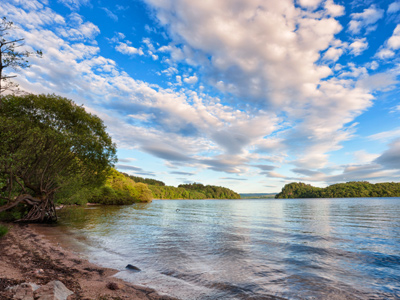
The Scottish soap, Take the High Road, was filmed on the west bank of Loch Lomond.
Fictional Places 3
Fictional places are more than pretty backdrops. They shape characters’ choices, dangers and discoveries, turning each story into a journey through a carefully imagined world.
1 .
Which Evelyn Waugh novel features the fictitious African state of Ishmaelia?
Black Mischief
Decline and Fall
Scoop
Vile Bodies
The book is a satire of foreign correspondents and sensationalist journalism
2 .
The TV medical series The Royal, a spin-off from Heartbeat, was set in which seaside town?
Elkinby
Elminby
Elsinby
Elvinby
The Royal was set the fictional St Aidan's Royal Free Hospital
3 .
In The Pilgrim's Progress by John Bunyan, Christian is making his way from the City of Despair to where?
The Angelic City
The Celestial City
The Heavenly City
The Sublime City
The full title of the story is: The Pilgrim's Progress from This World to That Which Is to Come; Delivered under the Similitude of a Dream
4 .
Which film features Buggleskelly railway station?
The Ghost Train
Oh, Mr Porter!
The Railway Children
The Titfield Thunderbolt
It was made in 1937, starring Will Hay
5 .
In Treasure Island, what is the name of the island where Captain Flint's treasure is buried?
Black Spot Island
Crossbones Island
Skeleton Island
Skull Island
Skull Island is where King Kong is discovered
6 .
Which Dickens character lives in Satis House?
Lady Dedlock
Mrs Gamp
Miss Havisham
Little Nell
Miss Havisham appears in the novel Great Expectations
7 .
TV's The Phil Silvers Show, featuring the character Sergeant Bilko, was originally set where?
Fort Baker
Fort Banner
Fort Barren
Fort Baxter
In the fourth series the soldiers were reassigned to Camp Freemont
8 .
In Gulliver's Travels, what is unusual about the island of Laputa?
It's made of cheese
It can fly
It's invisible
It's under water
The island flew by the “magnetick virtue” of certain minerals in the ground of Balnibarbi, the nation Laputa was above
9 .
What is the name of the farm featured in the BBC radio series The Archers?
Bradfield
Brayfield
Broadfield
Brookfield
Brookfield Farm has been passed down through generations of the Archer family, from its original owner Dan
10 .
What was the name of the Scottish village that provided the setting for the TV soap Take the High Road?
Glenarroch
Glendarroch
Glengarroch
Glentarroch
Exteriors were filmed in Luss, on the west bank of Loch Lomond
Our Social Circles




**Unlimited Quizzes Await You! 🚀**
Hey there, quiz champ! 🌟 You've already tackled today's free questions.
Ready for more?
Ready for more?
🔓 Unlock UNLIMITED Quizzes and challenge yourself every day. But that's
not all...
not all...
🔥 As a Subscriber you can join our thrilling "Daily Streak" against other
quizzers. Try to win a coveted spot on our Hall of Fame Page.
quizzers. Try to win a coveted spot on our Hall of Fame Page.
Don't miss out! Join us now and keep the fun rolling. 🎉
**Unlimited Quizzes Await You! 🚀**
Hey there, quiz champ! 🌟 You've already tackled today's free questions. Ready for more?
🔓 Unlock UNLIMITED Quizzes and challenge yourself every day. But that's not all...
🔥 As a Subscriber you can join our thrilling "Daily Streak" against other quizzers. Try to win a coveted spot on our Hall of Fame Page.
Don't miss out! Join us now and keep the fun rolling. 🎉
© Copyright 2016-2026 - Education Quizzes
Work Innovate Ltd - Design | Development |
Marketing
