




Ask the AI Tutor
Need help with Annuals - Bedding Plants? Ask our AI Tutor!
AI Tutor - Lucy
Connecting with Tutor...
Please wait while we establish connection
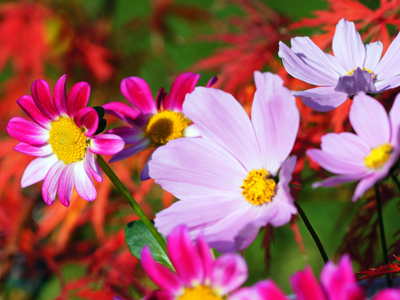
Do you have a favourite bedding plant?
Annuals - Bedding Plants
Bedding plants bring quick colour to pots and borders. Learn how light, watering, and spacing affect growth, so your annuals stay cheerful from planting day onwards.
To see a larger image, click on the picture.
1 .
What is the common name of Ageratum houstonianum that is often grown as a summer bedding plant?
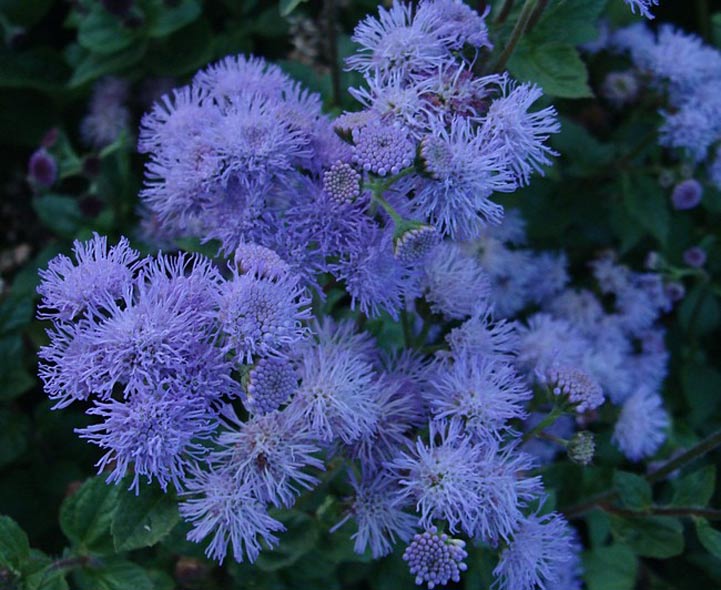
Photograph courtesy of Oceandesetoiles
Boss flower
Floss flower
Gloss flower
Moss flower
- The flower colour most often seen is blue but varieties are available with a range of purple, pink and white flowers.
- Usually easy to grow, reliable and very little trouble.
- Will tolerate partial shade but is happier in full sun.
- Does better than most bedding plants in hot dry summers where no irrigation is available.
2 .
The popular edging plant known as Lobelia erinus is a native of where?
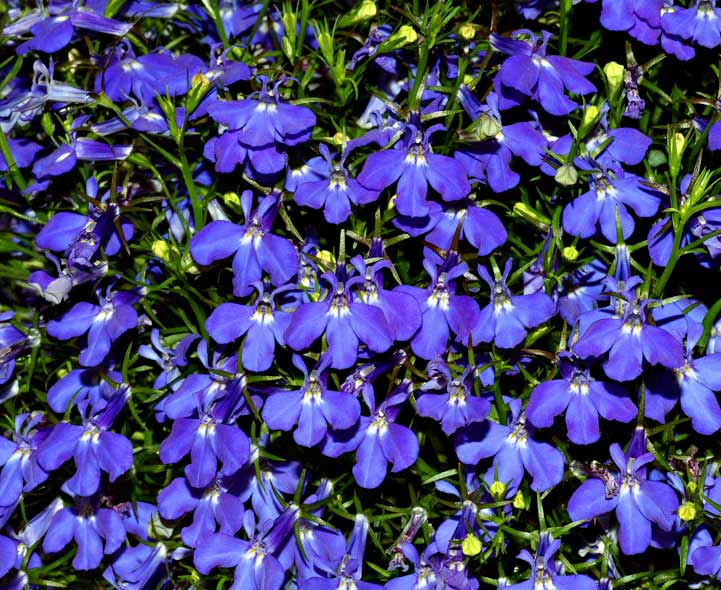
Photograph courtesy of Aka
Northern Europe
Eastern Asia
Southern Africa
Western Australia
- Famous for being the blue flower of choice in bedding displays.
- Many different shades of blue from the lightest sky blue to the deepest purple.
- Also available in whites and pinks.
- Seed is tiny and, although not difficult to grow, it takes a long time before the seedlings are ready for pricking out.
- Seed is very cheap and it is usually pricked-out into stations each containing several seedlings.
- Will flower throughout the summer until the first frosts.
3 .
The scientific name for red-flowered Salvia often used as a bedding plant is what?
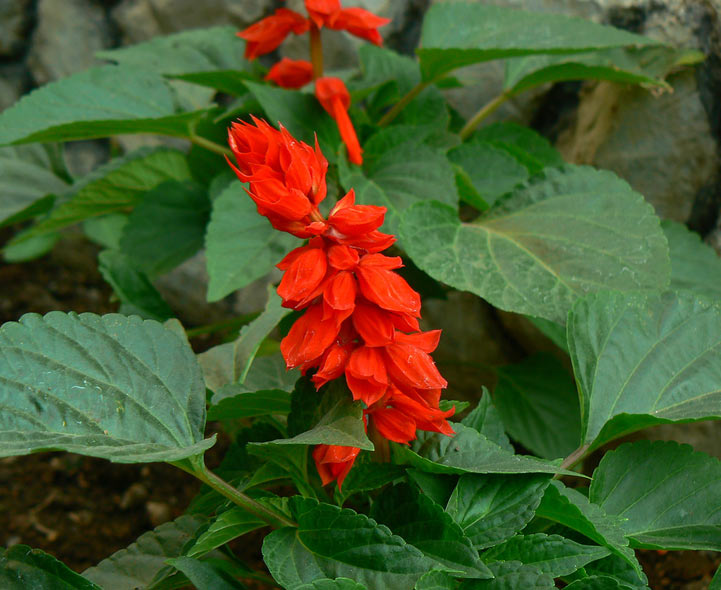
Photograph courtesy of Dinesh Valke
Salvia divinorum
Salvia officinalis
Salvia pratensis
Salvia splendens
- Has lost some of its popularity in recent years but it is still an extremely reliable provider of a splash of vivid red.
- Modern varieties are also available that have flowers of various shades of orange, pink, purple and white.
- Seed is fairly easy to germinate.
- When the plants are young they need to be kept at a minimum of 15 degrees C in order to prevent them going yellow.
- Defer planting until early May if you have not got a heated glasshouse.
4 .
Bedding Violas are in the same family as which of the plants given below?
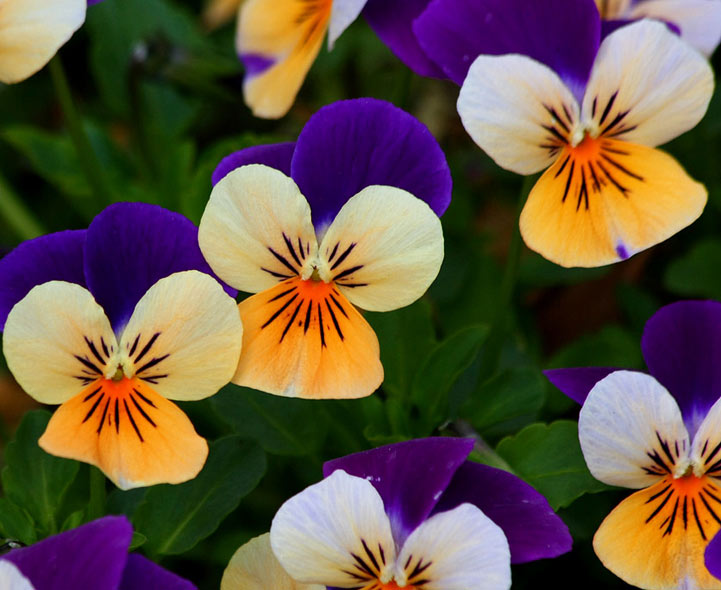
Photograph courtesy of www.flickr.com/photos/texaseagle/
Antirrhinum
Diascia
Nemesia
Pansy
- Sometimes known as Violets or Heartsease.
- Closely related to Viola odorata which is widely used in the perfume industry.
- Modern varieties come in a bewildering array of colours.
- The flowers are edible and are sometimes used to add colour to a salad.
- They can be planted in the autumn and with luck you will get a few flowers throughout the darkest months of the year.
5 .
The bedding plant that is usually referred to as 'Geranium' does not in fact belong to the Geranium genus. To what genus does it belong?
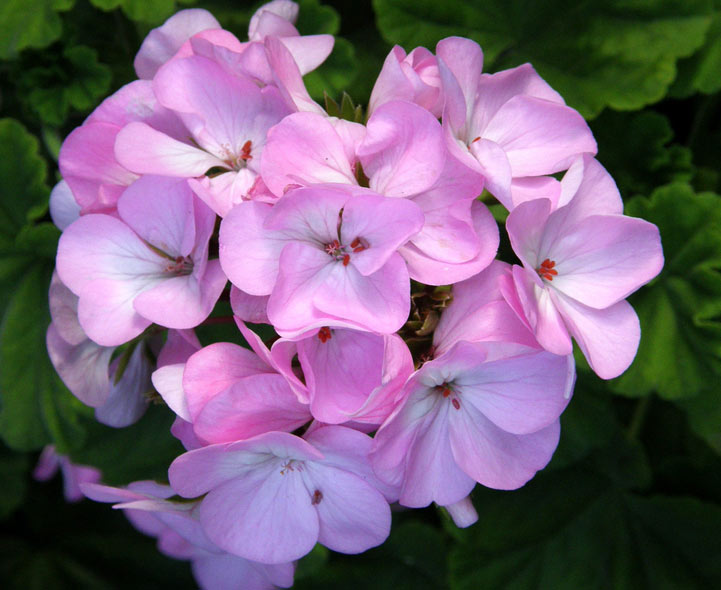
Photograph courtesy of www.flickr.com/photos/maynard/
Papavar
Pelargonium
Philadelphus
Philodendron
- The plant is a native of South Africa.
- Amongst the most reliable of all bedding plants because it flourishes even in extremely hot and dry conditions.
- Can be grown from seed but make sure you buy F1 hybrid varieties. Non F1s are unpredictable and tend to flower very late.
- F1 hybrid seed is expensive but worth it.
- Choice plants can be dug up and saved for the next year provided that you can keep them in a frost-free place over winter.
6 .
The plants that we call 'Marigolds' are members of the genus that botanists know as what?
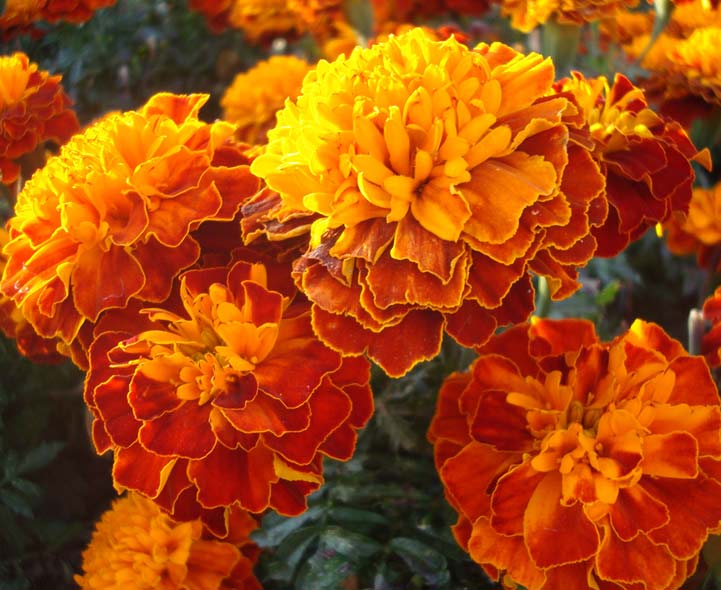
Photograph courtesy of www.flickr.com/photos/stadtkatze/
Impatiens
Marigold
Pelargoniums
Tagetes
- Seed catalogues usually list a plethora of different 'types' of marigold including African, American, French, Mexican and Triploid and the lines between each are very blurred!
- Many of the plants have a pungent smell and some gardeners plant marigolds next to their tomatoes to deter insect pests.
- Marigolds are amongst the easiest of all plants to grow from seed - an ideal plant to nurture the interest of youngsters.
In the UK the name 'Tagetes' is normally reserved for a member of this genus that has feathery foliage and a multitude of small flowers. There is not a genus called 'Marigold'!
7 .
'Sweet Alyssum' was once classified in the genus of Alyssum but it has now been reclassified as what?
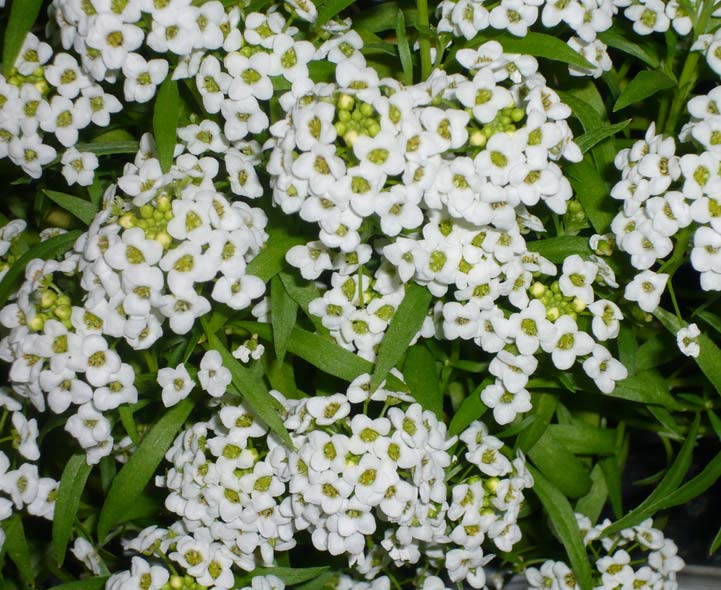
Photograph courtesy of www.flickr.com/photos/badalley/
Aster
Campanula
Lobularia
Mimulus
- The plant gets its common name from its sweet smell - especially noticeable on warm summer evenings.
- Easy to grow and a favourite of 'older gardeners'!
- At one time white Alyssum was used extensively in association with blue Lobelia.
- Provides a vivid display while it lasts but it tends to be short-lived and when flowering is finished it can lend an untidy appearance to a mixed bed.
8 .
What is the name by which Mesembryanthemums are usually known?

Photograph courtesy of Chris Ibbotson
Dog Daisy
English Daisy
Livingstone Daisy
Oxeye Daisy
- Easy to grow from seed.
- There is a whole range of sparkling colours and seed is invariably sold as a mixture.
- The flowers have a fascinating habit of opening in the sunshine but closing as soon the sun disappears.
- Provide a brilliant display on sunny days but are almost invisible on dull days.
- Excellent in rockeries and very reliable in dry conditions.
- Needs little or no fertilizer.
9 .
This is a lovely double-flowered variety of which popular bedding plant?
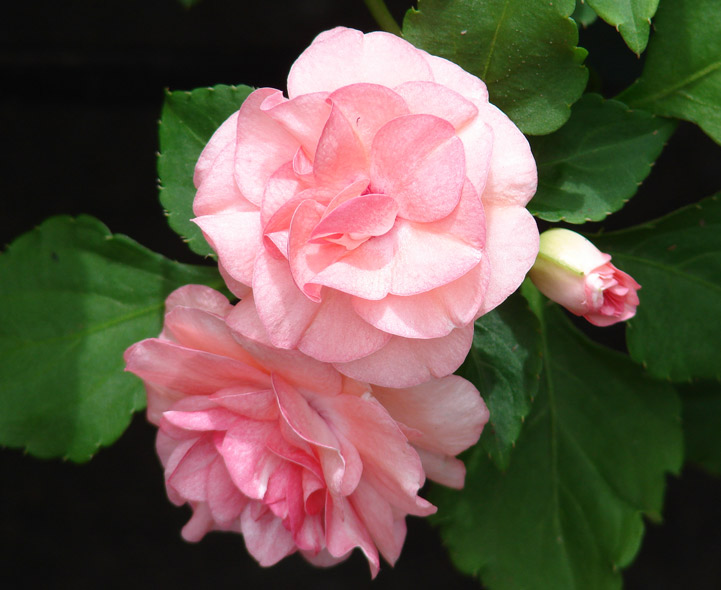
Photograph courtesy of http://www.hear.org/starr/
Begonia
Impatiens
Ivy Geranium
Portulaca
- Frequently referred to as Busy Lizzie.
- The plants come into flower quickly and produce a continuous mass of flowers throughout the summer.
- Probably the best choice of bedding plant for shady corners.
- Both plants and seed can be expensive. It is worthwhile taking cuttings from bought plants to increase your quantity of plants. The cuttings root extremely easily even without a greenhouse.
10 .
Under what conditions do Pansies produce the best display?
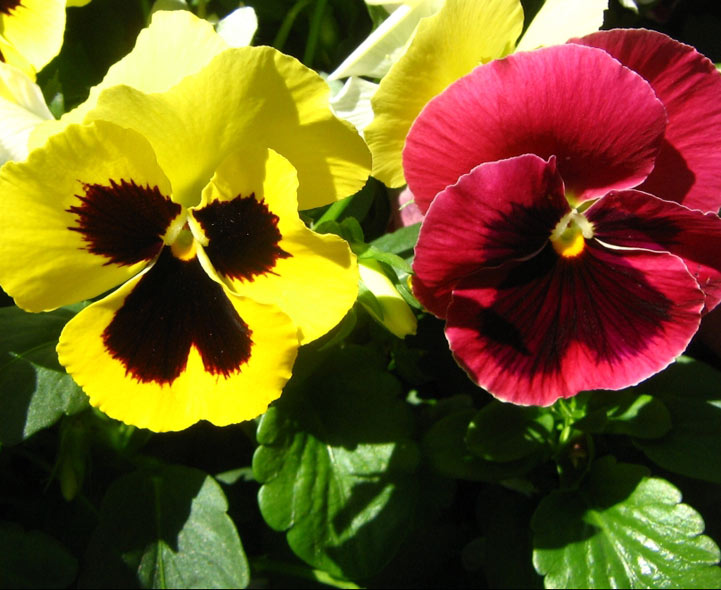
Photograph courtesy of Betta Design
Cool
Very cold
Very hot
Very humid
- Pansies come in almost every conceivable colour and combination of colours.
- Varieties have been bred to be winter-hardy - plant them in the autumn to provide a wealth of colour the next spring.
- The plant has been loved throughout history and gets a mention from both Shakespeare and Wordsworth.
- They are also very tasty - almost every known garden pest and disease enjoys eating them!
Pansies do not grow well in the heat of the summer - the flowers get smaller as the weather gets hotter



**Unlimited Quizzes Await You! 🚀**
Hey there, quiz champ! 🌟 You've already tackled today's free questions.
Ready for more?
Ready for more?
🔓 Unlock UNLIMITED Quizzes and challenge yourself every day. But that's
not all...
not all...
🔥 As a Subscriber you can join our thrilling "Daily Streak" against other
quizzers. Try to win a coveted spot on our Hall of Fame Page.
quizzers. Try to win a coveted spot on our Hall of Fame Page.
Don't miss out! Join us now and keep the fun rolling. 🎉
**Unlimited Quizzes Await You! 🚀**
Hey there, quiz champ! 🌟 You've already tackled today's free questions. Ready for more?
🔓 Unlock UNLIMITED Quizzes and challenge yourself every day. But that's not all...
🔥 As a Subscriber you can join our thrilling "Daily Streak" against other quizzers. Try to win a coveted spot on our Hall of Fame Page.
Don't miss out! Join us now and keep the fun rolling. 🎉




© Copyright 2016-2026 - Education Quizzes
Work Innovate Ltd - Design | Development |
Marketing
