




Ask the AI Tutor
Need help with Annuals - Border Plants 2? Ask our AI Tutor!
AI Tutor - Lucy
Connecting with Tutor...
Please wait while we establish connection

A beautiful, well-maintained border.
Annuals - Border Plants 2
Border annuals can do more than look pretty, they can support wildlife. Learn how to choose, sow, and care for quick flowers in your garden.
To see a larger image, click on the picture.
1 .
What is the name of this popular summer cut flower?
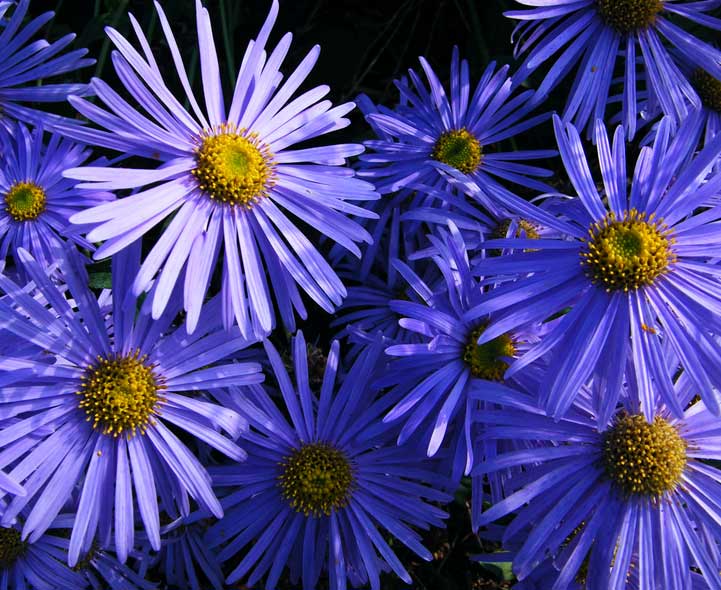
Photograph courtesy of Markles55
Argyranthemum
Aster
Dahlia
Dianthus
- The plant genus contains about 180 species.
- Available in a wide range of colours - mainly pastel shades.
- Very easy to grow from seed.
- Flower size and shape as well as the height of the plant vary considerably. Read the seed packet to ensure that you get what you expect!
- For best results plant in full sun.
- Susceptible to attack by aphids so inspect the underside of the leaves frequently.
2 .
Scientifically this plant is known as Clarkia amoena. What is it more often called?
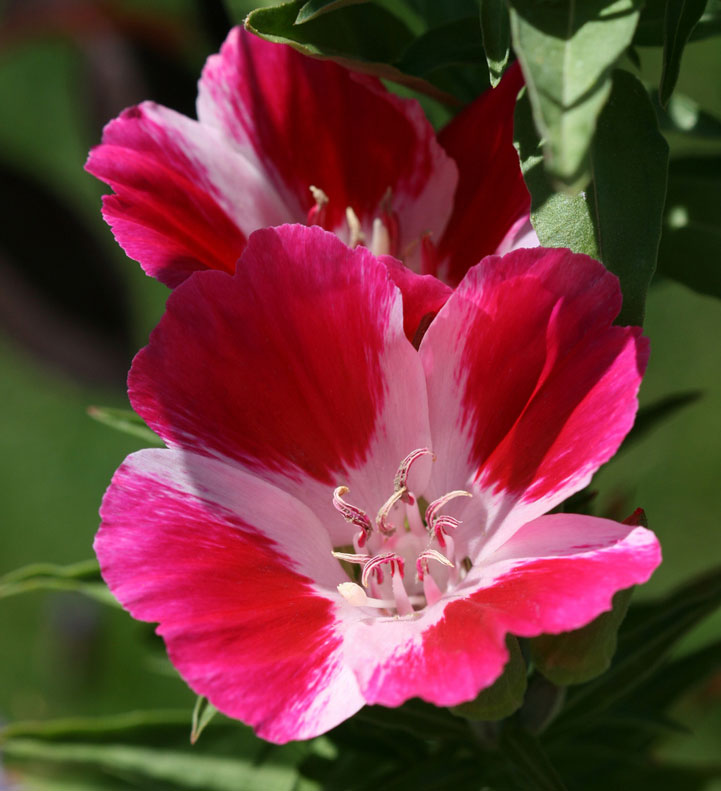
Photograph courtesy of www.flickr.com/photos/pbouchard/
Gerbera
Godetia
Grevillea
Gypsophila
- Sometimes also known as Farewell to Spring.
- Almost always the flowers are a combination of pink (varying shades) and white.
- Flower stems are fairly strong and sturdy enough to be used as cut flowers.
- Like Zinnias, these plants do not like being transplanted so it is best to sow the seed in the soil where they will continue to grow.
- Sow onto a moist seedbed and do not cover.
3 .
The name Coreopsis is derived from the Greek word meaning what?
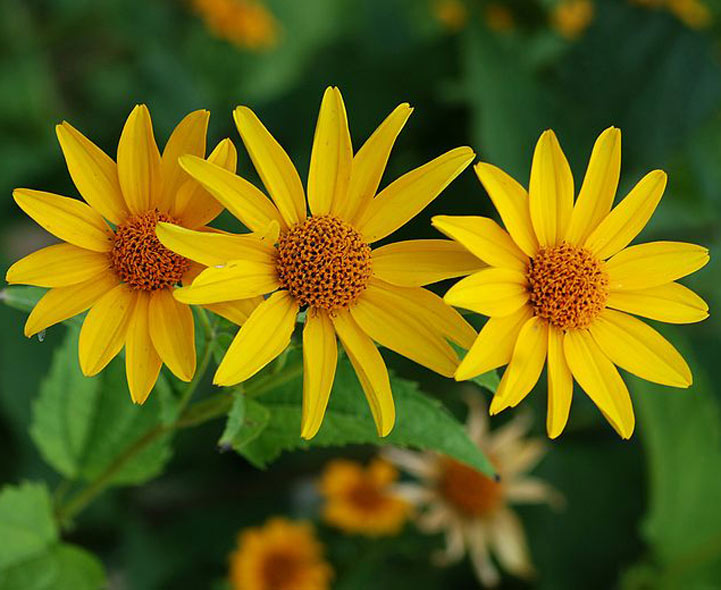
Photograph courtesy of Alvesgaspar
Flower of the sun
Happy flower
Perpetual flower
Bedbug
- Coreopsis are related to Sunflowers but the size of a Coreopsis flower does not approach that of a Sunflower.
- It is the state flower of Florida in the USA.
- Most varieties are perennial but some will flower in their first year from seed.
- Grows best on sandy soil and to avoid flower stems that keel over make sure that it is not given an excess of nitrogen.
- The more sun you give it the more flowers it will produce!
The fruits of the plant resemble bugs and in America the plant is sometimes called Tickseeds!
4 .
To which plant genus does the Pot Marigold belong?
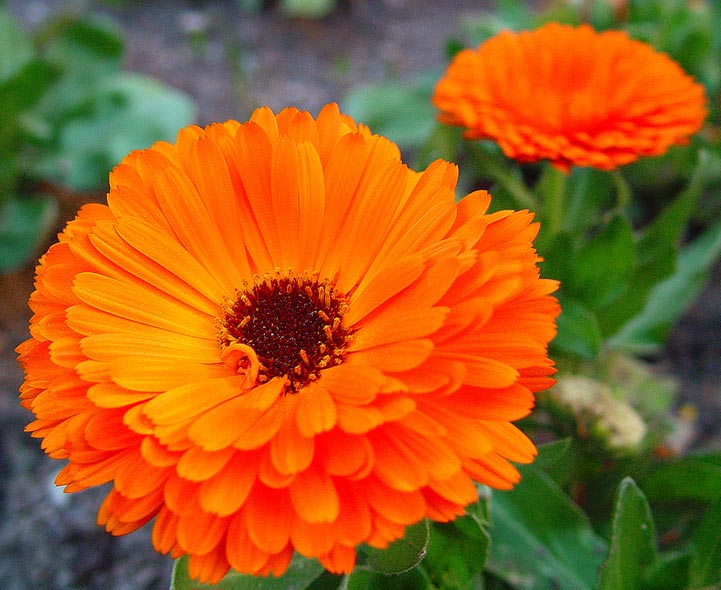
Photograph courtesy of plantasyflores
Astilbe
Calendula
Gaillardia
Tagetes
- Although the plant is usually known as Pot Marigold it should not be confused with the Marigolds that are often used in mass bedding displays and belong to another genus.
- The plant is said to be a 'vulnerary agent' - it helps to heal and sooth wounds.
- Has a reputation of attracting beneficial insects (like ladybirds) and repelling harmful insects (like aphids).
- Sow seeds in the spring in the position where they are to flower.
5 .
The genus to which this plant belongs was named after who?
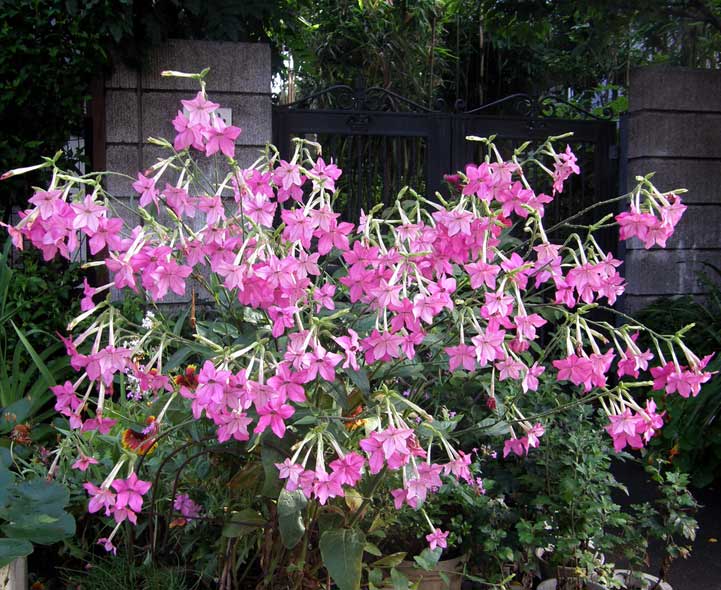
Photograph courtesy of www.flickr.com/photos/maynard/
Claude Whisk
Frederic Brand
Gerald Vod
Jean Nicot
- Available in a wide range of pinks, purples and whites
- For something different and interesting you might also try a green flowered variety!
- Looks sophisticated and also has a sweet smell in the evening.
- Fairly easy and cheap to grow from seed.
- Prefers full sun. It will flower in shade but the flower spikes tend to get leggy and fall over.
He presented tobacco (made from the genus Nicotiana) to the French royal court in the 1500s. Modern flowering strains of Nicotiana are a far cry from the very unexciting looking plant that is used to make cigarettes
6 .
What is the name of this species of Argyranthemum?
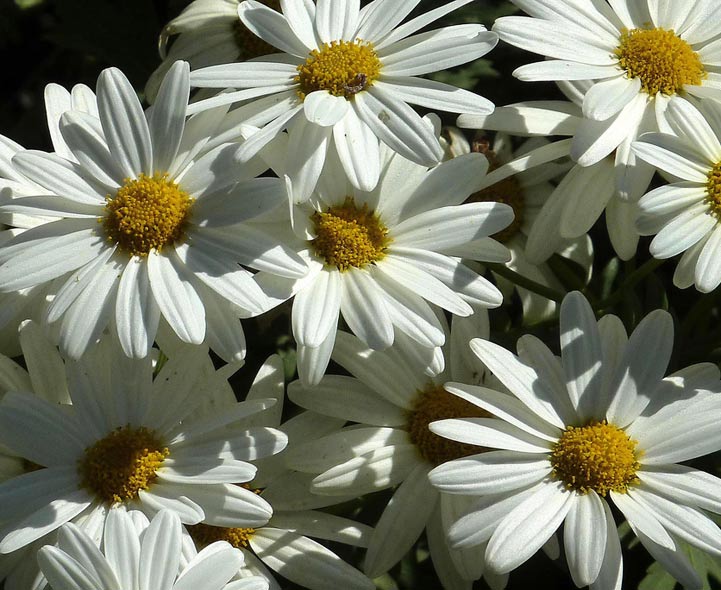
Photograph courtesy of pclphotography
A. fleurescens
A. frutescens
A. seedescens
A. vegescens
- Sometimes called Marguerites.
- Often confused with single-flowered Chrysanthemums.
- Delicate foliage and sparkling white flowers make this a choice plant for a centrepiece.
- There are also yellow flowering varieties.
- It is sometimes trained as a 'standard' - ensure that no sideshoots develop near the base of the plant until the plant reaches the desired height.
- Requires full sun and free drainage.
7 .
The Cosmos species most often seen in gardens (C. bipinnatus) has a common name derived from its country of origin - what is it?
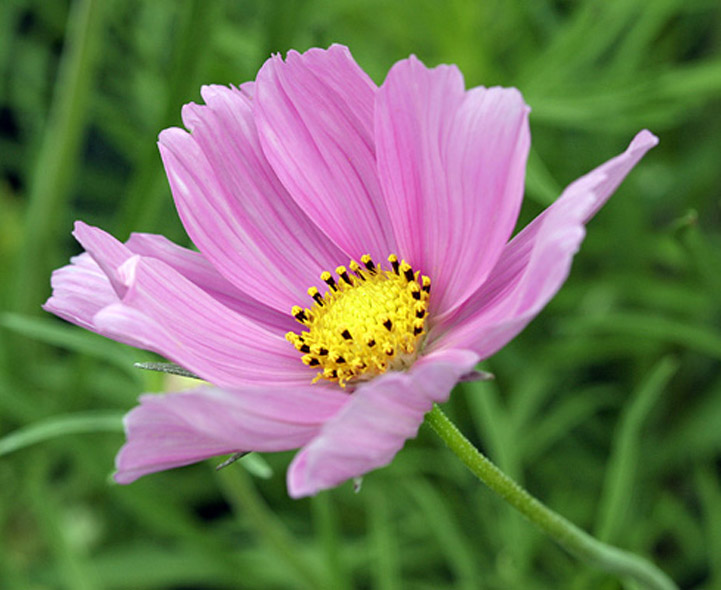
Photograph courtesy of www.flickr.com/photos/pepperazzi/
South African Daisy
Japanese Poppy
Mexican Aster
New Zealand Lily
- In its native region Cosmos is a perennial but it is not hardy in the UK and therefore it is usually treated as an annual.
- Seed merchants list many different varieties that come in an assortment of colours and heights.
- Easy to grow from seed.
- The taller varieties may need some support to ensure that the flower stems stay upright. Either resign yourself to staking them or plant them in a mixed border with sturdier plants around them.
8 .
What is the common name for the Lavatera plant?
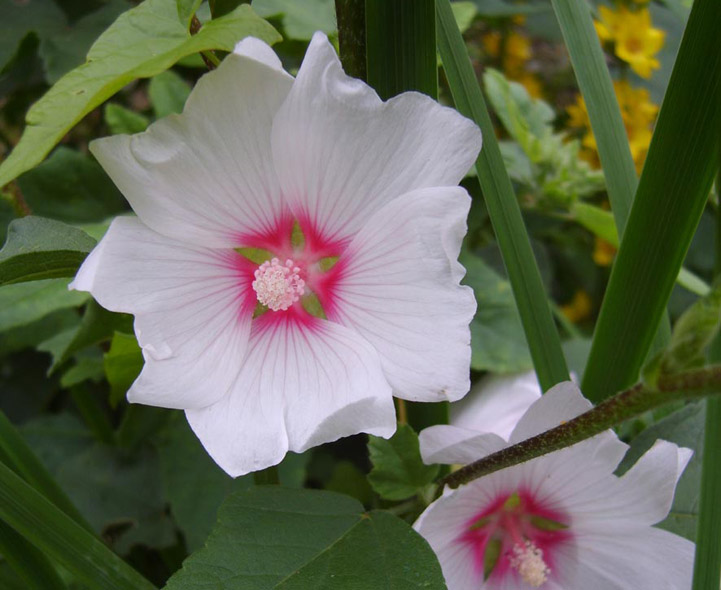
Photograph courtesy of www.flickr.com/photos/ripplestone/
Fallow
Mallow
Sallow
Zallow
- Grows rapidly and produces arching stems carrying the flowers.
- Don't be tempted to crowd them in with other plants - Lavatera should be allowed at least a square metre.
- Does very well in drought conditions and is particularly suited to sandy soils.
- Even plants sold as annuals might flower a second year (they are very hardy) so cut them back to about 30 cms from the ground in the autumn and see what happens the next spring!
9 .
This very showy annual plant has an unendearing name - what is it?
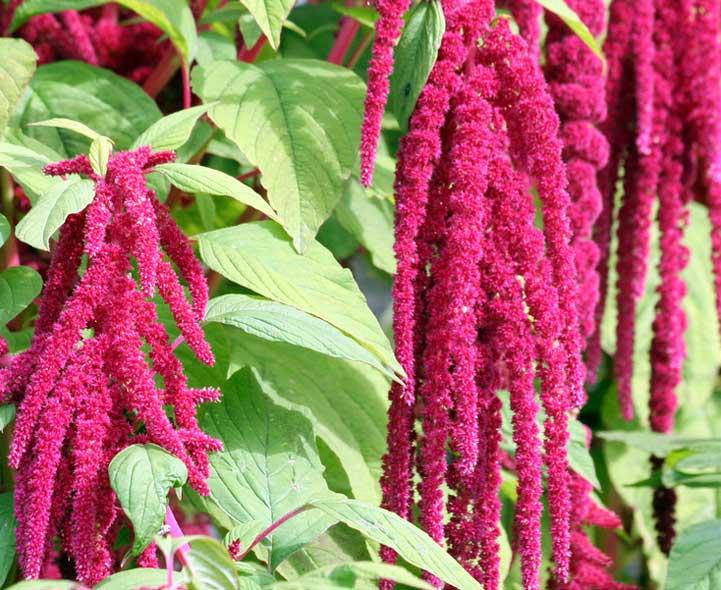
Photograph courtesy of www.flickr.com/photos/martius/
Love Lies Bleeding
Love Lies Crying
Love Lies Dying
Love Lies Grieving
- The scientific name is Amaranthus Caudatus.
- Flowers can be either red or purple.
- Grows extremely quickly to form a low bush.
- Flowers in mid-summer and is much sought-after by flower arrangers at that time.
- In good rich loam the plant often produces long tassles of flowers that are so heavy that they need supporting to keep them clear of the soil.
10 .
What is the scientific name for Monkey Flowers?
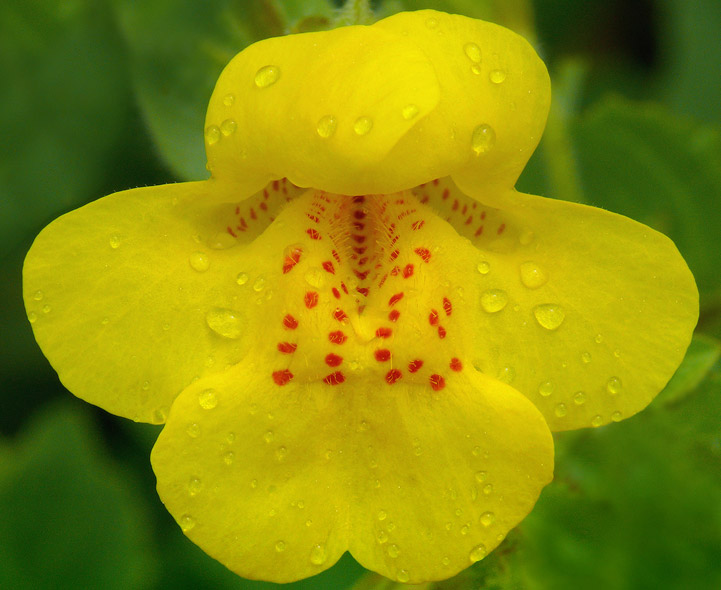
Photograph courtesy of www.flickr.com/photos/jim-sf/
Mimosa
Mimulus
Mirabilis
Miscanthus
- Seed is small but it germinates quite readily.
- The plant should only be grown in situations where the soil in which it is growing can be kept moist. Some of its close relations are aquatic and bog plants.
- Grows best if it is shaded from the sun in the heat of the day.
- If growing from seed make sure that it is not planted out until after danger of frost has passed.



**Unlimited Quizzes Await You! 🚀**
Hey there, quiz champ! 🌟 You've already tackled today's free questions.
Ready for more?
Ready for more?
🔓 Unlock UNLIMITED Quizzes and challenge yourself every day. But that's
not all...
not all...
🔥 As a Subscriber you can join our thrilling "Daily Streak" against other
quizzers. Try to win a coveted spot on our Hall of Fame Page.
quizzers. Try to win a coveted spot on our Hall of Fame Page.
Don't miss out! Join us now and keep the fun rolling. 🎉
**Unlimited Quizzes Await You! 🚀**
Hey there, quiz champ! 🌟 You've already tackled today's free questions. Ready for more?
🔓 Unlock UNLIMITED Quizzes and challenge yourself every day. But that's not all...
🔥 As a Subscriber you can join our thrilling "Daily Streak" against other quizzers. Try to win a coveted spot on our Hall of Fame Page.
Don't miss out! Join us now and keep the fun rolling. 🎉




© Copyright 2016-2026 - Education Quizzes
Work Innovate Ltd - Design | Development |
Marketing
