




Ask the AI Tutor
Need help with Ferns and Grasses - Ornamental Grasses? Ask our AI Tutor!
AI Tutor - Lucy
Connecting with Tutor...
Please wait while we establish connection
See if you can get full marks in this informative quiz.
Ferns and Grasses - Ornamental Grasses
Ornamental grasses add movement, texture, and year-round interest. This quiz looks at where to plant them, how to care for them, and how they shape garden design.
To see a larger image, click on the picture.
1 .
Can you name this ornamental grass?
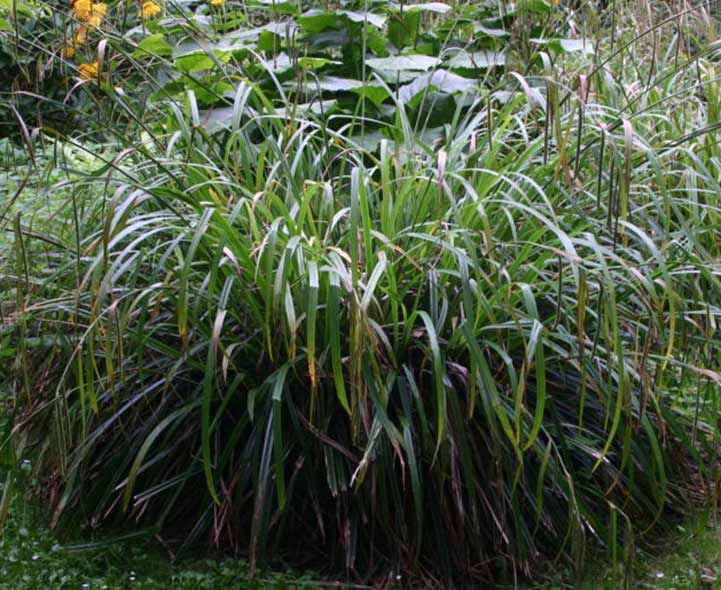
Photograph courtesy of Sten Porse
Leafy reedgrass
Weeping sedge
Japanese forest grass
Blue fescue
- Latin Name: Carex pendula.
- Prefers moist soil, preferably heavy clay.
- In the wild it is often found in woodlands and close to water.
- Each flowering stem carries both male and female spikes.
- Flowers in May and June are followed by greenish-brown fruits about a month later.
2 .
Can you name this ornamental grass?
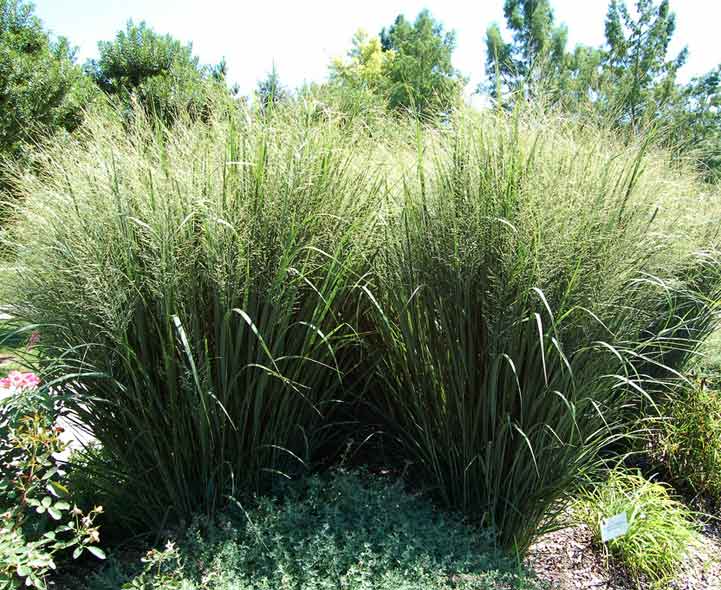
Photograph courtesy of www.flickr.com/photos/white_wolf/
Chinese silver grass
Leafy reedgrass
Pampas grass
Fountain grass
- Latin Name: Pennisetum setaceum.
- Grows in tight clumps and is non-invasive.
- As summer develops the long flower bearing stalks start to become pendulus and eventually bear 'foxtail' heads.
- Does best in fertile soil and in full sun.
- Can look breathtakingly beautiful in the winter.
- It is advisable to cut the plants back in the spring before new growth begins.
3 .
Can you name this ornamental grass?
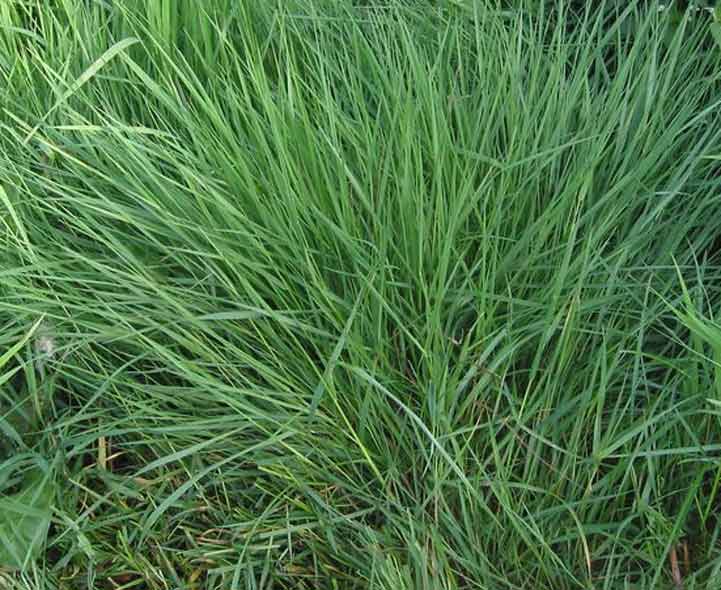
Common bent
Tussock grass
Witchgrass
Blue fescue
- Latin Name: Agrostis capillaris.
- There are a large numbers of different species of Agrostis - over 100 according to Wikipedia.
- It has to be said that it is not the most exciting plant - when grown in the garden it needs to be near brighter plants to cheer it up a little!
4 .
Can you name this ornamental grass?
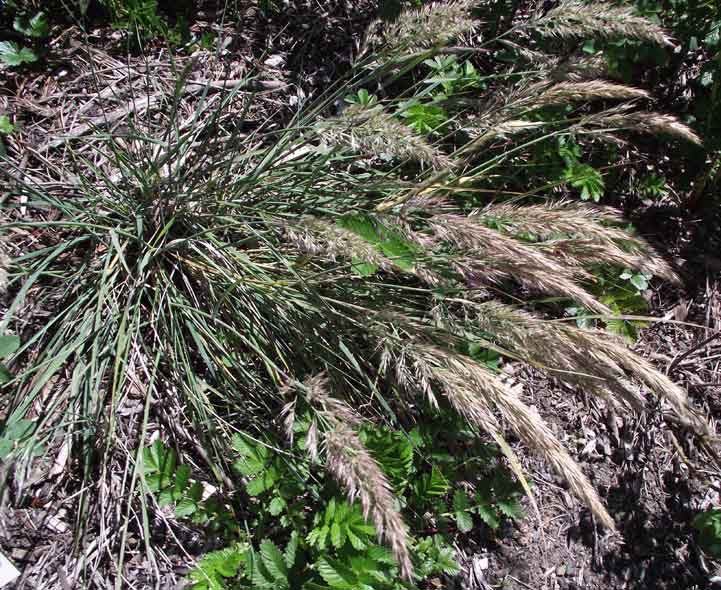
Photograph courtesy of Stickpen
Weeping sedge
Leafy reedgrass
Japanese forest grass
Pampas grass
- Latin Name: Calamagrostis foliosa.
- Stems grow to between 30 and 60 cm in length.
- Foliage colour ranges from blue-green to gold depending upon where it is grown and the time of year.
- Flowers are creamy with a hint of green.
- As with many other grasses it is easy to raise your own plants from seed.
5 .
Can you name this ornamental grass?
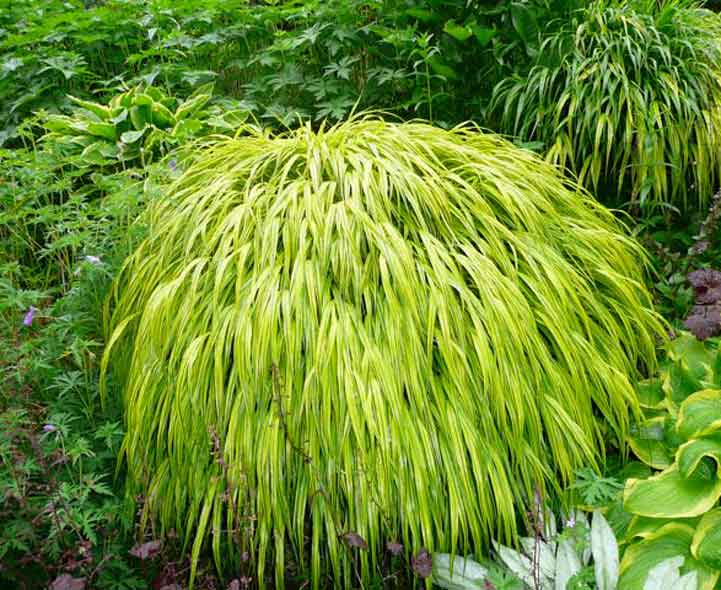
Photograph courtesy of www.flickr.com/photos/nestmaker/
Fountain grass
Witchgrass
Common bent
Japanese forest grass
- Latin Name: Hakonechloa macra 'Aureola'.
- Flowers are insignificant but it is well worth growing for its glowing yellow foliage.
- Retains good foliage colour even when grown in partial shade.
- Grows to a height of up to 40 cm.
- Dies back to ground level in the winter.
- Easy to grow and responds well to good, fertile soil.
6 .
Can you name this ornamental grass?

Photograph courtesy of Namazu-tron
Fountain grass
Pampas grass
Tussock grass
Weeping sedge
- Latin Name: Cortaderia selloana.
- The plant is a native of South America and takes its name from the vast lowland plains of that country.
- Flower heads are widely used in floral decorations.
- Can grow up to 3 metres tall.
- Be careful with the leaves because they can cut you like a razor!
7 .
Can you name this ornamental grass?
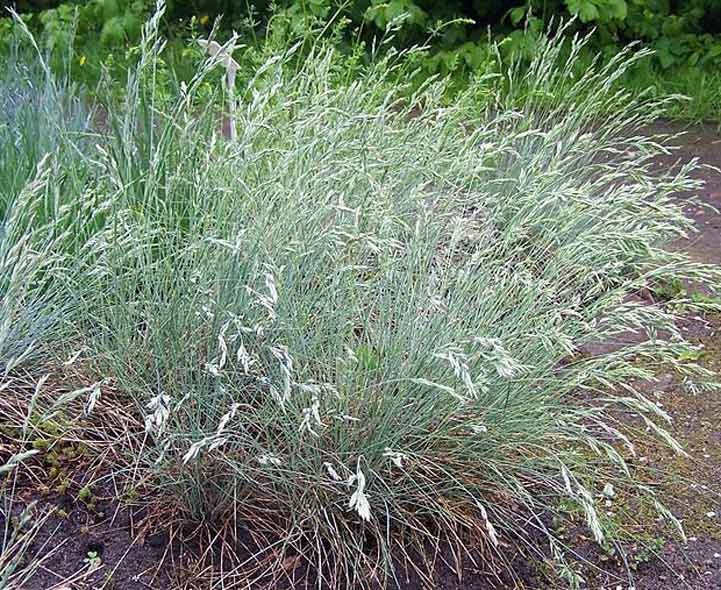
Photograph courtesy of Opiola Jerzy (Poland)
Blue fescue
Witchgrass
Common bent
Tussock grass
- Latin Name: Festuca glauca.
- Forms a clump with individual flower stems reaching to about 18 cm high.
- Light green flowers are followed by puffy seed heads.
- Does well in dry soils with low nutrient levels.
- Dislikes wet soils intensely!
- Although it can be grown in slightly shaded areas it needs full sunlight to develop richness in its foliage colour.
8 .
Can you name this ornamental grass?
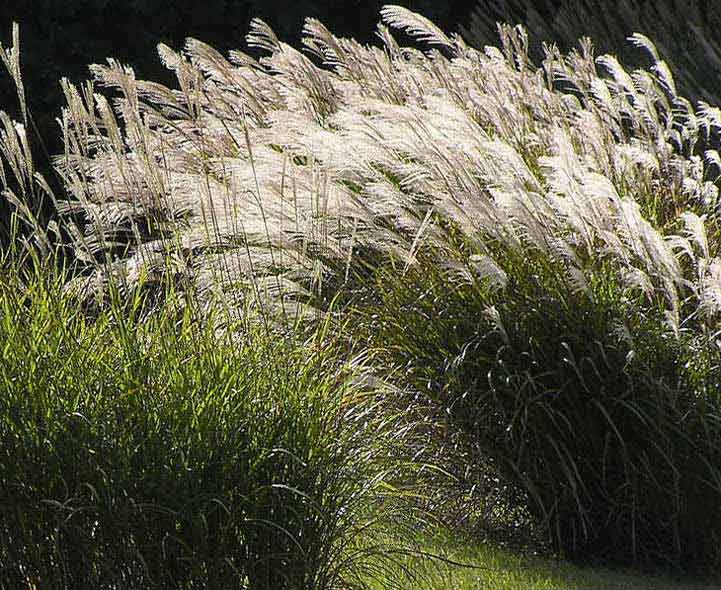
Photograph courtesy of Miya.m
Witchgrass
Fountain grass
Chinese silver grass
Leafy reedgrass
- Latin Name: Miscanthus sinensis.
- Known by many different names including Eulalia grass, maiden grass, porcupine grass, Susuki grass and zebra grass!
- Found growing wild throughout eastern Asia.
- Can grow to over 2 metres tall.
- Flowers are held well above the foliage and are usually tinged with purple.
- It is very popular and several cultivars have been bred specifically for use in gardens.
9 .
Can you name this ornamental grass?
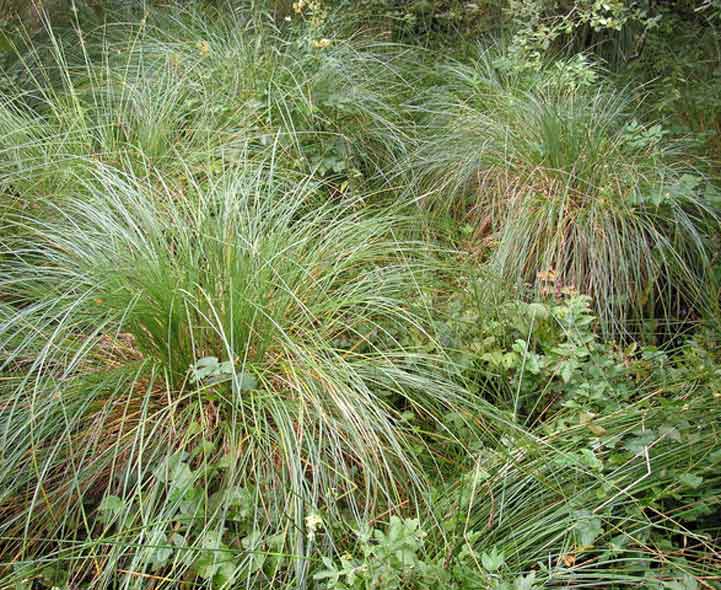
Photograph courtesy of www.geograph.org.uk/profile/24143
Tussock grass
Weeping sedge
Common bent
Chinese silver grass
- Latin Name: Deschampsia cespitosa.
- Sometimes known as the Tufted hair-grass
- Found wild in many places throughout America and Europe and often seen growing in association with other wild grasses.
- Thrives on poor soils.
- Very easy to grow and may become invasive.
- Used extensively as a 'filler' plant in wildlife gardens.
10 .
Can you name this ornamental grass?
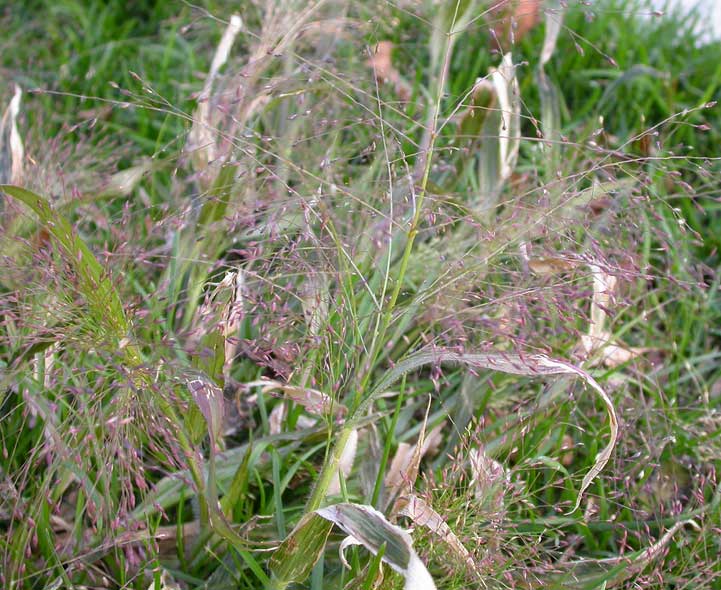
Photograph courtesy of Matt Lavin
Fountain grass
Japanese forest grass
Chinese silver grass
Witchgrass
- Latin Name: Panicum capillare.
- Both the upper and lower surfaces of leaves are densely covered with tiny hairs and this is its most recognizable feature.
- An annual plant that produces ample seeds each year to ensure its survival in a patch of the garden.
- Regarded as a weed in the west of the USA.



**Unlimited Quizzes Await You! 🚀**
Hey there, quiz champ! 🌟 You've already tackled today's free questions.
Ready for more?
Ready for more?
🔓 Unlock UNLIMITED Quizzes and challenge yourself every day. But that's
not all...
not all...
🔥 As a Subscriber you can join our thrilling "Daily Streak" against other
quizzers. Try to win a coveted spot on our Hall of Fame Page.
quizzers. Try to win a coveted spot on our Hall of Fame Page.
Don't miss out! Join us now and keep the fun rolling. 🎉
**Unlimited Quizzes Await You! 🚀**
Hey there, quiz champ! 🌟 You've already tackled today's free questions. Ready for more?
🔓 Unlock UNLIMITED Quizzes and challenge yourself every day. But that's not all...
🔥 As a Subscriber you can join our thrilling "Daily Streak" against other quizzers. Try to win a coveted spot on our Hall of Fame Page.
Don't miss out! Join us now and keep the fun rolling. 🎉




© Copyright 2016-2026 - Education Quizzes
Work Innovate Ltd - Design | Development |
Marketing
