




Ask the AI Tutor
Need help with Friends and Foes - Diseases? Ask our AI Tutor!
AI Tutor - Lucy
Connecting with Tutor...
Please wait while we establish connection

Find out what steps you can take to help avoid disease in your garden.
Friends and Foes - Diseases
Plant diseases can spread fast if conditions are right. This quiz covers common causes, warning signs, and simple steps that help keep garden plants healthier.
To see a larger image, click on the picture.
1 .
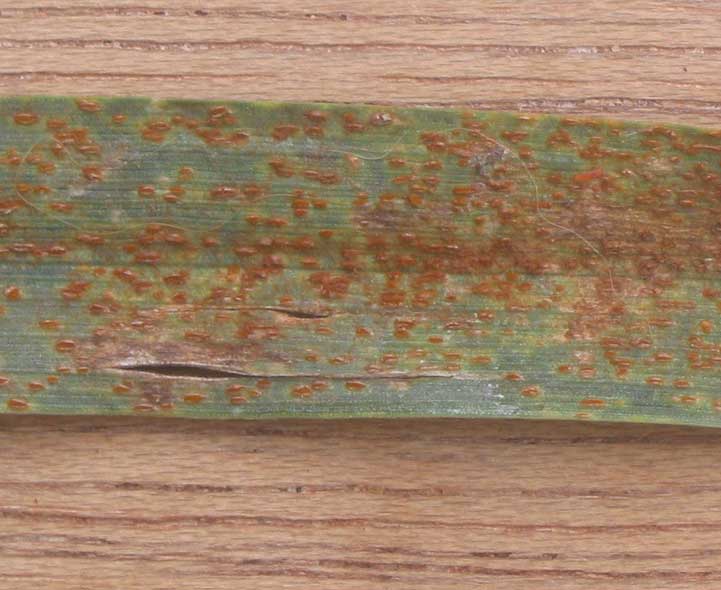
What is the name given to the group of fungi that create leaf disfiguration similar to that seen below?
Plant blemish
Plant freckle
Plant rust
Plant spot
- There are over 7,000 different 'varieties' in the group of fungi that create this type of speckling on plant leaves.
- Plants are seldom killed but yields are greatly depleted.
- Plants affected range from wheat to forest trees.
- In the garden it is most troublesome on chrysanthemums, fuchsias, pelargoniums and roses.
- Destroy affected leaves and employ strict regimes of hygiene.
2 .
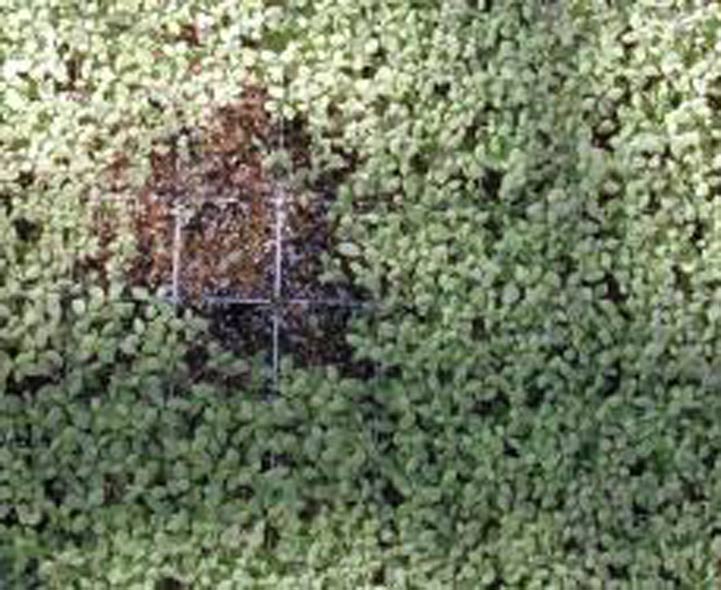
Pythium (as seen in the picture below) is one of a number of diseases that cause the sudden collapse of seedlings often referred to as 'damping off'. Which of the diseases below is NOT a cause of damping off?
Botulism
Fusarium
Phytophthora
Rhizoctonia
- If you have ever grown bedding plants from seed then you will almost certainly have seen damping off!
- Patches of seedlings collapse and die extremely quickly.
- Ensuring that the compost is not too wet and is occassionally allowed to dry out a little is the best means of preventing the disease.
- Always use clean (washed and sterilized) seed trays and pots.
Botulism is a serious disease associated with humans - not plants!
3 .
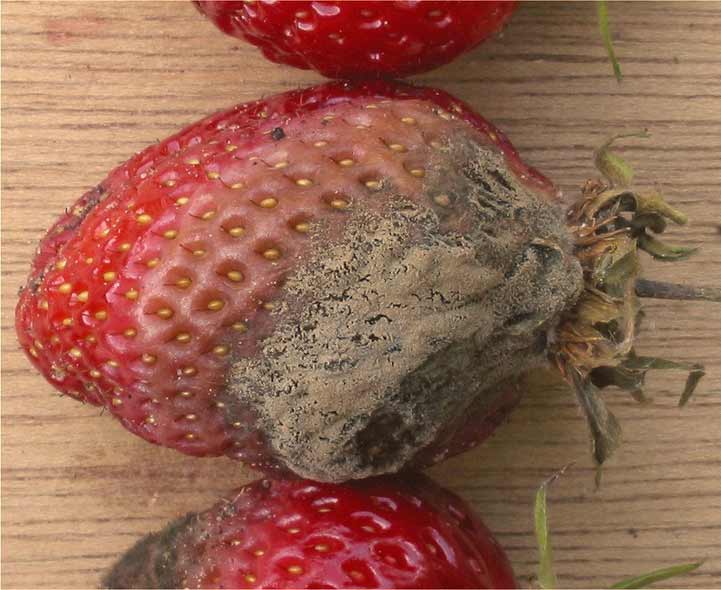
This is Botrytis cinerea. What is its usual name in the gardening world?
Grey disease
Grey mildew
Grey mould
Grey rot
- A serious disease that has to be dealt with by fruit growers.
- It can be devastating in a vineyard.
- Equally it can ruin a crop of tomatoes or strawberries.
- Its rapid spread and severity is made worse by damp, humid conditions when the air 'stagnates'.
- Much can be done to prevent the disease on strawberries by ensuring that there is a good layer of straw beneath the ripening berries.
- In glasshouses, always ensure adequate ventilation.
4 .
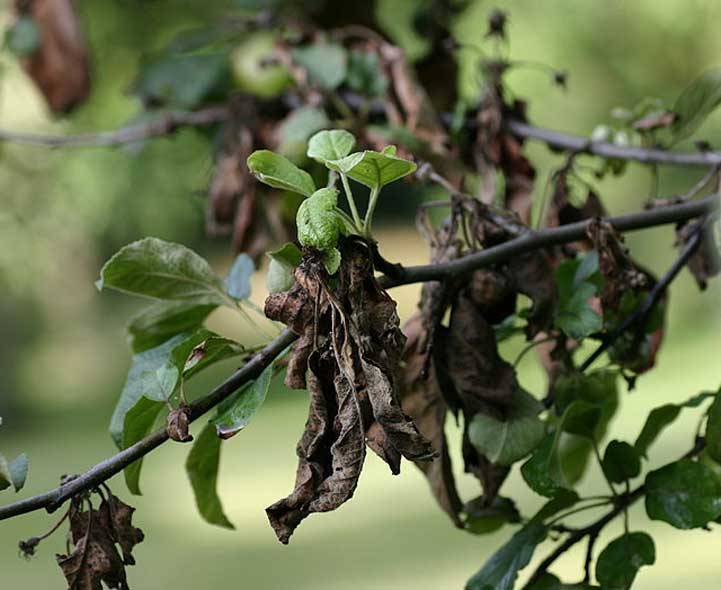
Between which two countries has animosity been created because of fireblight?
Photograph courtesy of Ninjatocoshell
Australia and New Zealand
China and the USA
England and France
Spain and Portugal
- When conditions are ideal for the spread of fireblight it can spread rapidly and wipe out an entire orchard in a single growing season.
- Affected stems wither and go black just as they would if scorched by fire, hence the name fireblight.
- The plants most badly affected are apples and pears but some ornamental plants such as Cotoneaster and Pyracantha are also vulnerable to attack.
- Prune affected branches and destroy immediately.
Australia (where there is no fireblight) will not allow the importation of New Zealand apples because fireblight is known to exist in New Zealand
5 .
Where on a plant would you expect to see the first signs of powdery mildew?
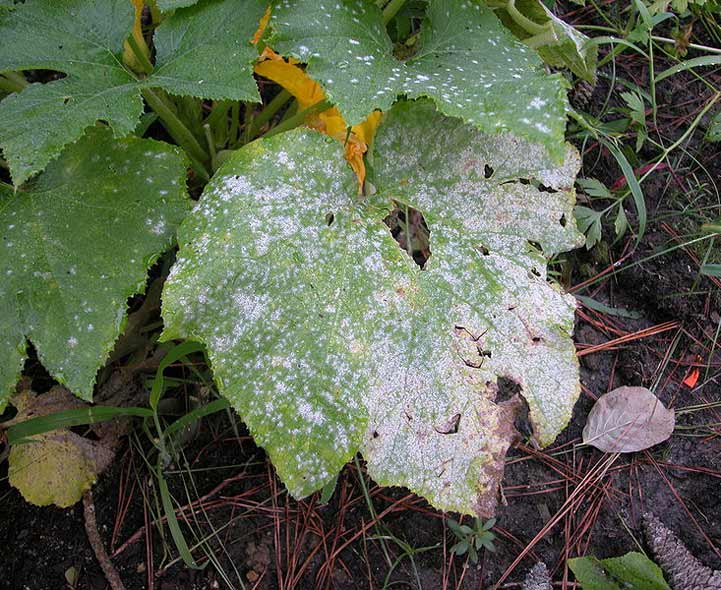
Growing tips
Upper leaves
Lower leaves
Base of the stem
- Typically powdery mildew first appears as isolated powdery spots on the leaf surface but these spread rapidly and sometimes completely cover the leaf.
- It is distinguishable from downy mildew by virtue of the fact that powdery mildew always has a 'powdery' appearance.
- Frequent spraying with plain water helps keep the disease at bay and infected leaves should be taken off as soon as possible and destroyed.
6 .
The curse of rose growers is rose Black Spot but do you know what type of organism it is caused by?
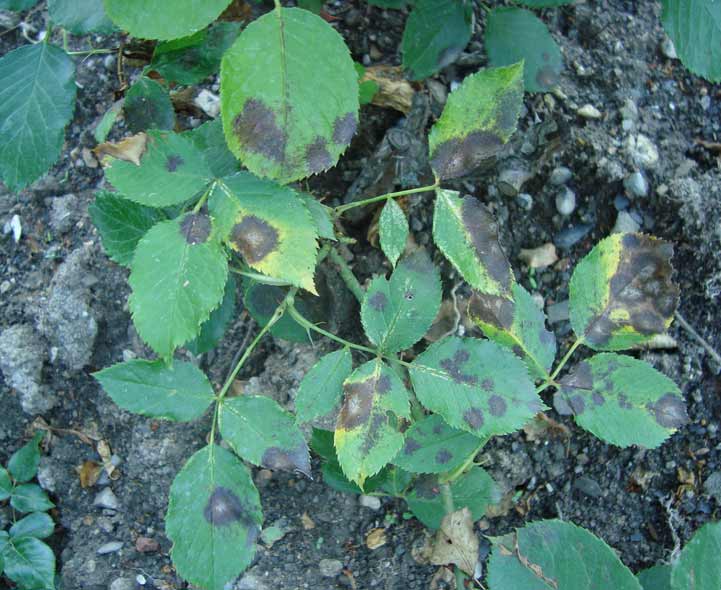
Photograph courtesy of www.flickr.com/photos/scotnelson/
Bacteria
Fungus
Oomycete
Virus
- This damaging disease of roses was prevented in the days of highly-polluted air by the presence of sulfur.
- Oddly, less roses are grown nowadays because of more Black Spot as a result of cleaner air!
- Infected leaves develop black or purple spots and patches followed by the leaves dropping prematurely in late summer.
- Meticulously clear away the leaves around the rose bed each autumn to prevent carry-over of the disease from one year to the next.
7 .
This attractive looking fungus is a deadly threat to gardeners. What is its name?
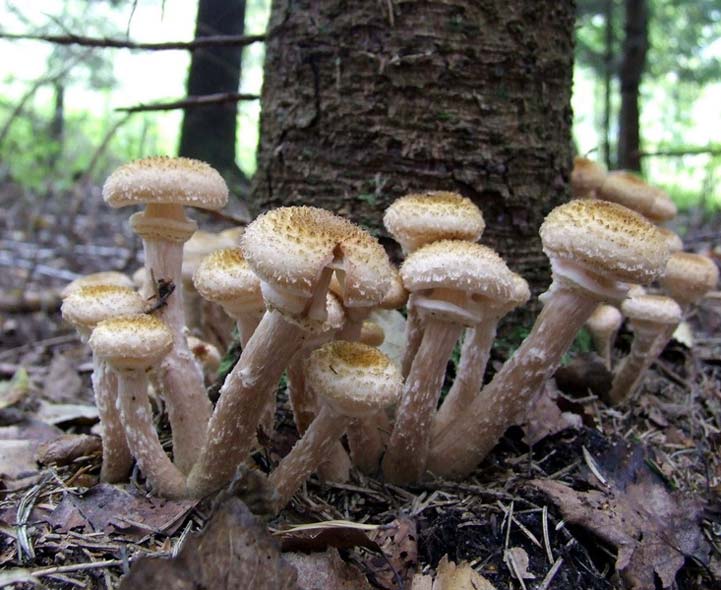
Photograph courtesy of Tocekas
Beeswax fungus
Honey fungus
Sugar fungus
Syrup fungus
- This insidious disease is the most destructive fungal disease that gardeners have to deal with.
- It lives on and kills plant roots.
- Most of the activity takes place underground but now and again brown fungi, such as those in the picture, appear at the base of infected plants.
- No chemical controls are available.
- The only long-term solution is to excavate and destroy all infected roots, bark and other plant material.
8 .
Potato blight was responsible for the greatest farming tragedy in the history of the British Isles. How many people are estimated to have died during the Irish Potato Famine in the mid 1800s?
One thousand
Ten thousand
One hundred thousand
One million
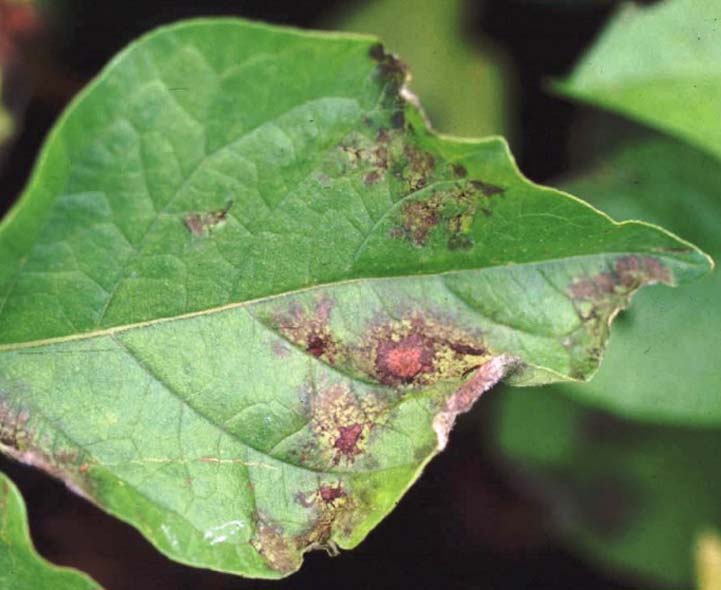
- The organism referred to as potato blight is scientifically known as Phytophthora infestans.
- It can also affect tomatoes with equally disastrous consequences.
- Its spread is dependent upon warm, humid conditions.
- Copper based fungicides offer some protection.
- Long-term a solution is likely to be found with the aid of genetic engineering to provide resistant varieties.
A further million people emigrated as a result of the famine, thus changing the face of Ireland forever. All because large numbers of people were dependent on the potato as a food crop and it was nearly wiped out because of blight.
9 .
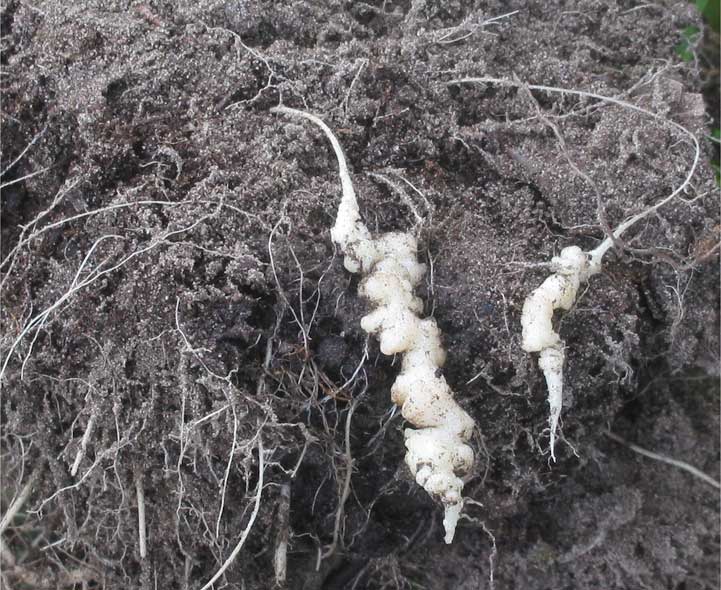
These roots are infected with the disease known as clubroot. Which group of plants are most often affected?
Brassicas
Herbaceous plants
Top fruit
Soft fruit
- The disease is easily recognized on infected roots because they swell abnormally.
- In the garden the most frequent early sign of clubroot is that plants wilt in warm weather.
- Affected plants are not always killed but the crop potential will be severely restricted.
- The disease is less prevalent in highly alkaline soils.
- Resistant (but not immune!) varieties are gradually being introduced.
The term 'brassica' is used to collectively describe the large group of vegetables that include cabbages, cauliflowers and turnips
10 .
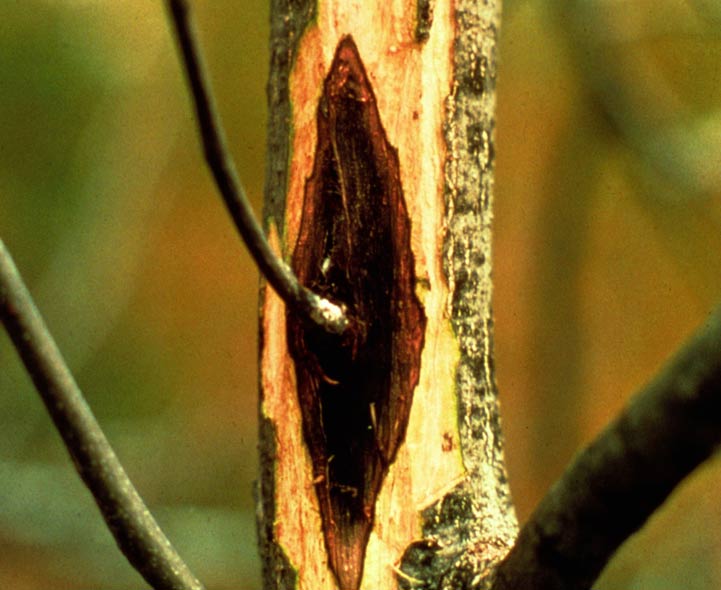
What organism causes the type of die-back of a tree's branches known as canker?
Bacteria
Fungi
Virus
All of the above
- This problem spreads only slowly through an area of trees.
- Apple canker (caused by a fungus) is the most frequently seen form in the UK.
- Usually the disease can be kept in check by regularly pruning out any affected areas. In severe cases a copper-based fungicide may prove useful.
Canker is a word used to describe similar effects caused by many different organisms



**Unlimited Quizzes Await You! 🚀**
Hey there, quiz champ! 🌟 You've already tackled today's free questions.
Ready for more?
Ready for more?
🔓 Unlock UNLIMITED Quizzes and challenge yourself every day. But that's
not all...
not all...
🔥 As a Subscriber you can join our thrilling "Daily Streak" against other
quizzers. Try to win a coveted spot on our Hall of Fame Page.
quizzers. Try to win a coveted spot on our Hall of Fame Page.
Don't miss out! Join us now and keep the fun rolling. 🎉
**Unlimited Quizzes Await You! 🚀**
Hey there, quiz champ! 🌟 You've already tackled today's free questions. Ready for more?
🔓 Unlock UNLIMITED Quizzes and challenge yourself every day. But that's not all...
🔥 As a Subscriber you can join our thrilling "Daily Streak" against other quizzers. Try to win a coveted spot on our Hall of Fame Page.
Don't miss out! Join us now and keep the fun rolling. 🎉




© Copyright 2016-2026 - Education Quizzes
Work Innovate Ltd - Design | Development |
Marketing
