




Ask the AI Tutor
Need help with Friends and Foes - Friends? Ask our AI Tutor!
AI Tutor - Lucy
Connecting with Tutor...
Please wait while we establish connection
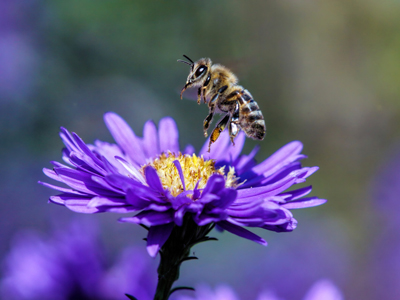
See how green-fingered you are in this enjoyable quiz!
Friends and Foes - Friends
Not all wildlife is a problem. This quiz explores “garden friends” that support healthy plants, from natural predators to pollinators, and how to encourage them safely.
To see a larger image, click on the picture.
1 .
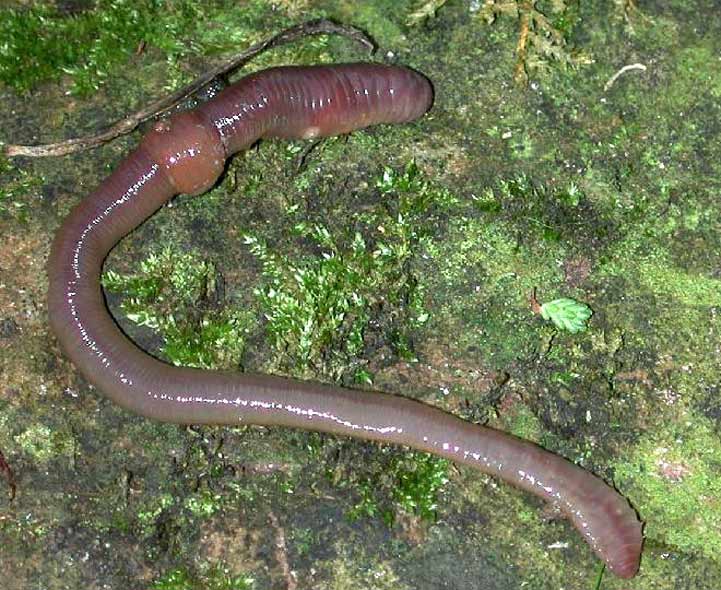
A threat to the UK earthworm population comes from a recently introduced species of worm - what is its name?
Photograph courtesy of Michael Linnenbach
New Zealand Flatworm
New Zealand Roundworm
Australian Flatworm
Australian Roundworm
- Order: Haplotaxida.
- Not the prettiest of friends but extremely valuable nonetheless!
- Earthworms play an important role in helping to convert leaves and other large pieces of vegetable matter into chemicals that can be used by plants.
- Constant burrowing helps keep the soil aerated.
- It is estimated that between 50,000 and 250,000 worms per acre can be found in fertile soil.
The New Zealand Flatworm has no natural predators in the UK and it eats our own indigenous worms.
2 .
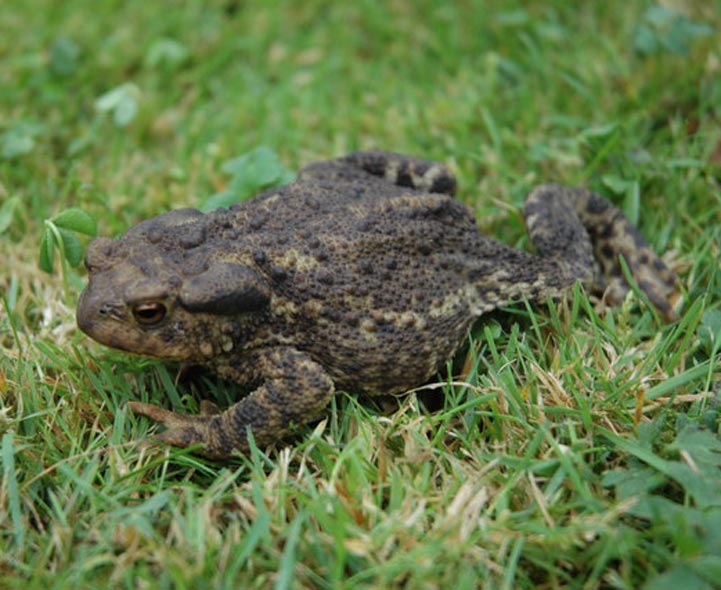
Toadspawn is characterized by being found how?
Photograph courtesy of www.geograph.org.uk/profile/1837
A round mass of eggs
A string of eggs
Individual eggs
On water lily flowers
- Species: Bufo bufo.
- Widespread throughout much of the UK but absent from Ireland.
- Males grow to about 8cm long but females can be nearly double this.
- Skin can be light green, dark brown or a multitude of other colours between these two extremes.
- They use their sticky tongues to catch insects, spiders, slugs and worms.
- Can secrete a foul tasting substance called bufagin which deters potential predators from eating them.
3 .
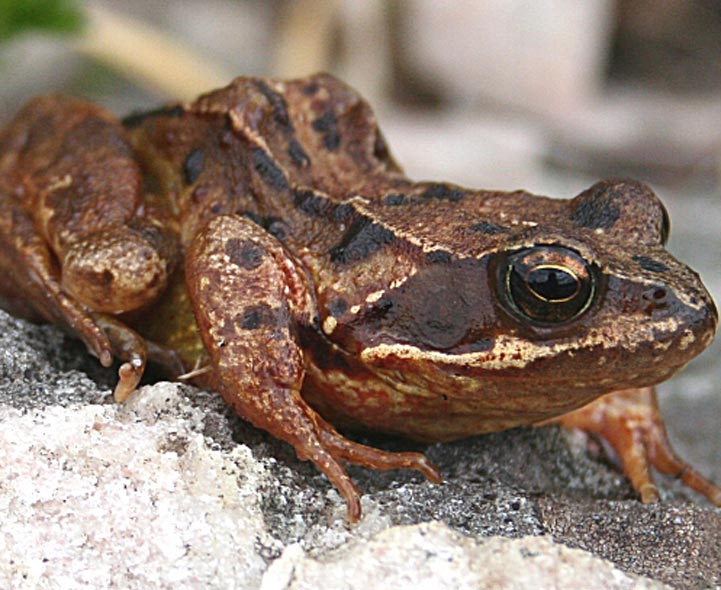
How do frogs breathe?
Photograph courtesy of www.geograph.org.uk/profile/139
Through gills
Only through lungs
Only through their skin
Through both lungs and their skin
- Order: Anura
- Much like toads, the skin colour of frogs varies considerably.
- They can be yellowish, greenish or brownish!
- Frogs have smooth skin (toads skin is often blemished).
- Adult frogs feed on land whilst immature and young ones sometimes feed in the water.
- They eat many insects (mainly at night) that might otherwise be troublesome to gardeners.
It is the ability to breathe through their skin that allows frogs to hibernate underwater
4 .
How many different types of ladybirds (Coccinellidae) have been recorded throughout the world?
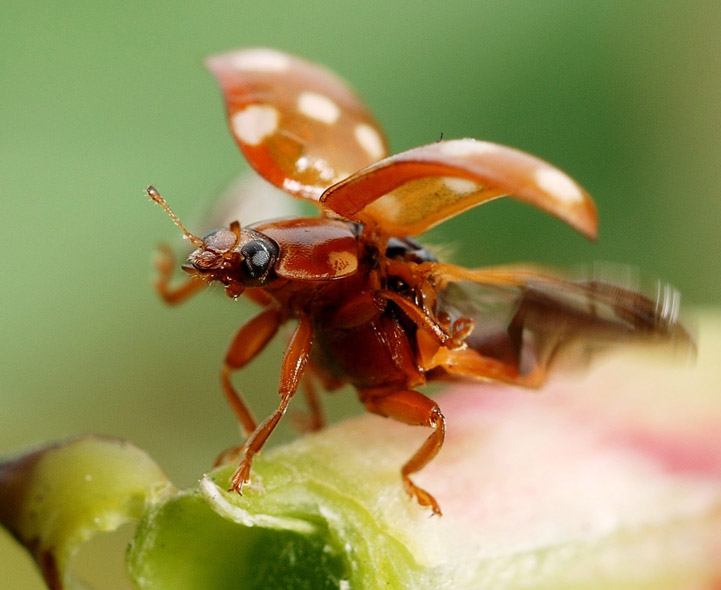
Photograph courtesy of Giles San Martin
Less than 100
Between 100 and 1,000
Between 1,000 and 5,000
Over 5,000
- Family: Coccinellidae.
- Although ladybirds are normally seen moving only slowly they are very capable of flight.
- This remarkable picture shows one just taking off.
- Voracious feeders on aphids and scale insects.
- The number of spots on its back does NOT indicate its age.
- They taste really bad so they are not usually troubled by feeding birds!
5 .
What causes the UK population of wrens to suddenly plummet.
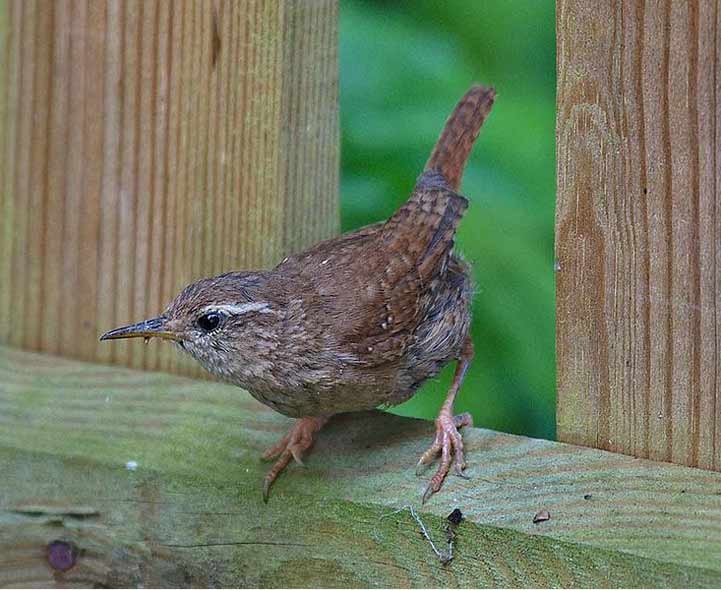
Photograph courtesy of www.discover-europe.blogspot.com/
Very hot summers
Very humid autumns
Very cold winters
Very rainy springs
- Latin Species: Troglodytes troglodytes.
- One of the smallest British birds, our commonest breeding bird (according to the RSPB) and one of our most loved garden creatures.
- Weighs about the same as a £1.00 coin!
- They ceaselessly flit around ridding the garden of insects and spiders.
- Flies very fast and very straight.
- Has a surprisingly loud voice for such a tiny bird.
6 .
What will make a worker bee develop into a fertile queen?
Smothering with royal jelly
Feeding with royal jelly
Hitting with royal jelly
Removing royal jelly
- Order: Hymenoptera.
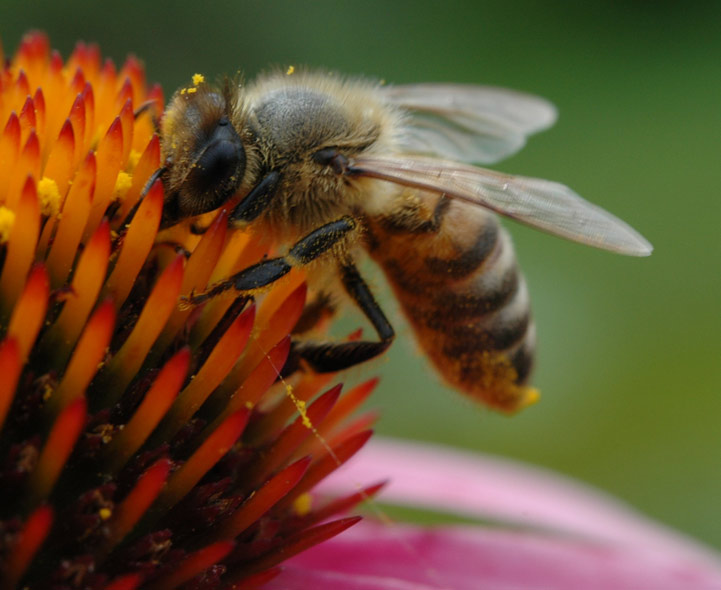
- This picture (click to expand) clearly shows how bees help pollinate plants.
- The bright yellow particles on the bee is pollen.
- Queens control their hive by producing various complex chemicals that 'instruct' the workers what to do.
- The keeping of bees is known as apiculture.
- Both honey bees and bumblebees are in decline and gardeners are urged to do everything possible to protect them.
7 .
Lacewings have a reputation for eating aphids and you can buy them to release in your garden. How much do they cost?
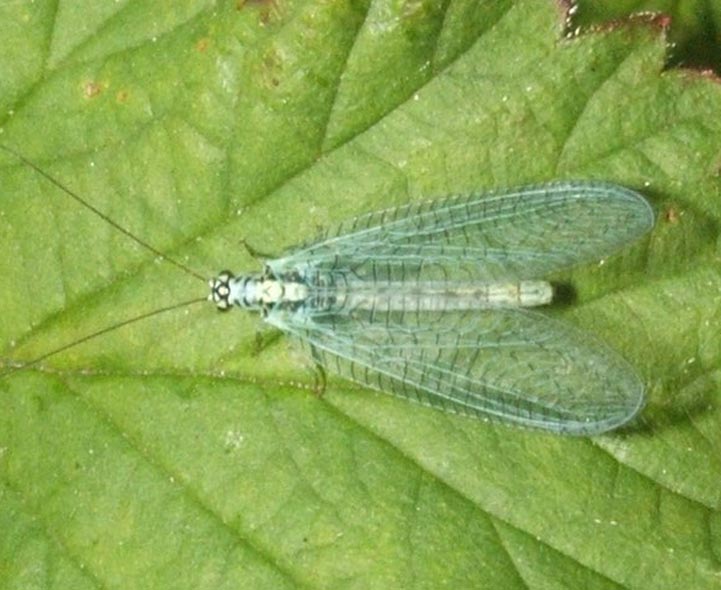
Photograph courtesy of www.geograph.org.uk/profile/22713
About £25.00 per 10
About £25.00 per 100
About £25.00 per 500
About £25.00 per 1,000
- Order: Neuroptera.
- Scientifically termed as 'net-winged insects'.
- The adults usually have bright green bodies, transparent wings and prominent eyes.
- Although they look fragile they have surprisingly strong jaws with which they chew insects.
- Their larvae consume large quantities of aphids and other pests.
8 .
Why was there a concerted effort to eradicate hedgehogs from some Scottish islands?
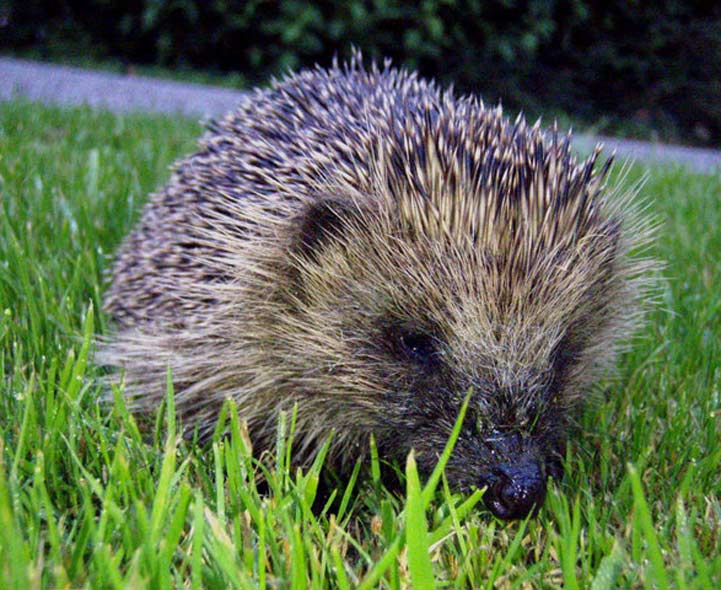
Photograph courtesy of www.geograph.org.uk/profile/7213
People were treading on them
They were eating birds eggs
They encourage fleas
They trample crops
- Family: Erinaceidae.
- Work tirelessly through the night to rid your garden of insects.
- They will also eat frogs, grass roots and berries.
- They are particularly fond of melons!
- If you want to feed them put out tinned cat or dog food and NOT bread and milk because milk might harm them.
- If you have a pond then make sure there is a plank or other object that they can climb on to escape if they accidentally fall in.
Initially they were killed but because of international outrage they are now trapped and released on the mainland
9 .
Which family does the robin belong to?
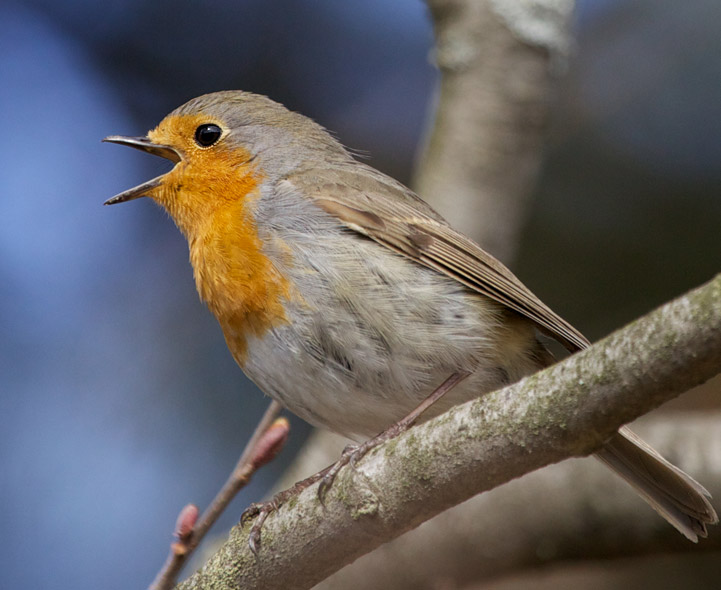
Photograph courtesy of Ernst Vikne
Finches
Thrushes
Tits
Pipits
- Latin Name: Erithacus rubecula.
- Constantly gathering and eating harmful insects from the garden.
- On moonlit nights they can sometimes be found working overtime!
- Very territorial so you are unlikely to see more than one in your garden.
- Friendly creatures that like to be close at hand when soil is being turned over.
- Can become tame enough to eat out of your hand.
10 .
What percentage of drone wasps survive the winter?
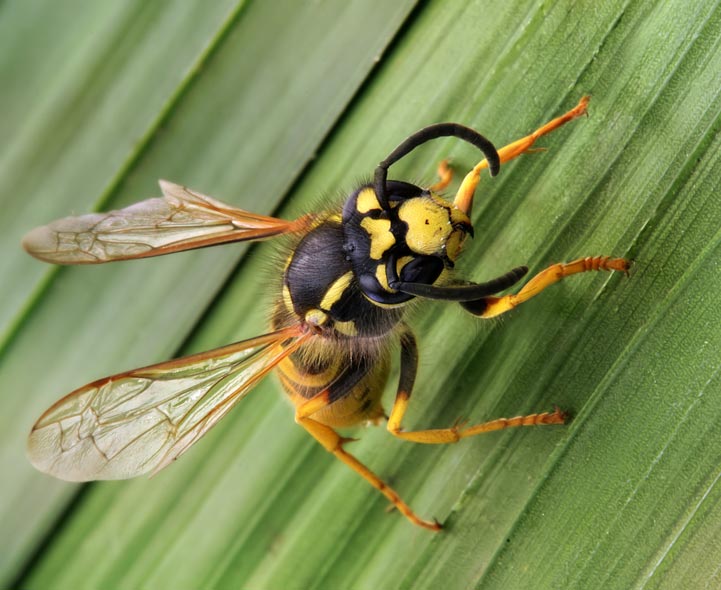
Zero
Between 1% and 5%
Between 6% and 50%
Over 50%
- Order: Hymenoptera.
- Wasps pollinate flowers in the same way that bees do and they are equally valuable for this.
- Queens emerge from hibernation in the spring and build nests in underground holes, trees and wall cavities.
- During the early summer wasps collect many insects to feed to their larvae.
- They rarely sting unless they are frightened - don't flap your arms around!
Drones are not produced until late in the summer. They mate with virgin queens and then die before the onset of winter.



**Unlimited Quizzes Await You! 🚀**
Hey there, quiz champ! 🌟 You've already tackled today's free questions.
Ready for more?
Ready for more?
🔓 Unlock UNLIMITED Quizzes and challenge yourself every day. But that's
not all...
not all...
🔥 As a Subscriber you can join our thrilling "Daily Streak" against other
quizzers. Try to win a coveted spot on our Hall of Fame Page.
quizzers. Try to win a coveted spot on our Hall of Fame Page.
Don't miss out! Join us now and keep the fun rolling. 🎉
**Unlimited Quizzes Await You! 🚀**
Hey there, quiz champ! 🌟 You've already tackled today's free questions. Ready for more?
🔓 Unlock UNLIMITED Quizzes and challenge yourself every day. But that's not all...
🔥 As a Subscriber you can join our thrilling "Daily Streak" against other quizzers. Try to win a coveted spot on our Hall of Fame Page.
Don't miss out! Join us now and keep the fun rolling. 🎉




© Copyright 2016-2026 - Education Quizzes
Work Innovate Ltd - Design | Development |
Marketing
