




Ask the AI Tutor
Need help with Friends and Foes - Pests 1? Ask our AI Tutor!
AI Tutor - Lucy
Connecting with Tutor...
Please wait while we establish connection
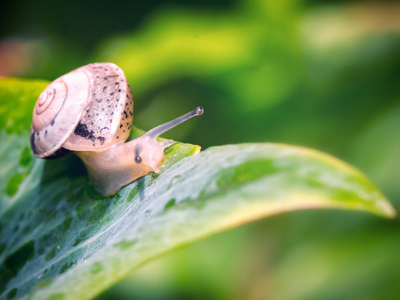
Gardeners have numerous pests to tolerate... or not!
Friends and Foes - Pests 1
Pests can weaken plants fast. This quiz helps you spot common garden pests early, understand the damage they cause, and choose sensible ways to reduce them without harming helpful wildlife.
To see a larger image, click on the picture.
1 .
Rabbits live in what?
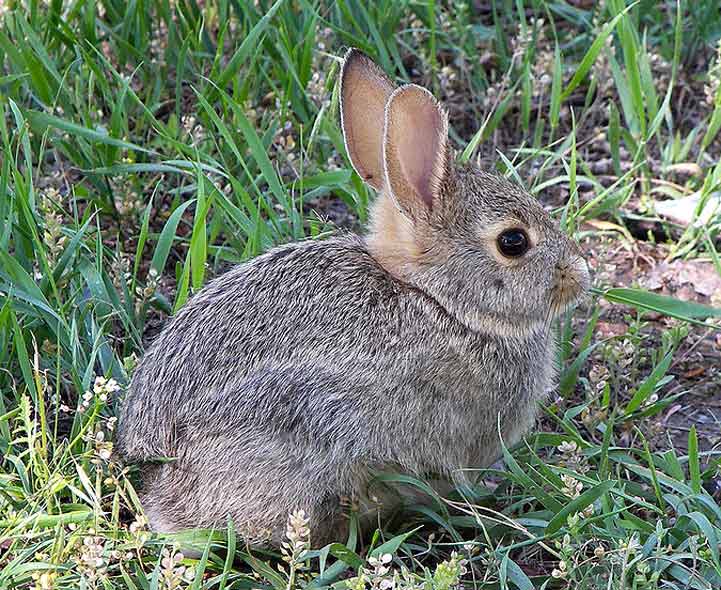
Photograph courtesy of Larry D. Moore
A den
An earth
A form
A warren
- Family: Leporidae.
- Rabbits are most active in the late afternoon and evening.
- They are seldom seen in the heat of the day.
- Rabbits live below ground whilst hares live their entire life above ground.
- Traps can be purchased that do not harm the rabbits.
- Beware - a rabbit can kick strongly with its back legs and is capable of a nasty bite!
Hares live in a form
2 .
What is the name of these creatures that are feeding on a cauliflower stem?
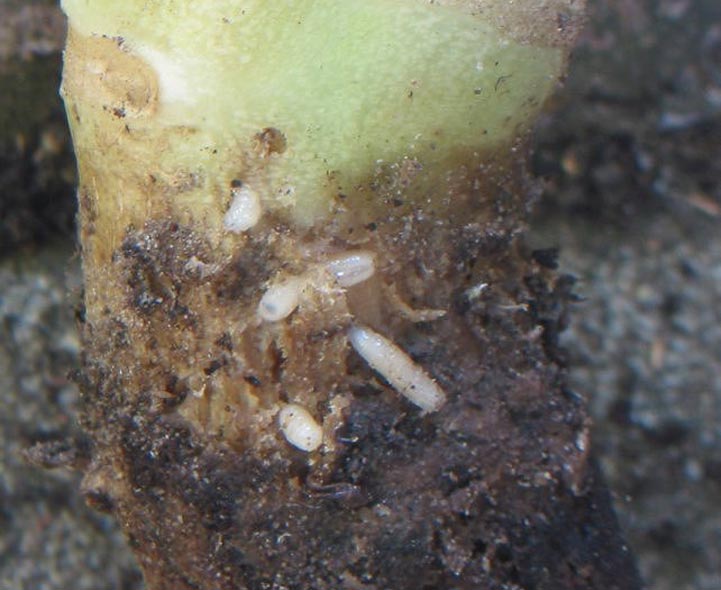
Photograph courtesy of Rasbak
Brassica root fly
Brussel root fly
Cabbage root fly
Cauliflower root fly
- Species: Delia radicum
- Adult flies lay their eggs at the base of all types of brassicas, the eggs hatch out and burrow into the stem beneath the soil surface.
- Affected plants wilt and eventually die.
- To confirm the problem pull up a plant and carefully examine the part of the stem that was underground.
- The only effective way of preventing the problem is to create a barrier of material around the plant that prohibits the adults getting near the stems.
3 .
How many eggs does a Cabbage White butterfly lay?
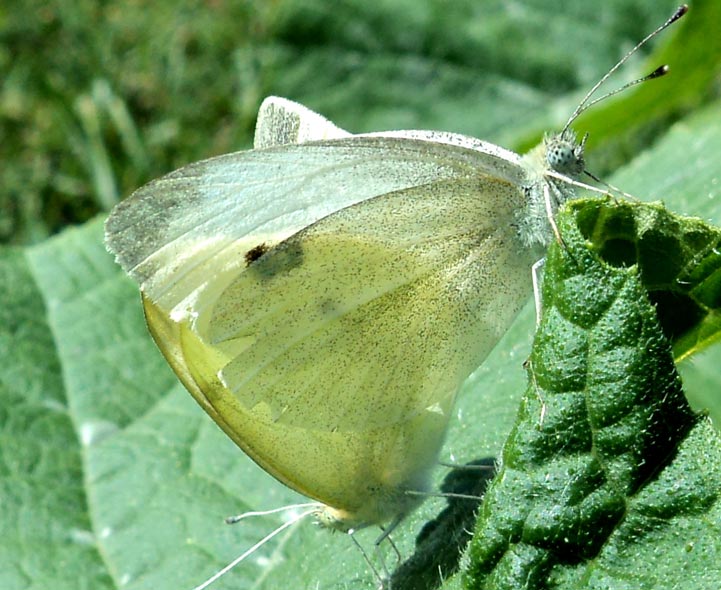
Photograph courtesy of Bekahmommy
Up to 20
20 to 100
100 to 1,000
Over 1,000
- The Large White butterfly is the species most often seen on brassicas but the Small White is also partial to laying eggs on your carefully tended cabbages and cauliflowers!
- Females have two black spots on the top of each wing - the male has no spots.
- The adults cause no harm to plants at all but the caterpillars can be devastating.
- Chemical control is possible. Alternatively pick off the caterpillars and lay them on a path for the birds!
4 .
One of the most effective ways to control glasshouse whitefly is to buy parasitic wasps by mail order. What is the name of these wasps?
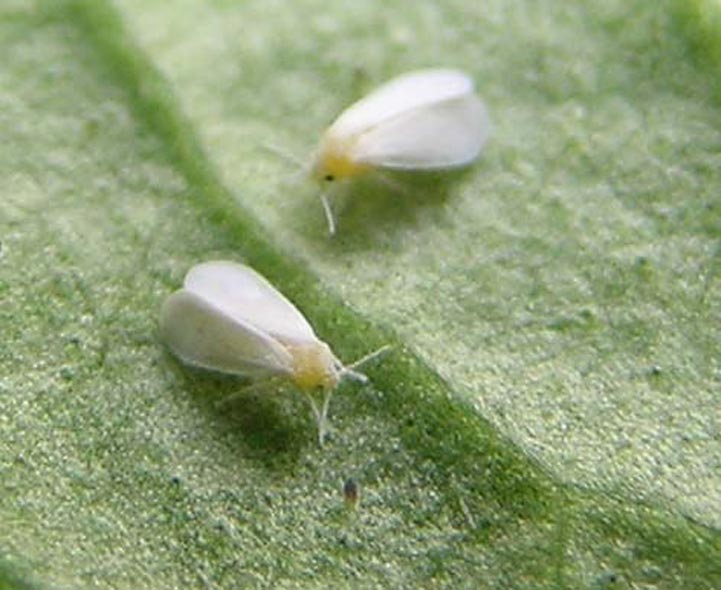
Aphidius colemani
Encarsia formosa
Ichneumonid wasps
Phytoseiulus persimilis
- Family: Aleyrodidae
- It is estimated that globally the damage from whiteflies costs hundreds of millions of dollars each year.
- The pest usually feeds on the undersides of leaves.
- In the UK it is most often found in glasshouses.
- It secretes a sticky substance known as honeydew which harbours sooty moulds.
- Has built up a resistance to many of the insecticides used by professional growers.
Aphidius is sometimes used as a biological control of aphids, Ichneumonid wasps against caterpillars and Phytoseiulus against spider mites.
5 .
What is unusual about the hand of a mole?
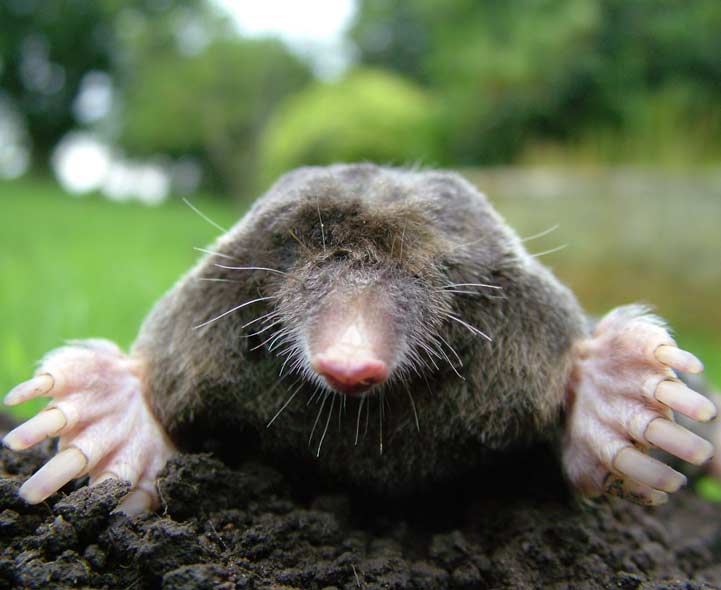
Photograph courtesy of Michael David Hill
It has 2 fingers
It has 6 fingers
It has 8 fingers
It has 2 thumbs
- Family: Talpoidae.
- He may look cute but your opinion of him will change if he suddenly appears in your lawn!
- Contrary to popular opinion, moles do NOT eat plant roots.
- Their diet consists largely of worms which they store in underground 'larders' by paralysing them with a toxin in their saliva.
- Many methods are used to try and scare moles away but humane trapping is the usual long-term solution.
A thumb is distinguished from fingers by the fact that it has only one joint.
6 .
What is the Latin name for the domestic cat?
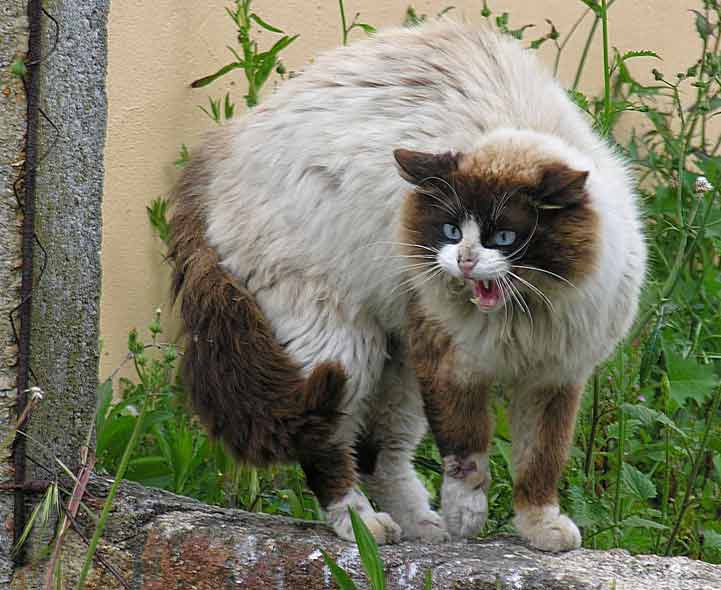
Felis catus
Felis fe
Felis felis
Felis Felisitous
- A group of cats is called a 'clowder'.
- A male cat is called a 'tom'.
- A female cat is called a 'molly' or 'queen'.
- Any cat can make a nuisance of itself by digging holes and leaving poo in your garden.
- They are an even bigger problem if you have a fishpond!
- There are many proprietary products for repelling cats.
- A direct hit with a modern, forceful water pistol will deter them for quite a while!
7 .
What is the name of this pest?
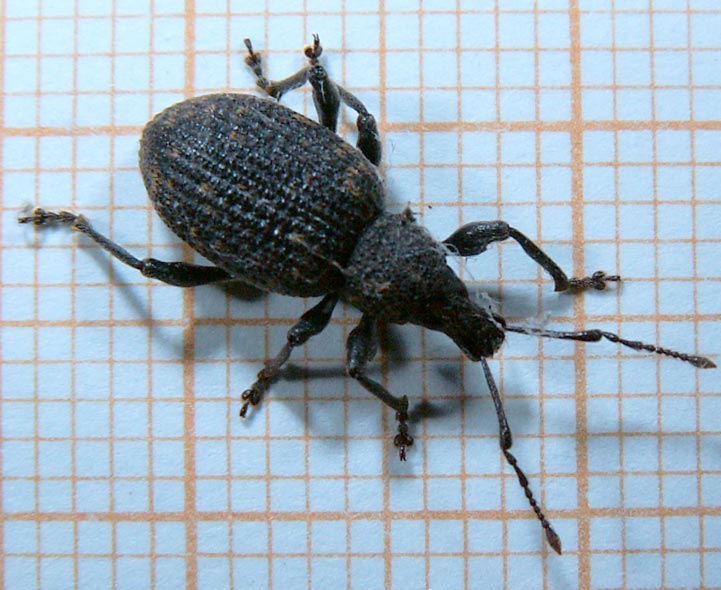
Photograph courtesy of Opuntia
Black vine weevil
Spotted vine weevil
Black vine beetle
Spotted vine beetle
- Species: Otiorhynchus sulcatus.
- The adults of this beetle-like creature feed on leaves (usually at night) resulting in leaves with bite marks around the edges.
- The grubs are equally troublesome and live underground eating away at the roots of the host plant.
- They are a particular problem in houseplants and hanging baskets grown in a peat-based compost.
- Chemical controls are available.
- Do everything possible to encourage insect eating birds.
8 .
By what name is the Wood Pigeon sometimes known in the southeast of England?
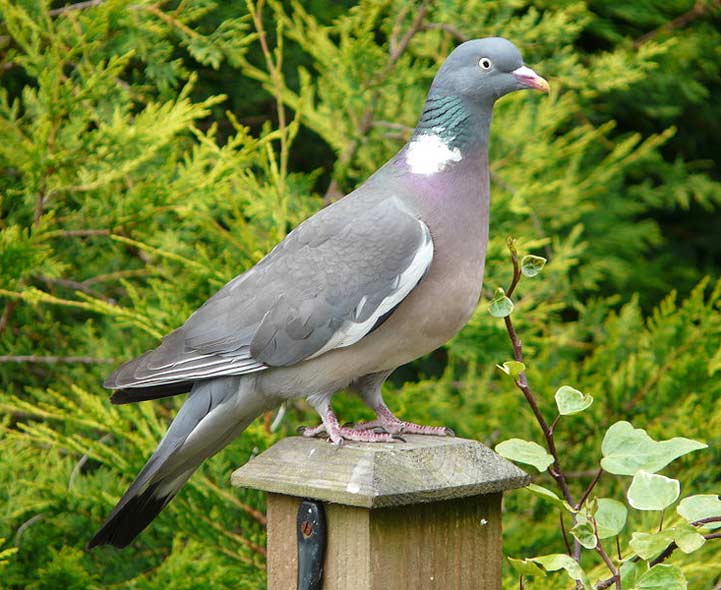
Photograph courtesy of Tristan Ferne
Culver
Dulver
Gulver
Hulver
- Species: Columba palumbus.
- Populations have increased considerably and now it is one of the most common visitors to garden birdtables.
- Eggs hatch after 17 to 19 days and young birds can leave the nest in as little as 20 days after that.
- Can be extremely damaging to garden crops of brassicas, especially in severe winter weather.
- A row of peas can disappear in minutes!
- Shiny objects manage to keep some birds away but a wire or net cage is the only guaranteed solution.
9 .
Which type of insect 'farms' aphids for the honeydew they excrete?
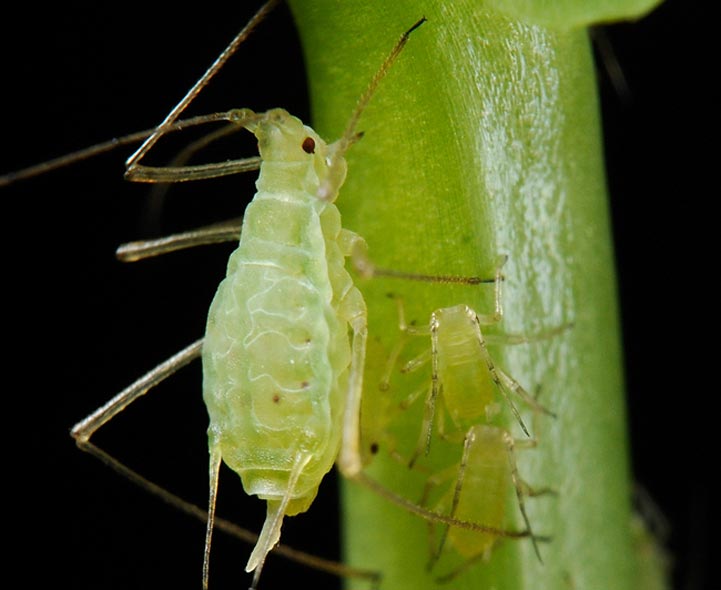
Photograph courtesy of Shipher Wu and Gee-way Lin
Ants
Crickets
Ladybirds
Wasps
- Family: Aphididae.
- Aphids are sap-sucking insects that range in size from 1/16 to 1/4 inch (approx 2 to 6 millimetres) long.
- They are also harmful because they transmit viruses.
- They can be black, green, yellow, pink or mottled!
- There are more than 500 species in Britain.
- When populations build up rapidly in the summer the only effective control is proprietary chemicals.
10 .
Which of the following vegetables is well-known for encouraging huge populations of blackfly?
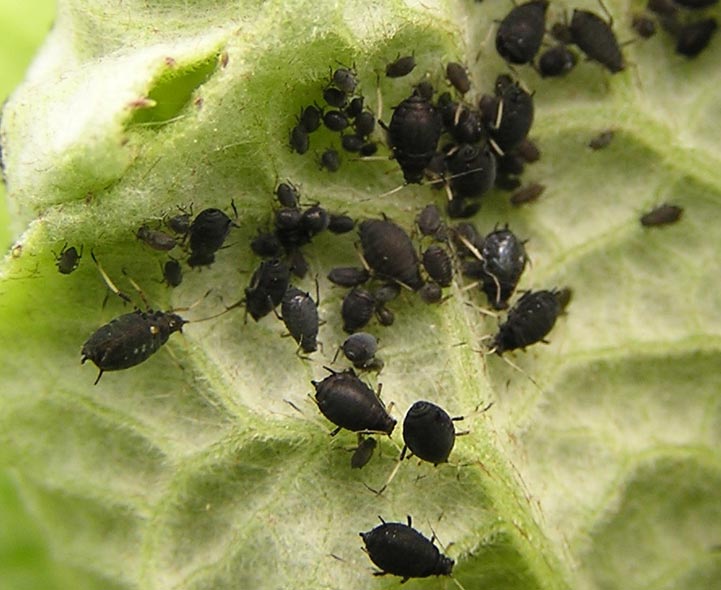
Photograph courtesy of Michael Becker
Asparagus
Broad beans
Carrots
Peas
- There are several different species - all are black!
- They can become so numerous that the stems of affected plants look completely black.
- Populations can double every week.
- Gardens often provide the shady, wind-free situations that suit them best.
- Chemical controls are available but it is often considered better to exclude the pest from vulnerable plants by covering with an insect-proof mesh.



**Unlimited Quizzes Await You! 🚀**
Hey there, quiz champ! 🌟 You've already tackled today's free questions.
Ready for more?
Ready for more?
🔓 Unlock UNLIMITED Quizzes and challenge yourself every day. But that's
not all...
not all...
🔥 As a Subscriber you can join our thrilling "Daily Streak" against other
quizzers. Try to win a coveted spot on our Hall of Fame Page.
quizzers. Try to win a coveted spot on our Hall of Fame Page.
Don't miss out! Join us now and keep the fun rolling. 🎉
**Unlimited Quizzes Await You! 🚀**
Hey there, quiz champ! 🌟 You've already tackled today's free questions. Ready for more?
🔓 Unlock UNLIMITED Quizzes and challenge yourself every day. But that's not all...
🔥 As a Subscriber you can join our thrilling "Daily Streak" against other quizzers. Try to win a coveted spot on our Hall of Fame Page.
Don't miss out! Join us now and keep the fun rolling. 🎉




© Copyright 2016-2026 - Education Quizzes
Work Innovate Ltd - Design | Development |
Marketing
