




Ask the AI Tutor
Need help with Friends and Foes - Pests 2? Ask our AI Tutor!
AI Tutor - Lucy
Connecting with Tutor...
Please wait while we establish connection

What can you do remove pests from the garden?
Friends and Foes - Pests 2
Tiny pests can cause big problems. This quiz helps you recognise common garden pests, spot early warning signs, and choose practical ways to protect plants, especially in pots and under cover.
To see a larger image, click on the picture.
1 .
These highly magnified potato roots show an infestation of potato cyst nematode. What is the name most usually given to this pest?
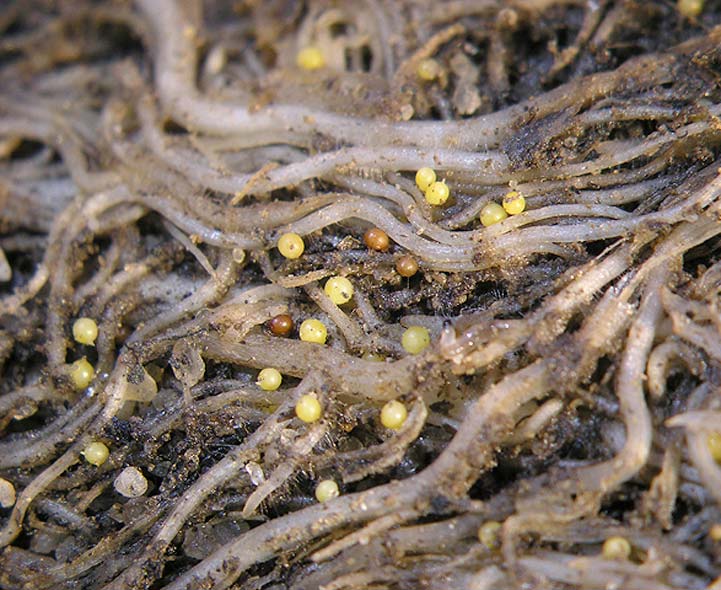
Photograph courtesy of Xiaohong Wang
Potato eelworm
Potato perchworm
Potato pikeworm
Potato tenchworm
- Family: Heteroderidae.
- Although this is a microscopic pest of potatoes it can reduce yields by up to 60%.
- Farmers use chemical control to prevent a build-up of the problem but this is not practical in gardens.
- The best method of control for gardeners is twofold: firstly only use seed from reliable sources and secondly leave at least four years between growing potatoes on the same soil.
2 .
This is a capsid bug. How long is its body?
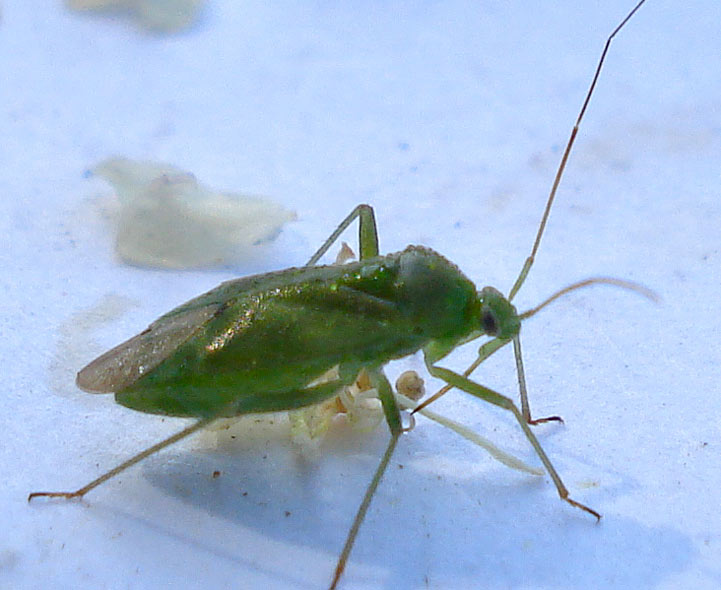
Photograph courtesy of Mick E. Talbot
Between 1mm and 3mm
Between 3mm and 6mm
Between 6mm and 12mm
Between 12mm and 24mm
- Family: Miridae.
- Attacks flower buds on a wide range of plants and is particularly troublesome on apples.
- It also eats and distorts the foliage of plants, making them look tattered.
- Vegetables are sometimes attacked but they recover quickly without any sign of lasting damage.
- The only effective control is by chemicals.
3 .
This beetle is less than 1cm long but it can cause great damage. What is its name?
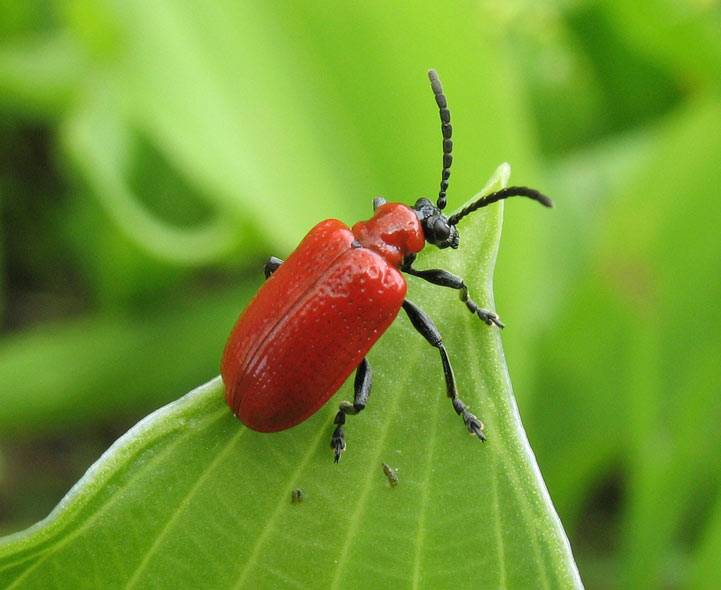
Photograph courtesy of Giles Gonthier
Lily beetle
Myosotis beetle
Nerine beetle
Onion beetle
- Latin Name: Lilioceris lili.
- Adult beetles are seldom more than 10mm long and larvae start at only 1mm long.
- Both adults and larvae eat their host plant so voraciously that they can quickly ruin the plant.
- Not seen in the UK until 1939 but is now widespread throughout England.
- The pest should be picked off the plant and destroyed as soon as it is seen. Chemical control is necessary when an infestation occurs.
4 .
What is the name of this tiny pest that can sometimes be seen in swarms on germinating seedling trays?
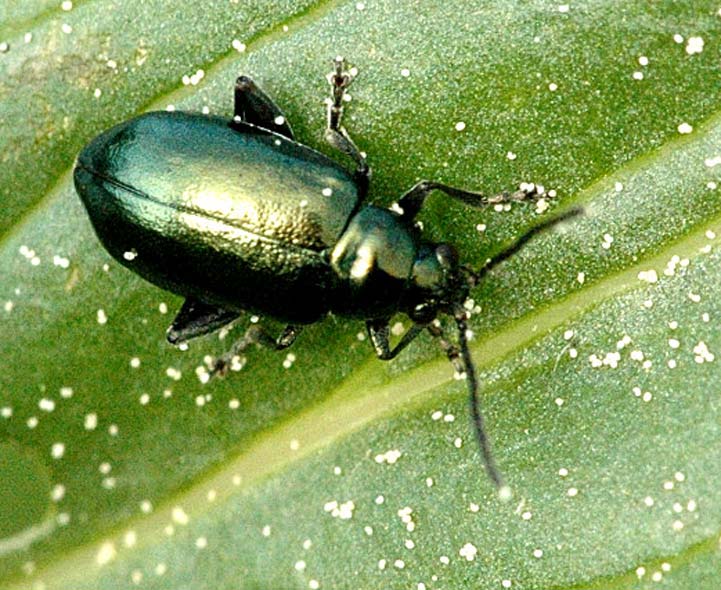
Photograph courtesy of James L Lindsey
Flea beetle
Flea fly
Flea miner
Flea mite
- Family: Chrysomelidae.
- The pest gets its name from its habit of springing into the air in the same way that a flea does.
- If you move your hand above an infected bed of seedlings the creatures will keep jumping up and hitting it.
- Chemical treatment is possible but on a small scale cover a piece of card with grease and move it backwards and forwards over the seedlings in order to catch the flies.
5 .
Where are you most likely to see mealybugs?
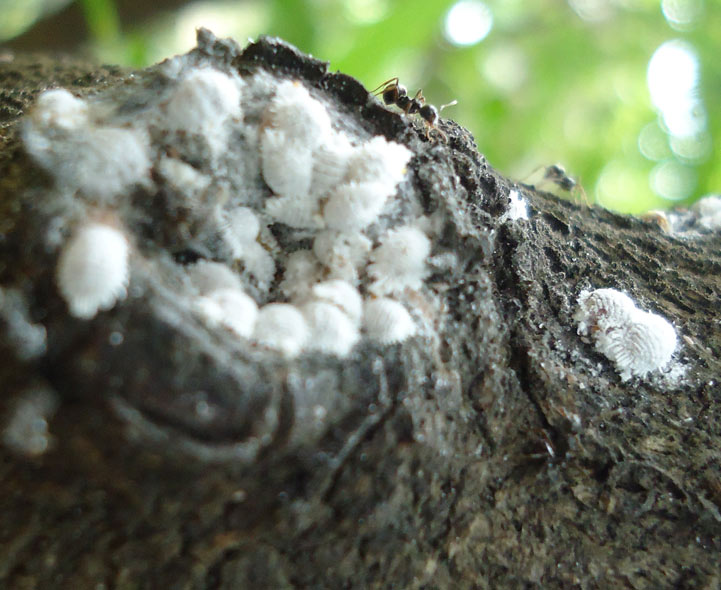
Photograph courtesy of Obsidian Sou
On greenhouse plants
On onions
On potatoes
In the Soil
- Family: Pseudococcidae.
- These creatures are like an unarmoured scale insect and they inflict similar damage on plants.
- They secrete a white waxy substance that protects them whilst they are sucking the plant's sap.
- Biological control methods are available by mail order.
- Organic pesticides can also be used and these are usually preferable to inorganic compounds.
Mealybugs need warm, humid conditions in which to live
6 .
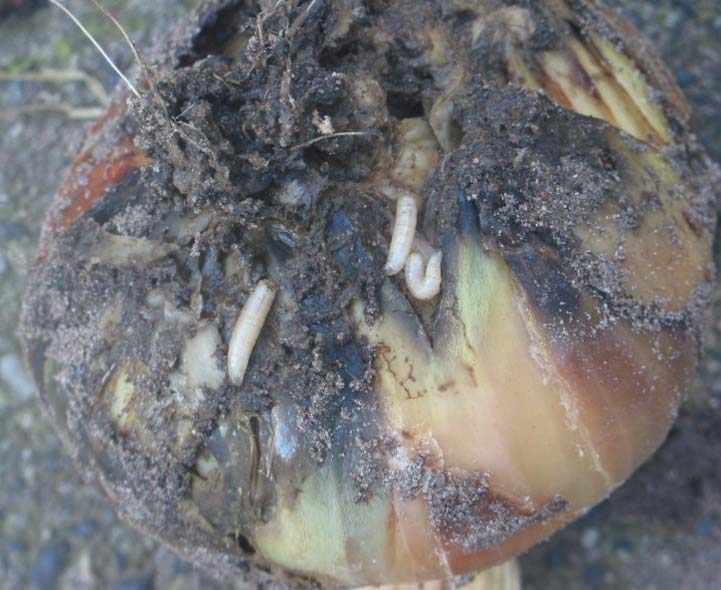
This onion has been attacked by the larvae of the onion fly which looks similar to what other type of fly?
Blow-fly
Caddisfly
Fruit fly
House fly
- Family: Anthomyiidae.
- Attacks not only bulb onions but also leeks, shallots and garlic.
- Adult flies start to emerge from pupae in the soil during May and there can be several successive generations in the same growing season.
- Eggs are laid on or near onions and as soon as the young maggots hatch they start to feed on the plants.
- To ensure that the problem does not get out of hand you should keep weeds down, remove infected plants and practise good crop rotation.
7 .
Which pest causes damage to apples such as this?
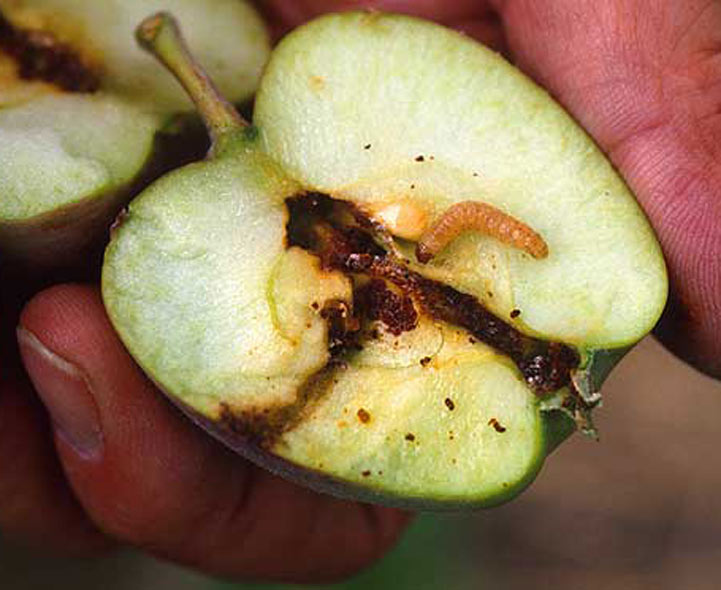
Codling moth
Ghost moth
Goat moth
Leopard moth
- Family: Tortricidae.
- By the time the damage is seen it is far too late to do anything about it!
- Adult moths lay eggs on or near the developing apples in late May and June.
- When the eggs hatch they bore into the fruit and feed around the core.
- Control can be effected by spraying the fruits a couple of times in June and July.
All of these moths can be found in the U.K. but it is the codling moth that causes so much damage in apple orchards
8 .
What is the name of this prehistoric looking insect?
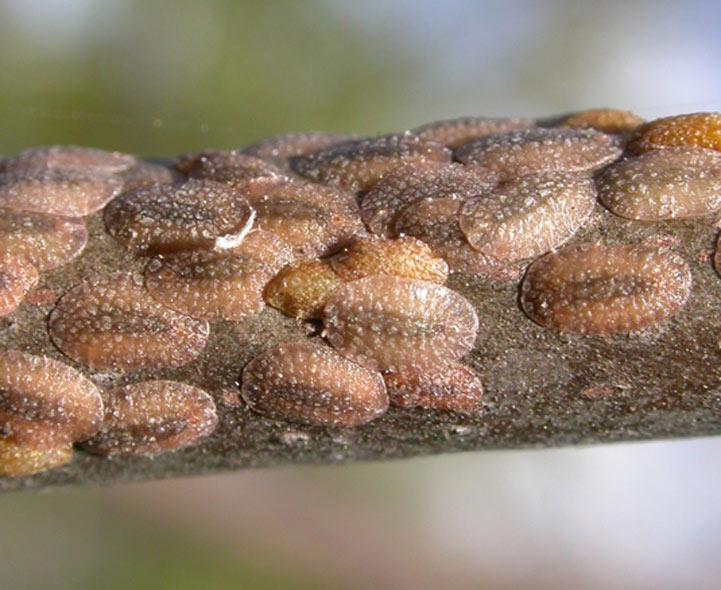
Photograph courtesy of www.flickr.com/photos/sanmartin/
Skin insect
Sheet insect
Shell insect
Scale insect
- Superfamily: Coccoidea
- These tiny creatures stick to the leaves and stems of plants like limpets.
- They feed on the sap of plants and thereby deplete the plant's energy and reduce its ability to grow.
- Attacks a wide range of plants including those in the house and greenhouse.
- Remove with your thumbnail or use a soapy solution to wash them off the leaves.
9 .
Leaf miner damage is caused by the larvae of which type of insect?
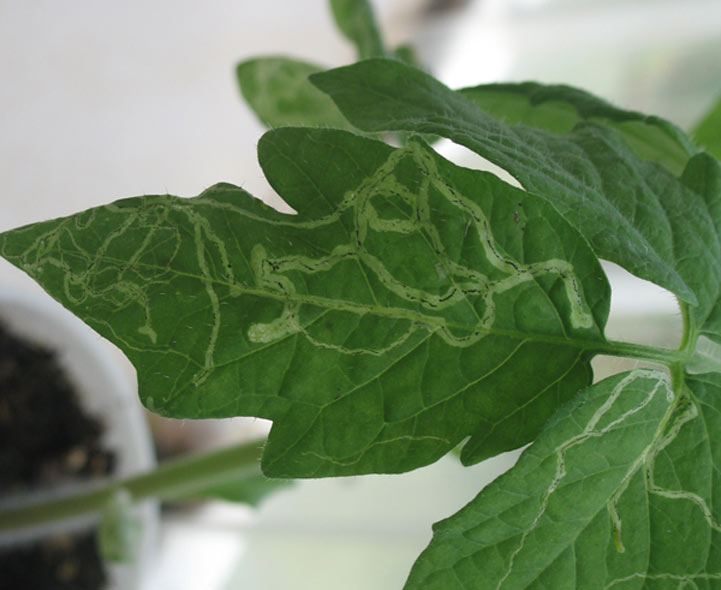
Beetle
Butterfly
Moth
Wasp
- There are many different species in the UK and each has its own preferred hosts.
- Plants that can be badly affected include apples, azaleas, leeks, roses and tomatoes.
- The horse-chestnut leaf miner can be devastating even to majestic, well-established trees.
- There are no effective chemical controls available to the gardener so ensure that any infected leaves are removed and destroyed.
10 .
The habits of the larvae of this pest result in 'maggoty' peas. What is its name?
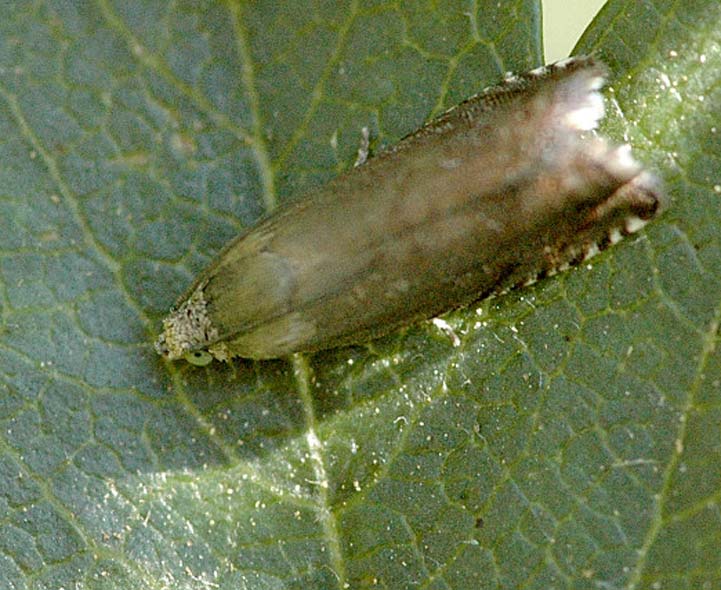
Photograph courtesy of James L Lindsey
Aphid
Pea midge
Pea moth
Whitefly
- Family: Tortricidae.
- A major pest of peas during May to the end of July.
- Eggs are laid virtually anywhere on a pea plant and when the caterpillars hatch they bore into the pea pods, eat their fill and ultimately bore their way back out again.
- There can be many larvae in a single pod.
- If you know that your garden location is susceptible to attack then consider covering the growing plants with fleece to prevent the adults getting to them.
Pea midge is also a problem but it attacks the growing tips of plants and does not result in peas infested with maggots



**Unlimited Quizzes Await You! 🚀**
Hey there, quiz champ! 🌟 You've already tackled today's free questions.
Ready for more?
Ready for more?
🔓 Unlock UNLIMITED Quizzes and challenge yourself every day. But that's
not all...
not all...
🔥 As a Subscriber you can join our thrilling "Daily Streak" against other
quizzers. Try to win a coveted spot on our Hall of Fame Page.
quizzers. Try to win a coveted spot on our Hall of Fame Page.
Don't miss out! Join us now and keep the fun rolling. 🎉
**Unlimited Quizzes Await You! 🚀**
Hey there, quiz champ! 🌟 You've already tackled today's free questions. Ready for more?
🔓 Unlock UNLIMITED Quizzes and challenge yourself every day. But that's not all...
🔥 As a Subscriber you can join our thrilling "Daily Streak" against other quizzers. Try to win a coveted spot on our Hall of Fame Page.
Don't miss out! Join us now and keep the fun rolling. 🎉




© Copyright 2016-2026 - Education Quizzes
Work Innovate Ltd - Design | Development |
Marketing
