




Ask the AI Tutor
Need help with Friends and Foes - Physiological Disorders? Ask our AI Tutor!
AI Tutor - Lucy
Connecting with Tutor...
Please wait while we establish connection
Improve your knowledge of plants in this quiz.
Friends and Foes - Physiological Disorders
Not all plant problems are pests or disease. This quiz explores physiological disorders, issues caused by care and conditions, so you can spot symptoms early and fix the cause.
To see a larger image, click on the picture.
1 .
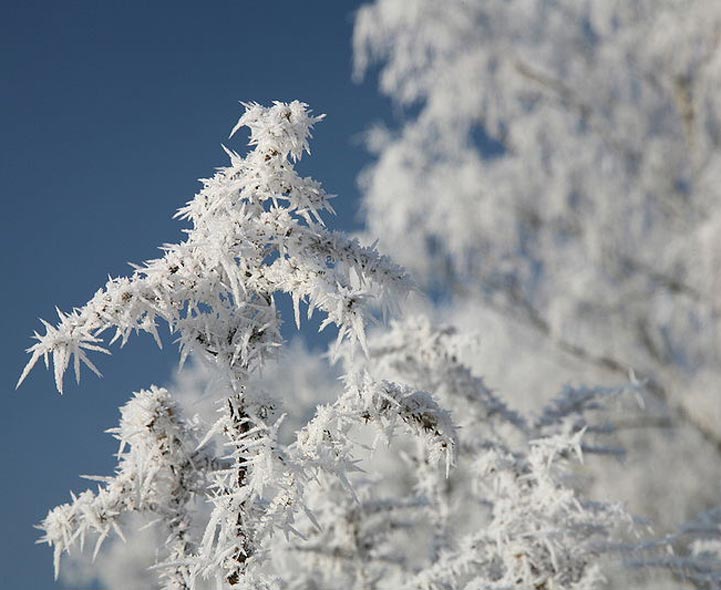
What is another name for hoar frost
Photograph courtesy of Daniel Schwen
Absorption frost
Carbonization frost
Literalization frost
Radiation frost
- At Altnaharra in Sutherland in 1995 the temperature went down to the lowest ever recorded in the UK (minus 27.2oC).
- The foliage of plants damaged by frost looks soggy when the plants thaw out and it then turns dark green or black.
- Different plants will tolerate varying degrees of frost.
- Fleece laid over delicate plants offers some protection.
- If possible, make sure that frosted plants thaw out slowly - protect from bright early morning sunshine.
Hoar frost occurs on cold clear nights when ice crystals form on objects that have become colder than the surrounding air.
2 .
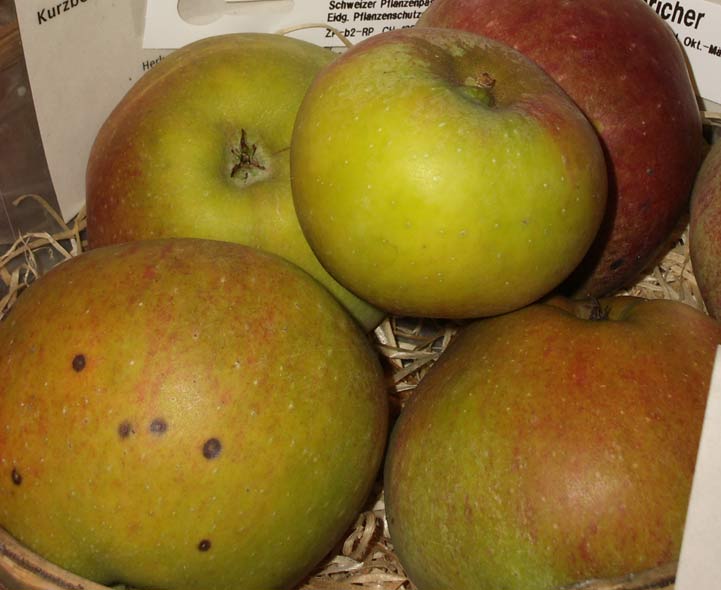
The apple in the bottom left hand corner is showing signs of which problem?
Tart spot
Acid pimple
Sour skin
Bitter pit
- Individual spots can sometimes grow and lead to areas of the apple turning brown.
- Infected areas of fruit taste unpleasant.
- The problem normally develops at or after harvest.
- It is most prevalent following hot, dry summers.
- Caused by lack of calcium in the fruit and if this has been a problem in the past then consider spraying with calcium nitrate in the summer.
3 .
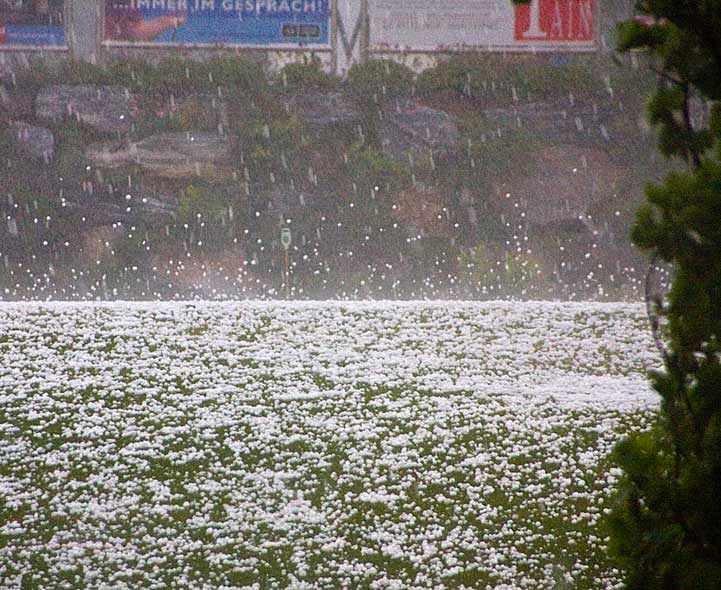
In 1958 (5th September) hailstones fell on Horsham, West Sussex that were the size of what?
Photograph courtesy of Claus Rebler
Marbles
Golf balls
Tennis balls
Footballs
- Hail forms in thunderclouds (cumulonimbi clouds) when conditions are conducive.
- Tiny lumps of ice that often occur in rainstorms are not classified as hail unless they are at least 5mm (0.2 inches) across.
- Hail can cause considerable damage to crops in the UK and on occassions it can even damage property and vehicle paintwork.
- There is little opportunity to protect crops because hailstorms develop quickly and without warning.
4 .
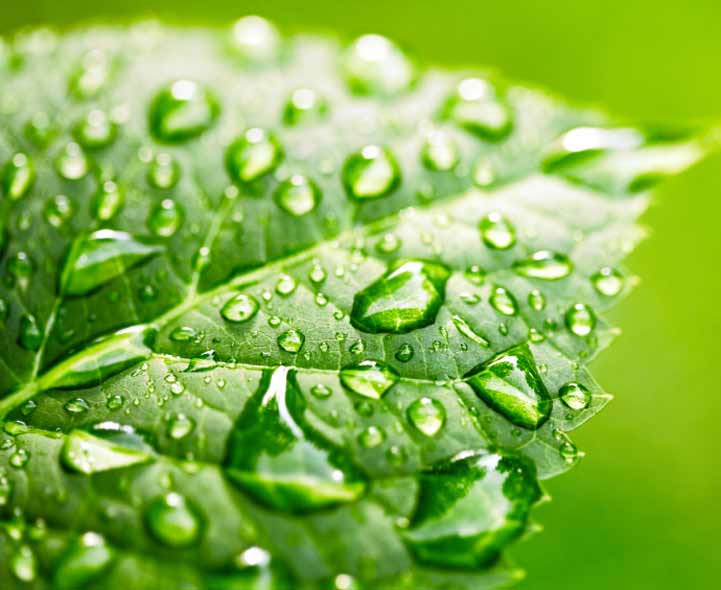
The most rain ever recorded in the UK during a 96 hour period occurred at Seathwaite in Cumbria in November 2009. How much rain fell?
Photograph courtesy of iStockPhotos
Nearly 10cm
Nearly 30cm
Nearly 50cm
Nearly 70cm
- Gentle rain is the lifeblood of the garden but you can have too much of a good thing as the residents of Seathwaite will tell you!
- In the drier eastern parts of the country we get an average of about 75cms of rain per year whilst western regions often get twice this amount.
- Waterlogging can easily kill plant roots so in extreme conditions try to dig trenches to drain water away from your most valuable crops.
49cm of rain fell - about 19 inches
5 .
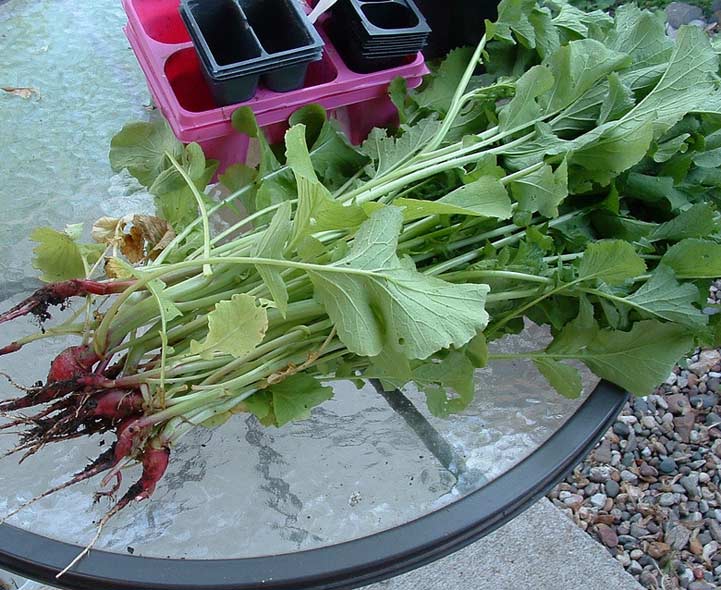
Excessive leaf growth combined with little fruit or root growth is normally associated with an excess of which element?
Photograph courtesy of Aaron Baugher
Nitrogen
Potassium
Phosphorous
Manganese
- These radishes have grown 'too much top and too little bottom' because of an excess of a major nutrient.
- This is not likely to be a long-term problem because the nutrient is washed out of the soil very quickly.
- Sometimes the nutrient is washed out of farmland in large quantities and then causes a problem in river water.
- Care should be taken with artificial fertilizers to ensure that they are not over used.
6 .
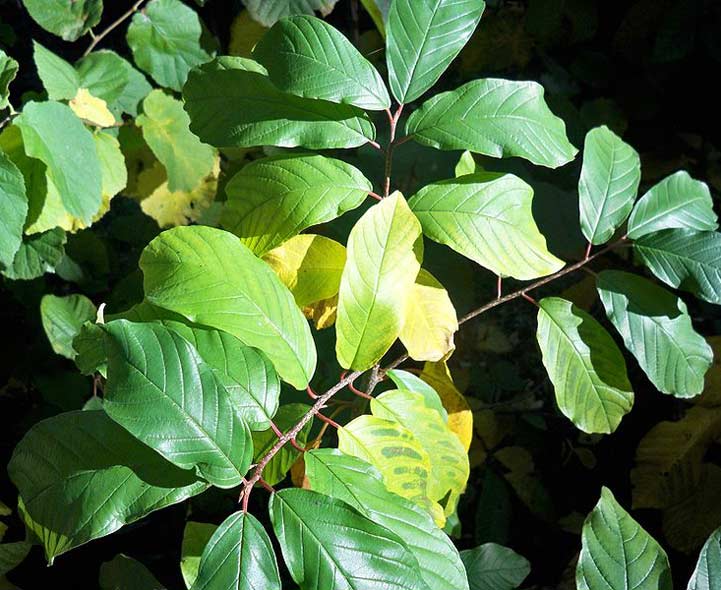
This plant is showing signs of magnesium deficiency. Elements such as magnesium are required by the plant in small doses and are collectively called what?
Photograph courtesy of Karduelis
Miniature Elements
Petite Elements
Tiny Elements
Trace Elements
- Magnesium deficiency has similar symptoms to iron deficiency but with the former the chlorosis is most noticeable on the older leaves.
- In severe cases the foliage might go brown, purple or red.
- Too much potassium in the soil can lead to magnesium deficiency.
- The problem can be remedied by spraying the plants with Epsom salts.
7 .
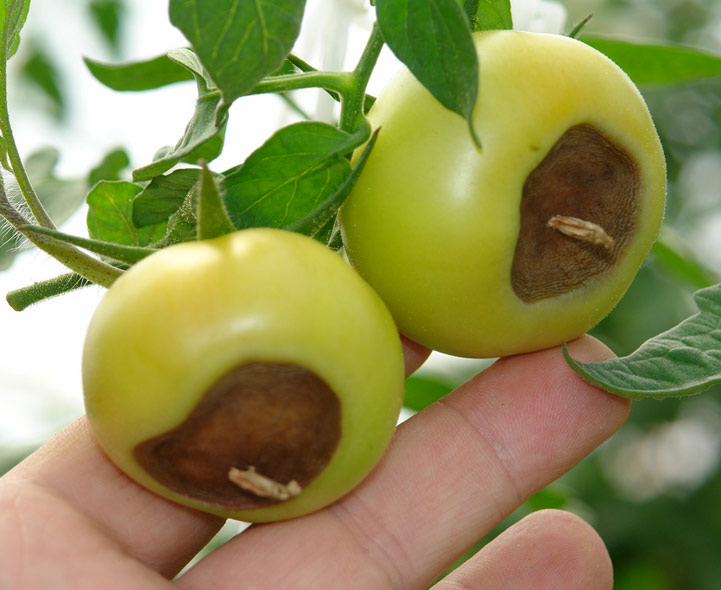
A deficiency of what causes the problem of blossom end rot?
Photograph courtesy of www.flickr.com/photos/scotnelson/
Calcium
Iron
Nitrogen
Potassium
- Damage is most often seen on tomatoes but marrows, melons and peppers can also be affected.
- Often occurs when the plants are under stress because of lack of water.
- Excessive use of nitrogen and potassium fertilizers will exacerbate the problem.
- Occurs more frequently in acid soils and adding lime to the soil (before planting) will often be all that is required to prevent it occurring.
8 .
Plant wilting can be caused by which of the following?
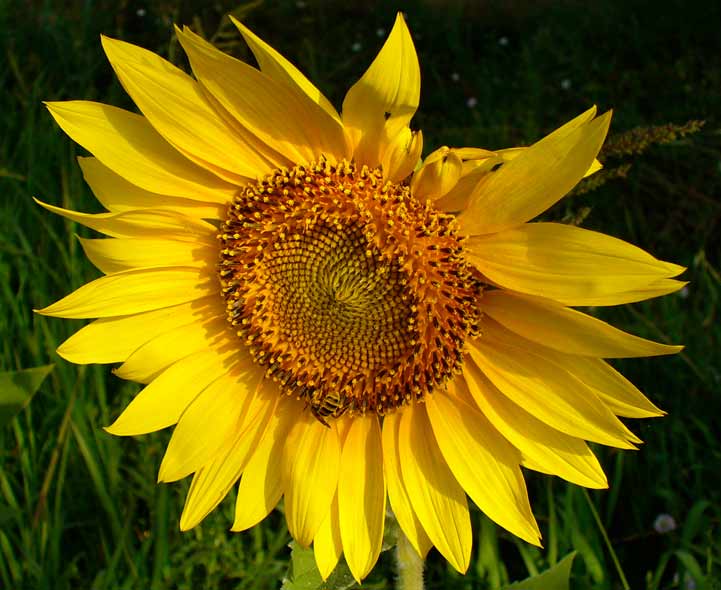
Photograph courtesy of pizzodisevo
Too much water
Too little water
Disease
All of the above
- We want you to know about wilting. You already know how miserable a plant looks when it is wilting so we thought we would show you a happy sunflower instead!
- Wilting occurs when a plant's inner workings cannot keep pace with what is happening around it.
- When a plant is just a little unhappy it will wilt during the hottest part of the day and recover when it gets cooler.
If the roots of a plant are waterlogged its leaves will often wilt in just the same way as they do when the roots are drying out. In order not to make matters worse, ensure that you know why your plants are wilting before you water them!
9 .
This plant is showing signs of nitrogen deficiency. What is the chemical symbol for nitrogen?

N
Nt
Ng
Nn
- Nitrogen is often in limited supply because it tends to be washed through the soil more quickly than other elements.
- Annual replenishment using artificial fertilizer is often required.
- In the case of very fast growing plants like tomatoes and cabbages it is often necessary to provide additional nitrogen at intervals throughout the growing season.
10 .
This plant is showing signs of iron deficiency. What is the name given to leaves that go yellow like this because they are not producing enough chlorophyll?
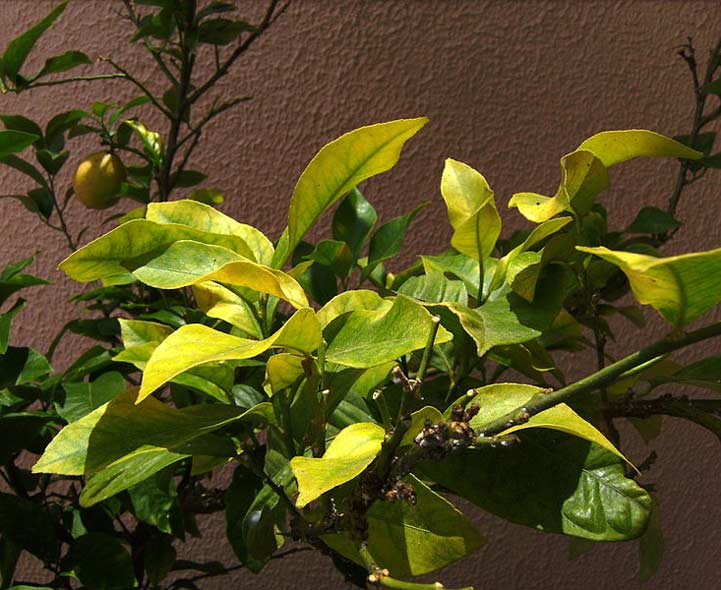
Photograph courtesy of Victor M. Vicente Selvas
Chlosis
Chlorosis
Chlorodisis
Chlorophyllidis
- There are many different reasons why plant foliage goes yellow but iron deficiency produces some of the most striking results.
- The chemical symbol for iron is Fe.
- Within a plant, iron is required in tiny quantities but without it the plant cannot function properly.
- The most common cause of iron deficiency is soils that are too alkaline (above ph 6.5).
- Do not attempt to grow acid loving plants (like azaleas and rhododendrons) if your soil is alkaline.



**Unlimited Quizzes Await You! 🚀**
Hey there, quiz champ! 🌟 You've already tackled today's free questions.
Ready for more?
Ready for more?
🔓 Unlock UNLIMITED Quizzes and challenge yourself every day. But that's
not all...
not all...
🔥 As a Subscriber you can join our thrilling "Daily Streak" against other
quizzers. Try to win a coveted spot on our Hall of Fame Page.
quizzers. Try to win a coveted spot on our Hall of Fame Page.
Don't miss out! Join us now and keep the fun rolling. 🎉
**Unlimited Quizzes Await You! 🚀**
Hey there, quiz champ! 🌟 You've already tackled today's free questions. Ready for more?
🔓 Unlock UNLIMITED Quizzes and challenge yourself every day. But that's not all...
🔥 As a Subscriber you can join our thrilling "Daily Streak" against other quizzers. Try to win a coveted spot on our Hall of Fame Page.
Don't miss out! Join us now and keep the fun rolling. 🎉




© Copyright 2016-2026 - Education Quizzes
Work Innovate Ltd - Design | Development |
Marketing
