




Ask the AI Tutor
Need help with Fruit - Fruits 2? Ask our AI Tutor!
AI Tutor - Lucy
Connecting with Tutor...
Please wait while we establish connection
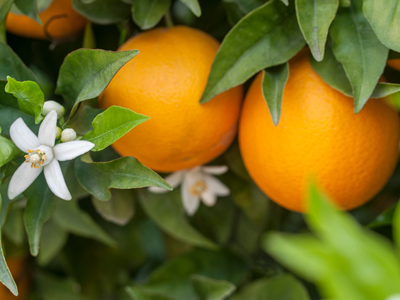
If you're feeling fruity, try this quiz!
Fruit - Fruits 2
Want more fruit and fewer disappointments? This quiz explores fruit growing, from blossom to harvest, and the simple protections that keep plants healthy and productive.
To see a larger image, click on the picture.
1 .
A watermelon contains about 6% sugar by weight. What percentage of water do you think it contains?
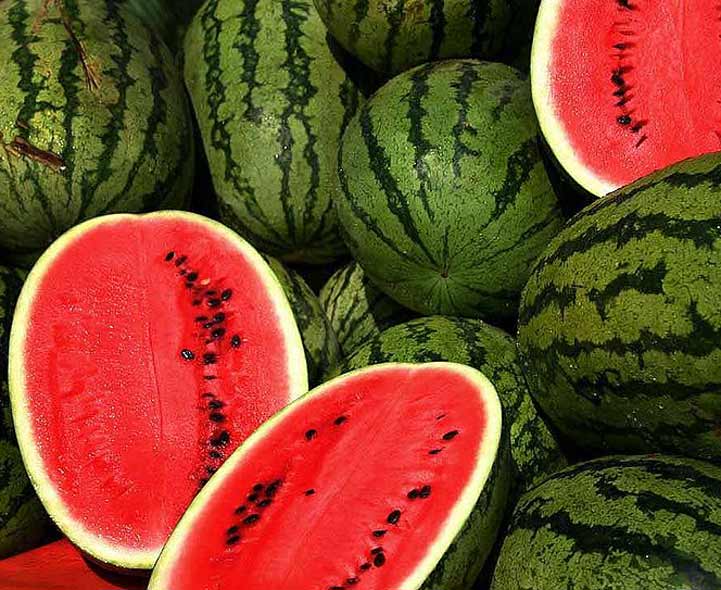
Photograph courtesy of Steve Evans
62%
72%
82%
92%
- Latin family: Cucurbitaceae.
- Most other fruits that are referred to as 'melons' are in the genus Cucumis.
- Although it resembles some other types of melon on the outside, its deep red flesh on the inside is unmistakeable.
- In favourable growing conditions it grows so large that it is often sold in greengrocers in halves or even quarters.
- Reasonably reliable outdoors in UK conditions.
2 .
A tayberry is a cross between a raspberry and what other plant?
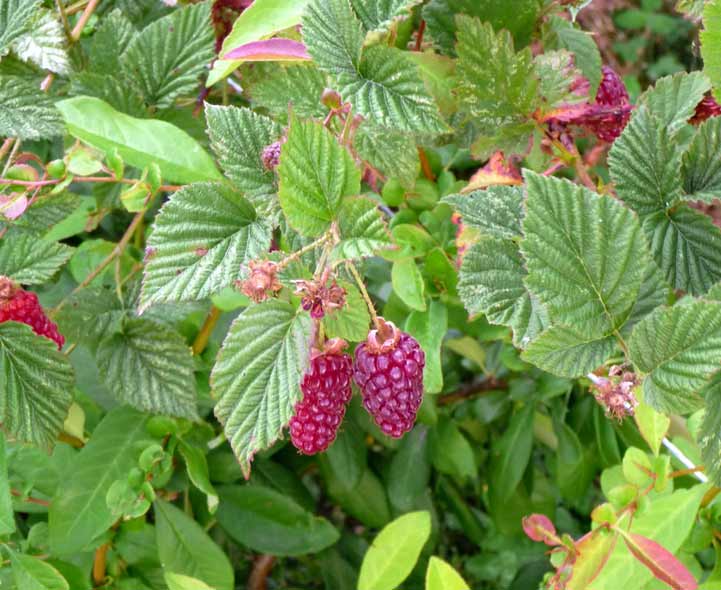
Photograph courtesy of www.flickr.com/photos/bdsworld/
Cranberry
Loganberry
Elderberry
Gooseberry
- Latin Name: Rubus idaeus x fruticosus.
- Developed at the Scottish Crop Research Institute.
- Sweet enough to be eaten raw.
- Often made into jam.
- Unlike raspberries, the tayberry is not easy to 'pluck' from the plant so expect stained fingers and don't wear your best clothes for picking!
- Grows reliably throughout the British Isles but benefits from a modest amount of training with posts and wire.
3 .
Strawberries that produce several crops of fruit in the same season are called what?
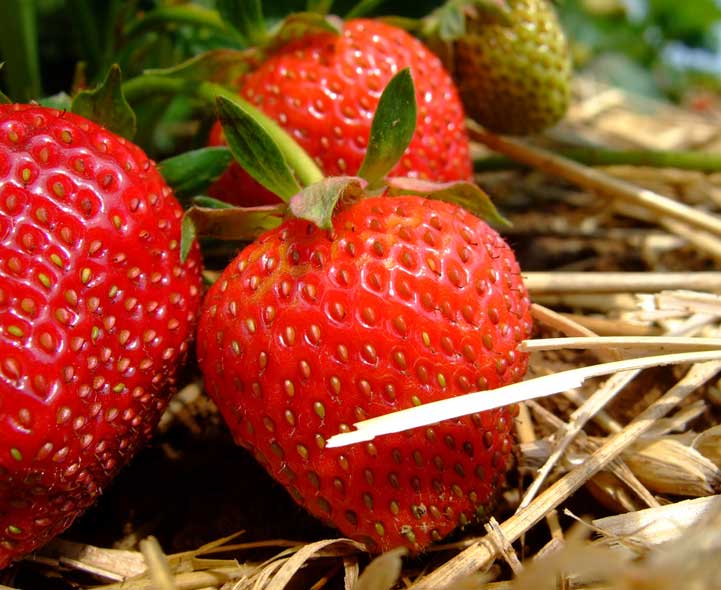
Photograph courtesy of www.flickr.com/photos/marfis75/
Constant-bearing
Ceaseless-bearing
Ever-bearing
Frequent-bearing
- Latin Name: Fragaria x ananassa.
- Strawberries have traditionally been grown directly on soil with straw scattered around the plants to prevent the developing fruit getting damaged by soil splash.
- Nowadays they are often planted through slits in black polythene sheeting.
- Black polythene keeps the fruit clean and also prevents weed growth.
4 .
What is the name of the pest that makes the buds of blackcurrants become distorted with the result that the new leaves do not grow properly?
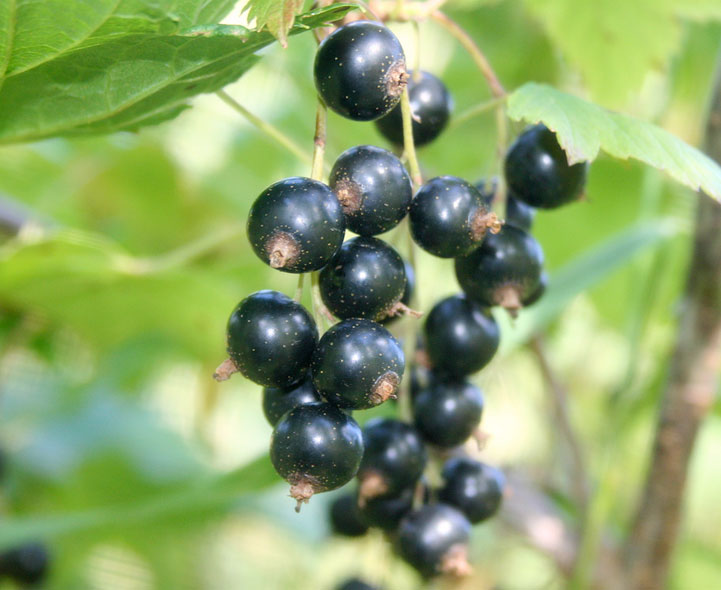
Photograph courtesy of www.flickr.com/photos/karviainen/
Big bud mite
Blackcurrant aphid
Blackcurrant earwig
Blackcurrant parasite
- Latin Name: Ribes nigrum.
- Blackcurrants are very popular in the UK for fruit pies, cordials, jam and flavouring of various confectionery.
- During World War II the British government encouraged the growing of blackcurrants because they were a valuable source of non-imported vitamin C.
- Need moist soil to do well and in drought conditions before fruiting it is necessary to irrigate them.
5 .
What is the name of the popular cooking variety of gooseberry that is resistant to mildew?
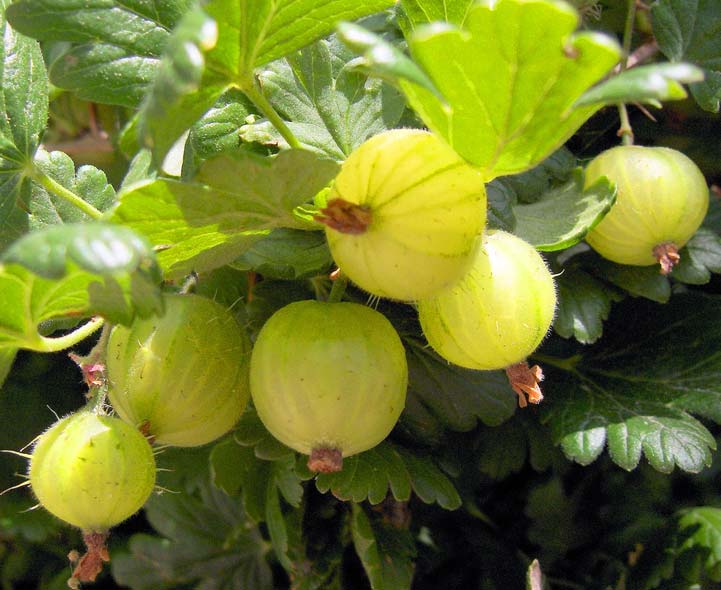
Photograph courtesy of www.flickr.com/photos/foxypar4/
Bullfinch
Chaffinch
Goldfinch
Greenfinch
- Plant Genus: Ribes.
- There are many different varieties, some are sweet enough to be eaten raw without sugar and others are strictly for pies with plenty of sugar!
- Fruit colour can be red, green or golden and the berries are sometimes covered in light hairs.
- To avoid problems with mildew it is essential to keep the centre of the bush open by regular pruning.
- If you are new to growing gooseberries then choose a mildew-resistant variety.
6 .
The study of grapes (usually for winemaking) is called what?
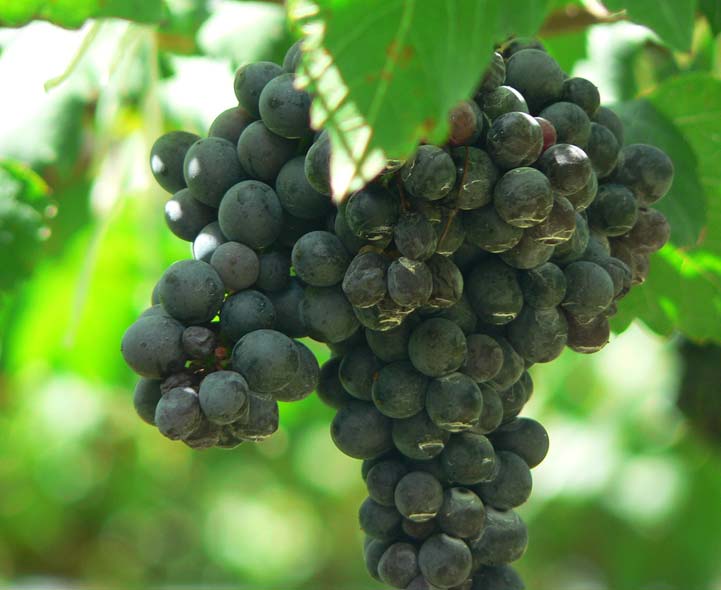
Photograph courtesy of www.flickr.com/photos/chrisada/
Vermeology
Vexillology
Virology
Viticulture
- Plant Genus: Vitis.
- Global warming is providing the opportunity to grow more varieties of grape outside in the UK - particularly in the Midlands.
- Ideally the plant needs to be in full sun but the roots must be kept cool.
- Until about 30 years ago grapes were grown commercially in the UK in greenhouses. Typically the plants were planted outside and then trained through the side of the glasshouse so the vines grew inside.
Vermeology = study of worms, Vexillology = study of flags, Virology = study of viruses
7 .
As of October 2011 the record weight for a single tomato was how much?
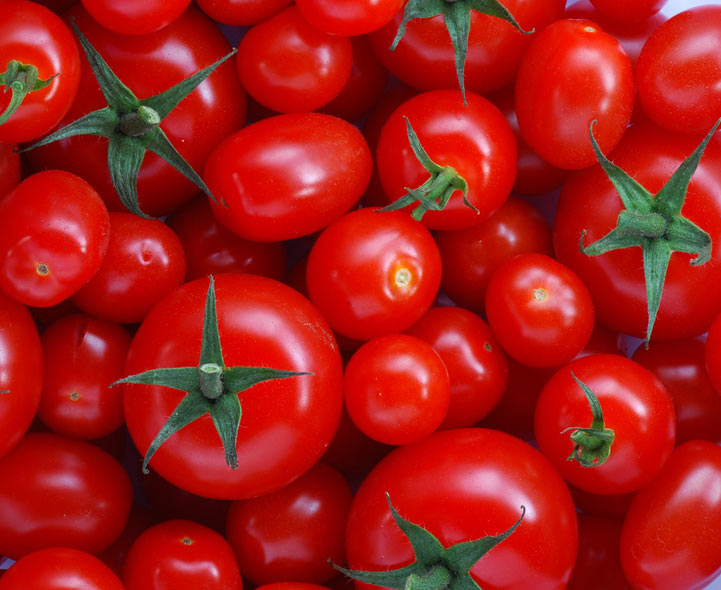
Photograph courtesy of www.flickr.com/photos/the_ewan/
Approx. 1.5 kilo
Approx. 2.5 kilo
Approx. 3.5 kilo
Approx. 4.5 kilo
- Latin Name: Solanum lycopersicum.
- Technically the tomato is a fruit but more often than not it is considered as a vegetable.
- The plants usually have a weak stem and crawl across the ground, so to prevent the fruit being damaged they are normally kept upright by some form of stakes and strings.
- Many different varieties are available for both indoor and outdoor production in the UK.
The record was set by Gordon Graham of Edmond, Oklahoma using the cultivar known as 'Delicious'
8 .
What type of fruit blossom is this?
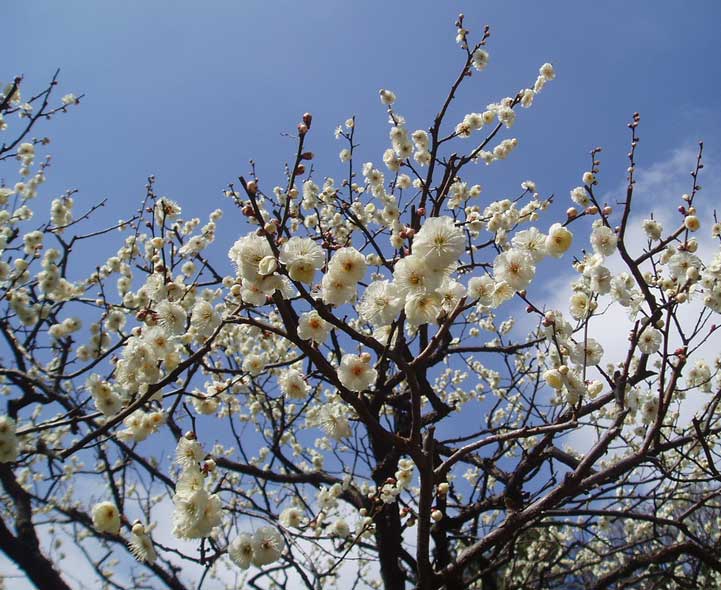
Photograph courtesy of Steve Cadman
Peach
Pear
Plum
Pomegranate
- A member of the Prunus genus.
- The blossom comes out early and is therefore very susceptible to late spring frosts.
- If the weather is too dry the developing fruit will drop from the tree before it matures.
- If the weather is too wet the fruit may be spoiled by 'brown rot'.
- When the weather conditions are good no garden should be without them!
9 .
What type of fruit is this?
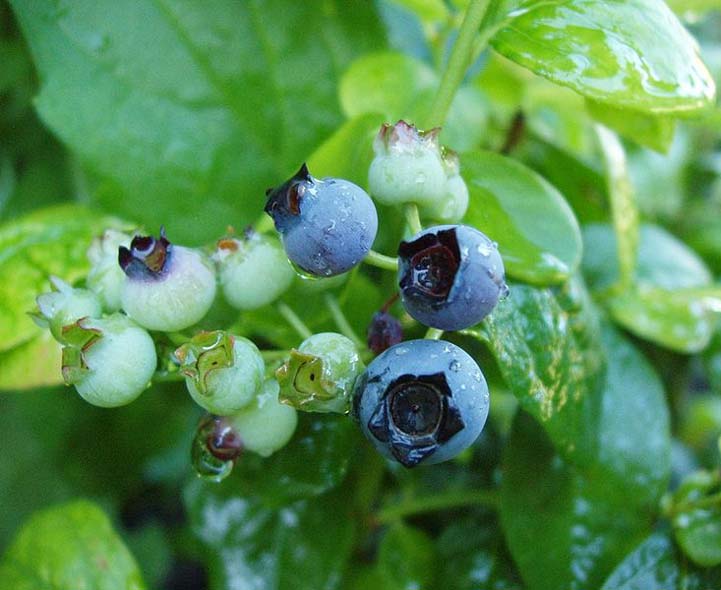
Blackberry
Blackcurrant
Blueberry
Bluecurrant
- Genus: Vaccinium.
- Close relative of cranberries and bilberries.
- The fruit has been popular in America for a long time and is now becoming a firm favourite in the UK as well.
- To grow well the plants require moist, free draining soil that is acid. They grow poorly on alkaline soils.
- Use sulfate of ammonia fertilizer to maintain acidity.
- Fruit does not store well but good varieties will crop over a two month period.
10 .
Peaches frequently suffer with a leaf disease called what?
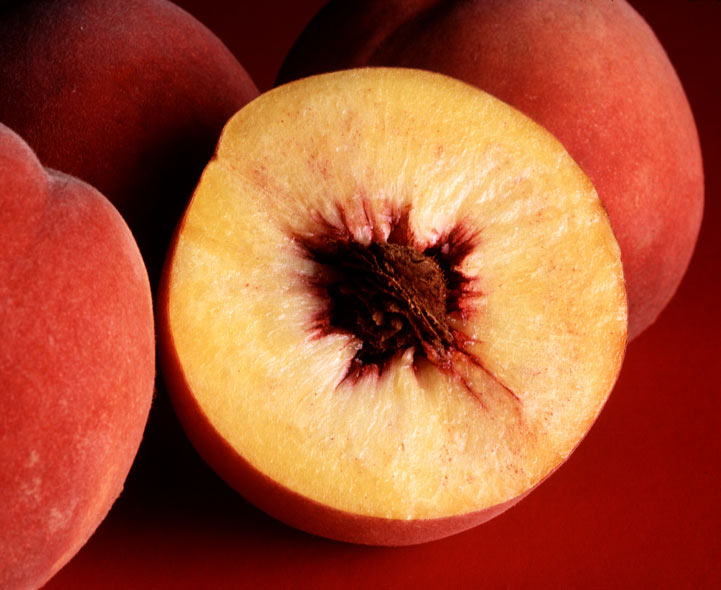
Photograph courtesy of United States Department of Agriculture
Leaf curl
Leaf drop
Leaf fall
Leaf roll
- Latin Name: Prunus persica.
- The fruit of some varieties has flesh that sticks to the stone and these are called 'clingstones' whilst the others are called 'freestones'.
- Dwarf varieties have been bred that are ideal for growing in pots on a sunny patio.
- Keep the plants in full sun and make sure that the planting containers have adequate drainage.
- Thinning the fruits early in the season ensures fewer but bigger fruit to eat later.



**Unlimited Quizzes Await You! 🚀**
Hey there, quiz champ! 🌟 You've already tackled today's free questions.
Ready for more?
Ready for more?
🔓 Unlock UNLIMITED Quizzes and challenge yourself every day. But that's
not all...
not all...
🔥 As a Subscriber you can join our thrilling "Daily Streak" against other
quizzers. Try to win a coveted spot on our Hall of Fame Page.
quizzers. Try to win a coveted spot on our Hall of Fame Page.
Don't miss out! Join us now and keep the fun rolling. 🎉
**Unlimited Quizzes Await You! 🚀**
Hey there, quiz champ! 🌟 You've already tackled today's free questions. Ready for more?
🔓 Unlock UNLIMITED Quizzes and challenge yourself every day. But that's not all...
🔥 As a Subscriber you can join our thrilling "Daily Streak" against other quizzers. Try to win a coveted spot on our Hall of Fame Page.
Don't miss out! Join us now and keep the fun rolling. 🎉




© Copyright 2016-2026 - Education Quizzes
Work Innovate Ltd - Design | Development |
Marketing
