




Ask the AI Tutor
Need help with Fruit - Fruits 3? Ask our AI Tutor!
AI Tutor - Lucy
Connecting with Tutor...
Please wait while we establish connection

See if you can get full marks in this enjoyable quiz.
Fruit - Fruits 3
Love strawberries? This quiz explores how fruit plants grow, spread, and stay productive, from runners and rooting to the simple care that helps you get bigger harvests.
To see a larger image, click on the picture.
1 .
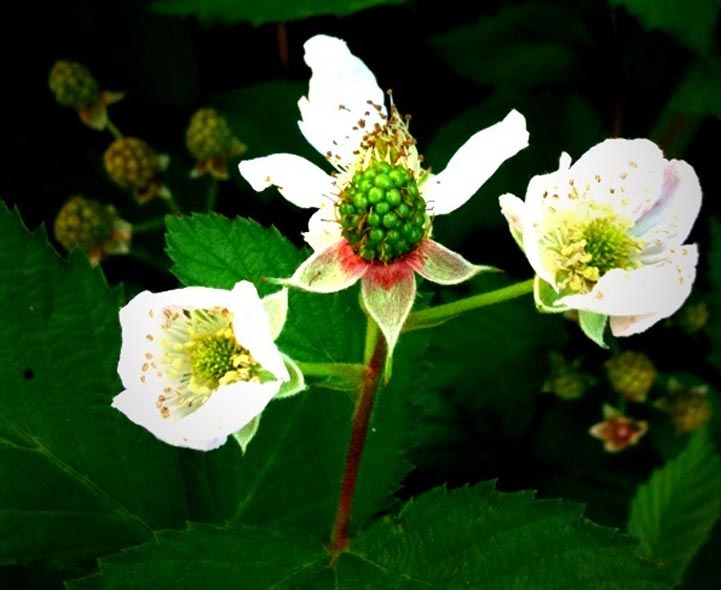
Flowers like these can often be seen on plants growing wild in the countryside. What kind of fruit do they produce?
Photograph courtesy of www.flickr.com/photos/scottj/
Bilberry
Blackberry
Blueberry
Black Mulberry
- The berries are often picked in the countryside from wild plants but if you like their taste it is more reliable and consistent to grow your own.
- Varieties have been produced that lack the vicious thorns of wild plants.
- On the other hand, if you want to create a hedge to keep out your neighbours' pets then choose a thorny variety!
- Very reliable in the garden whatever the weather.
2 .
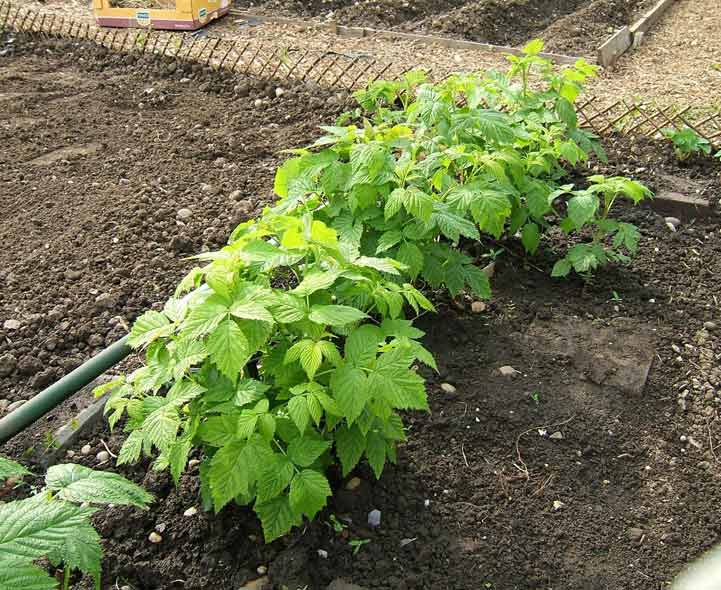
What type of fruit will these young plants eventually bear?
Photograph courtesy of www.flickr.com/photos/leejordan/
Blackcurrants
Gooseberries
Raspberries
Strawberries
- Plants will survive winters of extreme cold but they very much dislike waterlogged soil.
- The plants fruit on growth that was produced the previous year.
- After fruiting remove all the growth that has had fruit on it this year.
- For midsummer cropping a good variety is Glen Ample and for autumn cropping probably the best variety is Autumn Bliss.
3 .
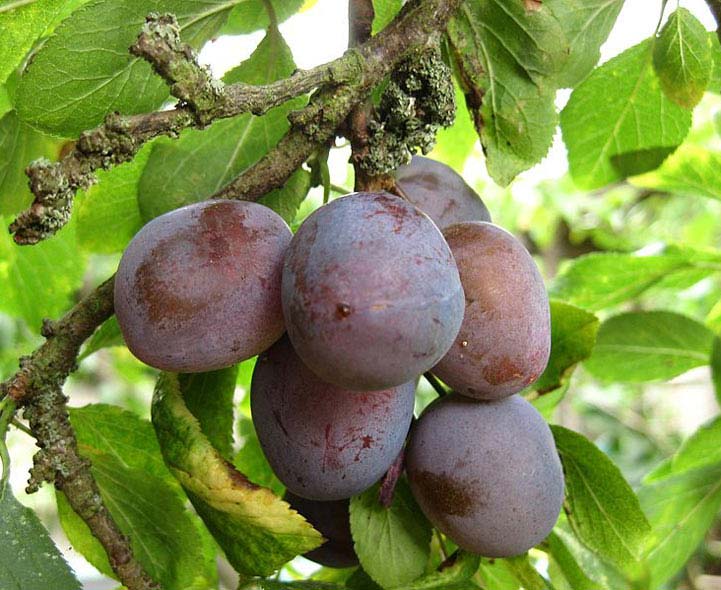
What is this subspecies of plum that usually has a more tart flavour than 'ordinary' plums?
Photograph courtesy of ModWilson
Damascene
Damsel
Damson
Damozel
- Most often used in jams and jellies.
- The Romans were keen on the fruit and, as well as eating them, they were used to create purple dyes.
- Small white blossom in the Spring leads to harvestable fruit in August and September.
- A full grown tree might bear 120lb of fruit.
4 .
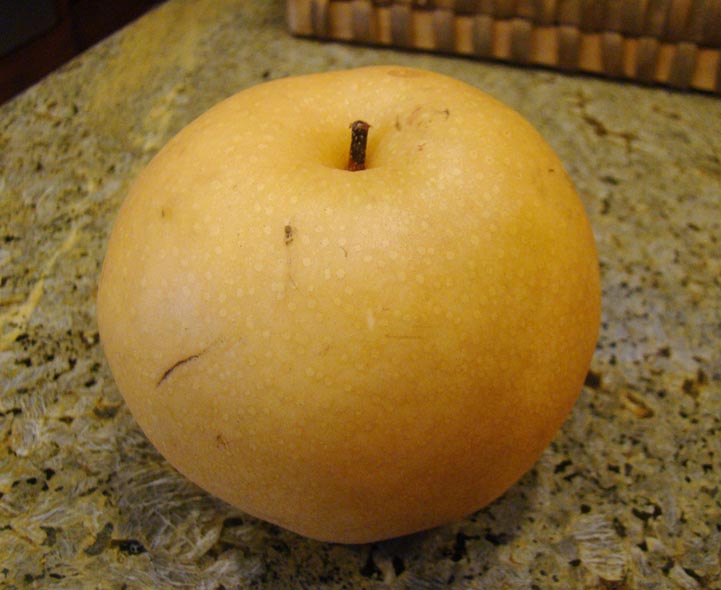
What is the common name for this fruit?
Photograph courtesy of www.flickr.com/photos/veganfeast/
Asian Pear
Himalayan Pear
Australian Pear
American Pear
- Latin Name: Pyrus pyrifolia.
- Sometimes called Apple pear.
- Erroneously thought to be a cross between an apple and a pear.
- Fruit has a very high water content and the fruits tend to disintegrate if baked or used in a pie.
- Produces a reliable, heavy crop in the UK.
- The flavour and texture are best when picked and eaten straight from the tree in mid to late September.
5 .
The blossom of one particular type of fruiting tree has a reputation for being particularly beautiful. What type of tree is it?
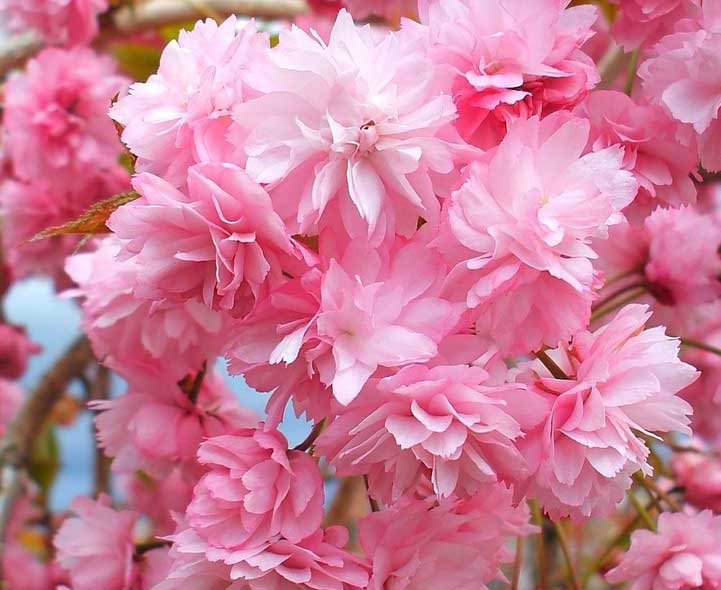
Photograph courtesy of www.flickr.com/photos/conner395/
Apple
Cherry
Pear
Plum
- Genus: Prunus avium.
- This stone fruit does very well in the south of the UK but it gets more temperamental the further north you go.
- One late spring frost can wipe out an entire crop.
- The trees like hot conditions but they don't like it dry.
- Irrigation before and during the fruiting period is very desirable.
- Watch the birds - this is probably their favourite fruit!
6 .
How can you tell that these apples are ripe and ready to eat?
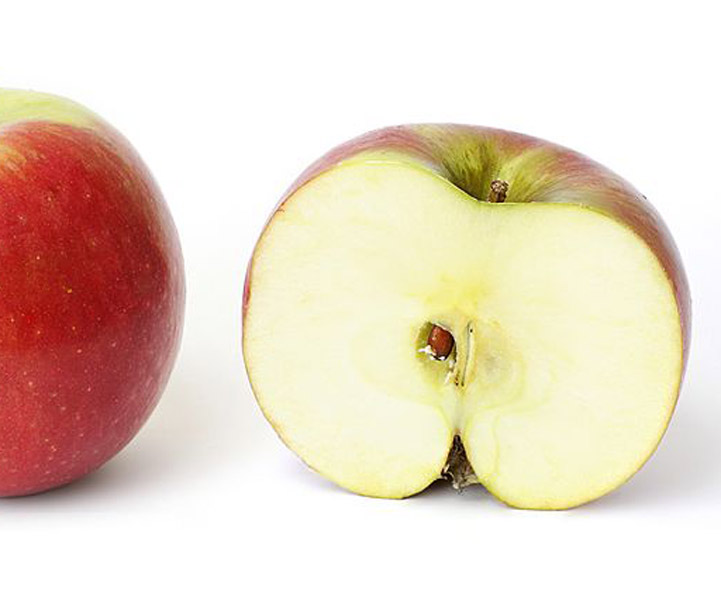
Photograph courtesy of Fir0002/Flagstaffotos
Skin is red
Stalk is shrivelled
Flesh is white
Pips are brown
- Choose your apple tree(s) carefully - they will be with you for many years.
- Choose varieties that you like the taste of - tastes vary enormously.
- Make sure that the variety is grafted onto a rootstock that is suitable for the position where it is to be planted.
- Some rootstocks make huge trees and others make tiny trees.
- Some varieties need another variety growing in close proximity in order to fruit well - referred to as a 'pollinator'.
- A good pollinator will bear excellent fruit in its own right.
7 .
An extract from kiwi fruit is used commercially for what purpose?
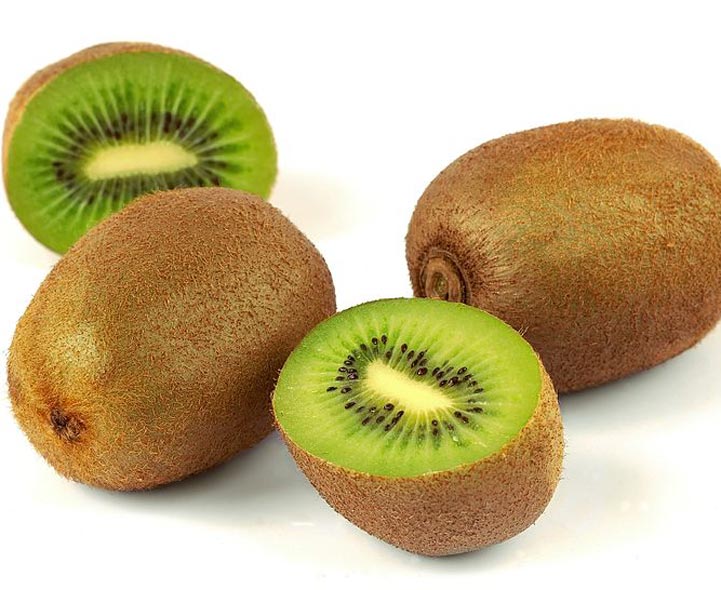
Photograph courtesy of www.flickr.com/photos/luc_viatour/
Colouring paint
Hardening glue
Killing insects
Tenderizing meat
- Latin Name: Actinidia deliciosa.
- Sometimes known as Chinese gooseberry.
- The fruit originated in China and not in New Zealand as is widely supposed.
- The first record of kiwi fruits growing in New Zealand is in 1906.
- The plants are most contented in a greenhouse or sheltered, sunny spot and are capable of producing large quantities of fruit in the UK.
The chemical used for meat tenderizing is actinidin
8 .
A microorganism occurs naturally on the skins of grapes and was probably the reason why alcoholic drinks came about. What type of microorganism is it?
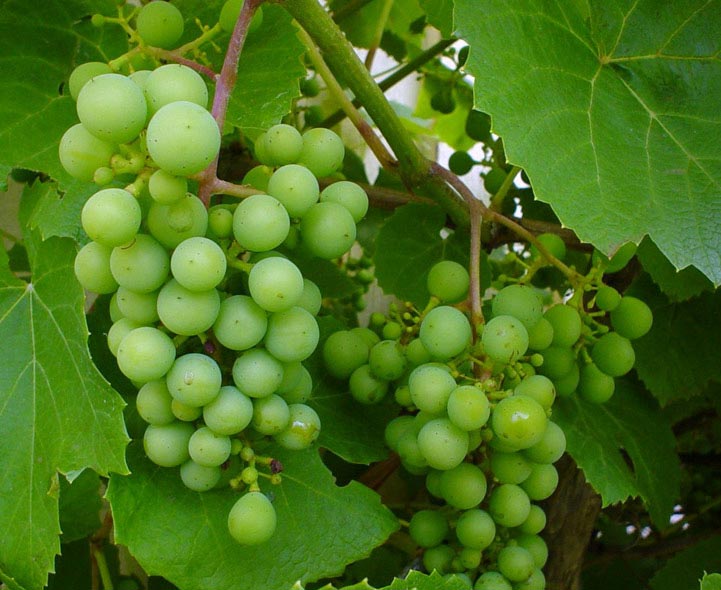
Bacteria
Mould
Yeast
Virus
- Green grapes are never referred to as such - in garden parlance green grapes are called white grapes!
- Strong support is essential whether grown in a glasshouse or outside.
- A grape vine lives a long time and you only have a chance to prepare the soil for its root system once!
- Make a planting pit that is at least two feet square and fill it with good soil mixed with liberal quantities of well rotted manure and compost.
9 .
Growing strawberries and other fruit in liquids without soil is known as what?
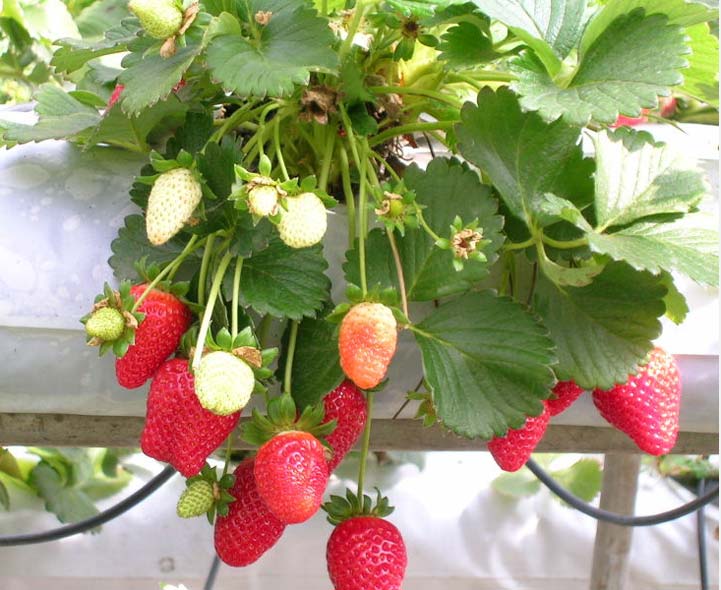
Photograph courtesy of Formulax
Hydroskis
Hydrocephalics
Hydroponics
Hydrokinetics
- Latin Genus: Fragaria.
- Commercially strawberries are often grown in troughs of nutrient solution positioned at a convenient height for picking.
- In the garden, strawberries can be grown in most soils (even heavy clay) provided they never stand in water.
- The first year crop is the best quality, the second year crop the best quantity and it's downhill after that.
- Slugs and blackbirds love strawberries as much as we do!
10 .
Yes it's a melon, but what sort of melon?
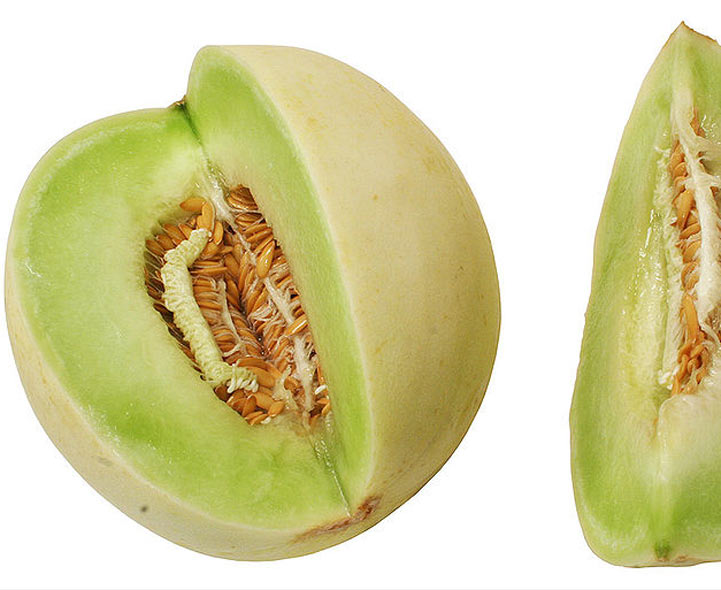
Photograph courtesy of Yotoen
Cantaloupe
Casaba
Honeydew
Musk
- Melons were a great favourite of the Victorian aristocracy because they could afford to build heated greenhouses specially for them!
- New varieties of the sweeter types of melon are being bred especially for growing outside but it has to be said that they still do better in the south of the country.
- Strong winds damage the plants beyond recovery.
- Powdery mildew can also be a problem.



**Unlimited Quizzes Await You! 🚀**
Hey there, quiz champ! 🌟 You've already tackled today's free questions.
Ready for more?
Ready for more?
🔓 Unlock UNLIMITED Quizzes and challenge yourself every day. But that's
not all...
not all...
🔥 As a Subscriber you can join our thrilling "Daily Streak" against other
quizzers. Try to win a coveted spot on our Hall of Fame Page.
quizzers. Try to win a coveted spot on our Hall of Fame Page.
Don't miss out! Join us now and keep the fun rolling. 🎉
**Unlimited Quizzes Await You! 🚀**
Hey there, quiz champ! 🌟 You've already tackled today's free questions. Ready for more?
🔓 Unlock UNLIMITED Quizzes and challenge yourself every day. But that's not all...
🔥 As a Subscriber you can join our thrilling "Daily Streak" against other quizzers. Try to win a coveted spot on our Hall of Fame Page.
Don't miss out! Join us now and keep the fun rolling. 🎉




© Copyright 2016-2026 - Education Quizzes
Work Innovate Ltd - Design | Development |
Marketing
