




Ask the AI Tutor
Need help with Herbs and Spices - Culinary Herbs and Spices 2? Ask our AI Tutor!
AI Tutor - Lucy
Connecting with Tutor...
Please wait while we establish connection

Some foods seem to be made for each other - like tomato and basil!
Herbs and Spices - Culinary Herbs and Spices 2
Herbs and spices come from plants, but they are not the same thing. This quiz explores where flavours come from and how to use, store, and grow popular kitchen favourites.
To see a larger image, click on the picture.
1 .
Can you name this herb?
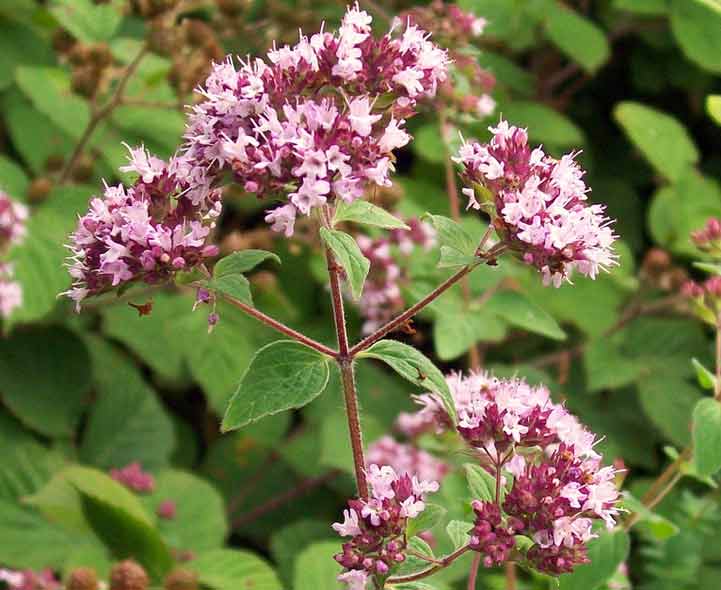
Photograph courtesy of Anemoneprojectors
Elderflower
Lemon thyme
Rosemary
Marjoram
- Latin Name: Origanum majorana.
- Very similar plant to oregano and often confused with it.
- There are many different varieties with leaves that can be green, yellow or variegated.
- A popular ingredient in sausages, stuffings and preserved meat as well as its use for adding flavour to tomato and vegetable dishes.
- In the garden, it can become woody but when cut back it will again produce succulent young growth.
2 .
Can you name this herb?
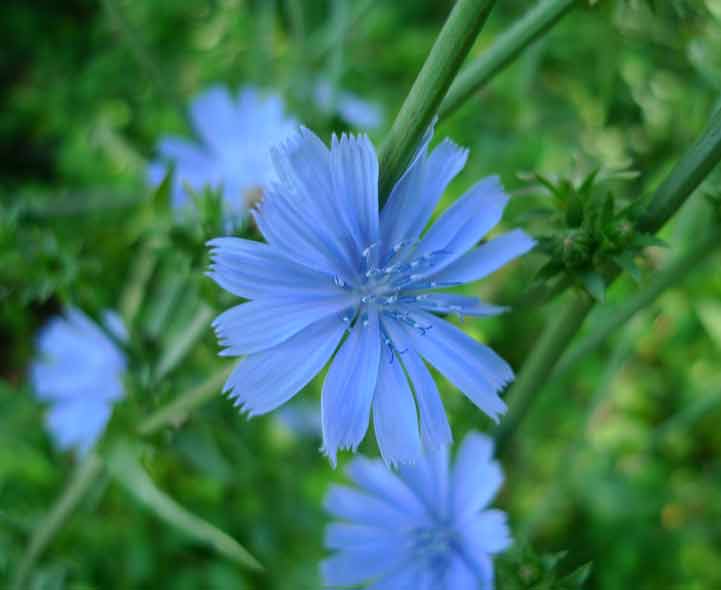
Photograph courtesy of www.flickr.com/photos/dmott9/
Chicory
Wormwood
Hyssop
Bay leaf
- Latin Name: Cichorium intybus.
- Grows wild in Britain and throughout Europe.
- Usually the flowers are bright blue but occasionally they are white or pink.
- The roots are baked and ground and then used as an additive to coffee.
- The Belgians have perfected the growing of 'blanched endives' from the roots and they export the product to many different countries.
3 .
Can you name this herb?
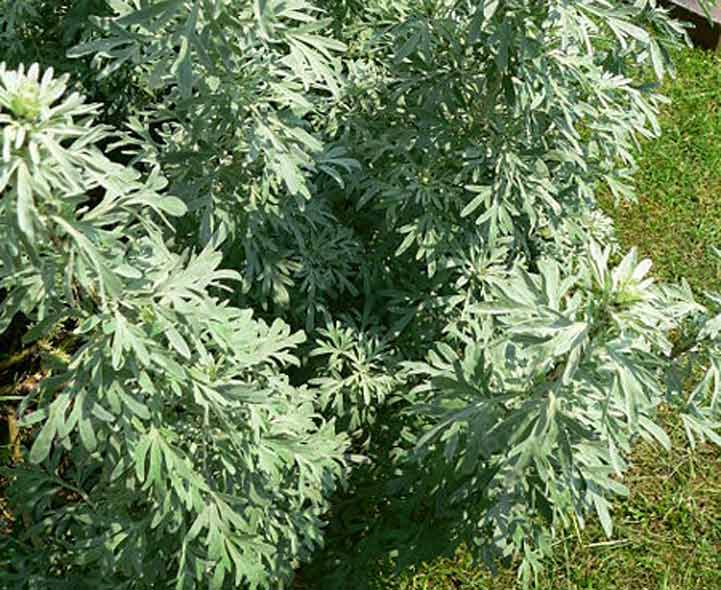
Photograph courtesy of David Monniaux
Elderflower
Sweet basil
Bay leaf
Wormwood
- Latin Name: Artemisia absinthium.
- An aromatic, bitter herb that is occasionally used in cooking.
- Used to be popular as a medicinal herb and was used to treat colds and rheumatism.
- When taken in large quantities the oil extracted from the plant can be poisonous, so much so that the USA has banned some products that contain it.
4 .
Can you name this herb?
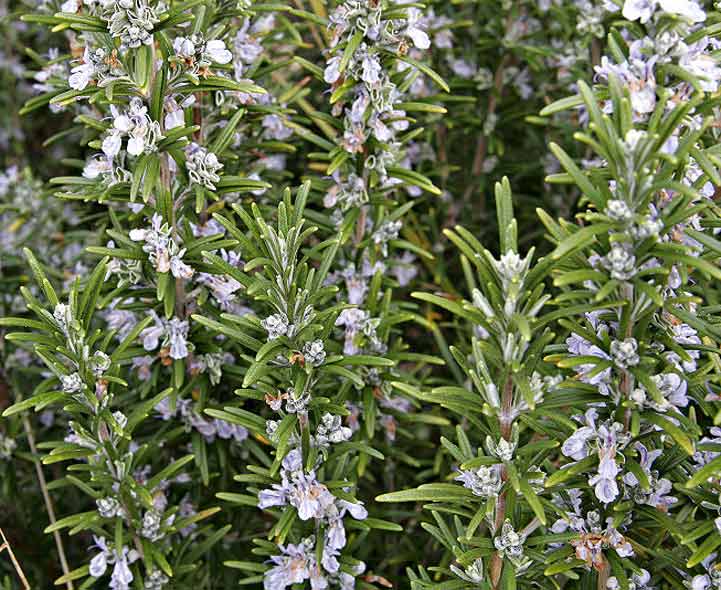
Photograph courtesy of flagstaffotos
Rosemary
Marjoram
Hyssop
Chicory
- Latin Name: Rosmarinus officinalis.
- Leaves resemble pine needles and it is these that are chopped and used for flavouring.
- A sprig is often placed with meat (especially lamb) when cooking.
- A prime ingredient in some recipes for stuffing.
- A very decorative plant that is found in almost all herb gardens - lives for 20 years or more.
5 .
Can you name this herb?
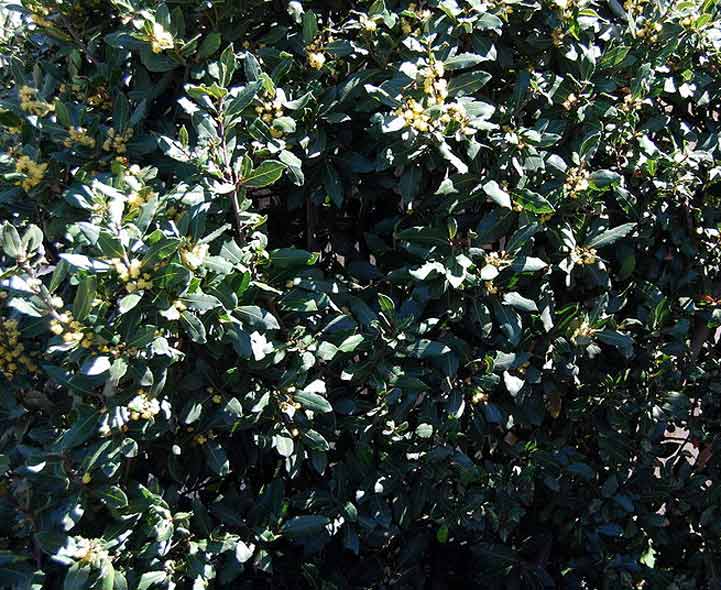
Photograph courtesy of Fastily
Hyssop
Chicory
Bay leaf
Fennel
- Latin Name: Laurus nobilis.
- The leaves have a very distinctive flavour and fragrance particularly after they have been dried for several weeks.
- Frequently used in bouquet garni (a collection of herbs that are usually encased in a cheesecloth bag, and used for flavouring a soup or stew).
- The plants are often grown in containers and kept neatly trimmed.
6 .
Can you name this herb?
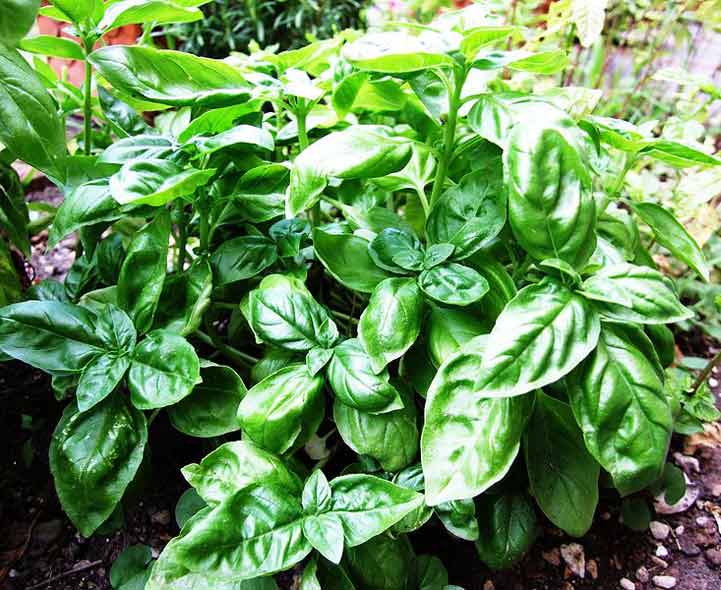
Photograph courtesy of Castielli
Lemon thyme
Marjoram
Sweet basil
Fennel
- Latin Name: Ocimum basilicum.
- Sometimes known as Saint Joseph's Wort.
- Has been cultivated in India for more than 5,000 years.
- Grows quickly when it is warm but dislikes the cold intensely and soon withers and dies when it is chilled.
- The delicate flavour of the leaves is quickly lost after picking.
- Although it can be dried it is best used fresh.
7 .
Can you name this herb?
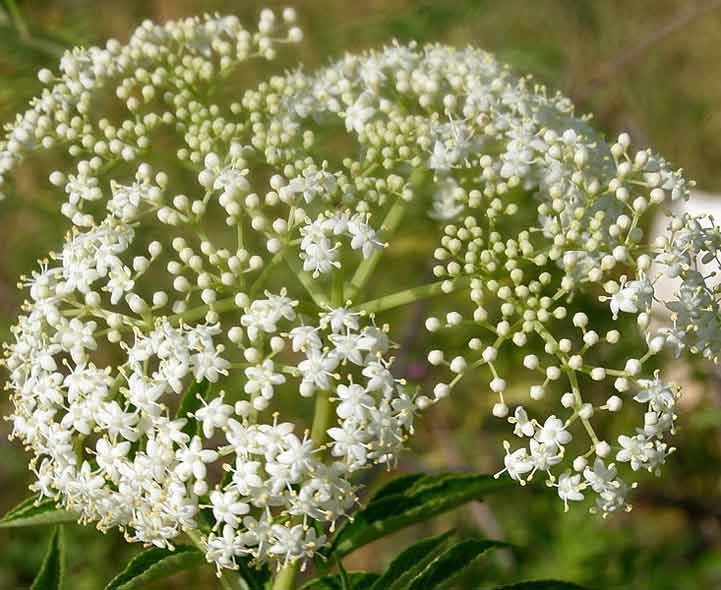
Photograph courtesy of J.M. Garg
Elderflower
Sweet basil
Wormwood
Rosemary
- Latin Name: Sambucus nigra.
- A deciduous shrub that is often found growing wild in Britain.
- Flowers are brilliant white and these are followed by dark purple fruits.
- The flowers are used to make a refreshing drink.
- The berries are used to make jam and are sometimes used to give more flavour to apple and blackberry pies.
- All green parts of the plant are poisonous.
8 .
Can you name this herb?
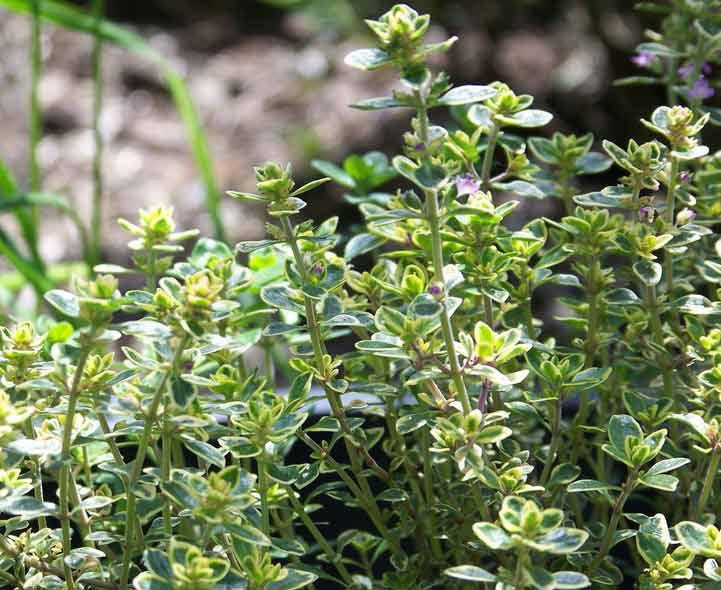
Photograph courtesy of www.flickr.com/photos/alyssssyla/
Rosemary
Sweet basil
Marjoram
Lemon thyme
- Latin Name: Thymus x citriodorus.
- The picture shows a variegated form of the plant.
- Leaves crushed between your fingertips emit a wonderfully fresh scent.
- A decorative little plant that is often seen in alpine gardens.
- Used to flavour savoury dishes and to make a weak herbal tea for help with respiratory complaints.
- Often used in herb pillows and pot pourris.
9 .
Can you name this herb?
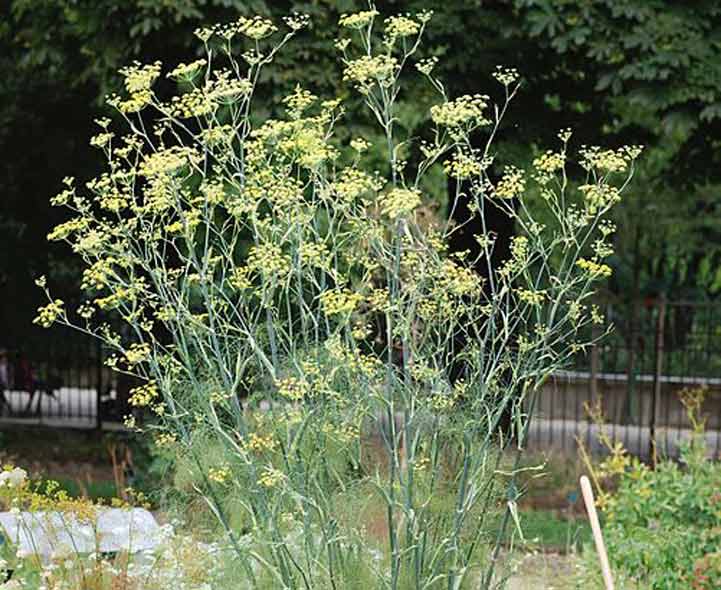
Photograph courtesy of Alvesgaspar
Lemon thyme
Fennel
Wormwood
Elderflower
- Latin Name: Foeniculum vulgare.
- Grows to over 2 metres tall and is recognizable by its feathery foliage and profusion of yellow flowers.
- Often seen growing wild along roadsides.
- Prefers light, dry soils.
- An ingredient (along with wormwood and anise) in the highly alcoholic drink known as absinthe.
- Used by itself it has an aniseed flavour.
10 .
Can you name this herb?
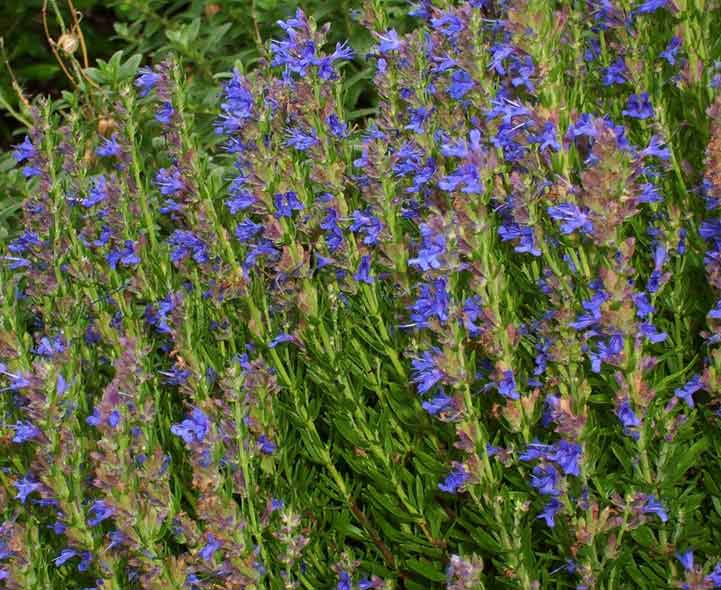
Photograph courtesy of www.flickr.com/photos/peganum/
Bay leaf
Hyssop
Fennel
Wormwood
- Latin Name: Hyssopus officinalis.
- Sometimes used as an ornamental shrub - attractive blue flowers are produced from June to October.
- Leaves are used fresh or dried with meat and fish dishes and with stews.
- Tastes similar to sage with a hint of mint.
- It is said to have many helpful effects when digested and placing crushed leaves on a wound will promote healing.



**Unlimited Quizzes Await You! 🚀**
Hey there, quiz champ! 🌟 You've already tackled today's free questions.
Ready for more?
Ready for more?
🔓 Unlock UNLIMITED Quizzes and challenge yourself every day. But that's
not all...
not all...
🔥 As a Subscriber you can join our thrilling "Daily Streak" against other
quizzers. Try to win a coveted spot on our Hall of Fame Page.
quizzers. Try to win a coveted spot on our Hall of Fame Page.
Don't miss out! Join us now and keep the fun rolling. 🎉
**Unlimited Quizzes Await You! 🚀**
Hey there, quiz champ! 🌟 You've already tackled today's free questions. Ready for more?
🔓 Unlock UNLIMITED Quizzes and challenge yourself every day. But that's not all...
🔥 As a Subscriber you can join our thrilling "Daily Streak" against other quizzers. Try to win a coveted spot on our Hall of Fame Page.
Don't miss out! Join us now and keep the fun rolling. 🎉




© Copyright 2016-2026 - Education Quizzes
Work Innovate Ltd - Design | Development |
Marketing
