




Ask the AI Tutor
Need help with Herbs and Spices - Medicinal Herbs? Ask our AI Tutor!
AI Tutor - Lucy
Connecting with Tutor...
Please wait while we establish connection
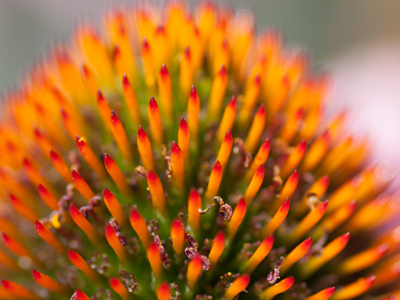
A close-up of Echinacea.
Herbs and Spices - Medicinal Herbs
Medicinal herbs have been used for centuries, but they still need sensible handling. This quiz explores common plants, safe growing basics, and why “natural” does not always mean risk-free.
To see a larger image, click on the picture.
1 .
Do you recognize this herb?
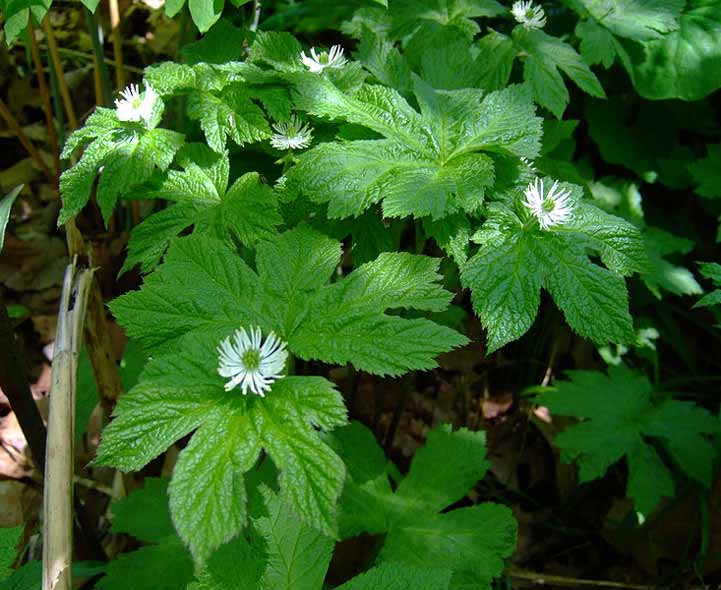
Photograph courtesy of James Steakley
Horehound
Feverfew
Goldenseal
Cannabis
- Latin Name: Hydrastis canadensis.
- The main use for the plant is as an anti-inflammatory and as such it is used as an antiseptic for use on skin infections and to clean wounds.
- It is also used in formulations to alleviate cold and flu symptoms.
- The plant is very potent and should not be used without medical guidance.
- Grows best in moist soil in semi-shade.
2 .
Do you recognize this herb?

Photograph courtesy of Dawn Endico
Goldenseal
Horehound
Feverfew
Yarrow
- Latin Name: Achillea millefolium.
- Believed to have many healing properties:
- Used as an antiseptic (prevents infection).
- Used as an astringent (reduces bleeding).
- Used as a carminative (induces the expulsion of gas from the stomach).
- Used as a digestive (promotes the digestion of food).
3 .
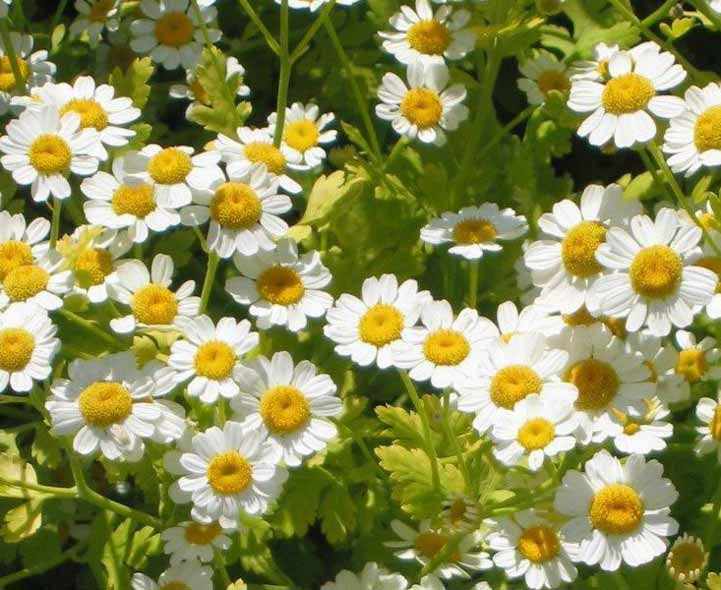
Do you recognize this herb?
Goldenseal
Feverfew
Cannabis
Opium poppy
- Latin Name: Tanacetum parthenium.
- Popular in folklore and known under many different names including featherfoil, midsummer daisy and nosebleed.
- A very strong smell that is disliked by bees even when the flowers are fully open.
- In the past it was frequently used to treat a fever and was also said to alleviate headaches, depression and nausea.
4 .
Do you recognize this herb?
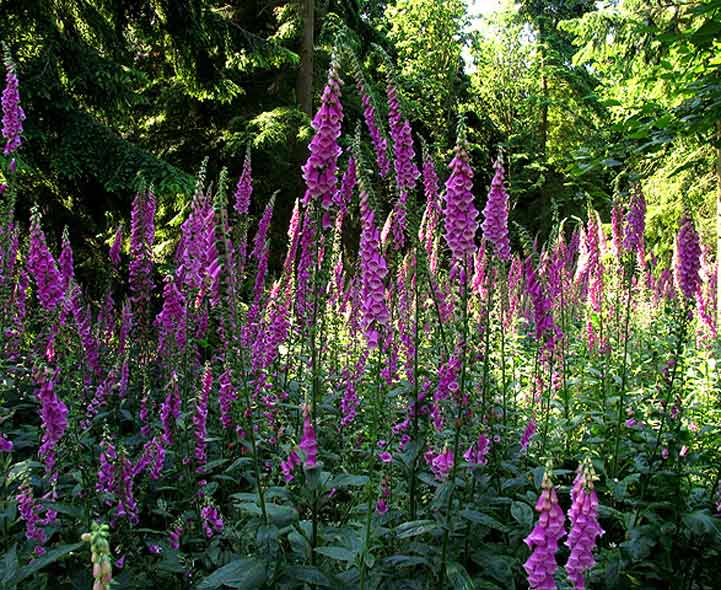
Photograph courtesy of www.geograph.org.uk/profile/40
Passion flower
Liquorice
Foxglove
St John's wort
- Latin Name: Digitalis purpurea.
- Extremely attractive long flower spikes that are often grown for their ornamental appeal.
- Proven benefits for those with heart problems but extremely dangerous if taken inappropriately.
- Use only under medical supervision.
- The plant is often seen growing wild and loves acid soils.
- Tolerant of shade and even deep shade.
5 .
Do you recognize this herb?
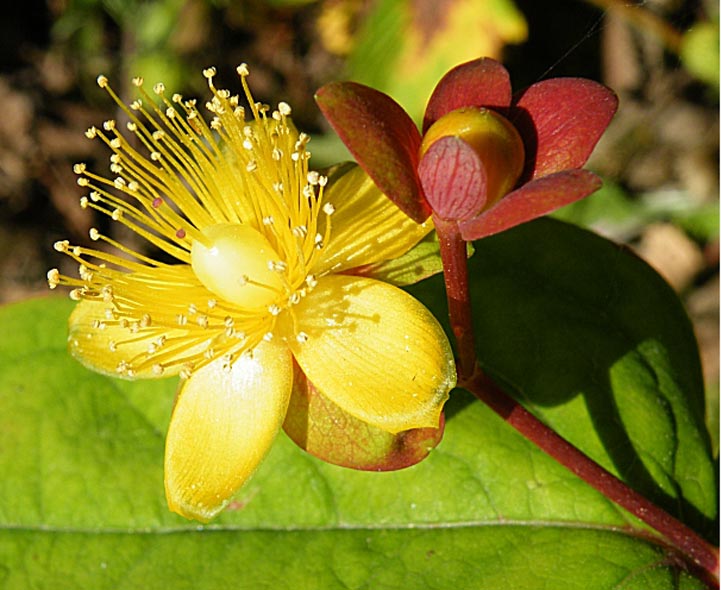
Photograph courtesy of www.geograph.org.uk/profile/139
Goldenseal
St. John's wort
Yarrow
Liquorice
- Latin Name: Hypericum perforatum
- Produces attractive yellow flowers that are often grown for their decorative appeal.
- The flowering tops of the plants are used to produce teas and tablets.
- Often used to treat anxiety, depression and insomnia.
- Proprietary brands containing the plant are available without a subscription.
6 .
Do you recognize this herb?

Photograph courtesy of Jolly Janner
Opium Poppy
Passion flower
Yarrow
Liquorice
- Latin Name: Papaver somniferum.
- The Latin name suggests that the plant brings sleep!
- Codeine, heroin, morphine and opium are all extracted from this family of plants.
- Cultivating in the UK does not require a licence but extracting the oil does.
- Many different countries use crushed seeds from the plant for cooking - often in association with ground coconut.
- Very popular as a decorative plant.
7 .
Do you recognize this herb?
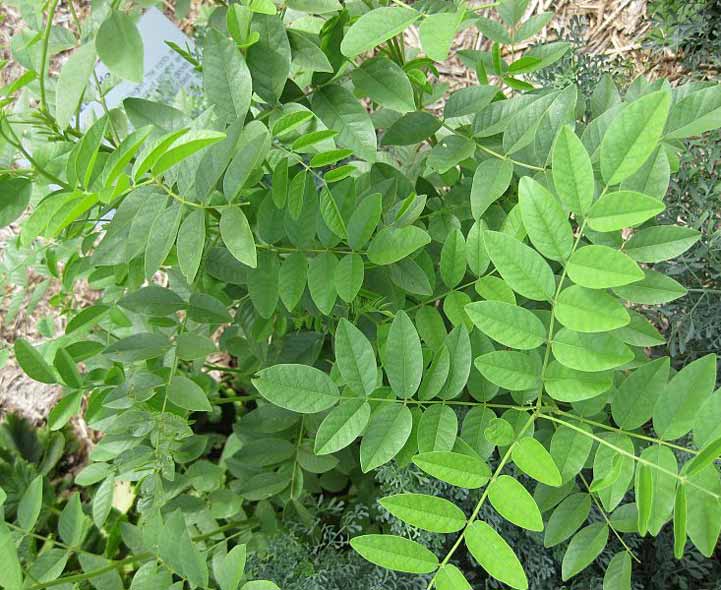
Photograph courtesy of Raffi Kojian
Liquorice
Foxglove
Opium poppy
St John's wort
- Latin name: Glycyrrhiza glabra.
- The main ingredient in a particular type of confectionery.
- In the UK the centre of commercial production is Pontefract.
- In Chinese herbal medicine the herb is used in approximately half of all formulations.
- Used for treating mouth and peptic ulcers.
- Also used in the treatment of chronic viral hepatitis.
8 .
Do you recognize this herb?
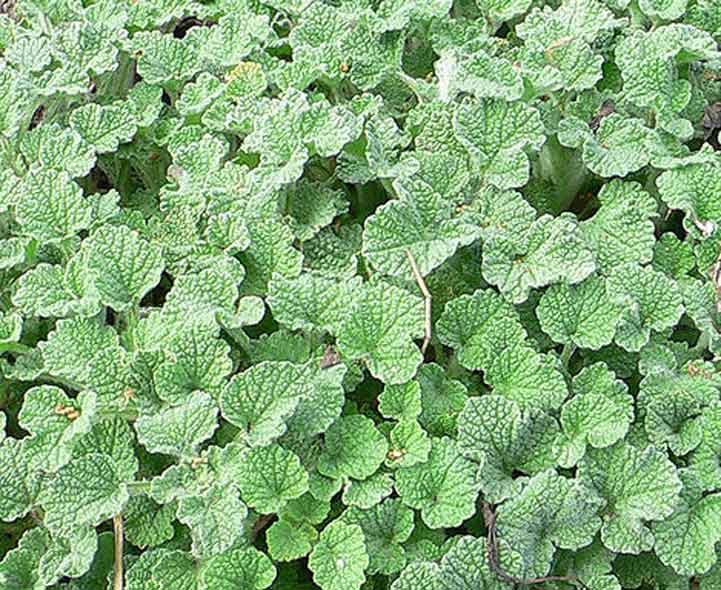
Photograph courtesy of Raul654
Opium poppy
Foxglove
Cannabis
Horehound
- Latin Name: Marrubium vulgare.
- Sometimes known as houndsbane or eye of the star.
- A member of the mint family.
- The plant is covered in tiny white hairs.
- It is one of the oldest known remedies for coughs and is used in several proprietary cough sweets.
- Also used to help ease the symptoms of sore throats and to relieve inflammation.
9 .
Do you recognize this herb?

Photograph courtesy of Chmee2
Cannabis
Yarrow
Horehound
Passion flower
- This is the family of plants from which industrial hemp products are made.
- It is a popular 'recreational' drug around the world with an estimated 25 million users in the USA alone.
- Also known as marijuana.
- It is illegal in the UK.
- Opinions vary about its danger to long term health.
- It is said to alleviate the symptoms of many different ailments and there is convincing evidence that it helps in the management of multiple sclerosis.
10 .
Do you recognize this herb?
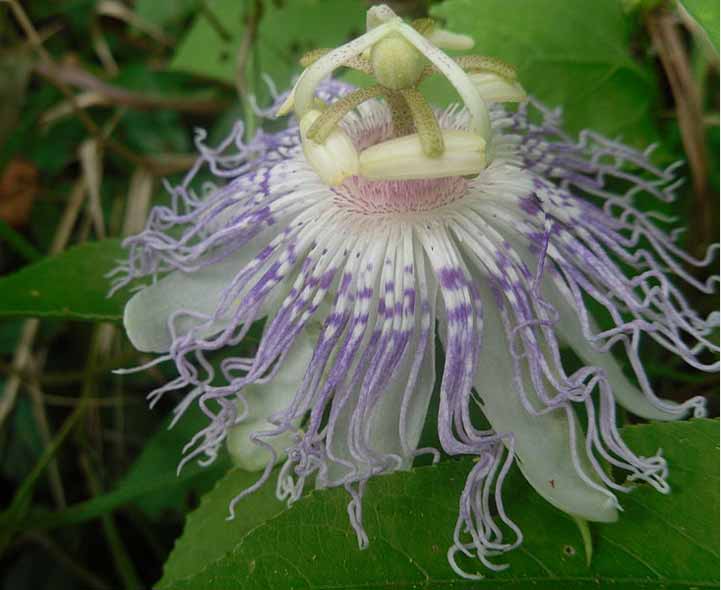
Photograph courtesy of http://www.bildtankstelle.de/
Foxglove
Passion flower
St John's wort
Feverfew
- Latin Name: Passiflora x kewensis.
- A large genus containing over 500 species of plant.
- Exquisite flowers but unfortunately they usually last for only a single day.
- This variety (sometimes known as maypop) has been used by Native Americans for centuries.
- The leaves and roots are said to help in the treatment of epilepsy and insomnia.



**Unlimited Quizzes Await You! 🚀**
Hey there, quiz champ! 🌟 You've already tackled today's free questions.
Ready for more?
Ready for more?
🔓 Unlock UNLIMITED Quizzes and challenge yourself every day. But that's
not all...
not all...
🔥 As a Subscriber you can join our thrilling "Daily Streak" against other
quizzers. Try to win a coveted spot on our Hall of Fame Page.
quizzers. Try to win a coveted spot on our Hall of Fame Page.
Don't miss out! Join us now and keep the fun rolling. 🎉
**Unlimited Quizzes Await You! 🚀**
Hey there, quiz champ! 🌟 You've already tackled today's free questions. Ready for more?
🔓 Unlock UNLIMITED Quizzes and challenge yourself every day. But that's not all...
🔥 As a Subscriber you can join our thrilling "Daily Streak" against other quizzers. Try to win a coveted spot on our Hall of Fame Page.
Don't miss out! Join us now and keep the fun rolling. 🎉




© Copyright 2016-2026 - Education Quizzes
Work Innovate Ltd - Design | Development |
Marketing
