




Ask the AI Tutor
Need help with Herbs and Spices - Miscellaneous Herbs? Ask our AI Tutor!
AI Tutor - Lucy
Connecting with Tutor...
Please wait while we establish connection
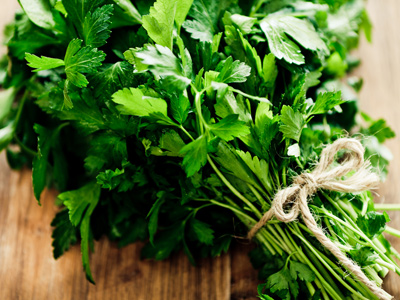
Parsley is a very versatile culinary herb.
Herbs and Spices - Miscellaneous Herbs
Some herbs do not fit neatly into “culinary” or “medicinal”. This quiz explores a mix of useful, interesting herbs and how to grow, identify, and handle them safely.
To see a larger image, click on the picture.
1 .
What is the name of this herb?
Photograph courtesy of Ulf Eliasson
Angelica
Cedar
Purple coneflower
Rose
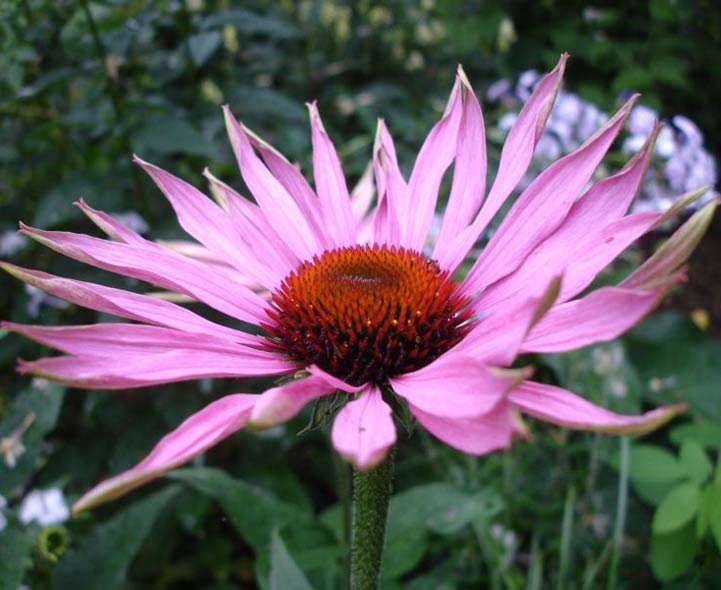
- Latin Name: Echinacea purpurea.
- The genus name is Greek for 'hedgehog' no doubt because of the spiky central disc of the flower.
- The common name is also derived from the appearance of the centre of the flower.
- It is widely believed that the plant stimulates the body's immune system and thereby prevents diseases and infections.
2 .
What is the name of this herb?
Photograph courtesy of Wallygrom
Lavender
Purple coneflower
Chamomile
Angelica
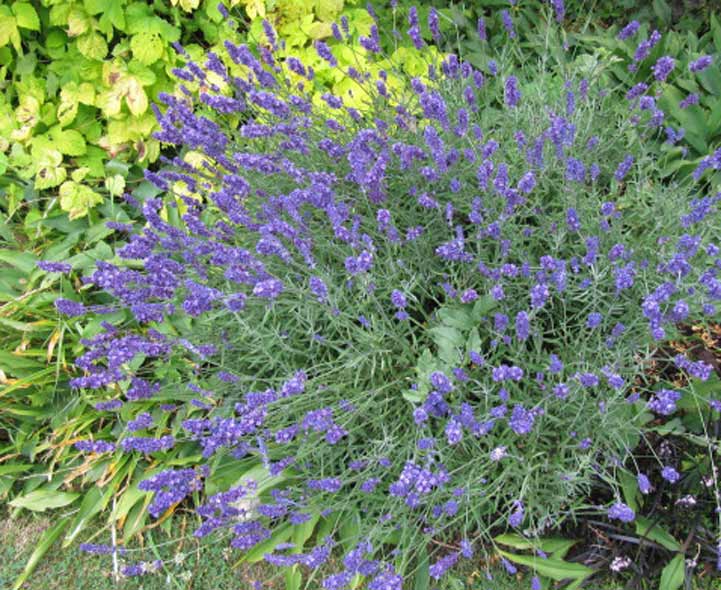
- One of the most beautifully aromatic plants of British gardens where it is often used to attract butterflies.
- Retains its scent when dried and this makes it a firm favourite for use in cosmetics and toiletries.
- Used to make tea and ice cream as well as to perfume linens and make perfumed candles.
- Grown commercially on a large scale in Norfolk.
3 .
What is the name of this herb?
Photograph courtesy of www.geograph.org.uk/profile/8569
Chamomile
Saffron
Cedar
Pennyroyal
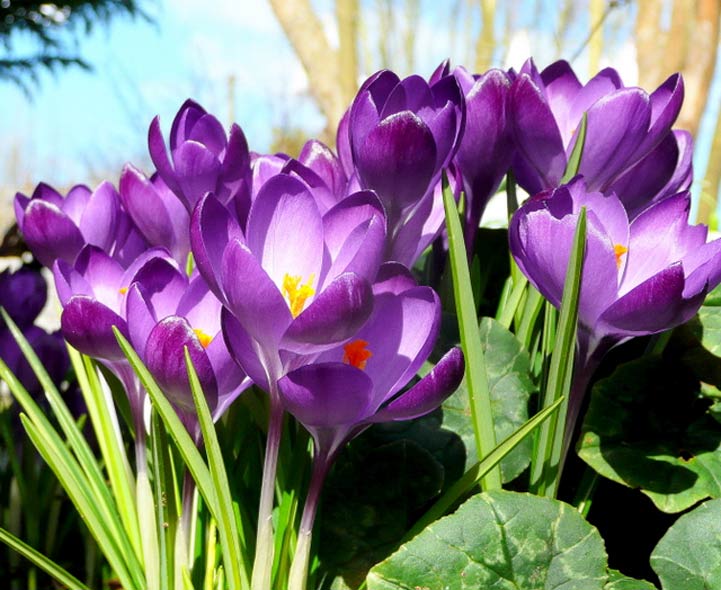
- Latin Name: Crocus sativus hybrid.
- This spice has been treasured for thousands of years and it remains the most expensive spice in the world.
- The part of the plant used to create the spice is the dried stigmas of the flowers.
- The taste is slightly bitter.
- It smells a little like hay.
- Used as a colouring agent (golden yellow) in food.
4 .
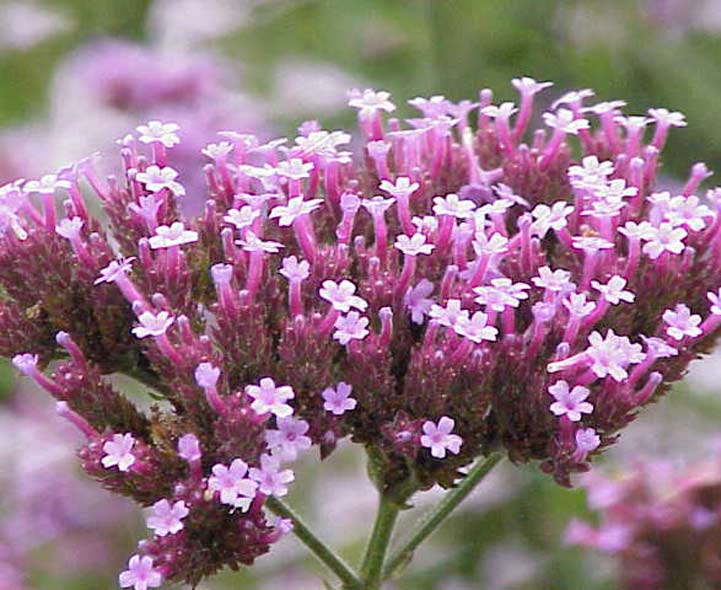
What is the name of this herb?
Photograph courtesy of http://www.biolib.de/
Rose
Saffron
Vervain
Lavender
- Latin Name: Verbena bonariensis.
- Also known as pigeonweed, holy herb and herb of grace.
- In ancient witchcraft a cold infusion of the plant was said to be valuable to make an unwanted person leave.
- Verbena in Latin means 'holy plant' and in ancient times it was used in various rites and incantations.
- Long considered a cure-all for many different ailments.
- It is still used externally to treat cuts and grazes.
5 .
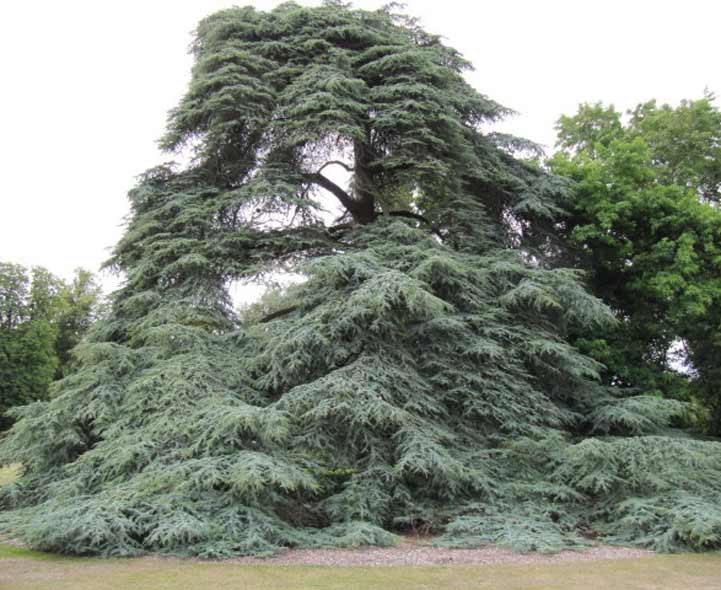
What is the name of this herb?
Photograph courtesy of Wallygrom
Cedar
Purple coneflower
Vervain
Pennyroyal
- A number of plants in at least 3 different genera are often referred to by this common name.
- Plants are distinguished by having aromatic wood.
- The oils that give the wood its scent also make it resistant to rotting.
- Oil extracts are used in candles and burning these is said to fight insomnia.
6 .
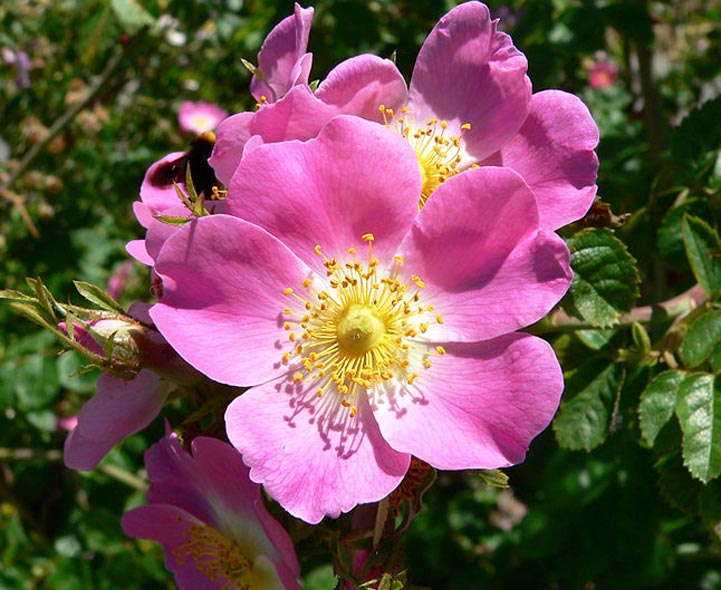
What is the name of this herb?
Photograph courtesy of Stan Shebs
Pennyroyal
Vervain
Purple coneflower
Rose
- Latin Name: Rosa rubiginosa.
- Sometimes known as sweet briar.
- Fresh flower petals can be floated on water to add fragrance to a room and when dried the petals make an excellent ingredient for pot pourri.
- Leaves smell strongly of apple.
- One of the most highly prized flowering plants to add scent to a garden.
- Plant in a south or west corner so that gentle summer breezes carry the fragrance throughout the garden.
7 .
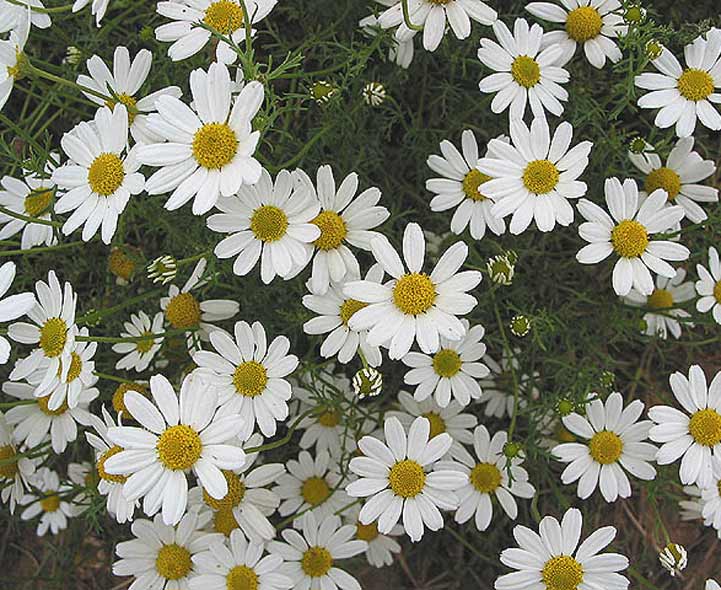
What is the name of this herb?
Photograph courtesy of www.geograph.org.uk/profile/13903
Rose
Angelica
Mistletoe
Chamomile
- Latin Name: Chamomile.
- Used to sooth and soften the skin.
- As an ingredient in hair shampoo it is said to lighten the colour of blond hair.
- In aromatherapy it is used for calming and rejuvenating.
- It is claimed that extracts from the plant help with everything from acne to depression and from headaches to sunburn!
8 .
What is the name of this herb?
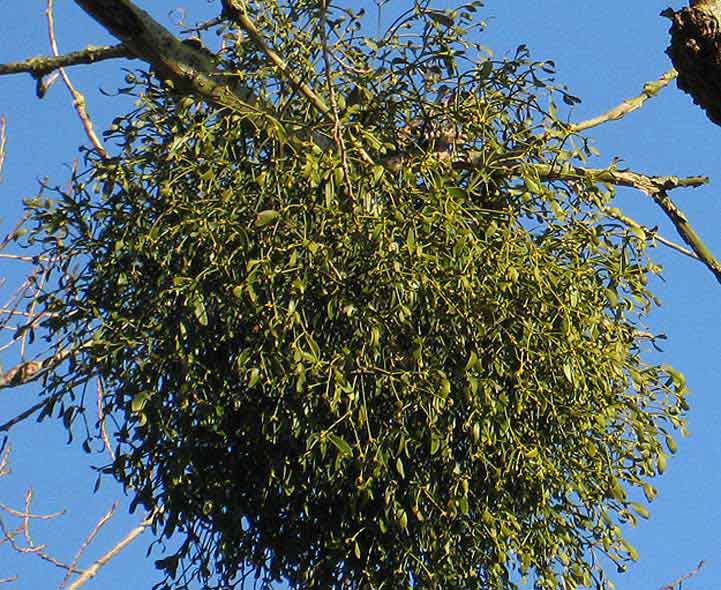
Photograph courtesy of Pauline Eccles
Mistletoe
Lavender
Vervain
Cedar
- Latin Name: Viscum album.
- It is a semi-parasite and as such needs a tree to grow on, most often apple, hawthorn, lime and poplar but it is sometimes seen in other trees.
- Considered sacred by the druids because in the dead of winter its host tree would be bare of leaves but this plant would seem to be still flourishing.
- A surefire way of securing a kiss at Christmas!
9 .
What is the name of this herb?

Photograph courtesy of Bob Osborn
Angelica
Saffron
Mistletoe
Lavender
- Preparations made from the root can prevent acne on the face and athlete's foot but the roots should not be eaten - they are sometimes used as an insecticide!
- When eaten the plant leaves prevent scurvy and because it is widespread and grows freely it has often been used for this purpose.
- Leaves can be made into a general tonic and it is said to 'strengthen the heart'.
10 .
What is the name of this herb?
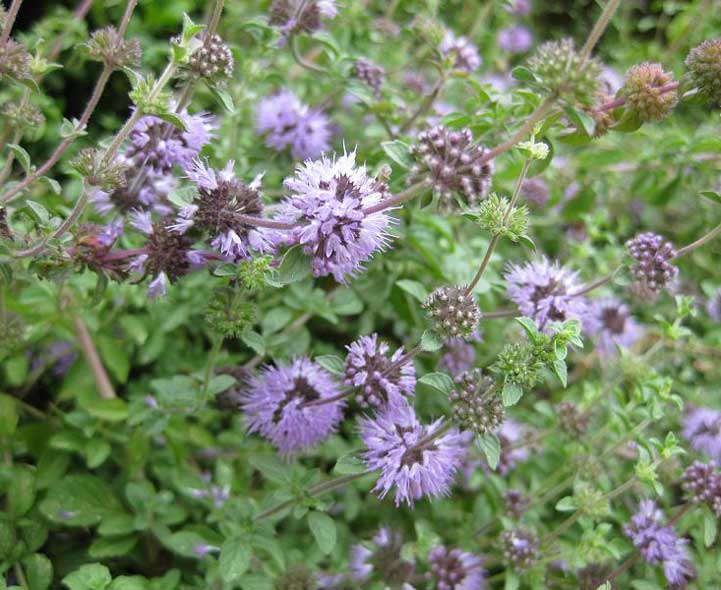
Photograph courtesy of Raffi Kojian
Purple coneflower
Pennyroyal
Saffron
Mistletoe
- Latin Name: Mentha pulegium.
- A member of the mint family with the typical strong smell of that family.
- Many varied uses over the centuries amongst which are:
- Purifying drinking water.
- Remedy for sea sickness.
- Put in the bedding of pets to keep away fleas.
- Insect repellent.



**Unlimited Quizzes Await You! 🚀**
Hey there, quiz champ! 🌟 You've already tackled today's free questions.
Ready for more?
Ready for more?
🔓 Unlock UNLIMITED Quizzes and challenge yourself every day. But that's
not all...
not all...
🔥 As a Subscriber you can join our thrilling "Daily Streak" against other
quizzers. Try to win a coveted spot on our Hall of Fame Page.
quizzers. Try to win a coveted spot on our Hall of Fame Page.
Don't miss out! Join us now and keep the fun rolling. 🎉
**Unlimited Quizzes Await You! 🚀**
Hey there, quiz champ! 🌟 You've already tackled today's free questions. Ready for more?
🔓 Unlock UNLIMITED Quizzes and challenge yourself every day. But that's not all...
🔥 As a Subscriber you can join our thrilling "Daily Streak" against other quizzers. Try to win a coveted spot on our Hall of Fame Page.
Don't miss out! Join us now and keep the fun rolling. 🎉




© Copyright 2016-2026 - Education Quizzes
Work Innovate Ltd - Design | Development |
Marketing
