




Ask the AI Tutor
Need help with Houseplants - Houseplants 1? Ask our AI Tutor!
AI Tutor - Lucy
Connecting with Tutor...
Please wait while we establish connection
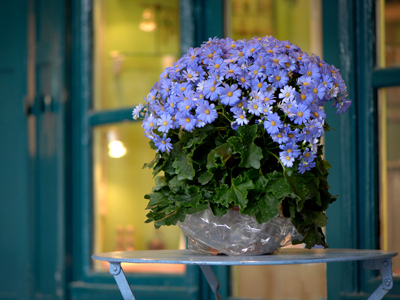
Houseplants can bring cheer to a room.
Houseplants - Houseplants 1
Houseplants can brighten a room, but they need the right light, water, and care. This quiz helps you spot problems early and keep indoor plants healthy.
To see a larger image, click on the picture.
1 .
The jelly bean plant can store water in its leaves to help it survive prolonged periods of drought. What is the collective name given to this type of plant?
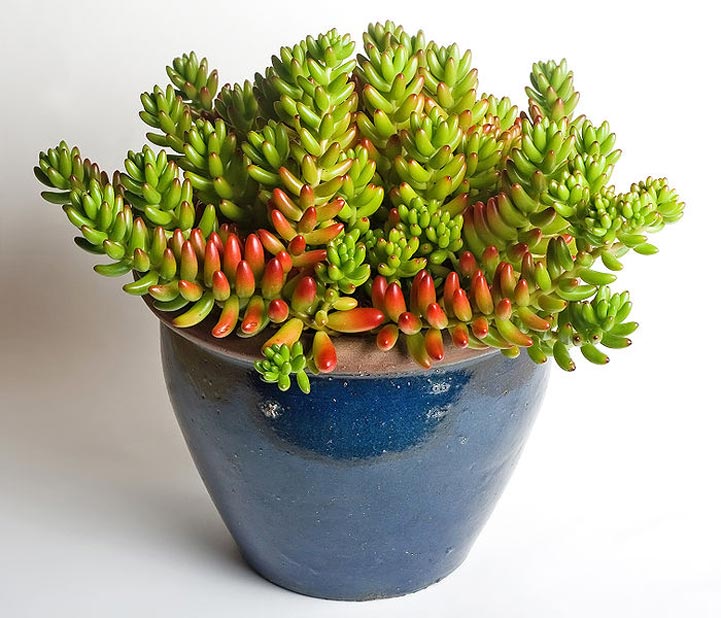
Photograph courtesy of J J Harrison
Deciduous
Evergreen
Herbaceous
Succulent
- Latin Name: Sedum Rubrotinctum.
- Each individual leaf resembles a jelly bean and they can be several different shades of green and red on the same plant.
- It is much easier to over-water the plant than to under-water it. Take care not to kill it with kindness!
- When it is happy it will reward you with bright yellow flowers in the spring.
2 .
What is the Latin name for the Holiday cactus, otherwise known as the Christmas cactus?
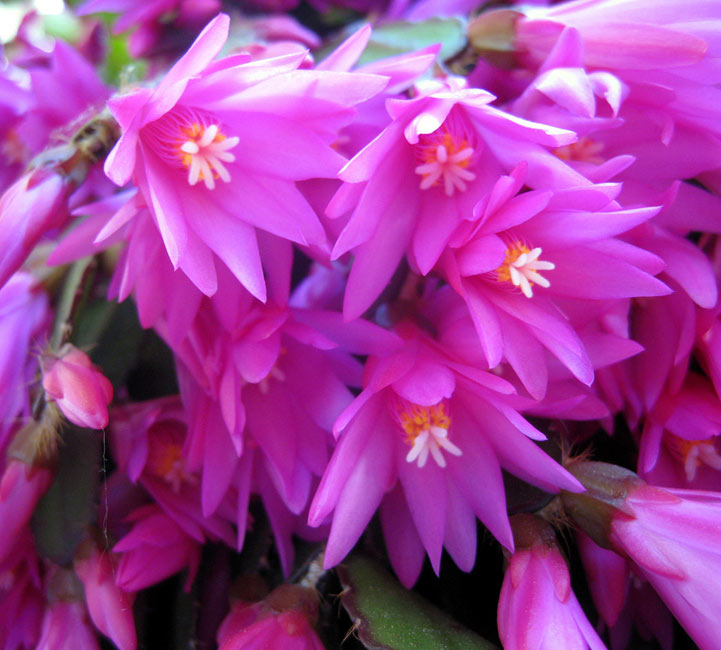
Photograph courtesy of www.flickr.com/photos/littlekoshka/
Cereus
Echinopsis
Mammillaria
Schlumbergera
- These cactus are known as epiphytes - they grow on forest trees but they do not derive their food from their host plants.
- They originate from Brazil but there are now many commercial hybrids.
- Flowers can be pink, red, purple or white.
- Require a very well drained compost.
- Keep them outside during the summer to promote flowering in your home during the winter.
The others are all types of desert-dwelling cactus
3 .
In which season do cyclamen NOT flower?
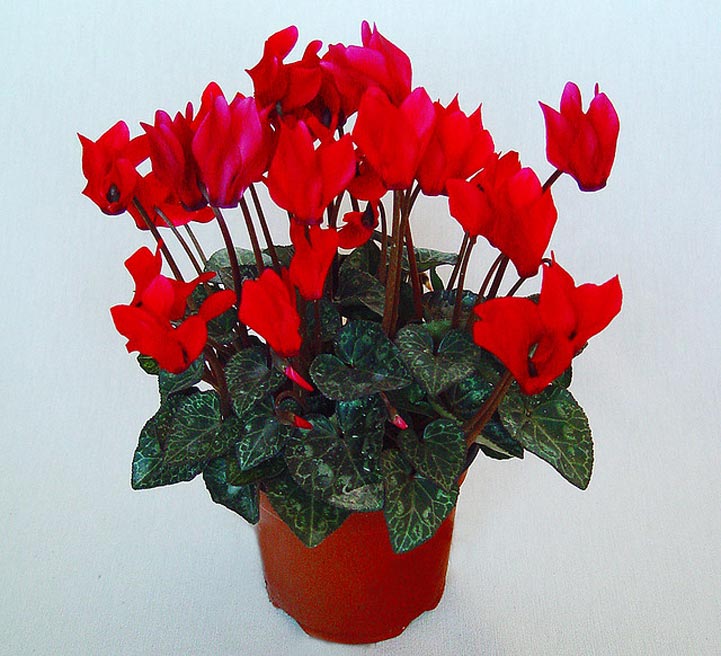
Photograph courtesy of Viverosalegre
Spring
Summer
Autumn
Winter
- Latin Name: Cyclamen persicum.
- Requires light but avoid constant bright sunlight.
- 55 degrees F. (12 degrees C.) is optimum - any warmer and the flowers will not last as long.
- It is possible to keep the corms from one year to the next but it is very difficult to get them to flower a second time in the house - you need a greenhouse!
Cyclamen flower in the shortest days and go dormant during the longest days
4 .
Begonias have both male and female flowers (that often look completely different) on the same plant. What is the name given to this kind of plant?
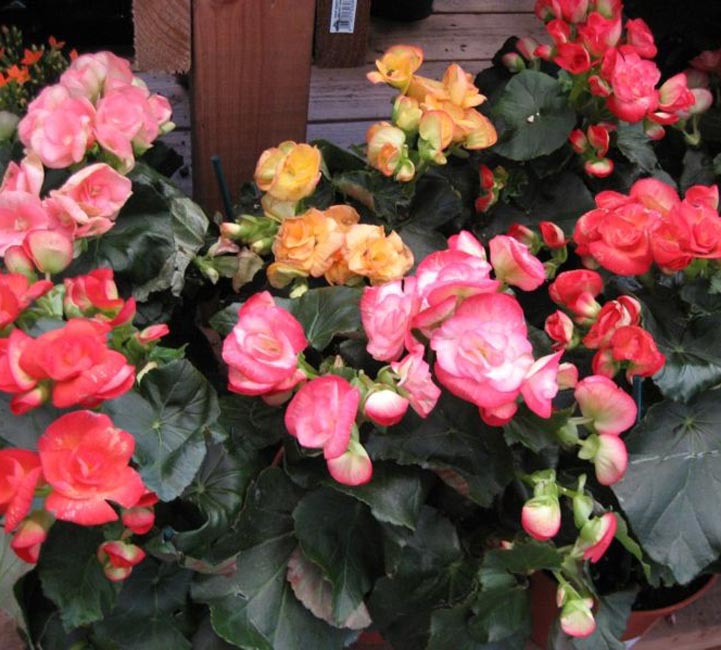
Photograph courtesy of http://www.plants.am/
Monoecious
Monogamous
Neuropterous
Numinous
- There are more than 1,500 species of begonia.
- They are excellent decorative plants that have been the subject of a great deal of plant breeding work.
- Begonias are unusual in that many species can be hybridized together even though they come from different parts of the world.
- In the home they require warm conditions but they should be shaded from direct sunlight.
5 .
This plant is usually regarded as a foliage houseplant but it occassionally produces this type of flower. What is the name of the plant?
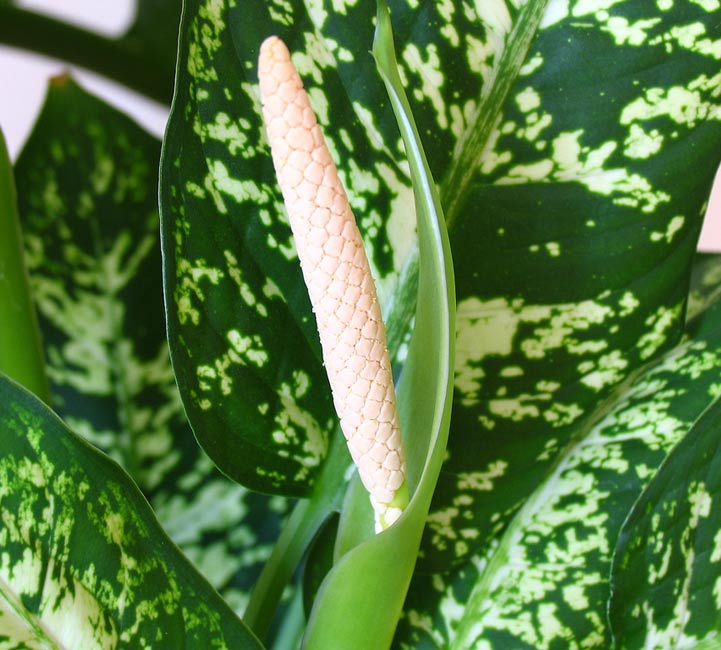
Photograph courtesy of Pizzodisevo
Dim cane
Dense cane
Dumb cane
Thick cane
- Latin Name: Dieffenbachia.
- The plant is very tolerant of shade and therefore makes a good houseplant.
- The prominent markings on the foliage are lost if the plant seldom sees the sun.
- It must be kept at a minimum of 5 degrees C and does best when temperatures exceed 15 degrees C.
- Yellowing of the leaves is a sign that the plant is unhappy - normally over or under watering.
6 .
The hippeastrum is often incorrectly known as what?
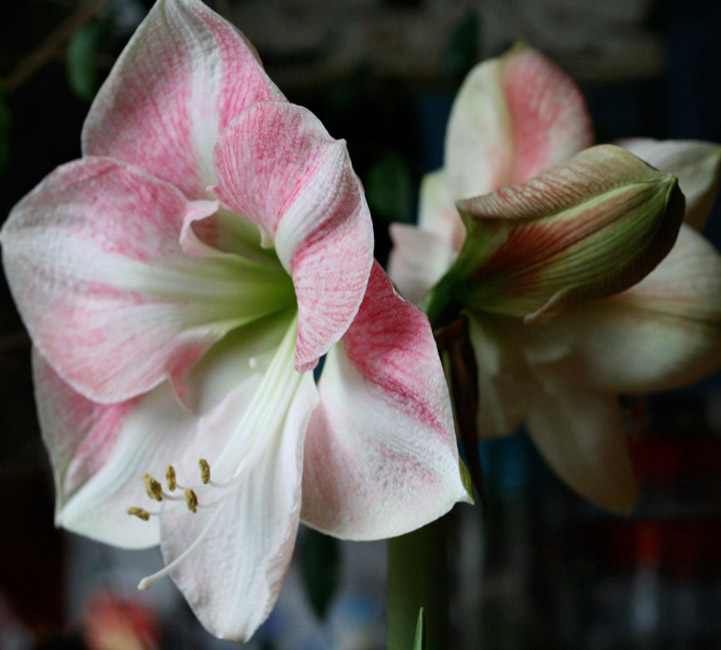
Photograph courtesy of www.flickr.com/photos/vonb/
Amaryllis
Belladonna Lily
Martagon Lily
Tiger Lily
- This is an extremely easy-to-grow plant with which success is nearly guaranteed.
- Large bulbs can be potted up and grown to flower in the home.
- To avoid the plant getting too long and leggy it is best to give it plenty of light and relatively little water.
- One of the few plants that stands a chance of flowering a second time in the home - dry the bulbs out and rest them for several months before potting up again for the second flowering.
Most gardeners believe that hippeastrum and amaryllis are one and the same thing but plant experts disagree
7 .
What is the common name for Aphelandra squarrosa?
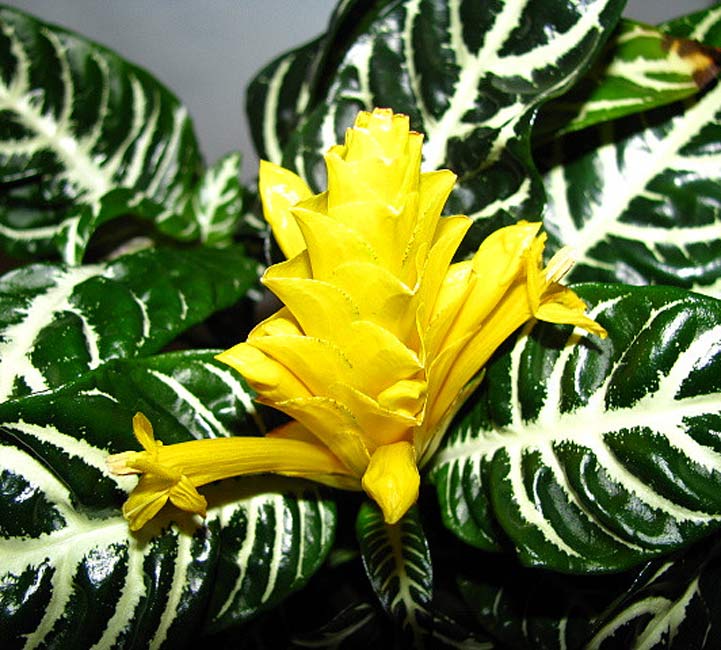
Photograph courtesy of Wilting In Sac
Contrast Plant
Highlight Plant
Striplicate Plant
Zebra Plant
- A native of Brazil where it enjoys warm, humid conditions.
- In the home it does best when temperatures are constantly at or above 65 degrees F (18 degrees C).
- Flowers only infrequently in the house but its striking foliage makes it worth growing even if it never flowers.
- If the plant becomes leggy cut it down to the bottom pair of leaves and it will then spring new growth.
8 .
This is the growing point of a variegated form of rubber plant. What is the rubber plant's scientific name?
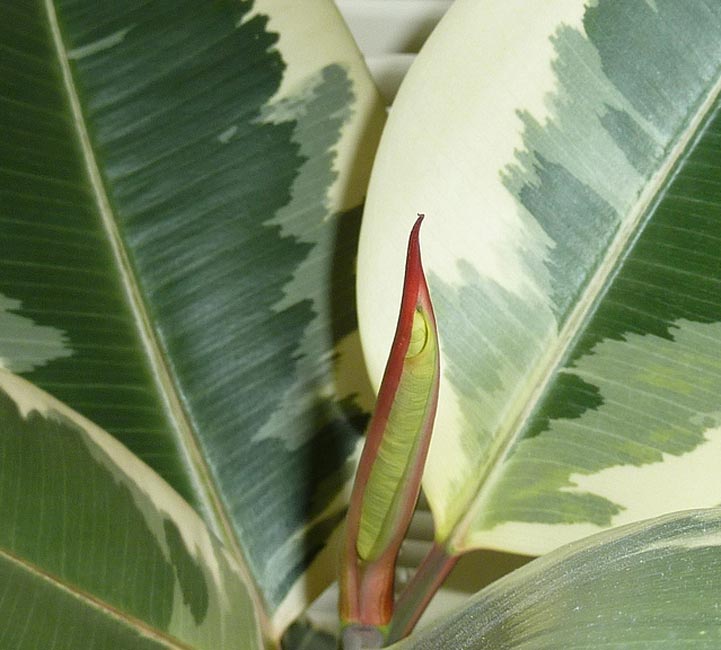
Photograph courtesy of www.flickr.com/photos/dizfunk/
Ficus benjamina
Ficus elastica
Ficus microcarpa
Ficus pumila
- Plants growing in the wild in India and Indonesia can reach 60 metres high and have a trunk 2 metres across!
- A stem that is cut will ooze latex but this is NOT the plant used for commerical rubber production.
- It is a long-lived houseplant that will sometimes develop arial roots as it gets older.
- In the home it requires a sunny position and care should be taken not to over-water.
All the others are used as houseplants but only Ficus elastica is referred to as the rubber plant.
9 .
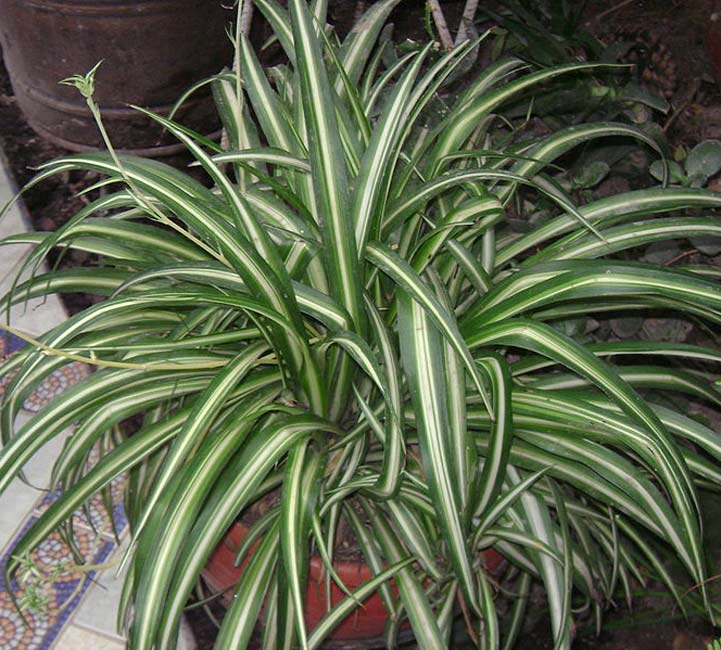
From which continent does the spider plant originate?
Africa
Europe
North America
South America
- Latin Name: Chlorophytum comosum.
- Called the spider plant because of the plant's tendency to produce tiny plantlets that resemble spiders.
- A green form is available but the ones most often seen have variegated foliage.
- Extremely easy to grow and will withstand low temperatures provided it does not get frozen.
- Often seen in offices where it is said to help purify the air.
10 .
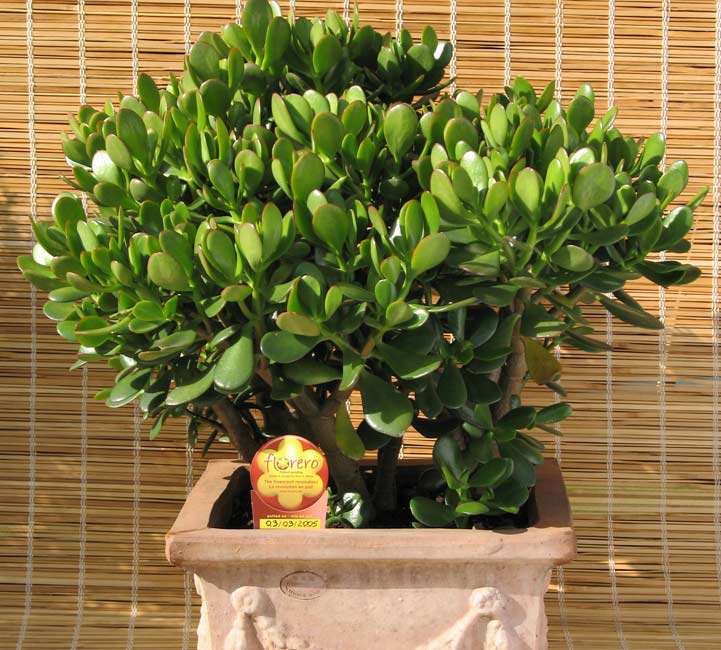
What is the colour of a Money plant's flowers?
Blue
Red
Yellow
White
- Latin Name: Crassula ovata.
- Sometimes also known as friendship plant, jade plant and lucky plant.
- To keep the plant healthy it is imperative that the compost dries out between each watering.
- One of the easiest plants to propagate - break off a piece of stem with 4 or 5 leaves and insert in a pot of relatively dry compost. Rooting normally takes place in 14 to 28 days.



**Unlimited Quizzes Await You! 🚀**
Hey there, quiz champ! 🌟 You've already tackled today's free questions.
Ready for more?
Ready for more?
🔓 Unlock UNLIMITED Quizzes and challenge yourself every day. But that's
not all...
not all...
🔥 As a Subscriber you can join our thrilling "Daily Streak" against other
quizzers. Try to win a coveted spot on our Hall of Fame Page.
quizzers. Try to win a coveted spot on our Hall of Fame Page.
Don't miss out! Join us now and keep the fun rolling. 🎉
**Unlimited Quizzes Await You! 🚀**
Hey there, quiz champ! 🌟 You've already tackled today's free questions. Ready for more?
🔓 Unlock UNLIMITED Quizzes and challenge yourself every day. But that's not all...
🔥 As a Subscriber you can join our thrilling "Daily Streak" against other quizzers. Try to win a coveted spot on our Hall of Fame Page.
Don't miss out! Join us now and keep the fun rolling. 🎉




© Copyright 2016-2026 - Education Quizzes
Work Innovate Ltd - Design | Development |
Marketing
