




Ask the AI Tutor
Need help with Perennials - Perennials 1? Ask our AI Tutor!
AI Tutor - Lucy
Connecting with Tutor...
Please wait while we establish connection
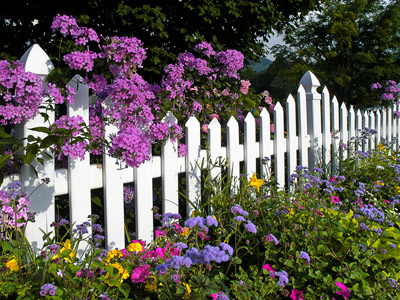
Perennials are a must-have in any garden!
Perennials - Perennials 1
Perennials come back each year, but they need the right start. Explore how to choose, plant, and care for them so they grow stronger and flower well.
To see a larger image, click on the picture.
1 .
What type of soil must Rhododendrons have in order to thrive?
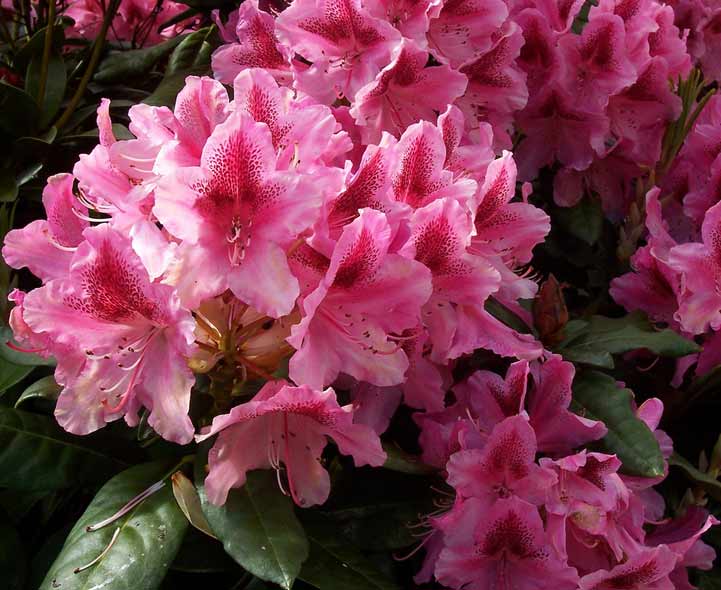
Photograph courtesy of Ambersky235
Acid
Alkaline
Clayey
Sandy
- Botanically this genus includes Azaleas but gardeners usually think of Rhododendrons and Azaleas as completely different plants.
- The Queen's estate at Sandringham is noted for its wonderful displays.
- Some species grow so profusely that they are regarded as an intrusive weed.
- Foliage is so dense that virtually nothing will grow in their shadow.
The plants are ericaceous and as such they will not tolerate alkaline soils.
2 .
No herbaceous border is complete without this beautiful plant. What is its common name?
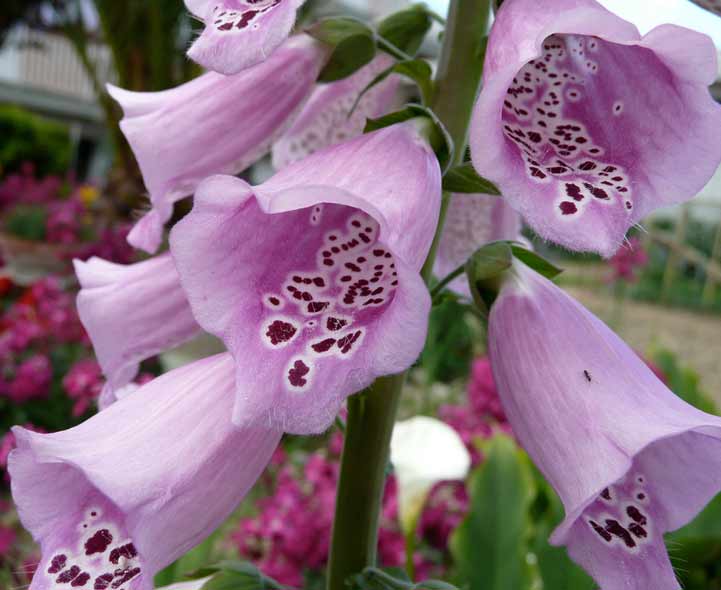
Photograph courtesy of Pissodisevo
Foxdress
Foxglove
Foxhat
Foxsock
- Digitalis was often used medicinally for various heart conditions. Its use is now discouraged because of its unpredictable amounts of active ingredients - too much can kill you!
- Its name means "finger-like" because the flowers fit easily around a human finger.
- Flowers come in a range of shades from pure white to deep purple.
- Grows in sun or shade but in the latter it might grow very tall and need staking.
3 .
Which small tree flowers early in the Spring and has flowers like those in the picture?
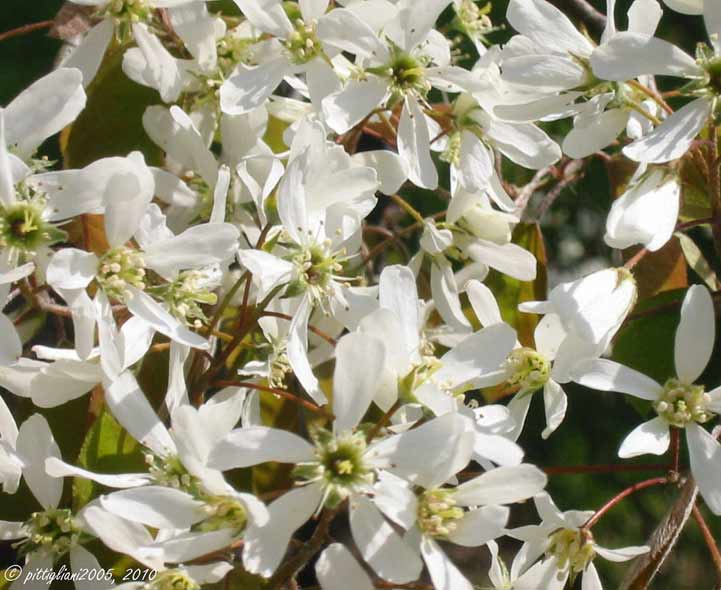
Photograph courtesy of pittigliani2005
Abelanchier
Acelanchier
Amelanchier
Apelanchier
- Sometimes known as the Shadbush or Shadwood.
- There are about 20 different species and all are deciduous.
- The flowers are white or light pink and these are follwed by red or puple berries which are an important food-source to wildlife.
- In the USA some varieties are grown for human consumption but, as far as we know, this is not the case in the UK.
4 .
From where do most species of Clematis originate?
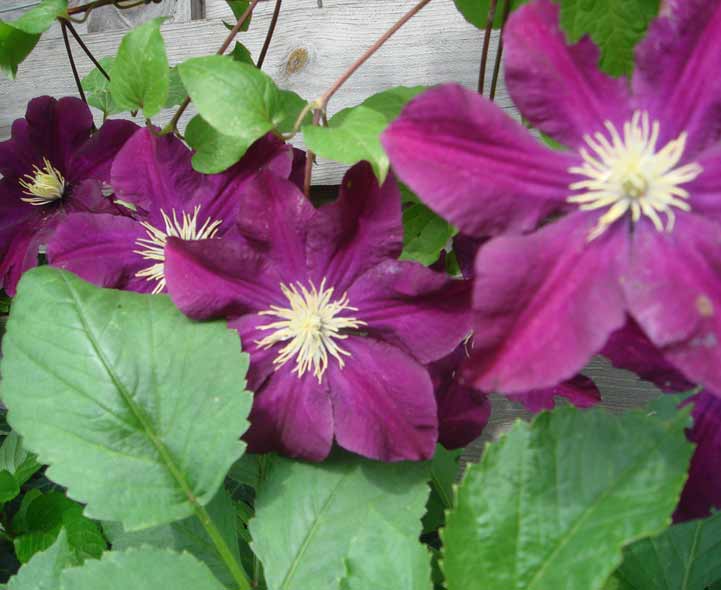
Photograph courtesy of Qsimple
Australia
China and Japan
Europe
South America
- There is a British Clematis Society that exists for the purpose of encouraging all gardeners to grow and enjoy clematis.
- Plants can be grown from seed but a batch will contain both "Good" and "Bad" plants - you might be lucky enough to find a new show-stopper!
- To propagate the varieties that you particularly like you need to take cuttings early in the year so that the new plants build up their strength before the next winter.
5 .
Penstemons are known for their ability to flourish in what type of conditions?
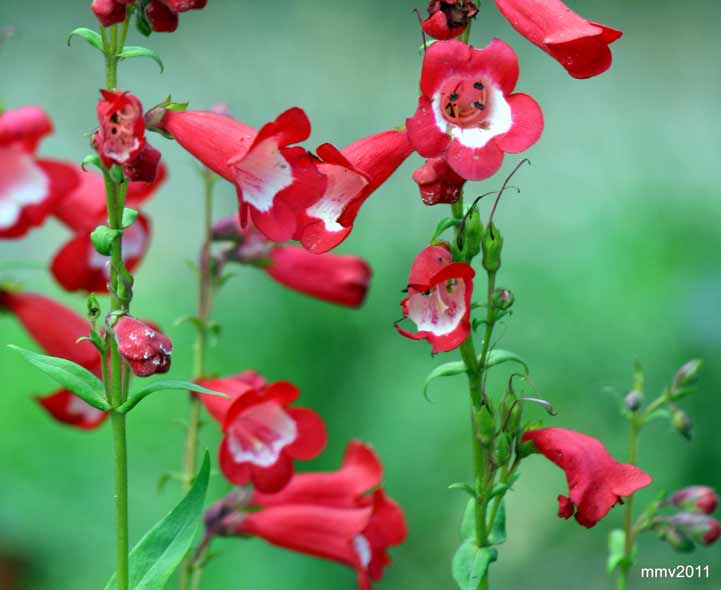
Photograph courtesy of M. Martin Vicente
Dry
Humid
Wet
Windy
- The flower shape is very distinctive and the plants are sometimes referred to as "Beard-tongues"!
- Wikipedia lists more than 250 different species and there are countless hybids.
- In July each year the Flagstaff arboretum in Arizona hosts a famous "Penstemon Festival".
- Some varieties are not reliable hardy in cold conditions so it pays to mulch choice plants with straw each winter.
Many of the species come from desert regions
6 .
What species of Euonymous is this evergreen shrub?
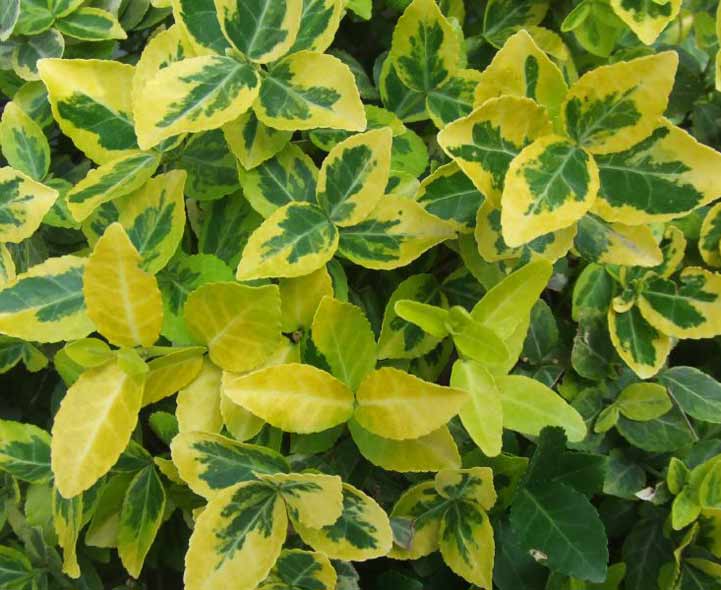
Photograph courtesy of Bill Barber
Forchinious
Fortanimous
Fortonia
Fortunei
- Often called the Spindle tree.
- There are many different varieties that come in a range of foliage colours.
- The variety shown is "Emerald 'n' Gold" - one of the most popular varieties for winter colour.
- Sometimes used to form low growing hedges that require little attention because of their slow growth.
- Any green growth (non variegated) that appears should be removed as soon as possible.
7 .
Why does it pay to take care around Berberis plants?
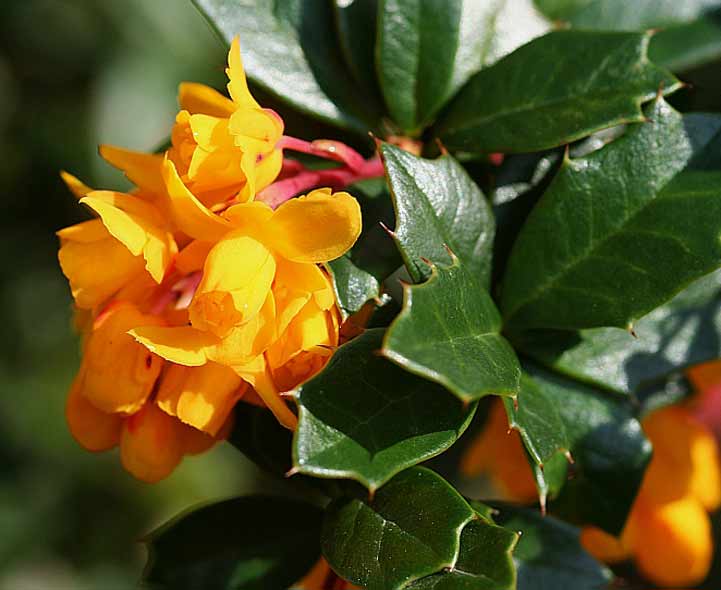
Photograph courtesy of ndrwfgg
Branches are thorny
Flowers harbour wasps
Foliage is irritating
Whole plant is poisonous
- The picture shops Berberis Darwinii which produces masses of golden flowers in spring followed by berries in the autumn.
- Plants are fast growing and extremely hardy.
- Needs little care other than pruning to keep it contained to the area you require - often at the back of a shrub border.
- Is tolerant of most soils - even heavy clay.
- Grows quickly enough to be used as a screen.
Berberis is a good choice if you want to create an inpenetrable barrier.
8 .
The plant in the photograph belongs to a genus that contains garden plants grown for both their flowers and their foliage. What is it?
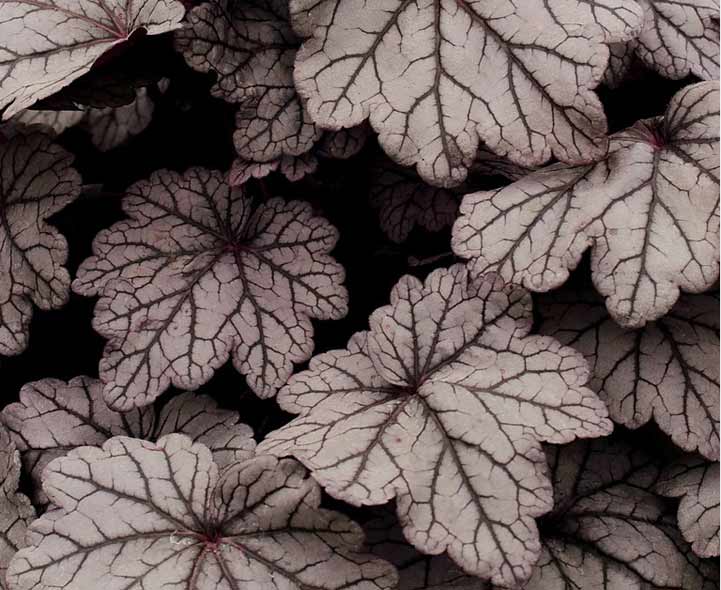
Photograph courtesy of Adheds
Euonymous
Heuchera
Mahonia
Skimmia
- Belongs to the Saxifragaceae family.
- The plants hybridize easily and this has led to a pletheora of different types.
- A nursery in the new forest specialize in the plants and offer a fabulous range. Search Google on the genus name and you are sure to find them!
"Heucheraholics" in the New Forest offer a splendid range of these plants for your garden. Their website is at http://heucheraholics.co.uk/
9 .
Gunnera is sometimes known as what?
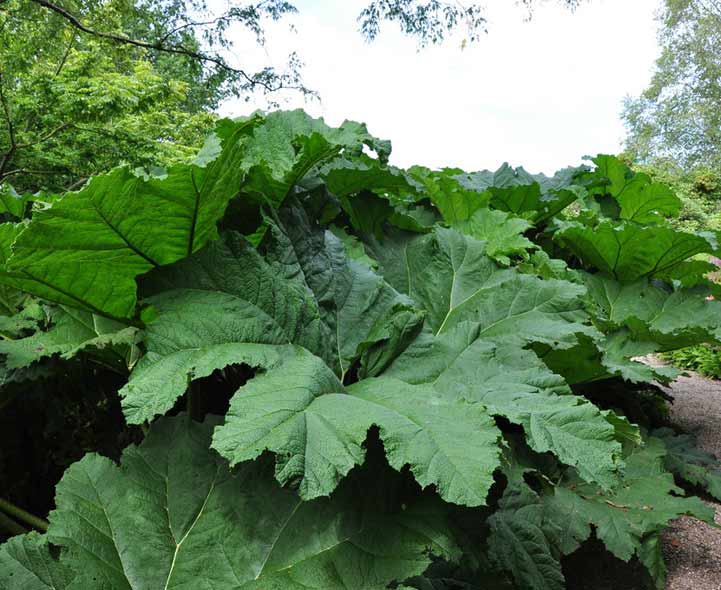
Photograph courtesy of Douneika
Dinosaur food
Elephant food
Hippopotamus food
Rhinoceros food
- Individual leaves can be broader than the height of a man!
- The flower-heads are in proportion to the leaves and can weigh over 10 kilos.
- It resembles a giant rhubarb and is sometimes known as that.
- The prickly underside of the leaves are strong enough to tear skin.
- Best grown in a boggy area or beside a pond where there is plenty of space.
10 .
What is the botanical name of the Peruvian Lily?

Photograph courtesy of J J Harrison
Alstroemeria
Alternaria
Anchusa
Anemone
- There are about 120 different species and almost all come from South America.
- Hybrid varieties are often grown in glasshouses for use as cut flowers.
- Available in several different shades of red, yellow, orange and pink.
- The plants grow easily in most garden soils.
- Produce rhizomes which can be lifted every few years and split-up as a means of propagation.
Our Social Circles




**Unlimited Quizzes Await You! 🚀**
Hey there, quiz champ! 🌟 You've already tackled today's free questions.
Ready for more?
Ready for more?
🔓 Unlock UNLIMITED Quizzes and challenge yourself every day. But that's
not all...
not all...
🔥 As a Subscriber you can join our thrilling "Daily Streak" against other
quizzers. Try to win a coveted spot on our Hall of Fame Page.
quizzers. Try to win a coveted spot on our Hall of Fame Page.
Don't miss out! Join us now and keep the fun rolling. 🎉
**Unlimited Quizzes Await You! 🚀**
Hey there, quiz champ! 🌟 You've already tackled today's free questions. Ready for more?
🔓 Unlock UNLIMITED Quizzes and challenge yourself every day. But that's not all...
🔥 As a Subscriber you can join our thrilling "Daily Streak" against other quizzers. Try to win a coveted spot on our Hall of Fame Page.
Don't miss out! Join us now and keep the fun rolling. 🎉
© Copyright 2016-2026 - Education Quizzes
Work Innovate Ltd - Design | Development |
Marketing
