




Ask the AI Tutor
Need help with Perennials - Perennials 2? Ask our AI Tutor!
AI Tutor - Lucy
Connecting with Tutor...
Please wait while we establish connection
See if you can get 10 out of 10 in this quiz.
Perennials - Perennials 2
Some perennials stay leafy all year, others vanish in winter. Learn how to spot the difference, and how to tidy plants without cutting away next season’s growth.
To see a larger image, click on the picture.
1 .
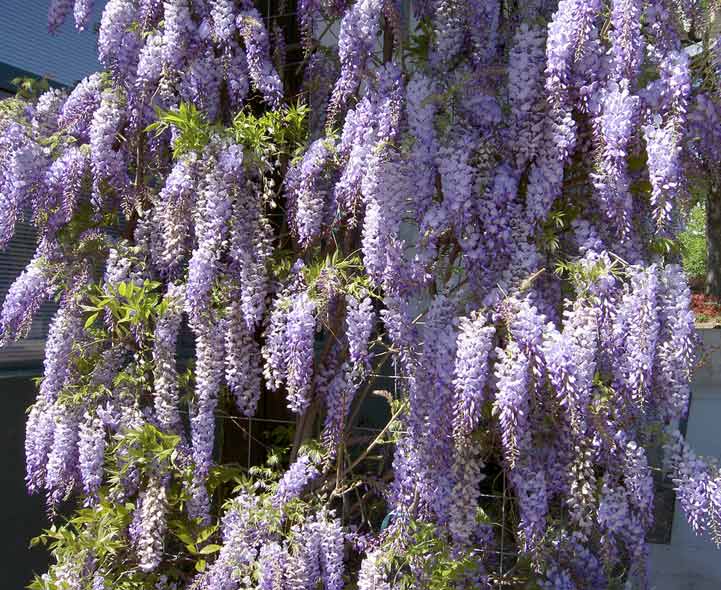
A Wisteria in Sierra Madre is reckoned to be the world's largest flowering plant. How many blossoms does it carry each year?
Photograph courtesy of The Eyes Have It
1,500
15,000
150,000
1,500,000
- Wisterias are beautiful climbing plants that are ideal for training up garden walls and pergolas.
- Prefers full sun but will tolerate a little shade.
- Make sure that the soil is kept moist particularly during their first two or three summers.
- When buying a new plant try to choose a plant that is already in flower - some seed raised plants can take 20 years before they produce their first blooms!
That's right - over one and a half million blossoms! It has been growing for over 100 years and now covers more than an acre.
2 .
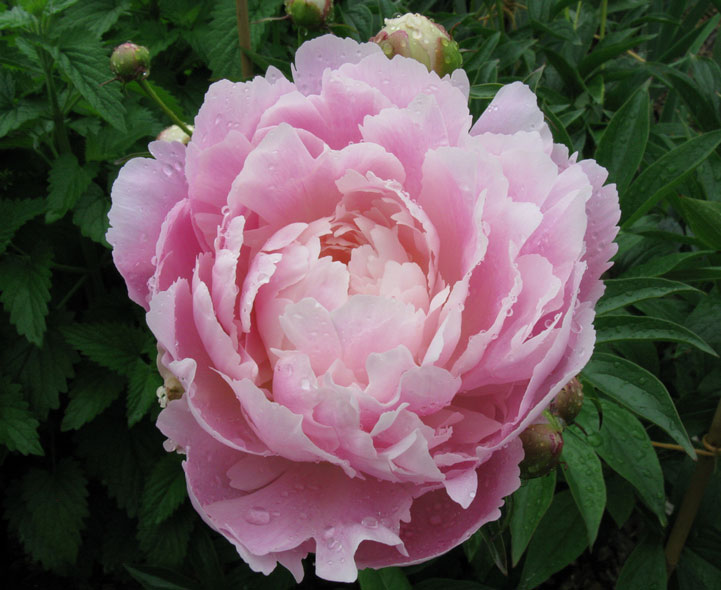
Peonies are named after Paean who was what to the Greek gods?
Photograph courtesy of Tie Guy II
Pawnbroker
Plumber
Psychiatrist
Physician
- Large, often double, flowers come in a range of pinks, reds and whites that delight most ladies!
- Make ideal cut flowers in late Spring.
- Grows best in full sun and good drainage is imperative.
- The best varieties of herbaceous peonies are propagated by lifting the "crowns" in the autumn and carefully splitting up into small sections.
- Expect it to take two to three years before a new plant flowers.
3 .
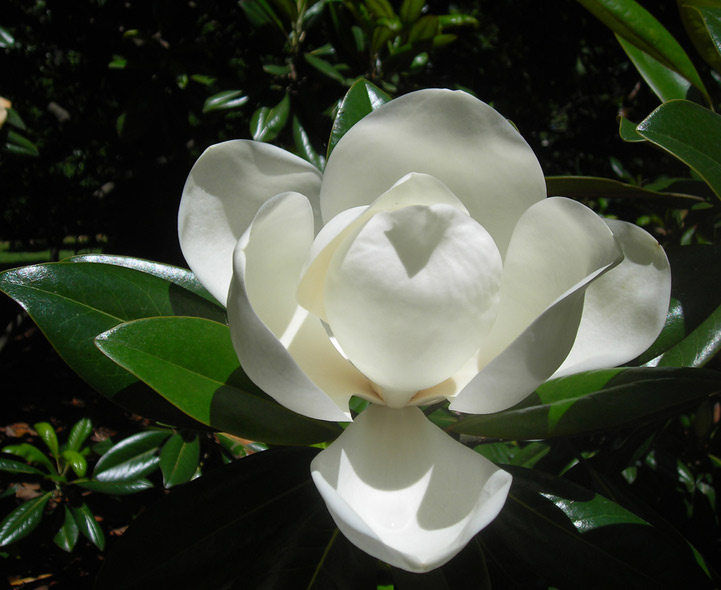
Magnolia flowers developed in such as a way that they encourage pollination by what?
Photograph courtesy of Simplerich
Ants
Bees
Beetles
Birds
- Usually the flowers are pink or white but you can also find yellow and purple varieties.
- They are most often appreciated as small trees in early spring - the flowers open before the leaves appear.
- Plants require fertile, most soil and alkaline soils are a definite no no!
- A sheltered site is preferable and close to a south facing wall is ideal.
- Not the easiest garden plant to grow but can be really stunning if you have the right conditions.
Mangolias are very ancient plants that evolved before the time of bees.
4 .
The "Winter Daphne" (Daphne odora) is best known for what?
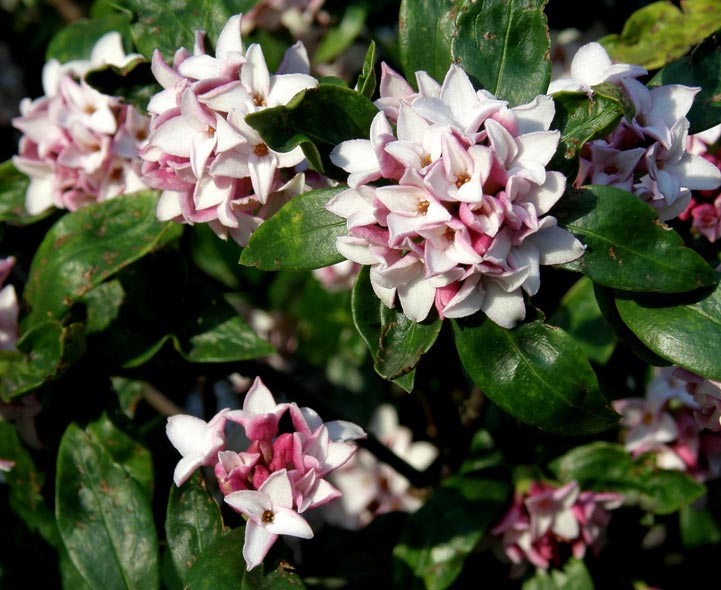
Photograph courtesy of Nemo's great uncle
Its brilliantly colourful flowers
Its medicinal properties
Its scent
Its striking foliage
- The plant is difficult to grow and probably best not attempted by beginners!
- The secret to success is to find just the right spot for it.
- Soil pH is not important but Daphne hate waterlogged conditions - free drainage is essential.
- Equally they dislike hot, dry conditions so plenty of humus in the soil and supplementary summer water are important.
Many people consider this to be the most exquisite of all garden fragrances in late winter and early spring.
5 .
Echinops are most commonly known as what?
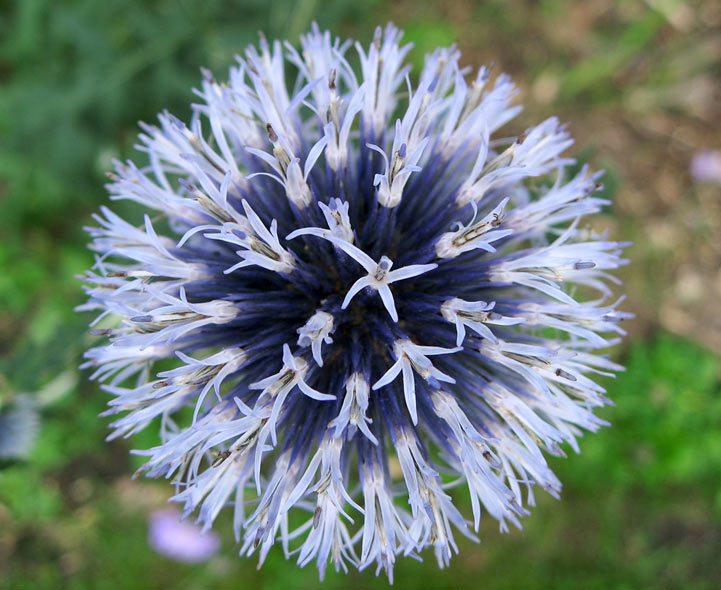
Photograph courtesy of Beautifulcataya
Globe artichokes
Globe onions
Globe plants
Globe thistles
- A tall growing, striking looking plant that requires plenty of space.
- Many insects and especially bees find the large flower heads irrisistible.
- Does best on well-drained but poor soils.
- Excessive nutrients will lead to the plant growing too tall with a danger of it becoming top-heavy.
- Fully hardy in the UK - cut down to ground level before the onset of winter.
- Roots can be lited and divided for propagation.
6 .
What is the common name for Crocosmia?
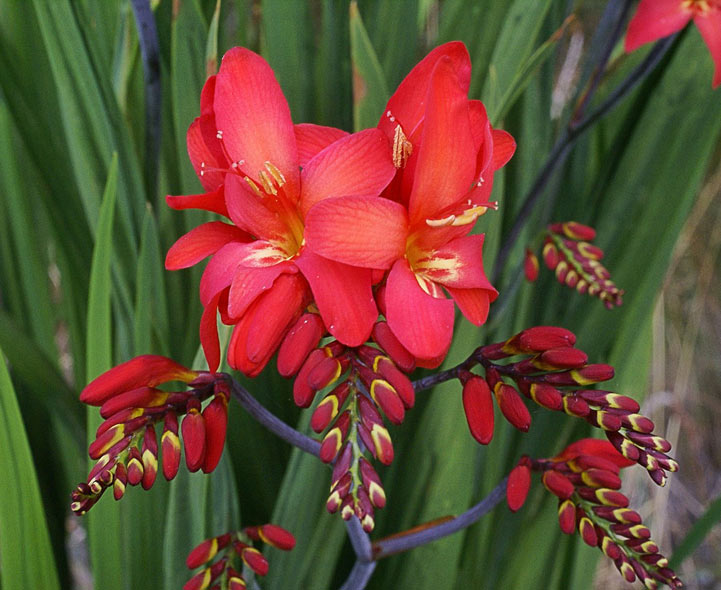
Photograph courtesy of Skagitrenee
Mesquite
Milkweed
Morel
Montbretia
- Flowers come in a multitude of fiery yellows, reds and oranges.
- Plants grow from corms which are unusual in that they are produced in vertical strings underground.
- Produces dense clumps of upright foliage and a host of dainty sprays of flowers which are excellent for cutting.
- Not fussy about soil tpyes - can be acid or alkaline, light of heavy.
In the USA they are sometimes called "Coppertips" or "Falling stars"
7 .
Red Hot Pokers are named after which botanist?
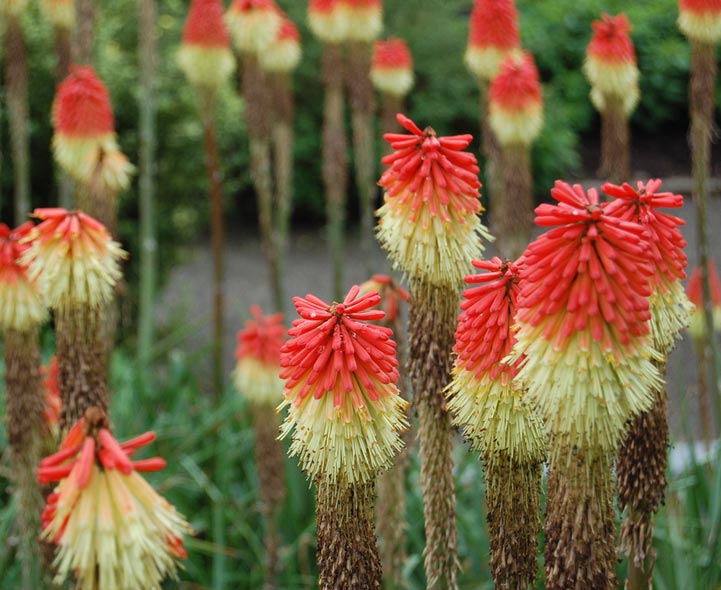
Photograph courtesy of Magnusscania
Professor Hotihandlii
Professor Kniphof
Professor Pokoritus
Professor Redinskia
- Counted amongst their many names are Tritoma, Torch lily and Poker plant.
- Modern hybrids come in shades of green, pink and yellow as well as the ever-popular reds.
- The large amount of nectar that the plants produce attracts insects of all shapes and sizes.
- In warmer countries they are sometimes grown to attract hummingbirds.
- A good growing tip is "Not too wet in winter and not too dry in summer"
The clue is in the scientific name of the plant - Kniphofia
8 .
The Common Broom is scientifically known as what?
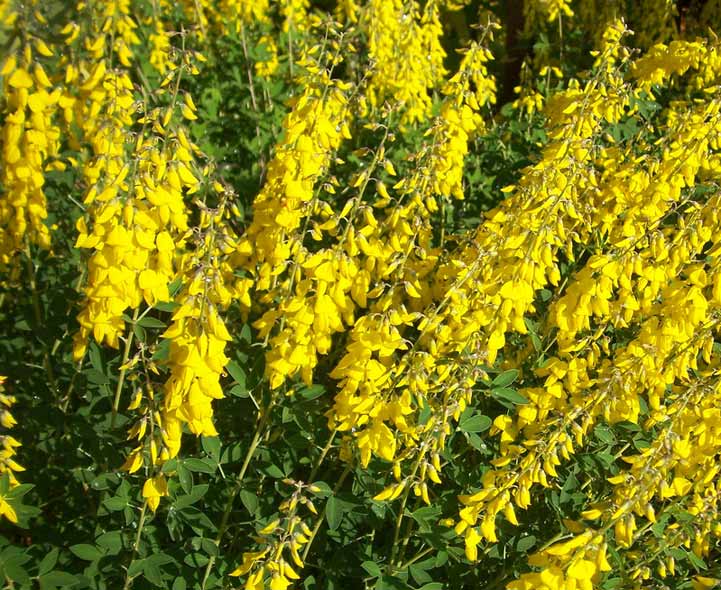
Photograph courtesy of Wallygrom
Callisia
Choisya
Citrus
Cytisus
- The plant is often known as the Scotch Broom and even the English Broom!
- Often found growing wild on dry, sandy soils.
- It has been introduced to countries outside of the UK where it has developed into an invasive weed.
- A range of varieties have been developed for the garden that usually have a more compact habit and often deeper coloured flowers.
- In summer the dark seed pods often break open with a loud crack which children find fascinating.
9 .
In the wild, Passion flowers are absent from just two continents - Antarctica and which other?
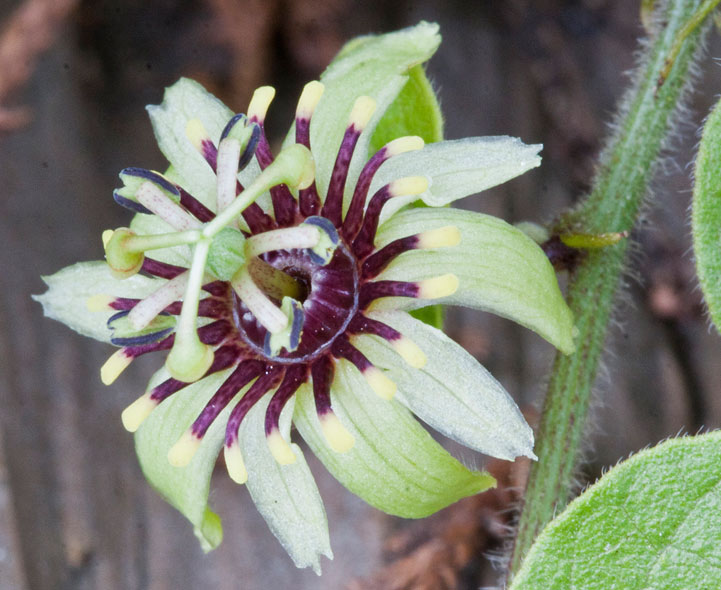
Photograph courtesy of Roberto Castro-Cortes
Africa
Asia
Europe
South America
- Flowers are beautifully intricate but they usually only last one day.
- The plant has many properties that endear it to geneticists and this has led to a profusion of cultivars being developed.
- Some varieties produce edible fruits but it is too cold for this in the UK.
- Despite its exotic appearance the plant is not too difficult to grow provided that it can be given a free-draining soil.
10 .
Cotoneasters bear a profusion of red berries in the autumn but what colour are the spring flowers?
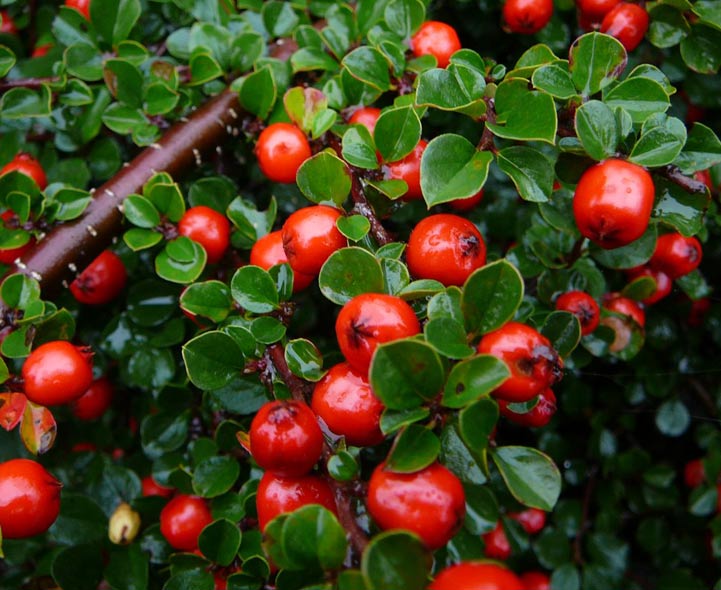
Photograph courtesy of KingsbraeGarden
Blue
Red
White
Yellow
- Bees love the flowers in the spring whilst blackbirds and thrushes eagerly devour the berries in the autumn and early winter.
- There are many different varieites; some suitable for hedging or growing against a wall and others that are ideal ground cover plants.
- Easy to grow in almost any soil.
- They can be pruned to shape at any time of the year without fear of damaging the plants.



**Unlimited Quizzes Await You! 🚀**
Hey there, quiz champ! 🌟 You've already tackled today's free questions.
Ready for more?
Ready for more?
🔓 Unlock UNLIMITED Quizzes and challenge yourself every day. But that's
not all...
not all...
🔥 As a Subscriber you can join our thrilling "Daily Streak" against other
quizzers. Try to win a coveted spot on our Hall of Fame Page.
quizzers. Try to win a coveted spot on our Hall of Fame Page.
Don't miss out! Join us now and keep the fun rolling. 🎉
**Unlimited Quizzes Await You! 🚀**
Hey there, quiz champ! 🌟 You've already tackled today's free questions. Ready for more?
🔓 Unlock UNLIMITED Quizzes and challenge yourself every day. But that's not all...
🔥 As a Subscriber you can join our thrilling "Daily Streak" against other quizzers. Try to win a coveted spot on our Hall of Fame Page.
Don't miss out! Join us now and keep the fun rolling. 🎉




© Copyright 2016-2026 - Education Quizzes
Work Innovate Ltd - Design | Development |
Marketing
