




Ask the AI Tutor
Need help with Perennials - Perennials 3? Ask our AI Tutor!
AI Tutor - Lucy
Connecting with Tutor...
Please wait while we establish connection
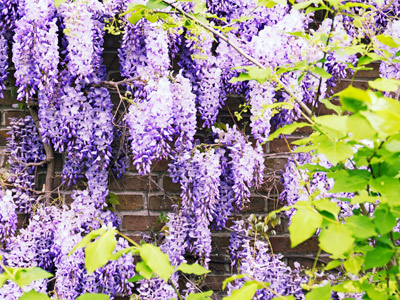
Wisteria is sure to brighten the dullest wall.
Perennials - Perennials 3
Mulching can make perennials stronger and easier to care for. Find out what mulch does, when to apply it, and how to avoid smothering the plant’s crown.
To see a larger image, click on the picture.
1 .
What is the popular name for Hemerocallis?
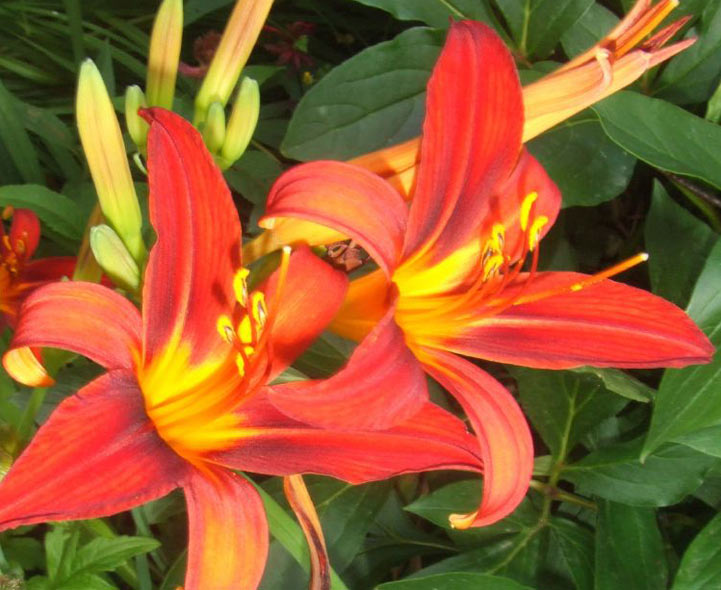
Photograph courtesy of Bill Barber
Amazon lily
Daylily
Kaffir lily
Spider Lily
- An extremely diverse range of colours and flower forms are available.
- The plant is so popular in the gardening fraternity that there are over 60,000 registered varieties.
- Usually an individual flower only lasts one day but most plants carry many flowers that open in succession.
- Water frequently during the first summer after planting and then they will look after themselves.
2 .
Larkspur is the common name for which species of perennial flowering plants?
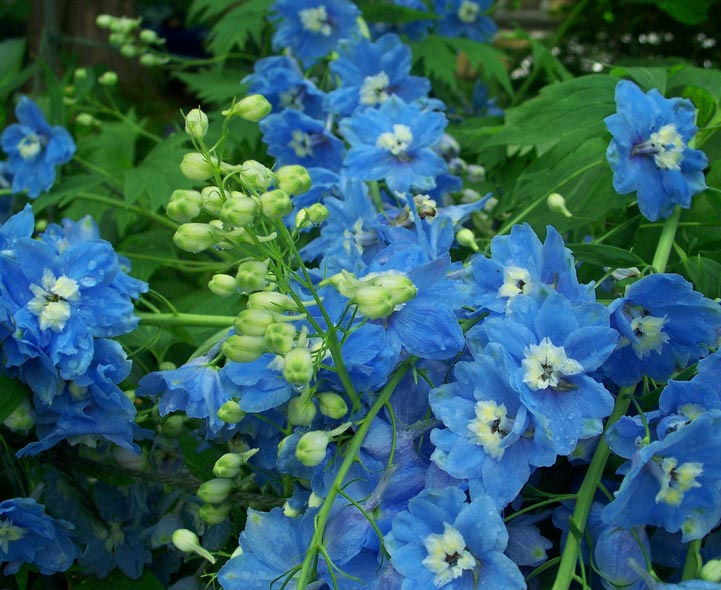
Photograph courtesy of mmwm
Delphinium
Digitalis
Dracaena
Dymondia
- Available in every conceivable colour of blue and pink from almost white to deep purple.
- Although beautiful, most parts of the plant are poisonous and must be kept away from grazing animals.
- Best grown in full sun because in shady areas they tend to grow too tall and fall over when the heavy flowers begin to open.
- Give them a light top-dressing of fertilizer in early spring and then again later if the foliage starts to turn yellow.
The plant is sometimes confused with Digitalis (Foxglove) because both have long flowering stems and they are often found close together in perennial borders.
3 .
The "Berries" of Pyracantha are scientifically known as what?
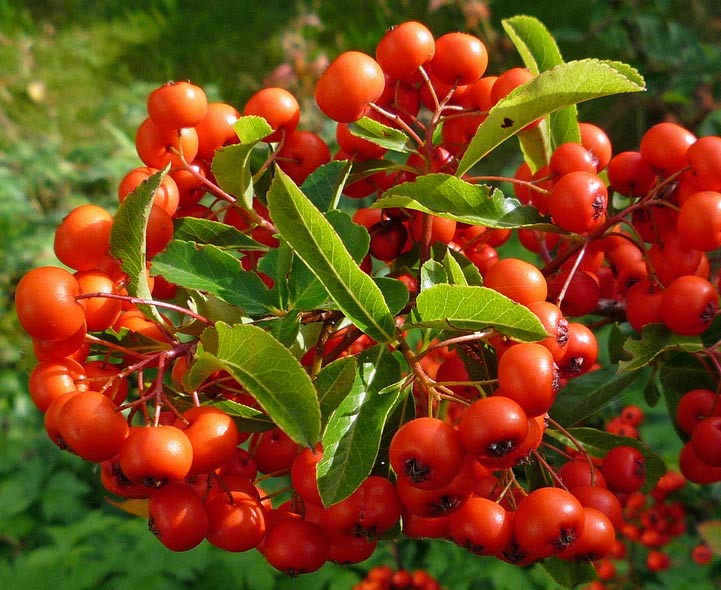
Photograph courtesy of D H Wright
Cones
Domes
Pomes
Zones
- Sometimes known as Firethorn.
- There are 7 different species and many different hybrids and cultivars.
- The plants are grown for their profusion of red, orange or yellow berries.
- Closely related to Cotoneasta but whereas Cotoneasta are thornless, Pyracantha are vicious!
- Ideal plants for covering unsightly walls and they will flourish even if the wall faces north. Indeed they do not like too much direct sun.
4 .
Most Hydrangea flowers are classified by gardeners as either "Lacecap" or what?
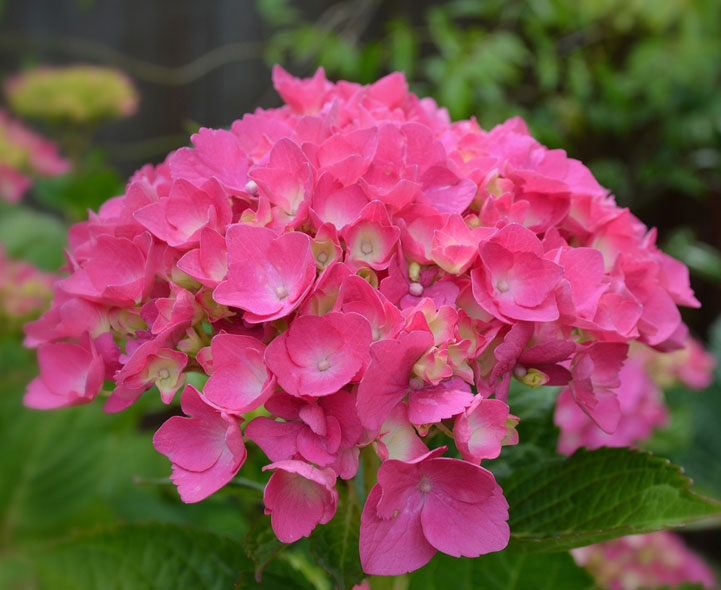
Photograph courtesy of VIc Myma
Broomhead
Brush-head
Cloth-head
Mophead
- All varieties are deciduous and frost hardy.
- They grow best in a rich, well drained soil but sometimes perform well in less than ideal conditions.
- Often grown as a spring flowering pot plant and they are excellent plants for patio containers.
- Flower colour is influenced by the acidity of the soil - acid soils tend to make the flowers blue whilst alkaline conditions result in pink and red flowers.
The picture is of a "Mophead" type
5 .
What is the name of this plant (named after the Greek goddess of youth)?
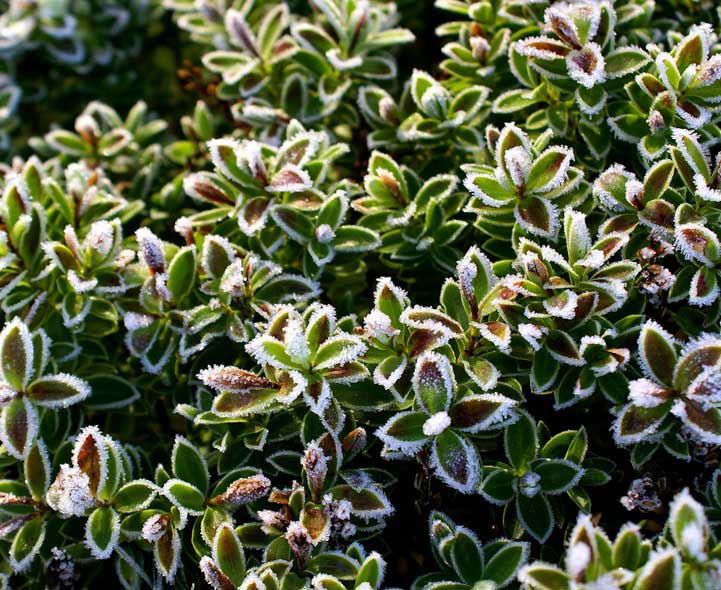
Photograph courtesy of Ennor
Harmonia
Hebe
Horkos
Hypnos
- There are about 90 different species of Hebe and almost all of them are found growing wild in New Zealand.
- They range is size from tiny alpine types to small trees of 7 metres or more.
- Almost all the species are well known for attracting butterflies to the garden.
- Some varieties are hardy whilst others are quite tender.
- Generally the larger the leaves the more tender they are.
6 .
What is the common name for Iberis?
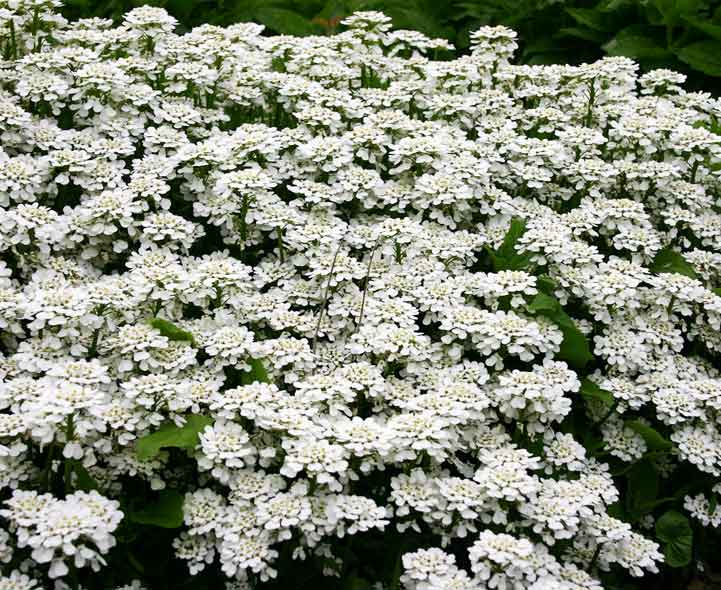
Photograph courtesy of Ryan Somma
Candytuft
Honeyball
Sugarpuff
Sweetmeat
- The species grown in gardens is usually Iberis Sempervirens.
- When grown in low nutrient soil they make good rockery plants but when provided with fertilizer they can hold their own in the front of a perennial border.
- Will grow in most situations and most soil types but it does not like waterlogged conditions.
- Very easy to raise from seed - a small packet will be enough to fill your garden!
7 .
This is the most widely grown Bergenia - what species is it?
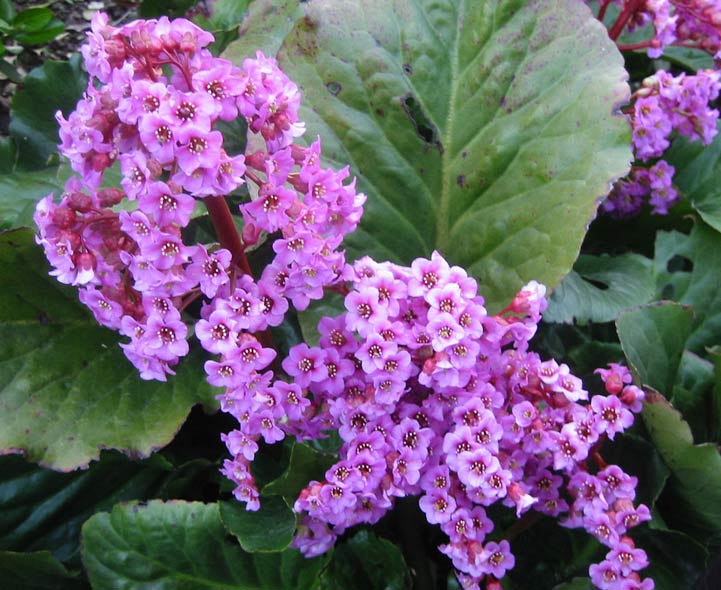
Photograph courtesy of pittigliani2005
Acicular
Bipinnate
Cordifolia
Digitate
- Common names include "Elephant ears" and "Pigsqueak".
- Attractive flowers appear in the spring.
- The large leaves, close to the ground, add interest to the garden in winter and also provide a foil for spring flowering bulbs.
- The foliage of some varieties develops a rich red colour during the coldest months of the year.
- Plants start to become straggly after about 5 years and this is the time to lift and divide them.
Cordifolia means "Heart shaped" and refers to the shape of the leaves.
8 .
Which common garden pest is noted for its partiality to Hostas?
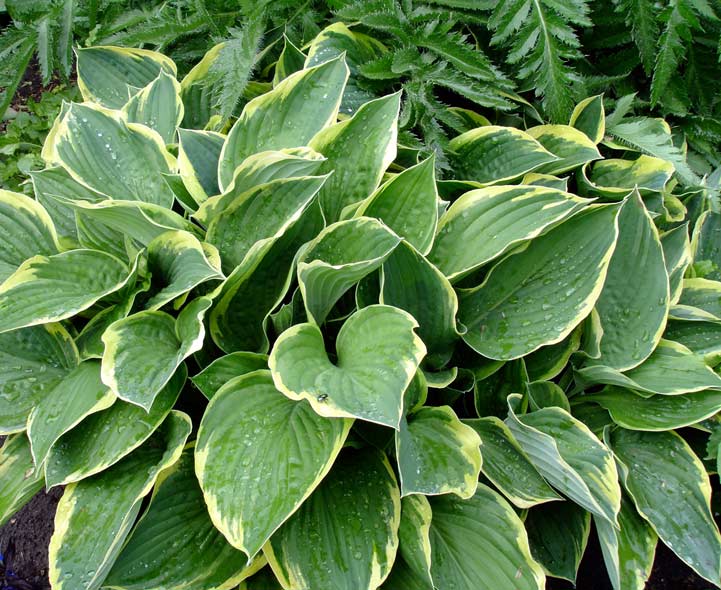
Photograph courtesy of Dayl Mitchell
Aphids
Caterpillars
Rabbits
Slugs
- There are many different species and varieties - several with attractive variegated foliage.
- Most varieties have fairly insignificant flowers but it is their striking foliage that makes them garden favourites.
- Very tolerant of shade and they make good ground cover plants against north or east facing walls.
- They respond to a little fertilizer once in a while and they appreciate a drink during periods of drought.
If any slugs live in your garden they will quickly home in on your Hostas!
9 .
Agapanthus originate from where?
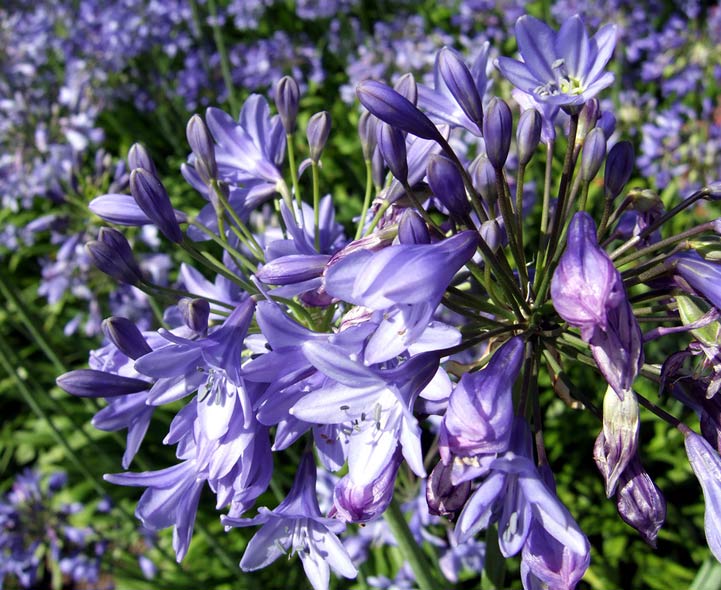
Photograph courtesy of Speckled Jim
Northern Europe
Eastern Australia
Southern Africa
Western USA
- The most common flower colour is blue but you can also buy white and pink varieites.
- The plants require a fertile, well-drained soil and they must be planted in full sun.
- If your soil conditions are not ideal then good specimens can be grown in containers.
- Plants benefit from protection in harsh winters and it is a good idea to mulch them with straw.
10 .
How quickly do Skimmias grow?
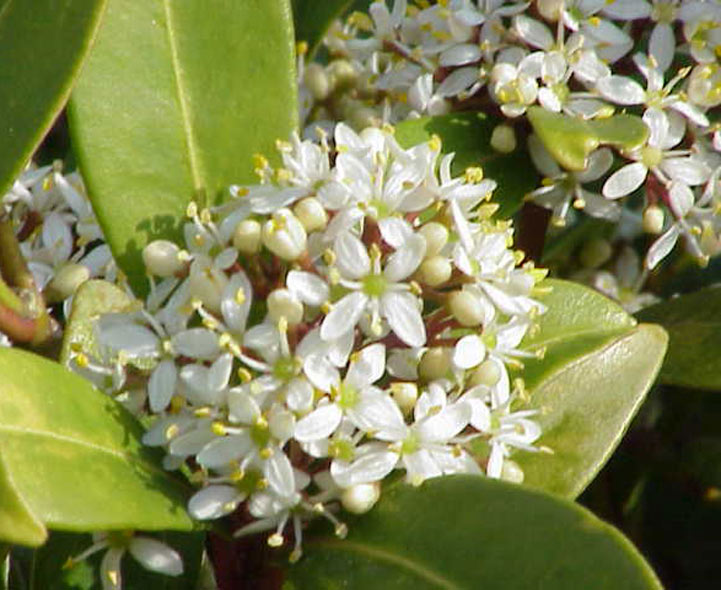
Photograph courtesy of Kurt Stüber at Wiki
Very slow
Slow
Fast
Very fast
- The most popular species is Skimmia Japonica - illustrated here.
- Flowers during the winter when colour in the garden is in short supply.
- The plant is very accommodating and will happily withstand both frosts and scorching summer sun.
- Will tolerate some shade but soil must be either neutral or acid.
- Does not like salt and therefore is best avoided in seaside gardens.
Skimmias can be relied upon not to overcrowd their neighbours in a perennial border.



**Unlimited Quizzes Await You! 🚀**
Hey there, quiz champ! 🌟 You've already tackled today's free questions.
Ready for more?
Ready for more?
🔓 Unlock UNLIMITED Quizzes and challenge yourself every day. But that's
not all...
not all...
🔥 As a Subscriber you can join our thrilling "Daily Streak" against other
quizzers. Try to win a coveted spot on our Hall of Fame Page.
quizzers. Try to win a coveted spot on our Hall of Fame Page.
Don't miss out! Join us now and keep the fun rolling. 🎉
**Unlimited Quizzes Await You! 🚀**
Hey there, quiz champ! 🌟 You've already tackled today's free questions. Ready for more?
🔓 Unlock UNLIMITED Quizzes and challenge yourself every day. But that's not all...
🔥 As a Subscriber you can join our thrilling "Daily Streak" against other quizzers. Try to win a coveted spot on our Hall of Fame Page.
Don't miss out! Join us now and keep the fun rolling. 🎉




© Copyright 2016-2026 - Education Quizzes
Work Innovate Ltd - Design | Development |
Marketing
