




Ask the AI Tutor
Need help with Perennials - Perennials 4? Ask our AI Tutor!
AI Tutor - Lucy
Connecting with Tutor...
Please wait while we establish connection
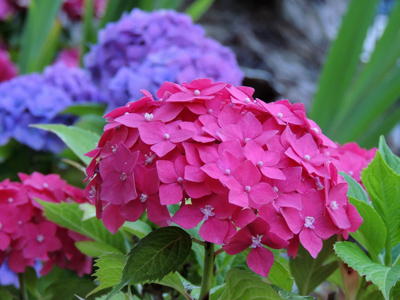
The colour of hydrangeas depend on the type of soil.
Perennials - Perennials 4
Some perennials politely stay put, while others slowly wander. Learn how spreading happens, what “spreading” means on labels, and simple ways to keep borders tidy.
To see a larger image, click on the picture.
1 .
Incarvillea has a common name of what?

Photograph courtesy of J.G. in S.F.
Chinese trumpet flower
Himalayan drum flower
Japanese cornet flower
Tibetan horn flower
- Sometimes also known as the "Hardy Gloxinia" because of the flower's resemblance to those of Gloxiinias.
- Varieties with pink or white flowers are the most prevalent.
- Different varieties vary in height from about 30cms to over a metre.
- Despite their delicate appearance the plants are relatively easy to grow provided you can give them a sunny position and a well-drained soil.
2 .
Holly was often planted in a hedge amongst other species for what purpose?
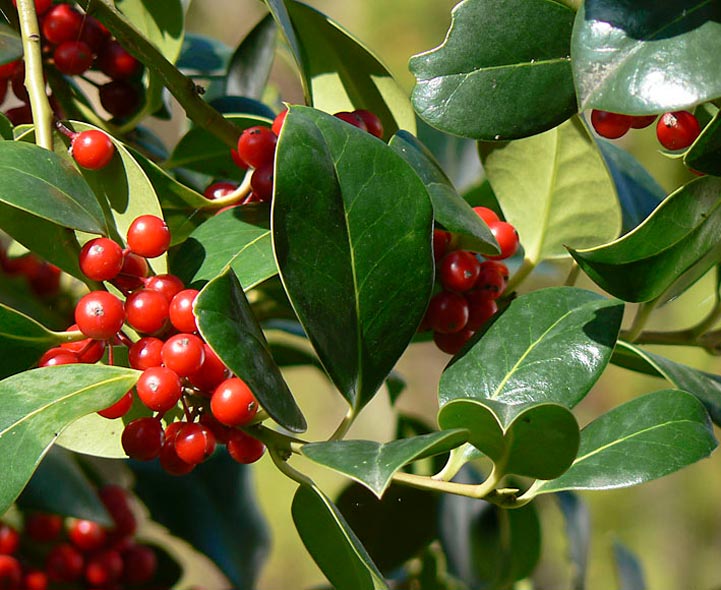
Photograph courtesy of Anpena
As a marker
To attract insects
To encourage birdlife
To deter lifestock
- Holly belongs to a genus of plants called Ilex.
- As well as providing welcome colour in the winter garden the berries are also valuable as food for hungry birds.
- Both green foliage and variegated foliage varieties are available.
- Generally speaking the more variegated the foliage the slower the growth - and that can be very slow indeed!
A single holly planted in a hedge was often used to indicate a parish boundary or to show the route of a footpath.
3 .
What is the common name for Hypericums?
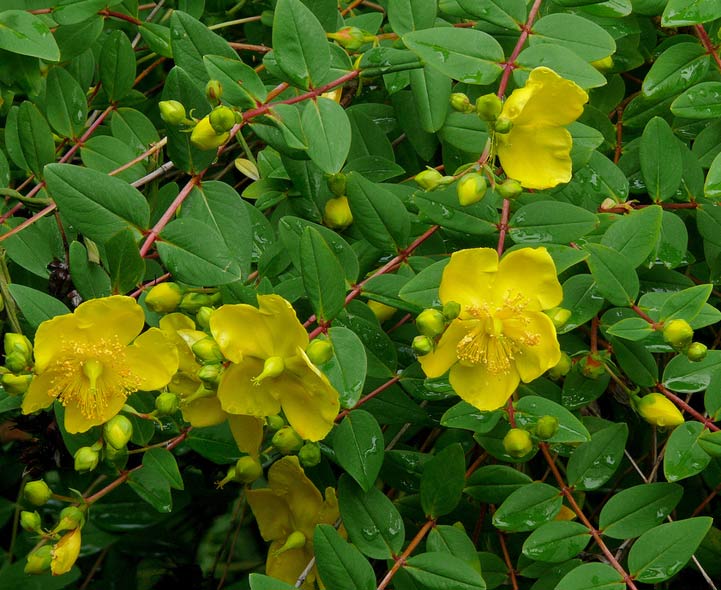
Photograph courtesy of J.G. in S.F.
St John's wort
St Luke's weed
St Paul's plant
St Peter's herb
- Sometimes known as the "Rose of Sharon".
- There are about 400 different species ranging in size from a few centimetres high to over 2 metres high.
- Flowers are invariably yellow and saucer shaped.
- Grows best in slightly acidic soil.
- Traditionally used as both an anti-depressent and an antibiotic but it must never be used without advice from a doctor.
The word "wort" in a plant name (such as liverwort or milkwort) usually infers that the plant was used for medicinal purposes.
4 .
Liatris belong to which family of plants
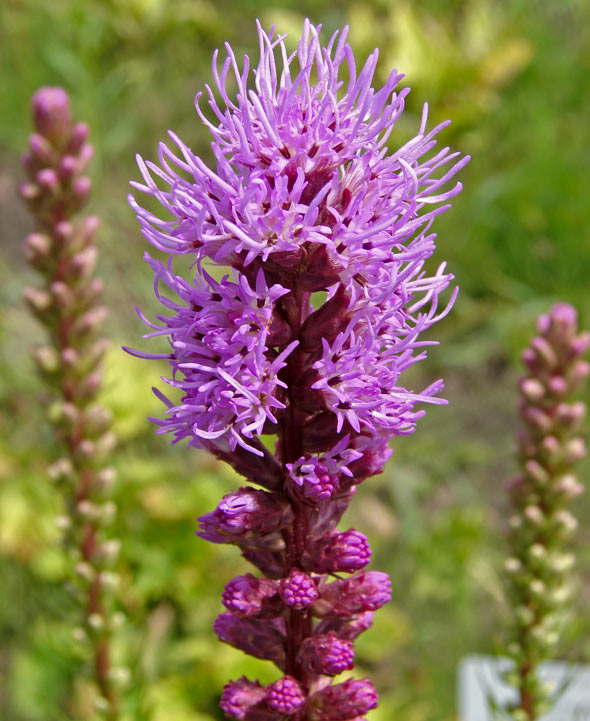
Photograph courtesy of Chrumps
Asteracea
Cruciferae
Solanaceae
Violaceae
- These excellent cut flowers are usually either pink or blue but occasionally you come across a white variety.
- An interesting characteristic is that the flowers open from the top down - look carefully at the picture opposite.
- Plants love dry conditions and hate wet soils.
- They are an ideal choice for a warm spot combined with a sandy soil.
- Dig up every four or five years and propagate them by dividing into several smaller pieces.
Liatris are closely related to annual Asters found in bedding displays and used as cut flowers.
5 .
How quickly would you expect "Morning Glory" to grow?
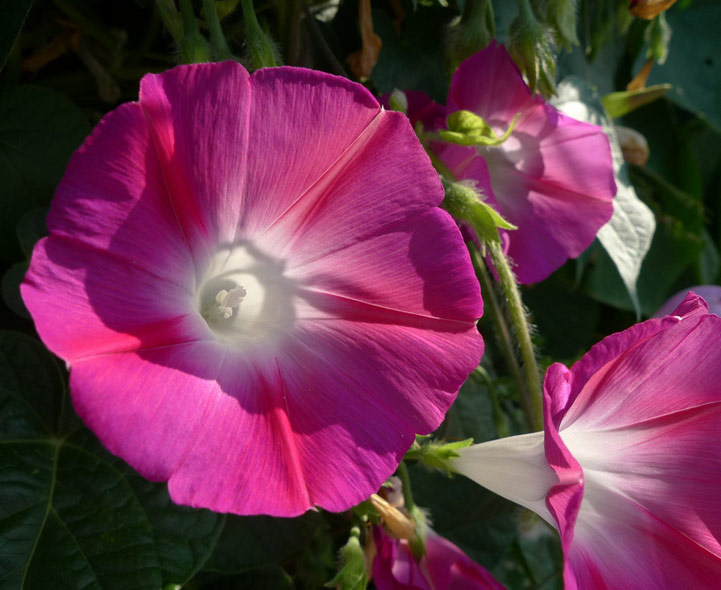
Photograph courtesy of Pizzodisevo
Very slowly
Slowly
Fast
Very Fast
- "Morning Glories" belong to a genus known as Ipomoeas.
- Flowers come in varying shades of blue, pink and white and each lasts only a day.
- There are both annual and perennial species and even the perennials are sometimes raised from seed each year.
- They are sometimes known as "Bindweed" because of their twining habit.
- In Arizona it is regarded as an invasive weed and growing it is illegal!
A single plant can grow many feet and cover several fence panels in its first year.
6 .
What type of soil do Azaleas require in order to thrive?

Photograph courtesy of Takeshi+81
Acid
Alkaline
Permanently wet
Predominantly dry
- Closely related to Rhododenrons but Azaleas are generally smaller and have only one blossom per stem.
- Devoted gardeners over hundreds of years have bred and named more than ten thousand different varieties.
- Annual Azalea festivals are held in many countries.
- The plants are happy in shade and are one of the few brilliantly coloured plants that grow well in close proximity to trees.
Azaleas belong to the group of plants known as "Ericaceous". They will not tolerate lime in the soil.
7 .
"Baby's-breath" is much loved by flower arrangers. What is its scientific name?
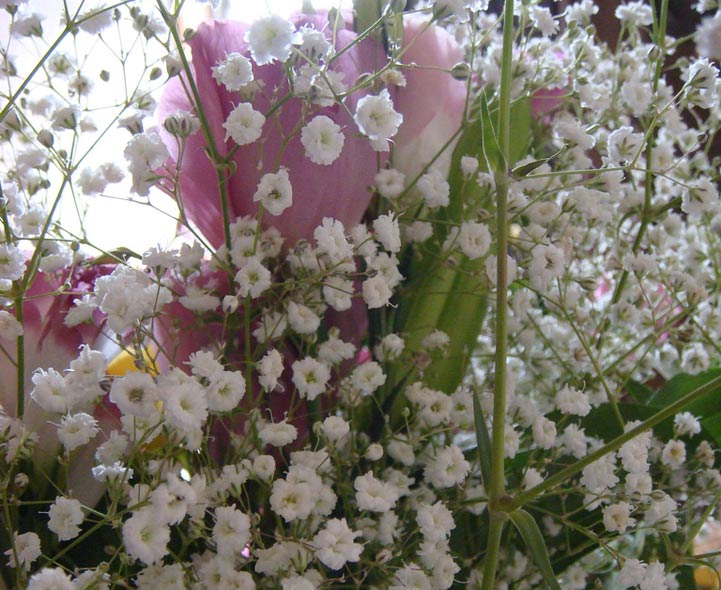
Photograph courtesy of Hyougushi
Alstroemeria
Artemesia
Celosia
Gypsophila
- Flowers are either white or pale pink and the plant is famed for creating a cloud-like appearance.
- So many flowers are produced that the foliage is virtually obscured.
- Flowers throughout the summer and happily regrows even when it is cut down to ground level.
- For a truly magical effect, put a couple of plants around a brightly coloured rose bush.
8 .
What is the scientific name for the Pincushion Flower?
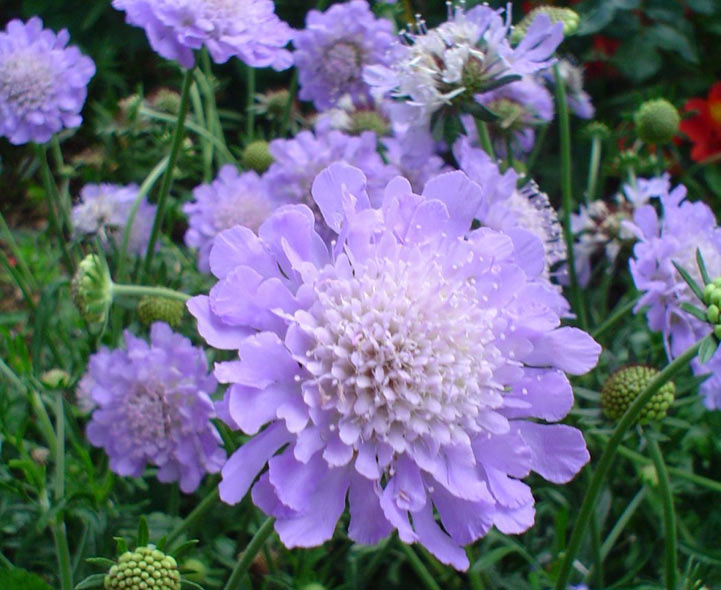
Photograph courtesy of Mouse
Campanula
Hyacinthella
Scabiosa
Torenia
- Pink and white varieties are sometimes seen but varying shades of blue are the most common.
- Notable varieties are "Clive Greaves" (lavender blue) and "Miss Willmott" (Pure white).
- Flowers are borne in mid summer and they are ideal for cutting.
- Plant in a sunny, well-drained position.
- They grow readily from seed but choice varieties such as those mentioned above are propagated by division.
9 .
By what name do gardeners usually know Limoniums?
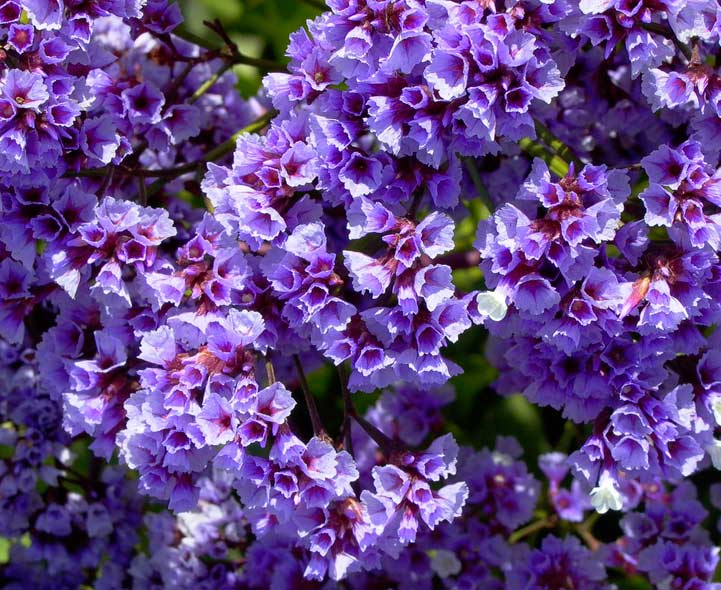
Photograph courtesy of SteveRapport
Achillea
Helichrysum
Statice
Strawflower
- Sometimes known as "Sea Lavender" but they are not related to Lavender.
- At other times known as "Marsh Rosemary" but neither are they related to Rosemary!
- Excellent cut flowers and can be dried for long-term use.
- Resistant to sea-spray and for this reason are often found in seaside gardens.
- Prefers light sandy soil and will quickly sulk if it finds its feet in water!
10 .
Phormiums have a common name that includes their country of origin - what is it?
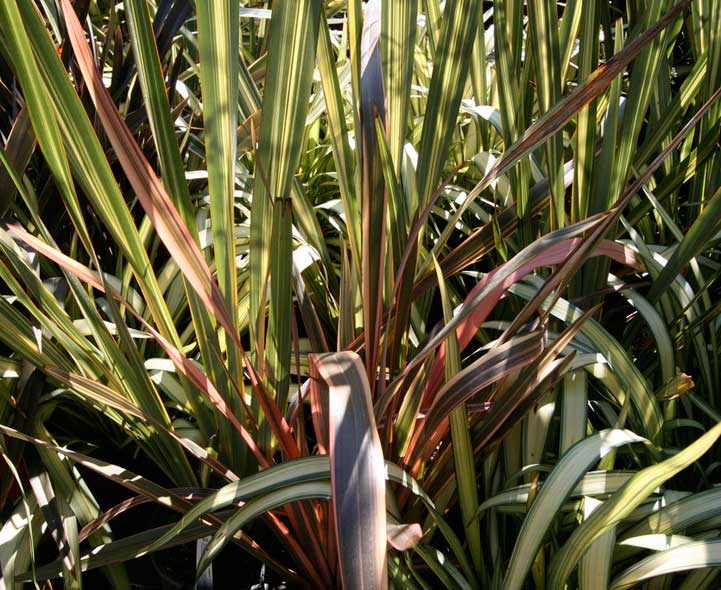
Photograph courtesy of Gardening in a Minute
China cotton
Greece wool
India hemp
New Zealand flax
- Varieties have been bred that have leaves in many vibrant colours with reds and yellows being the most usually seen.
- Flowers are insignificant - it is the foliage for which they are renown.
- Not for nothing are the leaves described as "sword-like" - they are capable of inflicting a deep cut in hands not protected by gloves!
- Winter protection is essential. Either bring the plants inside or provide them with a deep mulch.
Our Social Circles




**Unlimited Quizzes Await You! 🚀**
Hey there, quiz champ! 🌟 You've already tackled today's free questions.
Ready for more?
Ready for more?
🔓 Unlock UNLIMITED Quizzes and challenge yourself every day. But that's
not all...
not all...
🔥 As a Subscriber you can join our thrilling "Daily Streak" against other
quizzers. Try to win a coveted spot on our Hall of Fame Page.
quizzers. Try to win a coveted spot on our Hall of Fame Page.
Don't miss out! Join us now and keep the fun rolling. 🎉
**Unlimited Quizzes Await You! 🚀**
Hey there, quiz champ! 🌟 You've already tackled today's free questions. Ready for more?
🔓 Unlock UNLIMITED Quizzes and challenge yourself every day. But that's not all...
🔥 As a Subscriber you can join our thrilling "Daily Streak" against other quizzers. Try to win a coveted spot on our Hall of Fame Page.
Don't miss out! Join us now and keep the fun rolling. 🎉
© Copyright 2016-2026 - Education Quizzes
Work Innovate Ltd - Design | Development |
Marketing
