




Ask the AI Tutor
Need help with Vegetables - Vegetables 3? Ask our AI Tutor!
AI Tutor - Lucy
Connecting with Tutor...
Please wait while we establish connection
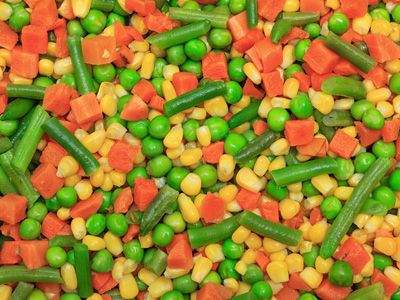
Some vegetables are very brightly-coloured!
Vegetables - Vegetables 3
Successful veg growing starts with timing. Learn how sowing dates, soil warmth, and simple planning help seeds germinate well and produce stronger plants for better harvests.
To see a larger image, click on the picture.
1 .
To get the best crop of celeriac how far apart should the plants be spaced?
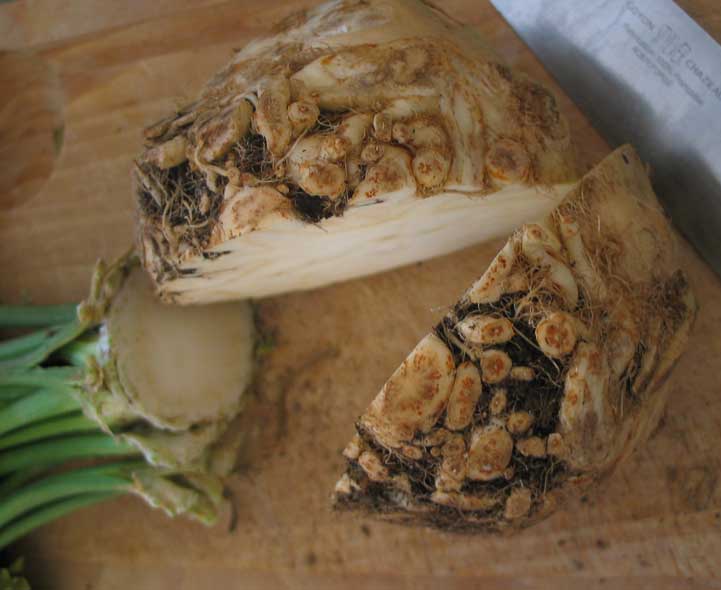
Photograph courtesy of DocteurCosmos
3 cm
10 cm
30 cm
100 cm
- Latin Name: Apium graveolens rapaceum.
- Sometimes called celery root, knob celery or turnip-rooted celery.
- It tastes better than it looks!
- Outer surface needs to be chopped off with a sharp knife - it is too tough to peel.
- Sow seeds inside in March and plant outside in May.
- Harvest from September onwards. Leave in the soil until required and protect with a covering of straw if sharp frosts are threatened.
2 .
The leek is the national symbol of which country?
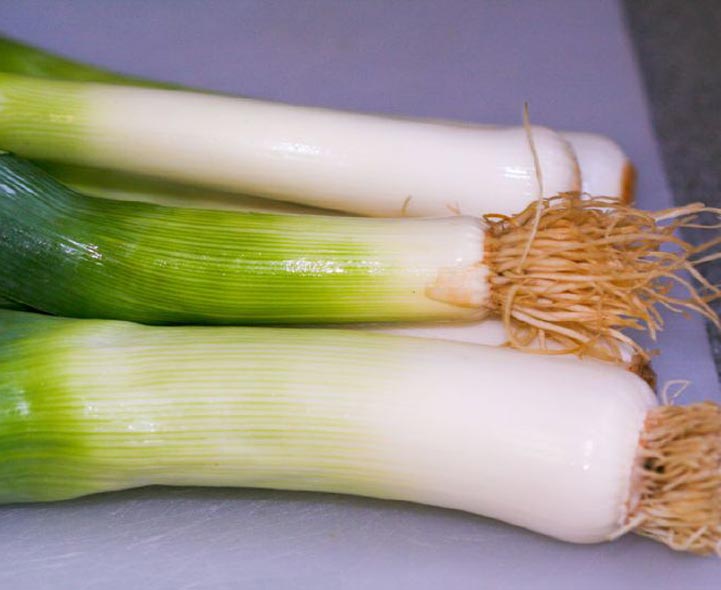
Photograph courtesy of www.flickr.com/photos/lollyknit/
England
Ireland
Scotland
Wales
- Latin Name: Allium ampeloprasum.
- Easy to grow from seed and well worth growing as a source of fresh vegetables throughout the winter months.
- Lift only as many as you require at any one time - they keep better in the soil and will happily withstand quite severe frosts.
- Termed a 'hungry' crop because they require plenty of fertilizer.
- When boiled, leeks become soft and the taste becomes milder.
3 .
What type of vegetable is this?
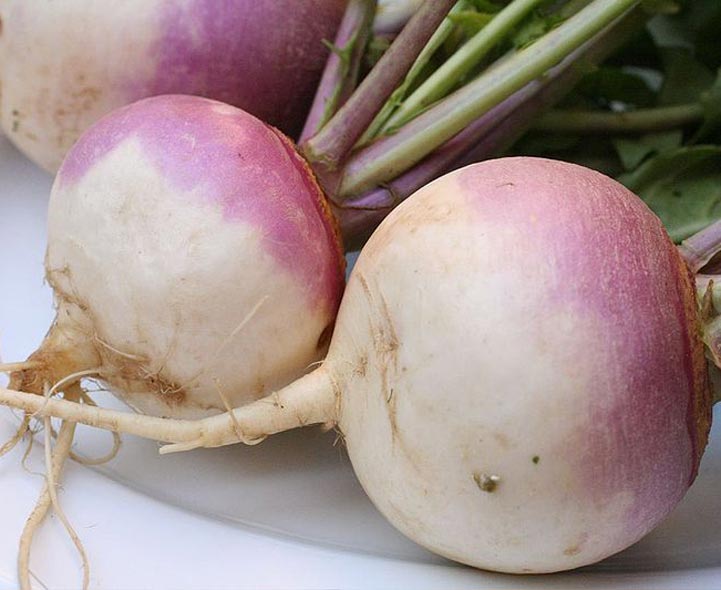
Photograph courtesy of www.flickr.com/photos/galant/
Jerusalem Artichoke
Parsnip
Swede
Turnip
- Latin Name: Brassica rapa.
- Varieties that produce large roots are often grown for feeding to livestock.
- Smaller, sweeter varieties (usually white) are grown for human consumption.
- In Japan they are sometimes pickled and even stir fried!
- Crops grow extremely quickly and are sometimes ready to eat within 6 weeks of sowing.
4 .
Which of the names below is NOT a variety of carrot?
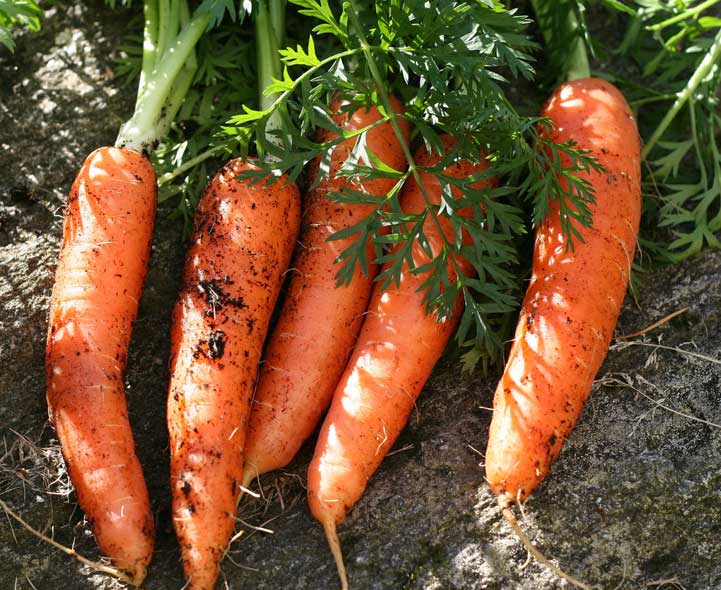
Photograph courtesy of www.flickr.com/photos/sunrise/
Amsterdam Forcing
Autumn King
Chantenay Red-Cored
Lincolnshire
- Latin Name: Daucus carota.
- England's second favourite vegetable (after potatoes).
- It is an old wives tale that eating large amounts of carrot will make you see in the dark.
- Eating excessive quantities of carrots can make your skin turn orange!
- Covering with fleece protects against carrot fly.
- Grow some of the extra sweet varieties in tubs for summer salads.
5 .
What is the name given to the premature formation of a cauliflower curd when conditions are unfavourable to growth?
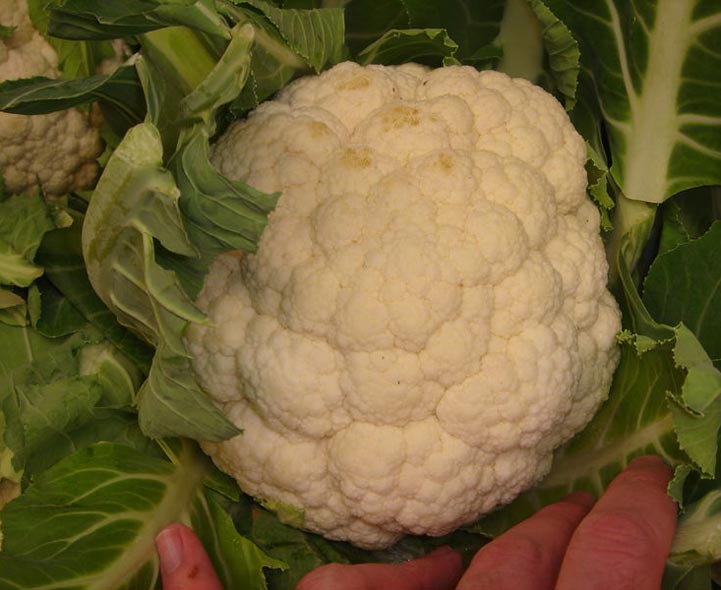
Photograph courtesy of Etbe
Buttoning
Darning
Sewing
Stitching
- Latin Name: Brassica oleracea.
- Cauliflowers like good rich loam - if you haven't got it then it is maybe best to give them a miss!
- They require plenty of nitrogen.
- Prolonged dry spells without irrigation will ruin your chances of a satisfactory crop.
- They are subject to attack by a myriad of pests and diseases including slugs, cabbage root fly, caterpillars and clubroot.
6 .
Clubroot in Brussels sprouts is best avoided by what means?
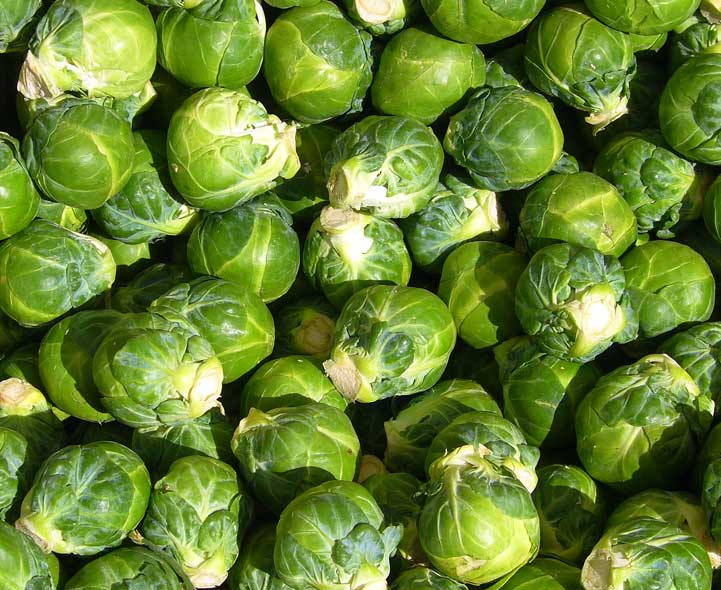
Photograph courtesy of Eric Hunt
Adding lime to the soil
Adding extra fertilizer
Drying out the roots
Regular spraying
- Sprouts prefer heavy soil over light soil.
- They prefer alkali soils over acid soils.
- If possible dig in well-rotted manure before planting.
- Always pick before the individual sprouts start to 'open'.
- When cooking, make a cross with a sharp knife in the bottom of each sprout to ensure that they cook through evenly.
7 .
Sweet corn is a variety of what?
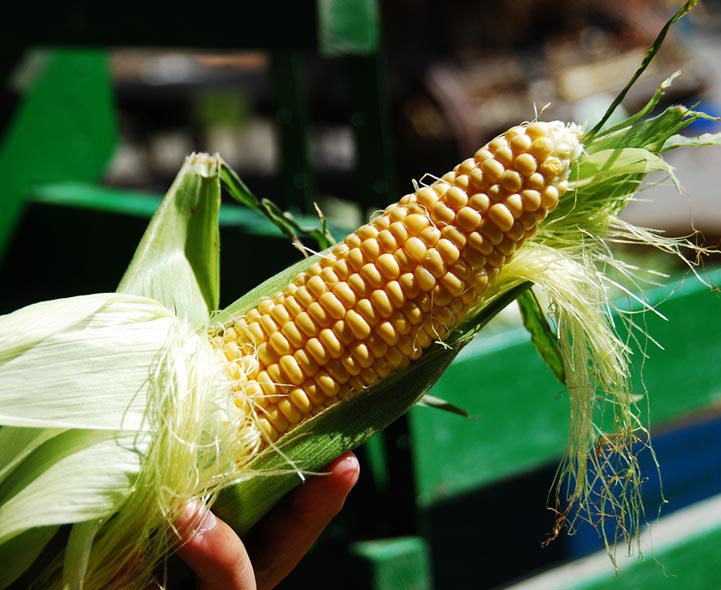
Photograph courtesy of www.flickr.com/photos/writergal/
Barley
Maize
Oats
Wheat
- Latin Name: Zea mays var. saccharata.
- Sweet corn is picked and eaten when it is immature, before the seeds start to harden.
- It is ready for cropping when seeds exude a milky fluid when squeezed between the fingers. Too early and the liquid is clear; too late and no liquid can be squeezed out.
- Usually sown inside (glasshouse or windowsill) pricked out into individual pots and then planted out when danger of frost is past.
8 .
The picture below is of spinach. What is the name of a similar vegetable that it is often confused with it?
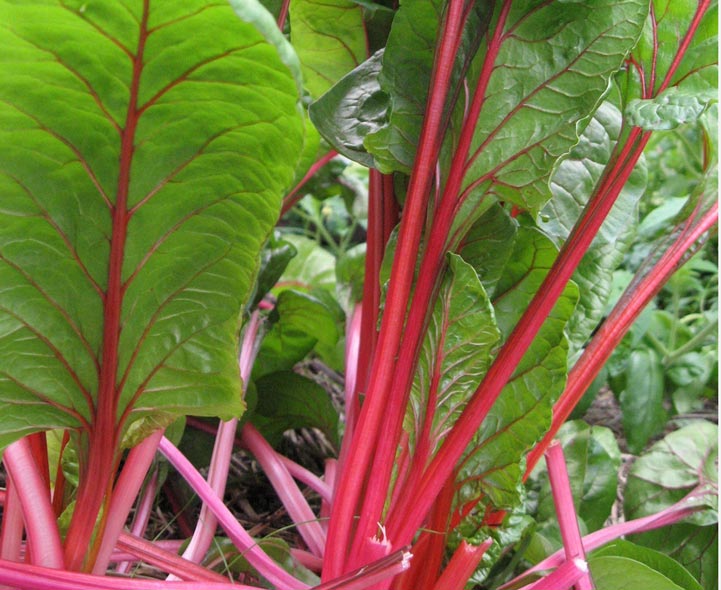
Cabbage
Celeriac
Chard
Chickpea
- Latin Name: Spinacea oleracea.
- Sow in the spring for picking during the summer or sow in the autumn for cropping in late winter and spring.
- Cut leaves from the outside of the plant leaving the younger leaves in the centre to grow on.
- The dark green leaves and bright red stems make a striking contrast and do not look amiss in a flower border.
9 .
What type of cabbage is this?
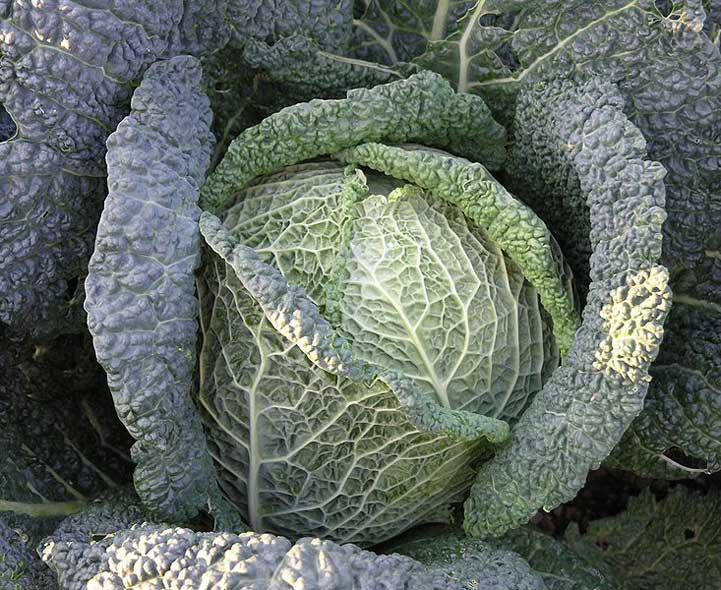
Dorchester
Ritz
Savoy
Waldorf
- The leaves of this cabbage are more crinkled than other cabbages.
- Amongst the hardiest of all winter vegetables.
- Excessive nitrogen in the soil will make the leaves softer and less likely to withstand severe frosts.
- Can also be grown as a summer vegetable.
- When cooked the leaves tend to go less watery than other cabbages - they stay 'crunchy' and because of this they are preferred by many people.
10 .
How closely related are the sweet potato (seen here) and the more usual potato grown in the UK?
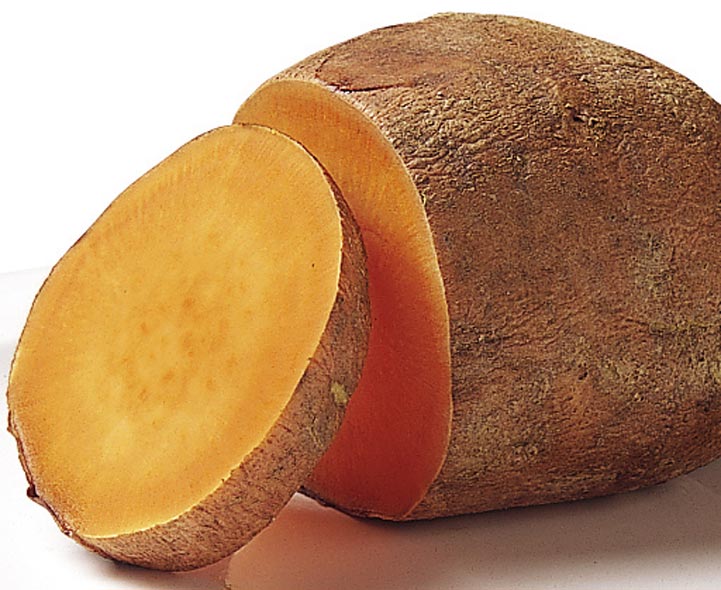
Different varieties of the same plant
Closely related
Distantly related
Not related
- Latin Name: Ipomoea batatas.
- Needs a good deal of warmth and ample water to grow well in the UK.
- Sometimes grown in greenhouses but worth a try outside in warm, sheltered situations.
- Cannot be grown from seed - they need to be propagated by cuttings or 'slips' that grow from the tubers during storage.
- In tropical areas the sweet potato is often the staple food.



**Unlimited Quizzes Await You! 🚀**
Hey there, quiz champ! 🌟 You've already tackled today's free questions.
Ready for more?
Ready for more?
🔓 Unlock UNLIMITED Quizzes and challenge yourself every day. But that's
not all...
not all...
🔥 As a Subscriber you can join our thrilling "Daily Streak" against other
quizzers. Try to win a coveted spot on our Hall of Fame Page.
quizzers. Try to win a coveted spot on our Hall of Fame Page.
Don't miss out! Join us now and keep the fun rolling. 🎉
**Unlimited Quizzes Await You! 🚀**
Hey there, quiz champ! 🌟 You've already tackled today's free questions. Ready for more?
🔓 Unlock UNLIMITED Quizzes and challenge yourself every day. But that's not all...
🔥 As a Subscriber you can join our thrilling "Daily Streak" against other quizzers. Try to win a coveted spot on our Hall of Fame Page.
Don't miss out! Join us now and keep the fun rolling. 🎉




© Copyright 2016-2026 - Education Quizzes
Work Innovate Ltd - Design | Development |
Marketing
