




Ask the AI Tutor
Need help with British Birds - Ducks, Swans and Grebes? Ask our AI Tutor!
AI Tutor - Lucy
Connecting with Tutor...
Please wait while we establish connection
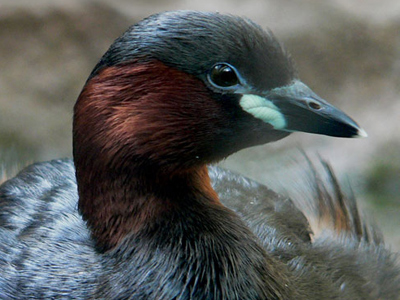
This bird nests at the water's edge, since its legs are set very far back and it cannot walk well. Do you know what it is?
British Birds - Ducks, Swans and Grebes
Meet Britain’s waterbirds, from dabbling ducks to elegant swans and stealthy grebes. This quiz helps you spot features, habitats, and behaviours without getting your feet wet.
To see a larger image, click on the picture.
1 .
What is the name of this bird?
-C.jpg)
Photograph courtesy of Maga-Chan
Little Grebe
Tundra Swan (Bewick's Swan)
Red-necked Grebe
Black-necked Grebe
- Group: Ducks, Geese and Swans
- Binomial: Cygnus columbianus
- Order: Anseriformes
- Family: Anatidae
- Status: Winter Visitor
- When migrating these birds can fly at altitudes of 8 km (nearly 27,000 ft).
- In the breeding season, they tend to be aggressive to many animals who pass by; outside the breeding season they are rather gregarious birds.
2 .
What is the name of this bird?
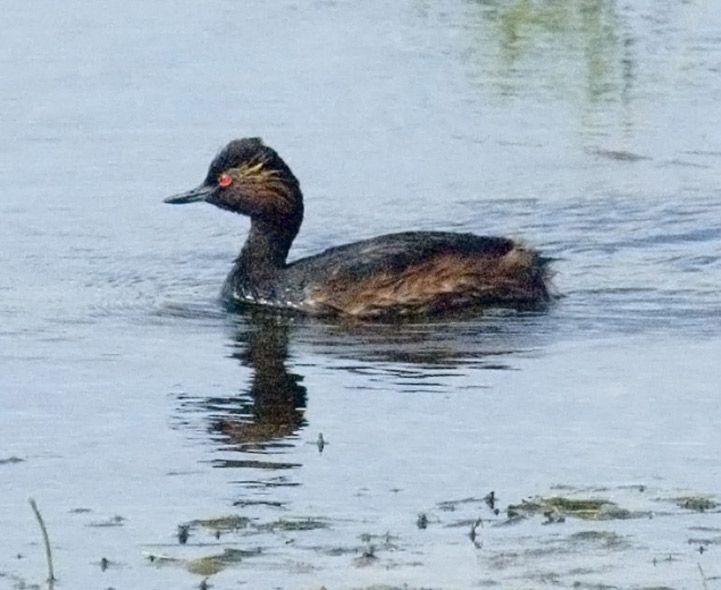
Photograph courtesy of http://www.marekszczepanek.pl/
Black-necked Grebe
Slavonian Grebe
Whooper Swan
Mute Swan
- Group: Grebes
- Binomial: Podiceps nigricollis
- Order: Podicipediformes
- Family: Podicipedidae
- Status: Resident Breeder And Winter Visitor
- It is essentially flightless for most of the year (9 to 10 months).
- This bird avoids flying at all costs and reserves long distance flight exclusively for migration.
3 .
What is the name of this bird?
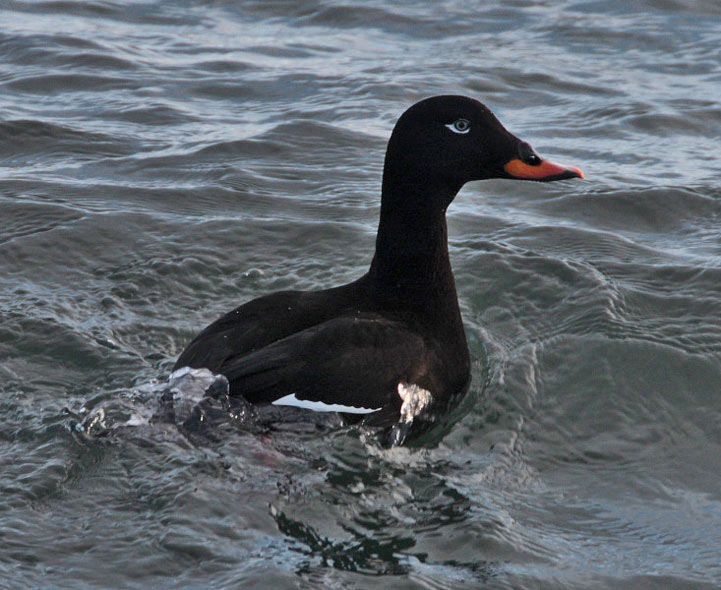
Photograph courtesy of John Anderson
Black-necked Grebe
Mute Swan
Velvet Scoter
Great Crested Grebe
- Group: Ducks, Geese and Swans
- Binomial: Melanitta fusca
- Order: Anseriformes
- Family: Anatidae
- Status: Winter Visitor
- It forms large flocks on coastal waters.
- These are tightly packed and the birds tend to take off together.
- The lined nest is built on the ground close to the sea, lakes or rivers, in woodland or tundra.
4 .
What is the name of this bird?
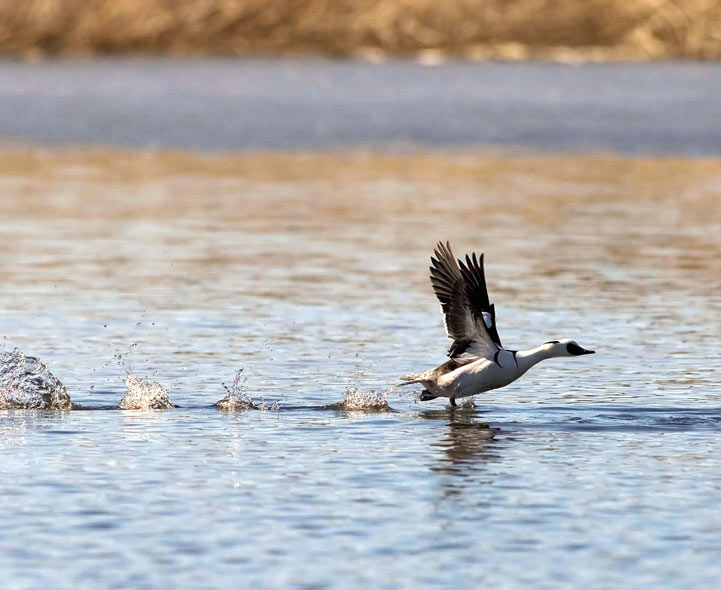
Photograph courtesy of Thermos
Smew
Red-necked Grebe
Tundra Swan (Bewick's Swan)
Little Grebe
- Group: Ducks, Geese and Swans
- Binomial: Mergellus albellus
- Order: Anseriformes
- Family: Anatidae
- Status: Winter Visitor
- Sometimes birds move here from Holland and Denmark to escape freezing weather.
- The drake, with its 'cracked ice' appearance, is unmistakable and looks very black-and-white in flight.
5 .
What is the name of this bird?
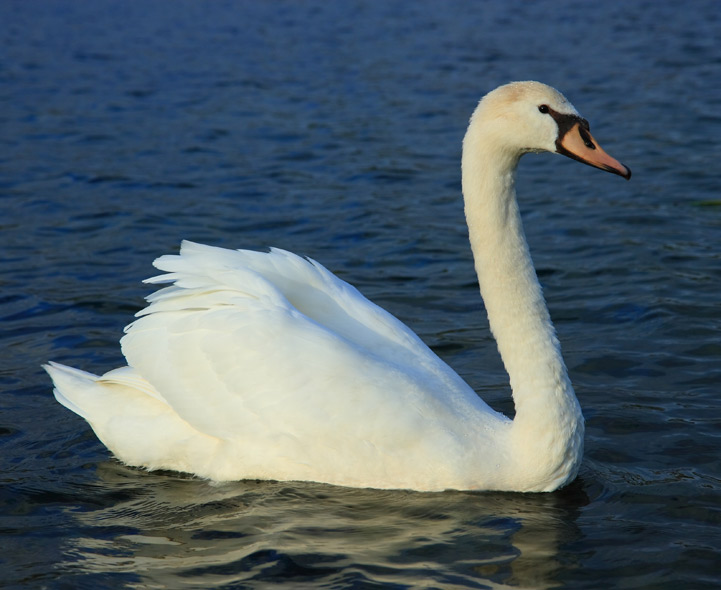
Photograph courtesy of Sanchezn
Mute Swan
Velvet Scoter
Black-necked Grebe
Great Crested Grebe
- Group: Ducks, Geese and Swans
- Binomial: Cygnus olor
- Order: Anseriformes
- Family: Anatidae
- Status: Resident Breeding Species
- The birds in the moat at the Bishops Palace at Wells Cathedral in Wells, Somerset have for centuries been trained to ring bells via strings attached to them to beg for food. Two swans are still able to ring for lunch.
6 .
What is the name of this bird?
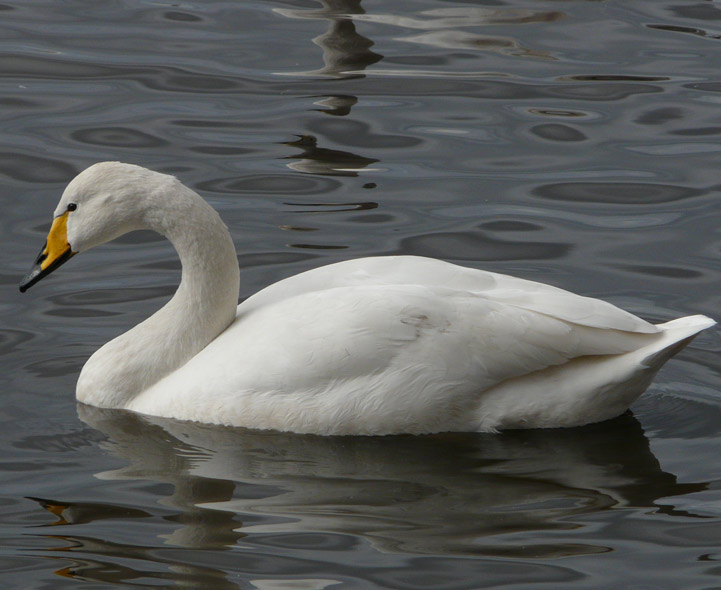
Photograph courtesy of Pete Mella
Whooper Swan
Great Crested Grebe
Mute Swan
Tundra Swan (Bewick's Swan)
- Group: Ducks, Geese and Swans
- Binomial: Cygnus cygnus
- Order: Anseriformes
- Family: Anatidae
- Status: Winter Visitor
- These birds require large areas of water to live in, especially when they are still growing, because their body weight cannot be supported by their legs for extended periods of time.
- They have a deep honking call.
7 .
What is the name of this bird?
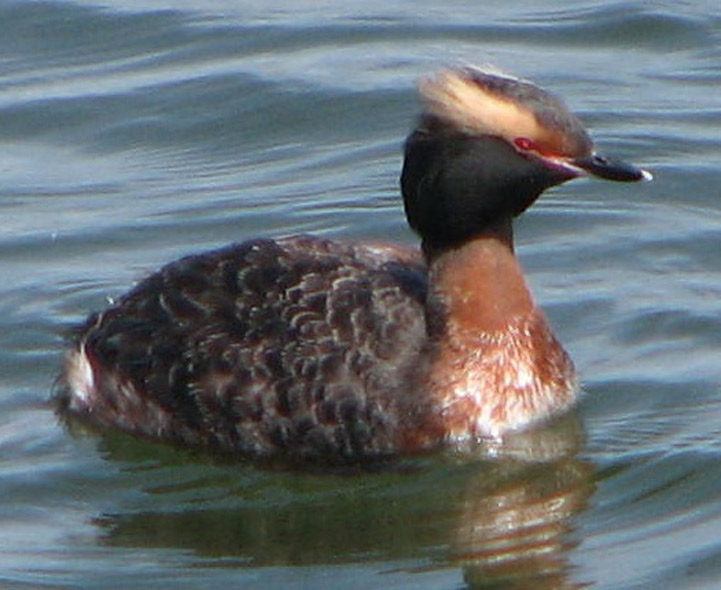
Photograph courtesy of Unknown
Tundra Swan (Bewick's Swan)
Black-necked Grebe
Slavonian Grebe
Great Crested Grebe
- Group: Grebes
- Binomial: Podiceps auritus
- Order: Podicipediformes
- Family: Podicipedidae
- Status: Resident Breeder And Winter Visitor
- The male's call is an odd, striking series of loud croaks and chattering notes followed by prolonged shrieks.
- Folk names of this bird include devil-diver, hell-diver and water witch.
8 .
What is the name of this bird?
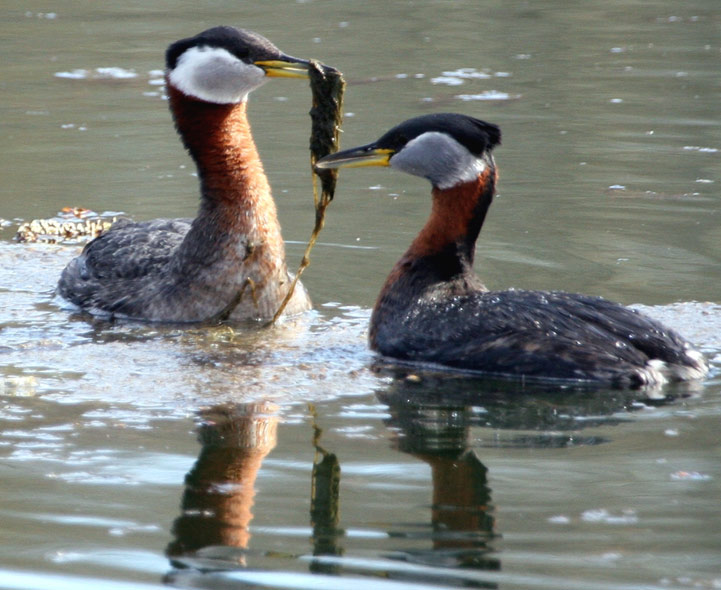
Photograph courtesy of Unknown
Great Crested Grebe
Velvet Scoter
Red-necked Grebe
Black-necked Grebe
- Group: Grebes
- Binomial: Podiceps grisegena
- Order: Podicipediformes
- Family: Podicipedidae
- Status: Winter Visitor, Has Bred
- Fewer than 20 individuals spend the summer in the UK each year.
- Its small wing area means that it is unable to take off from land and needs a lengthy run across water to gain the speed needed for take-off.
9 .
What is the name of this bird?
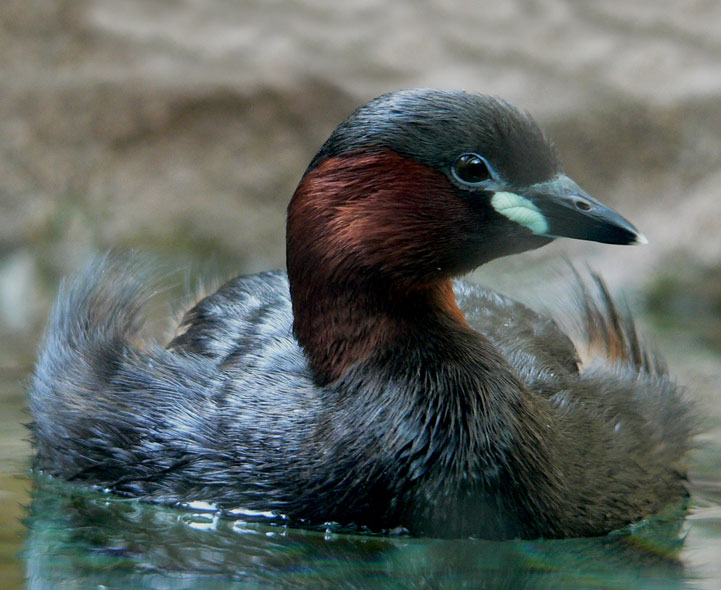
Photograph courtesy of Benutzer:BS Thurner Hof
Little Grebe
Black-necked Grebe
Smew
Tundra Swan (Bewick's Swan)
- Group: Grebes
- Binomial: Tachybaptus ruficollis
- Order: Podicipediformes
- Family: Podicipedidae
- Status: Resident Breeder And Winter Visitor
- Often appears to have a 'fluffy' rear end.
- It nests at the water's edge, since its legs are set very far back and it cannot walk well.
10 .
What is the name of this bird?
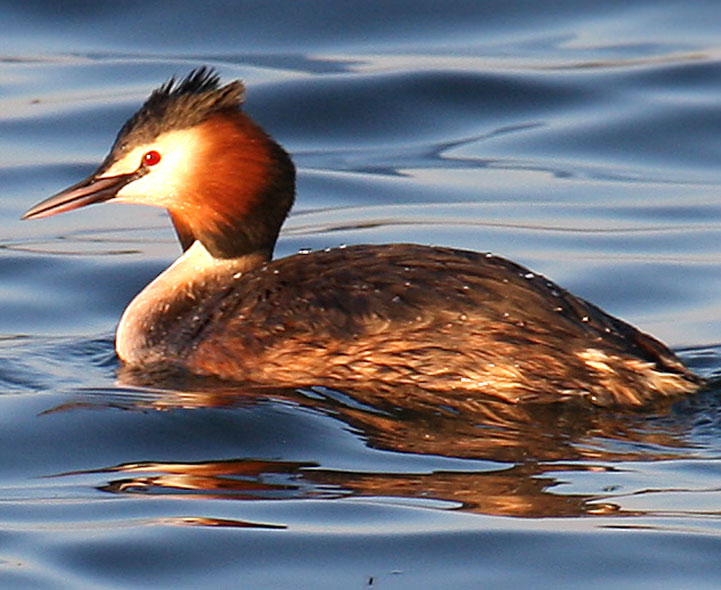
Photograph courtesy of http://photo-natur.de/
Whooper Swan
Mute Swan
Little Grebe
Great Crested Grebe
- Group: Grebes
- Binomial: Podiceps cristatus
- Order: Podicipediformes
- Family: Podicipedidae
- Status: Resident Breeder And Winter Visitor
- They have an elaborate courtship display in which they rise out of the water and shake their heads.
- The very young often ride on their parents' backs.
Our Social Circles




**Unlimited Quizzes Await You! 🚀**
Hey there, quiz champ! 🌟 You've already tackled today's free questions.
Ready for more?
Ready for more?
🔓 Unlock UNLIMITED Quizzes and challenge yourself every day. But that's
not all...
not all...
🔥 As a Subscriber you can join our thrilling "Daily Streak" against other
quizzers. Try to win a coveted spot on our Hall of Fame Page.
quizzers. Try to win a coveted spot on our Hall of Fame Page.
Don't miss out! Join us now and keep the fun rolling. 🎉
**Unlimited Quizzes Await You! 🚀**
Hey there, quiz champ! 🌟 You've already tackled today's free questions. Ready for more?
🔓 Unlock UNLIMITED Quizzes and challenge yourself every day. But that's not all...
🔥 As a Subscriber you can join our thrilling "Daily Streak" against other quizzers. Try to win a coveted spot on our Hall of Fame Page.
Don't miss out! Join us now and keep the fun rolling. 🎉
© Copyright 2016-2026 - Education Quizzes
Work Innovate Ltd - Design | Development |
Marketing
