




Ask the AI Tutor
Need help with Geology - Mountains? Ask our AI Tutor!
AI Tutor - Lucy
Connecting with Tutor...
Please wait while we establish connection
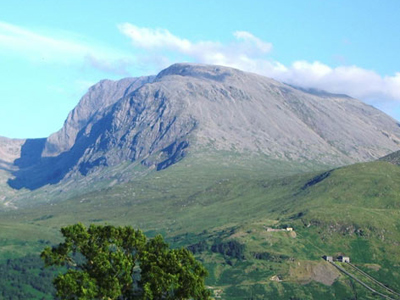
This mountain is one of the main locations for ice climbing in the UK.
Geology - Mountains
Mountains shape weather, rivers and habitats, and they tell stories of Earth’s forces. Explore how mountains form, change over time, and leave clues in the landscape.
To see a larger image, click on the picture.
1 .
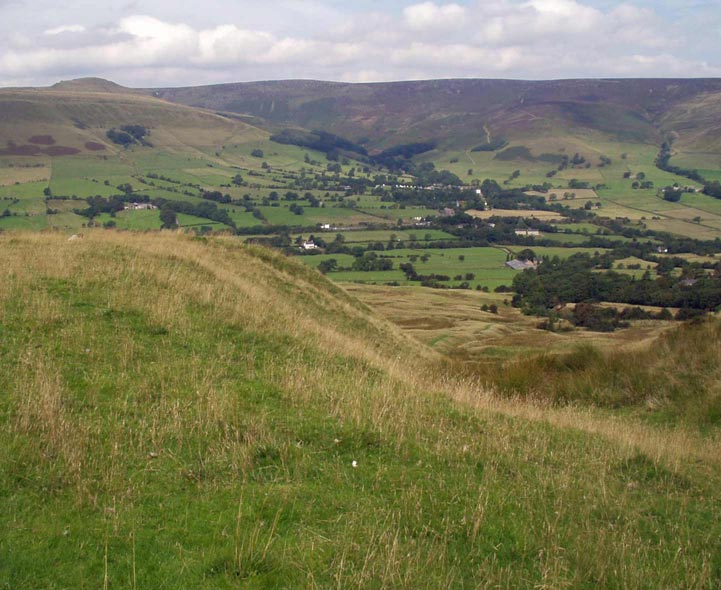
What is the name of this mountain?
Photograph courtesy of Stemonitis
Carrauntoohil
Scafell Pike
Kinder Scout
Ben Nevis
- Elevation: 636 m (2,088 ft)
- Prominence: 488 m (1,601 ft)
- A high upland gritstone plateau.
- Located in the beautiful Peak District in Derbyshire.
- On the west, a river flows straight off the edge in a stunning waterfall.
- The village it is named after was included in the Domesday Book.
- A popular hiking location and is owned by the National Trust.
2 .
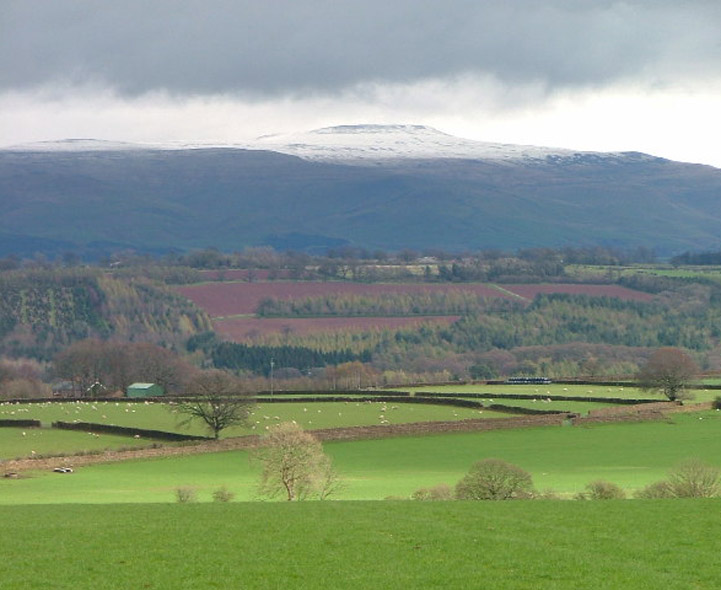
What is the name of this mountain?
Photograph courtesy of Carl Bendelow
Slieve Donard
Cross Fell
Kilimanjaro
Matterhorn
- Elevation: 893 m (2,930 ft)
- Prominence: 651 m (2,136 ft)
- From the summit, spectacular views of the Lake District can be seen as well as the west and east coast.
- Snow has been known to lie on this mountain for up to 140 days a year.
- The 'Helm Wind' originates here - a gale of hurricane proportions which strikes without warning in spring.
3 .
What is the name of this mountain?

Photograph courtesy of Richard Webb
Snowdon
Cross Fell
Eiger
Pumlumon Fawr
- Elevation: 752 m (2,467 ft)
- Prominence: 524 m (1,719 ft)
- Is the highest mountain in Central Wales.
- The Severn river has its source at this mountain.
- The wealth of habitat and species around this area has meant that it is designated as a Site of Special Scientific Interest.
4 .
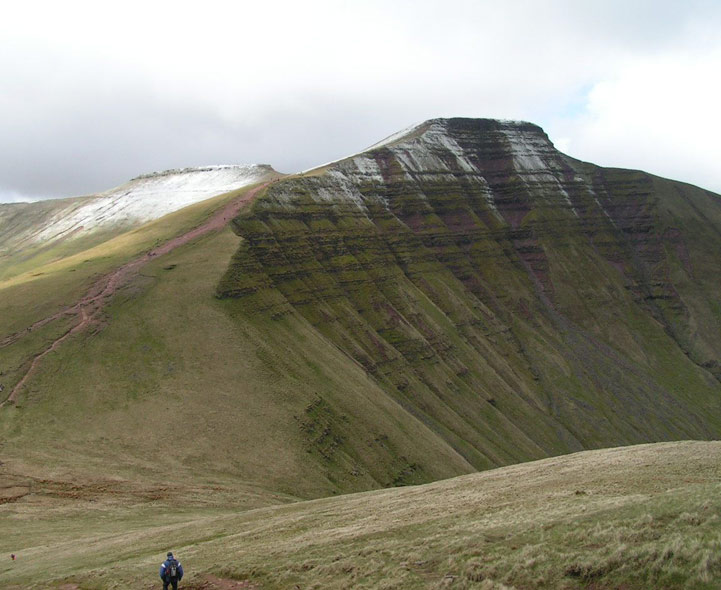
What is the name of this mountain?
Photograph courtesy of Dave.Dunford
Pen y Fan
Pumlumon Fawr
K2
Cross Fell
- Elevation: 886 m (2,907 ft)
- Prominence: c. 671 m (2,201 ft)
- Located in Brecons Beacons National Park
- Used by the military to select the Special Forces recruits.
- There is no lake at the base of this mountain.
- It has a paved path virtually all the way to the top.
5 .
What is the name of this mountain?
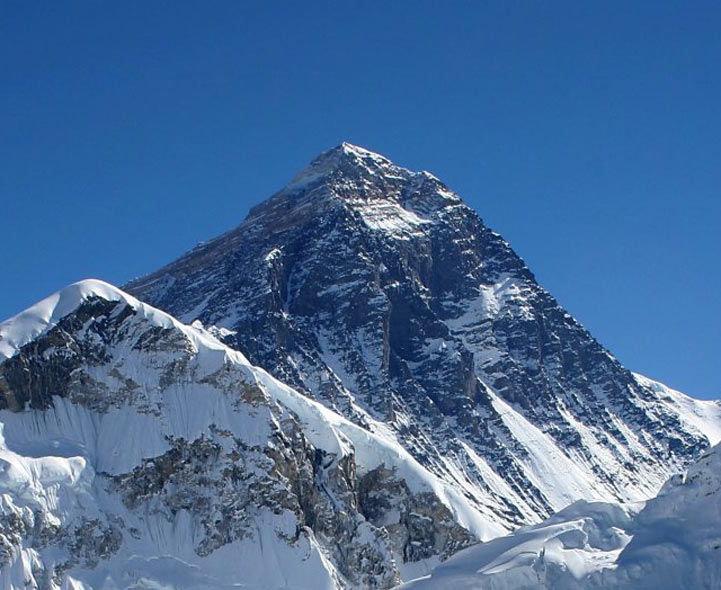
Photograph courtesy of Pavel Novak
Everest
Eiger
Snowdon
K2
- Elevation: 8,848 m (29,029 ft)
- Prominence: 8,848 m (29,029 ft)
- Ranked 1st in the world.
- The summit ridge separates Nepal and Tibet.
- Named after a British surveyor-general of India.
- Once known as Peak 15.
- There are over 100 corpses that remain on this mountain.
We know Everest isn't in the UK, but we couldn't leave out the highest mountain in the world!
6 .
What is the name of this mountain?
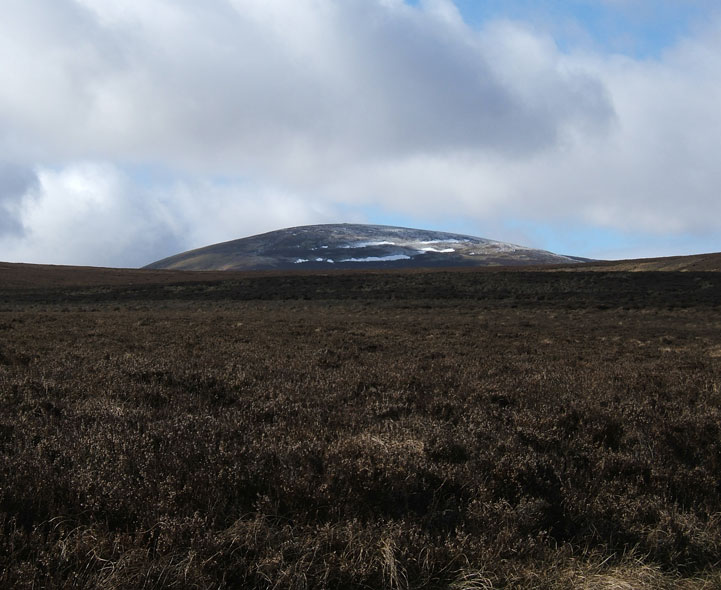
Photograph courtesy of MPF
The Cheviot
Everest
Scafell Pike
Kinder Scout
- Elevation: 815 m (2,674 ft)
- Prominence: 556 m (1,824 ft)
- Formed when lava erupted from the earth's core.
- At the northern edge, there are still traces of pre-roman hut circles.
- A boggy hill with a very flat summit.
- The remains of a B-17 bomber are scattered in the peat bogs.
7 .
What is the name of this mountain?
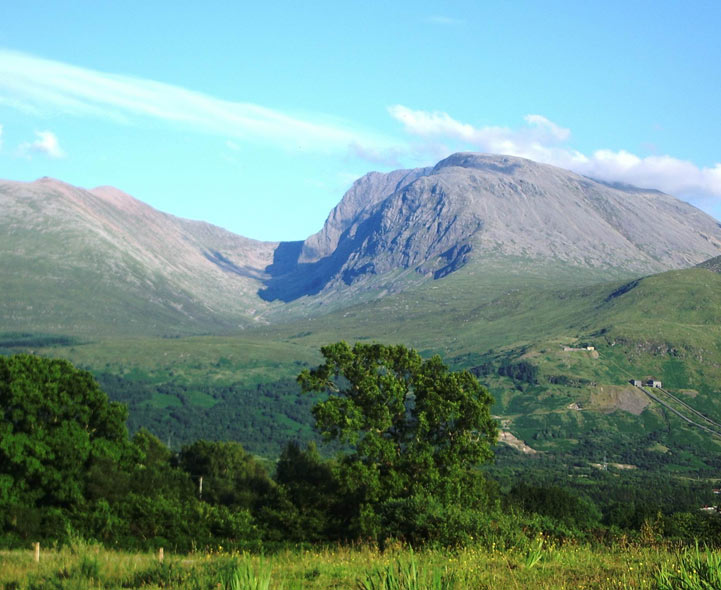
Photograph courtesy of Thincat
Ben Nevis
Mont Blanc
Pen y Fan
Snowdon
- Elevation: 1,344 m (4,409 ft)
- Prominence: 1,344 m (4,409 ft)
- Ranked 1st in British Isles
- Attracts approximately 250,000 visitors a year.
- There is a 16 km (9.9 miles) race every September which involves 1,340 metres (4,400 ft) of ascent.
- It is one of the main locations for ice climbing in the UK.
8 .
What is the name of this mountain?
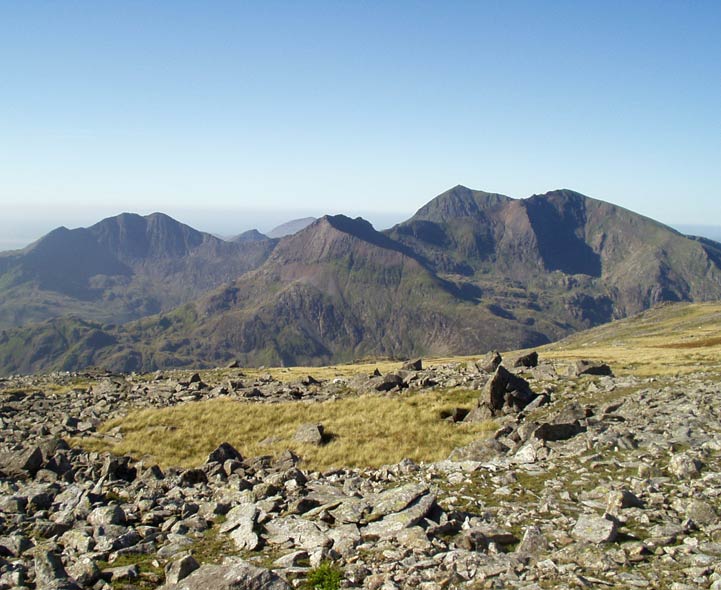
Photograph courtesy of Stemonitis
Everest
Kilimanjaro
The Cheviot
Snowdon
- Elevation: 1,085 m (3,560 ft)
- Prominence: 1,038 m (3,406 ft) (ranked third)
- Its starfish shape has six ridges, each one unique from the others.
- It is a national nature reserve due to the rare plants and creatures found on the mountain.
- Ponies used to carry visitors to the summit, but these days there is a railway!
9 .
What is the name of this mountain?
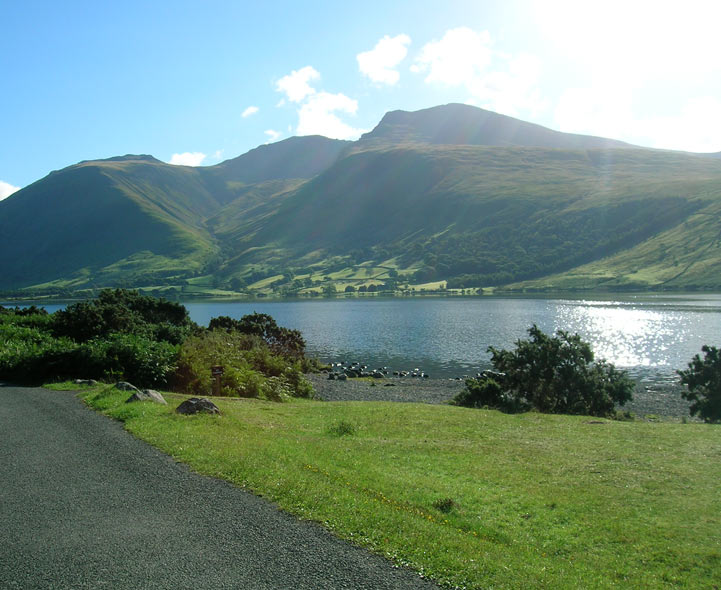
Photograph courtesy of Hedley Thorne
Kinder Scout
Slieve Donard
Scafell Pike
Matterhorn
- Elevation: 978 m (3,209 ft)
- Prominence: 912 m (2,992 ft)
- Ranked 13th in British Isles
- It is the highest mountain in England.
- One of the British peaks climbed in the National Three Peaks Challenge.
- In the 18th Century, locals used to guide walkers up the slopes as Ordnance Survey map were not available back then!
10 .
What is the name of this mountain?
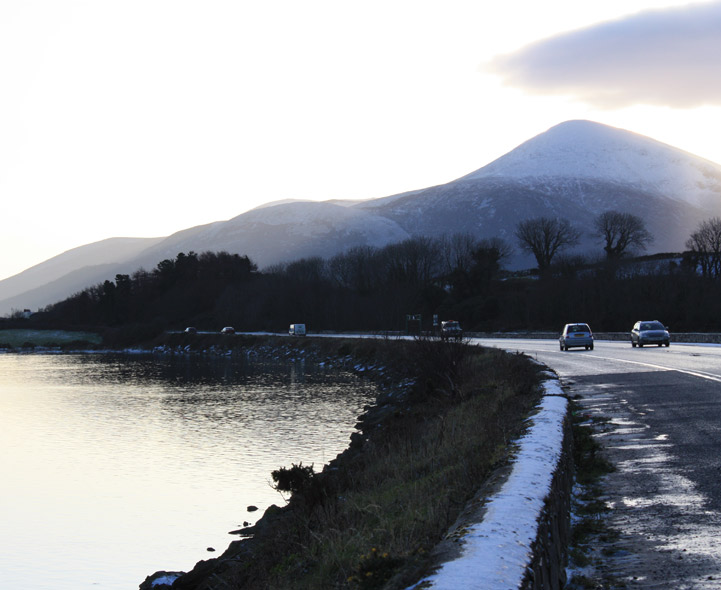
Photograph courtesy of Ardfern
Pen y Fan
Slieve Donard
Mont Blanc
K2
- Elevation: 850 m (2,789 ft)
- Prominence: 822 m (2,697 ft)
- The highest of the Mourne Mountains.
- The terrain is mainly forest and mountain paths.
- On a clear day the Isle of Man, Wales and Scotland may be seen from the summit
- Named after an Irish saint.
- There is a small stone tower at the top for shelter.



**Unlimited Quizzes Await You! 🚀**
Hey there, quiz champ! 🌟 You've already tackled today's free questions.
Ready for more?
Ready for more?
🔓 Unlock UNLIMITED Quizzes and challenge yourself every day. But that's
not all...
not all...
🔥 As a Subscriber you can join our thrilling "Daily Streak" against other
quizzers. Try to win a coveted spot on our Hall of Fame Page.
quizzers. Try to win a coveted spot on our Hall of Fame Page.
Don't miss out! Join us now and keep the fun rolling. 🎉
**Unlimited Quizzes Await You! 🚀**
Hey there, quiz champ! 🌟 You've already tackled today's free questions. Ready for more?
🔓 Unlock UNLIMITED Quizzes and challenge yourself every day. But that's not all...
🔥 As a Subscriber you can join our thrilling "Daily Streak" against other quizzers. Try to win a coveted spot on our Hall of Fame Page.
Don't miss out! Join us now and keep the fun rolling. 🎉




© Copyright 2016-2026 - Education Quizzes
Work Innovate Ltd - Design | Development |
Marketing
