




Ask the AI Tutor
Need help with Unit 1 - Genetic Engineering? Ask our AI Tutor!
AI Tutor - Lucy
Connecting with Tutor...
Please wait while we establish connection
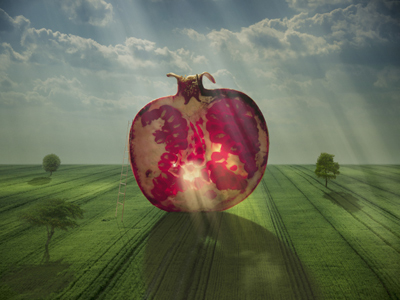
People are concerned about genetic engineering, given what some GM foods turn out like!
Unit 1 - Genetic Engineering
This GCSE Biology quiz looks at genetic engineering, how genes are transferred between organisms, and how genetically modified organisms are used in medicine and agriculture.
1 .
Genetic engineering involves the transfer of what?
The transfer of proteins
The transfer of sugars
The transfer of genes
The transfer of enzymes
The genetically modified organism is referred to as being transgenic
2 .
Why are bacteria often used to produce proteins?
Because they multiply quickly
Because they need nutrients
Because they are available
Because they are cheap
Bacteria multiply very quickly and produce large quantities of the desired product rapidly
3 .
Crops produced using genetic engineering are known as GM. What does GM stand for?
Genes Manipulated
Genetically Modified
Great Marvel
Genes Made
GM crops can be resistant to herbicides, produce greater yields, resist a specific type of disease and so on
4 .
The first GM pet is which type of creature?
A dog
A hamster
A mouse
A fish
The GloFish glows in the dark as it has a gene for fluorescence. They are GM zebra fish and come in a wide variety of amazing colours
5 .
Cattle can be genetically enhanced to increase what?
To increase their weight
To increase their growth
To increase the number of their offspring
To increase their nutrition
It is an alternative to the use of artificial growth hormones
6 .
What does a herbicide kill?
Animals
Rats
Insects
Plants
Herbicides kill unwanted plants known as weeds. If crop plants are GM, they can be made resistant to weedkiller. Without weeds the crop can grow better and give a much higher yield
7 .
A major objection to GM crops is the possible creation of wild plants which are resistant to what?
Antibiotics
Weedkiller
Insecticide
Viruses
It could be possible to transfer a gene for weedkiller resistance naturally from a GM crop into a wild plant making it a 'super weed' which could outgrow all the other plants
8 .
What is used to cut the gene out from a chromosome?
A special type of fat
A special type of hormone
A special type of enzyme
A special type of cell
These are given the special name of restriction enzymes
9 .
Genetic engineering can be used to make which type of drugs?
Vaccines
Food
Insects
Weeds
Insulin is another example
10 .
Which of the following is often cited as an objection to GM crops?
Unknown long-term effects on humans
Killing animals
Insect populations
Habitat destruction
Some people avoid GM foods due to concerns about GM foods on human health



**Unlimited Quizzes Await You! 🚀**
Hey there, quiz champ! 🌟 You've already tackled today's free questions.
Ready for more?
Ready for more?
🔓 Unlock UNLIMITED Quizzes and challenge yourself every day. But that's
not all...
not all...
🔥 As a Subscriber you can join our thrilling "Daily Streak" against other
quizzers. Try to win a coveted spot on our Hall of Fame Page.
quizzers. Try to win a coveted spot on our Hall of Fame Page.
Don't miss out! Join us now and keep the fun rolling. 🎉
**Unlimited Quizzes Await You! 🚀**
Hey there, quiz champ! 🌟 You've already tackled today's free questions. Ready for more?
🔓 Unlock UNLIMITED Quizzes and challenge yourself every day. But that's not all...
🔥 As a Subscriber you can join our thrilling "Daily Streak" against other quizzers. Try to win a coveted spot on our Hall of Fame Page.
Don't miss out! Join us now and keep the fun rolling. 🎉




© Copyright 2016-2026 - Education Quizzes
Work Innovate Ltd - Design | Development |
Marketing
