




Ask the AI Tutor
Need help with Unit 1 - Resistance of Pathogens to Antibiotics (H)? Ask our AI Tutor!
AI Tutor - Lucy
Connecting with Tutor...
Please wait while we establish connection
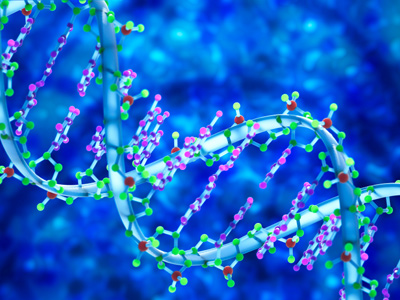
Resistance to antibiotics in bacteria is controlled by genes.
Unit 1 - Resistance of Pathogens to Antibiotics (H)
This GCSE Biology quiz looks at antibiotic resistance, showing how mutations and natural selection can make some pathogens survive treatment while others are killed.
1 .
Which of the following would be the usual medical advice for a sore throat?
Take antibiotics
Bed rest, fluids and antibiotics
Avoid antibiotics unless absolutely necessary
Pain killers, antibiotics and throat spray
Honey can help soothe a sore throat, your immune system deals with the infection
2 .
What does MRSA stand for?
Medically resistant susceptible antibiotics
Methicillin-resistant Streptococcus antibodies
Multiple resistant Staphylococcus aureus
Methicillin-resistant Staphylococcus aureus
Soap and water, alcohol based hand gels and bleach can all destroy this dangerous bacteria
3 .
Why can it be dangerous if you do not complete your course of antibiotics?
The bacteria may all die
Not all of the bacteria are killed so the infection continues
The remaining bacteria may become resistant
You become immune to the antibiotic
Resistant bacteria cannot be killed using antibiotics
4 .
How have we slowed down the spread of antibiotic-resistant bacteria?
By ignoring the problem
With more careful prescribing of antibiotics
By banning antibiotics
By inventing new painkillers
Resistant strains are encouraged to develop by the overuse of antibiotics
5 .
Antibiotic-resistant strains of bacteria spread quickly. Why is this?
Because they have a selective advantage and are better adapted
Because they are not adapted to survive
Because they have lower optimum temperature
Because they do not grow in the presence of the antibiotic
It is for this reason that antibiotics should only be prescribed when absolutely necessary - the fewer strains of resistant bacteria, the better
6 .
How have doctors tried to reduce antibiotic resistance?
By prescribing more antibiotics
By prescribing weaker antibiotics
By prescribing fewer antibiotics
By not giving antibiotics at all
Doctors prescribe antibiotics only when the body has not been able to fight off a bacterial infection on its own
7 .
Antibiotic resistance can lead to what?
New viral strains
Bacteria which are immune to antibiotics
Viruses which are resistant to antibiotics
New strains of bacteria which cannot be destroyed
Dangerous strains of bacteria are possible due to antibiotic resistance
8 .
Individual pathogens survive, reproduce and can form new strains by which process?
The process of natural selection
The process of natural wastage
The process of unnatural means
The process of sexual reproduction
Bacteria reproduce rapidly. Amongst the new generations, there will be some bacteria whose genes have mutated - natural selection does the rest
9 .
Resistance to antibiotics in bacteria is controlled by what?
Hormones
White blood cells
Genes
Viruses
Scientists are constantly developing new antibiotics to deal with these resistant strains of bacteria
10 .
What do we call individual pathogens which antibiotics can kill?
Pathogens which are non-resistant
Pathogens which are non-immune
Pathogens which are non-pathogenic
Pathogens which are non-living
Antibiotics are designed to kill bacteria only but some will kill infections of single celled parasites like Giardia
You can find more about this topic by visiting BBC Bitesize - Treating, curing and preventing disease



**Unlimited Quizzes Await You! 🚀**
Hey there, quiz champ! 🌟 You've already tackled today's free questions.
Ready for more?
Ready for more?
🔓 Unlock UNLIMITED Quizzes and challenge yourself every day. But that's
not all...
not all...
🔥 As a Subscriber you can join our thrilling "Daily Streak" against other
quizzers. Try to win a coveted spot on our Hall of Fame Page.
quizzers. Try to win a coveted spot on our Hall of Fame Page.
Don't miss out! Join us now and keep the fun rolling. 🎉
**Unlimited Quizzes Await You! 🚀**
Hey there, quiz champ! 🌟 You've already tackled today's free questions. Ready for more?
🔓 Unlock UNLIMITED Quizzes and challenge yourself every day. But that's not all...
🔥 As a Subscriber you can join our thrilling "Daily Streak" against other quizzers. Try to win a coveted spot on our Hall of Fame Page.
Don't miss out! Join us now and keep the fun rolling. 🎉




© Copyright 2016-2026 - Education Quizzes
Work Innovate Ltd - Design | Development |
Marketing
