




Ask the AI Tutor
Need help with Unit 3 - Circulatory System? Ask our AI Tutor!
AI Tutor - Lucy
Connecting with Tutor...
Please wait while we establish connection
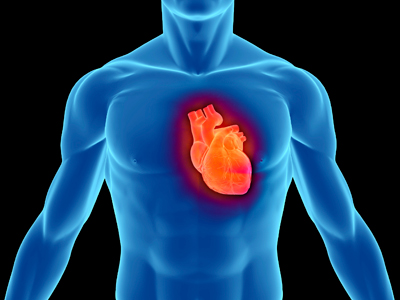
The heart pumps blood through the circulatory system.
Unit 3 - Circulatory System
In GCSE Biology, you study the circulatory system and learn how the heart, blood vessels and blood transport substances to keep the body supplied with oxygen and nutrients.
1 .
In which part of the heart does the aorta originate?
Left atrium
Right atrium
Left ventricle
Right ventricle
The aorta leads blood from the heart to the rest of the body. The Pulmonary artery takes deoxygenated blood from the heart to the lungs
2 .
Which blood vessels have very thick walls?
Arteries
Veins
Capillaries
Lymph
They need to have strong walls as the blood is at a higher pressure when it leaves the heart than when it returns
3 .
What are the chambers of the heart called?
Arteries and veins
Arteries and ventricles
Atria and ventricles
Aorta and vena cava
The atria receive the incoming blood and the ventricles pump it out
4 .
The job of heart valves is to prevent what?
Flow
Back flow
Rupture
Bleeding
Valves prevent blood from going back in the wrong direction. Valves at the top of the heart prevent blood from going back into the heart again
5 .
Inside which artery would a stent be placed?
Aorta
Pulmonary
Renal
Coronary
The stent will keep the artery open and make it less likely for a clot to form a blockage. A blocked coronary artery causes a heart attack
6 .
Which vessels have valves and thin walls?
Arteries
Veins
Capillaries
Lymph
These return the blood to the heart
7 .
Cigarette packets contain health warnings. Cigarettes can cause heart attacks when what forms in the coronary artery?
Blood clot
Blood clog
Blood group
Blood loss
Other effects include: raising levels of bad cholesterol which clogs up arteries, narrowing the arteries which reduces the amount of blood that can flow and increases blood pressure, and the carbon monoxide from incomplete combustion binds with your red blood cells, lowering the amount of oxygen the blood can carry
8 .
Which type of blood cell carries oxygen?
Red blood cells
White blood cells
Platelets
Phloem
Red blood cells contain haemoglobin, a protein that can absorb and release oxygen
9 .
Humans have a double circulation system. How many circuits are there in this system?
One
Two
Three
Four
There are two circuits for the blood to flow through. One to the lungs and back to the heart, and a second circuit from the heart to the organs of the body and back to the heart again
10 .
What are released from white blood cells in order to protect the body from pathogens?
Clots
Antibodies
Antidotes
Antigens
The release of antibodies is triggered when a white blood cell detects antigens from the pathogen. Individual white blood cells are sensitive to different antigens
Our Social Circles




**Unlimited Quizzes Await You! 🚀**
Hey there, quiz champ! 🌟 You've already tackled today's free questions.
Ready for more?
Ready for more?
🔓 Unlock UNLIMITED Quizzes and challenge yourself every day. But that's
not all...
not all...
🔥 As a Subscriber you can join our thrilling "Daily Streak" against other
quizzers. Try to win a coveted spot on our Hall of Fame Page.
quizzers. Try to win a coveted spot on our Hall of Fame Page.
Don't miss out! Join us now and keep the fun rolling. 🎉
**Unlimited Quizzes Await You! 🚀**
Hey there, quiz champ! 🌟 You've already tackled today's free questions. Ready for more?
🔓 Unlock UNLIMITED Quizzes and challenge yourself every day. But that's not all...
🔥 As a Subscriber you can join our thrilling "Daily Streak" against other quizzers. Try to win a coveted spot on our Hall of Fame Page.
Don't miss out! Join us now and keep the fun rolling. 🎉
© Copyright 2016-2026 - Education Quizzes
Work Innovate Ltd - Design | Development |
Marketing
