




Ask the AI Tutor
Need help with Unit 3 - Dialysis? Ask our AI Tutor!
AI Tutor - Lucy
Connecting with Tutor...
Please wait while we establish connection
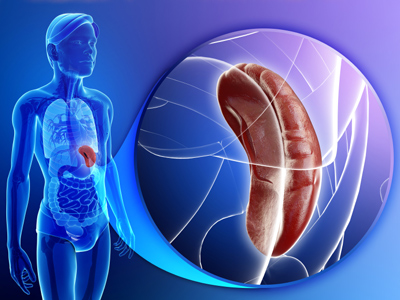
A major problem with kidney transplants is tissue rejection.
Unit 3 - Dialysis
In GCSE Biology, dialysis is studied as a life-saving treatment that cleans the blood when the kidneys stop working properly and cannot remove waste on their own.
1 .
Dialysis is needed when which organ(s) fails?
Heart
Lungs
Liver
Kidneys
Dialysis is specific to the kidneys
2 .
Dialysis removes this waste material from the blood.
Protein
Glucose
Urea
Urine
It also restores the balance of ions and water in the blood, but the removal of urea is extremely important as it is toxic
3 .
The dialysis membrane is...
fully permeable
partially permeable
impermeable
impenetrable
Only small molecules, such as urea and certain ions, can pass out of the blood. Essential, large molecules like proteins must remain in the blood and are too big to pass through
4 .
Dialysis relies on movement of molecules and ions by the process of...
osmosis
diffusion
active transport
urination
Urea will cross the dialysis membrane by diffusion because the dialysis fluid is carefully designed to create the correct concentration gradient across the membrane
5 .
Urea travels from...
patient's blood into dialysis fluid
dialysis fluid into the patient's blood
patient's urine into the dialysis fluid
dialysis fluid into patient's urine
This is done by making sure that the concentration of urea in the dialysis fluid is lower than in the blood of the patient
6 .
To retain glucose and ions in the blood, their concentration in dialysis fluid will be...
the same
higher
lower
It does not matter
Blood glucose concentration must be the same is in the dialysis fluid, otherwise glucose would be lost or gained from the patient
7 .
One major problem with dialysis is...
it is time consuming
it makes the patient worse
it cures the problem
it stops working
The patient must remain connected to the machine for many (usually for about 4 - 6) hours and it needs to be carried out regularly, every few days
8 .
Apart from dialysis, another treatment for kidney failure is a...
wonder drug
kidney transplant
liver transplant
surgery
Finding a suitable donor can be time consuming
9 .
A major problem with kidney transplants is...
bleeding
tissue rejection
headaches
high death rate
The kidney to be transplanted must have similar antigens to the patient. The process of finding a suitable organ for any transplant, including a kidney transplant, is called tissue typing
10 .
To avoid tissue rejection, the kidney transplant patient has to take drugs which suppress which system of the body?
Immune
Excretory
Respiratory
Reproductive
After a transplant, the patient will need to take drugs that suppress the immune system to reduce the chances of it attacking the new kidney and damaging or destroying it. This leaves transplant patients more vulnerable to any infection
Our Social Circles




**Unlimited Quizzes Await You! 🚀**
Hey there, quiz champ! 🌟 You've already tackled today's free questions.
Ready for more?
Ready for more?
🔓 Unlock UNLIMITED Quizzes and challenge yourself every day. But that's
not all...
not all...
🔥 As a Subscriber you can join our thrilling "Daily Streak" against other
quizzers. Try to win a coveted spot on our Hall of Fame Page.
quizzers. Try to win a coveted spot on our Hall of Fame Page.
Don't miss out! Join us now and keep the fun rolling. 🎉
**Unlimited Quizzes Await You! 🚀**
Hey there, quiz champ! 🌟 You've already tackled today's free questions. Ready for more?
🔓 Unlock UNLIMITED Quizzes and challenge yourself every day. But that's not all...
🔥 As a Subscriber you can join our thrilling "Daily Streak" against other quizzers. Try to win a coveted spot on our Hall of Fame Page.
Don't miss out! Join us now and keep the fun rolling. 🎉
© Copyright 2016-2026 - Education Quizzes
Work Innovate Ltd - Design | Development |
Marketing
