




Ask the AI Tutor
Need help with Unit 3 - Urine Production? Ask our AI Tutor!
AI Tutor - Lucy
Connecting with Tutor...
Please wait while we establish connection
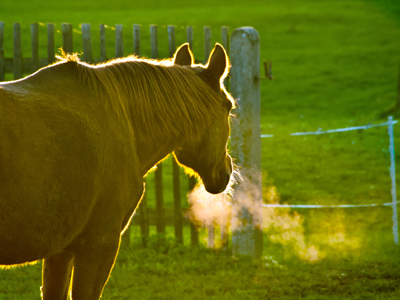
Water leaves the body in sweat, urine and air which is breathed out.
Unit 3 - Urine Production
GCSE Biology explores how kidneys filter the blood, remove waste like urea and carefully control water levels so the body’s internal environment stays safe and stable.
1 .
All of this important substance is filtered then reabsorbed by the nephron into the blood.
Sucrose
Fructose
Starch
Glucose
Glucose is filtered out of the blood but is then reabsorbed back into the blood again
2 .
Water leaves the body in sweat, urine and...
blood
plasma
air we breathe out
food
We lose a significant amount of water as water vapour from our exhaled breath
3 .
Urea is made here from excess amino acids.
Liver
Kidneys
Nephrons
Villi
The liver processes many molecules produced by digestion
4 .
Kidney transplant may be rejected due to...
mismatch of tissue antigens
infection
lack of kidney donors
cost
Donor and recipient tissue antigens are matched as far as possible. Antibodies are often formed which attack the new kidney. This is called tissue rejection
5 .
Which of the following is a microscopic filtering unit found in the kidney?
Alveolus
Nephron
Villus
Hair
Nephrons have several sections. You should know their names and jobs for the exam
6 .
Which tube conveys urine to the bladder from the kidney?
Urethra
Ureter
Uterus
Uvula
The nephrons supply urine to these via collection ducts
7 .
Which organs are responsible for filtering the blood?
Kidneys
Liver
Lungs
Brain
The kidneys produce urine which consists of urea and excess ions dissolved in the excess water that has been removed from the blood
8 .
If the kidneys fail, urea builds up and is a problem because it is...
toxic
harmless
a gas
infectious
Dialysis filters the blood and removes urea from the patient's blood
9 .
Urine is stored inside which part of the body before being expelled?
Liver
Pancreas
Gall bladder
Bladder
If you are dehydrated, your urine is dark yellow
10 .
Urea leaves the body in the...
blood
faeces
saliva
urine
It is stored in the bladder



**Unlimited Quizzes Await You! 🚀**
Hey there, quiz champ! 🌟 You've already tackled today's free questions.
Ready for more?
Ready for more?
🔓 Unlock UNLIMITED Quizzes and challenge yourself every day. But that's
not all...
not all...
🔥 As a Subscriber you can join our thrilling "Daily Streak" against other
quizzers. Try to win a coveted spot on our Hall of Fame Page.
quizzers. Try to win a coveted spot on our Hall of Fame Page.
Don't miss out! Join us now and keep the fun rolling. 🎉
**Unlimited Quizzes Await You! 🚀**
Hey there, quiz champ! 🌟 You've already tackled today's free questions. Ready for more?
🔓 Unlock UNLIMITED Quizzes and challenge yourself every day. But that's not all...
🔥 As a Subscriber you can join our thrilling "Daily Streak" against other quizzers. Try to win a coveted spot on our Hall of Fame Page.
Don't miss out! Join us now and keep the fun rolling. 🎉




© Copyright 2016-2026 - Education Quizzes
Work Innovate Ltd - Design | Development |
Marketing
