




Ask the AI Tutor
Need help with Quarrying? Ask our AI Tutor!
AI Tutor - Lucy
Connecting with Tutor...
Please wait while we establish connection
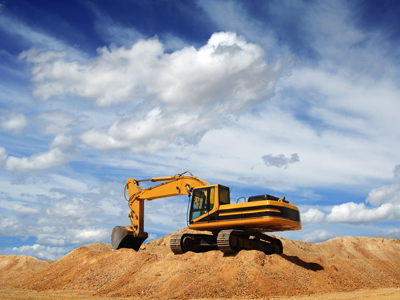
See if you can get ten out of ten in this quiz.
Quarrying
Quarrying digs rocks and minerals from the ground. This GCSE Geography quiz explores why we quarry, where it happens, and the impacts on people and the environment.
1 .
How can stone quarries create air pollution?
Blasting
Loading lorries
Exhaust fumes
All of the above
Air pollution from quarries is in the form of dust and fumes from the machinery that is used to move, crush, load and cut the rock
2 .
Quarried material is obtained by blasting. True or false?
Yes, it's true, all quarrying involves blasting
No, it's false, quarrying never involves the use of explosives
Yes, it's often but not always true, in a lot of quarries, blasting is used
It is impossible to know whether it is true or false
Sand and gravel quarries do not usually require the use of explosives but most other types of quarry do
3 .
Where are quarries usually situated?
In the CBD of a city
On the edge of a city
In the countryside
At the seaside
Whilst there are some quarries in or on the edge of urban areas and by the sea, the majority are sited in rural areas
4 .
How are materials usually transported from UK quarries?
By rail
By bus
In sacks loaded on pick-up trucks
In lorries
Only a few quarries, for example, Tunstead quarry near Buxton in Derbyshire, are close enough to the railway network to use rail as their main form of transport
5 .
Which of the following is not a disadvantage of quarrying?
Rural areas benefit from better access
Removes agricultural land
Noise disturbs wildlife
More local heavy traffic
Larger quarries need good transport communications so locals will benefit from better roads
6 .
Which of the following is not obtained by quarrying?
Iron ore
Rocks for making cement
Trees for making wooden beams for building
Sand
A nice easy question for you to illustrate some of the different types of materials that are quarried. It's not just rocks!
7 .
What is quarry restoration?
Providing meals for the quarry workers
Storing waste material within the quarry
Improving the quarry environment
Enlarging the size of the quarry
Restoration can take place during the life of the quarry or after quarrying has finished. Areas of the quarry that are no longer used can be landscaped to encourage wildlife or turned into a local amenity such as lakes, or parks where people can walk or cycle and so on
8 .
How do stone quarries reduce air pollution?
Use traditional ways of extracting rocks instead of using explosives
Spray water over the material being loaded
Cover the whole quarry with a roof
Filter the air leaving the quarry
They also wash the lorries before they leave the quarry and cover them to stop dust being blown off as they drive along
9 .
Which of the following could be destroyed when a quarry is opened?
Farmland
Wildlife habitat
Housing
All of the above
There is a large demand for quarried materials
10 .
Which statement about quarrying is correct?
Working quarries contribute to the local economy
Working quarries are a good tourist attraction for a rural area
Working quarries attract wildlife to an era
Quarries have an unlimited life
A quarry can provide local people with much needed employment



**Unlimited Quizzes Await You! 🚀**
Hey there, quiz champ! 🌟 You've already tackled today's free questions.
Ready for more?
Ready for more?
🔓 Unlock UNLIMITED Quizzes and challenge yourself every day. But that's
not all...
not all...
🔥 As a Subscriber you can join our thrilling "Daily Streak" against other
quizzers. Try to win a coveted spot on our Hall of Fame Page.
quizzers. Try to win a coveted spot on our Hall of Fame Page.
Don't miss out! Join us now and keep the fun rolling. 🎉
**Unlimited Quizzes Await You! 🚀**
Hey there, quiz champ! 🌟 You've already tackled today's free questions. Ready for more?
🔓 Unlock UNLIMITED Quizzes and challenge yourself every day. But that's not all...
🔥 As a Subscriber you can join our thrilling "Daily Streak" against other quizzers. Try to win a coveted spot on our Hall of Fame Page.
Don't miss out! Join us now and keep the fun rolling. 🎉




© Copyright 2016-2026 - Education Quizzes
Work Innovate Ltd - Design | Development |
Marketing
