




Ask the AI Tutor
Need help with Adjectives 2? Ask our AI Tutor!
AI Tutor - Lucy
Connecting with Tutor...
Please wait while we establish connection
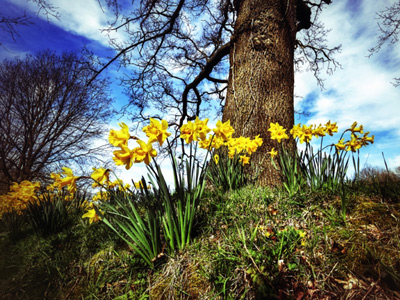
The yellow daffodils look lovely. The word 'yellow' is an adjective as it describes the daffodils.
Adjectives 2
Play with powerful describing words so your sentences sound vivid, funny, spooky, or exciting, using longer adjective strings to paint clear pictures in KS1 English.
To see a larger image, click on the picture.
1 .
'A _ dog.' Which adjective should fit in the gap?
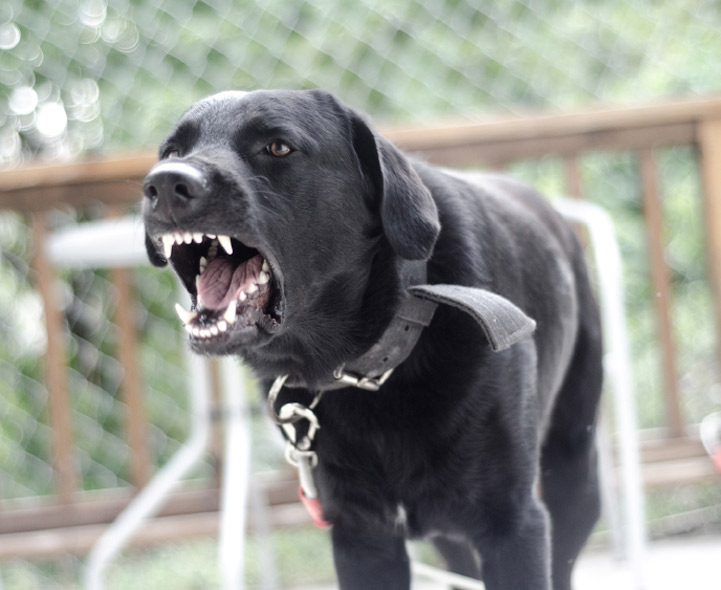
savage
fluffy
pink
happy
The word savage means fierce, angry or uncontrollable.
2 .
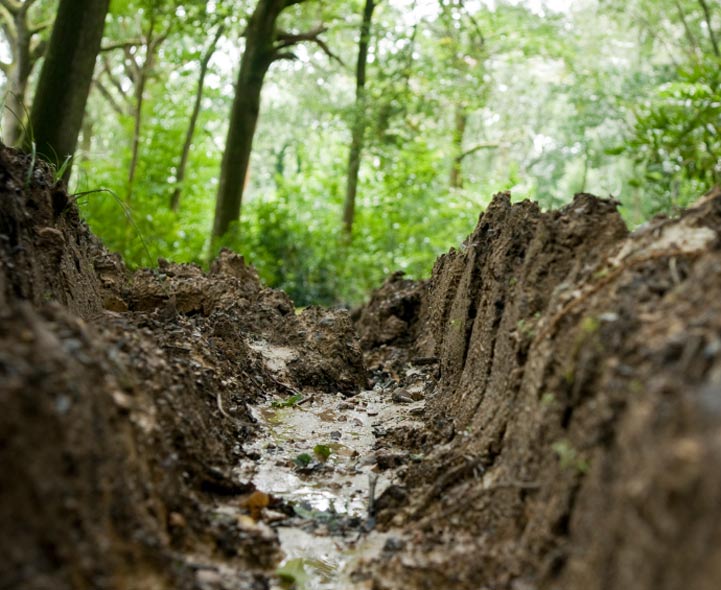
'A _ lane.' Which adjective should fit in the gap?
baggy
round
muddy
spiky
When you write, try to include adjectives - the more the better!
3 .
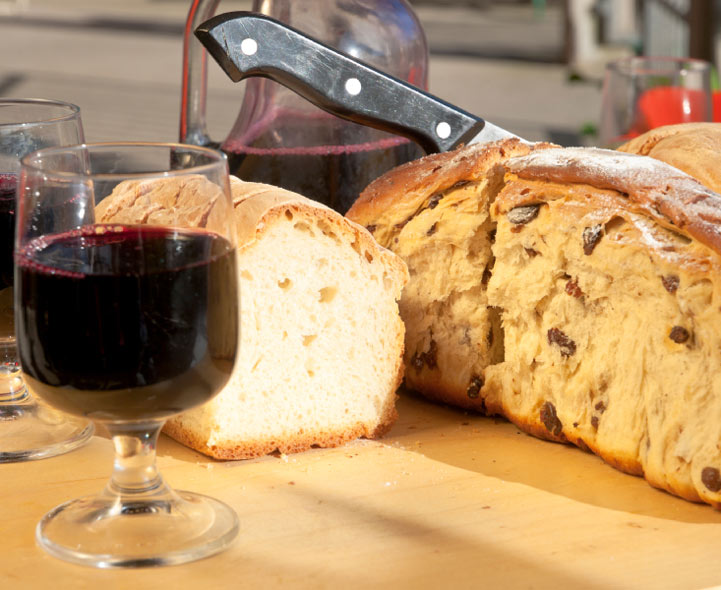
'A _ knife.' Which adjective should fit in the gap?
loud
tidy
white
sharp
It is a sharp knife. Don't forget, you can use more than one adjective to describe the noun.
4 .
'A _ tree.' Which adjective should fit in the gap?

baggy
foggy
sunny
tall
We need trees to help us breathe.
5 .
'A _ doll.' Which adjective should fit in the gap?

tidy
beautiful
sharp
leather
We would say the doll is beautiful. The most popular doll in the world is the Barbie doll.
6 .
'A _ pear.' Which adjective should fit in the gap?
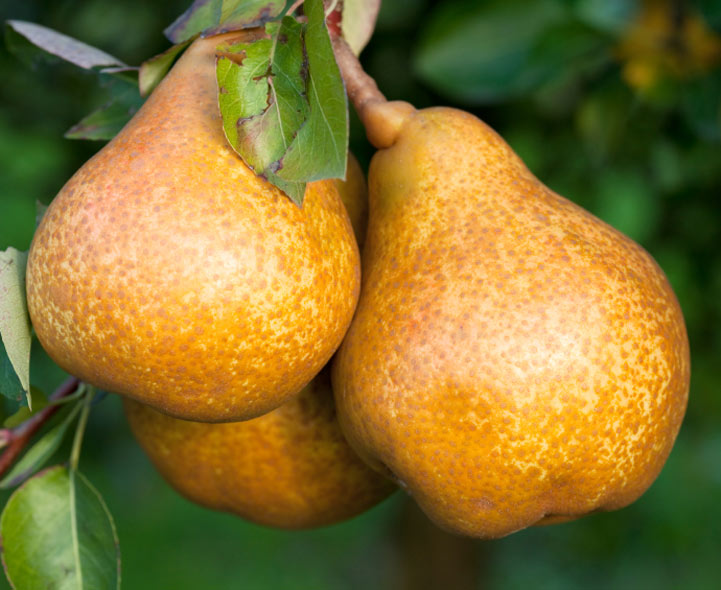
red
shallow
juicy
dark
There are over 3,000 types of pears grown around the world.
7 .
'A _ class.' Which adjective should fit in the gap?

noisy
yellow
greedy
rusty
Adjectives can describe how a group or person are and how they look.
8 .
'A _ day.' Which adjective should fit in the gap?
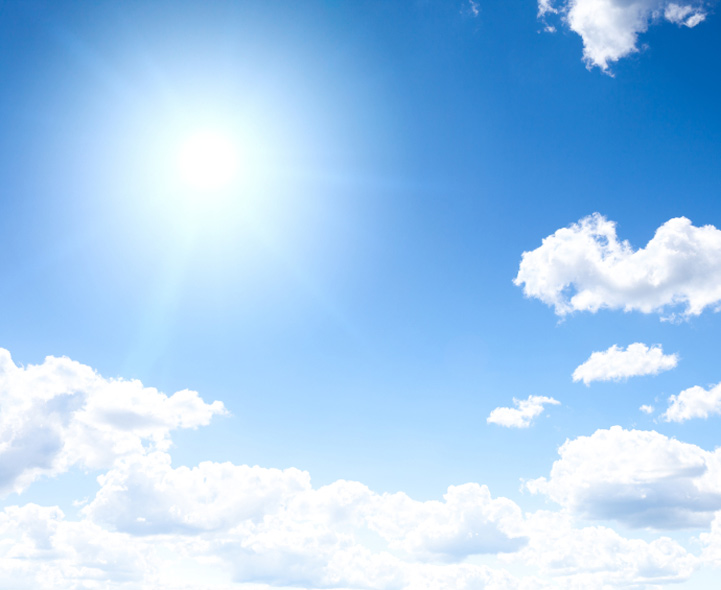
noisy
smoky
sunny
dull
A day can be described in many ways, long, dark, sad, fun. Can you think of some more?
9 .
'An _ person.' Which word would you not use to describe this person?

angry
amused
annoyed
unhappy
We could say she is an angry, unhappy and annoyed person.
10 .
'A _ person.' Which word would you not use to describe this person?

happy
delightful
sad
smiling
We could say she is a happy, delightful and smiling person.
Our Social Circles




**Unlimited Quizzes Await You! 🚀**
Hey there, quiz champ! 🌟 You've already tackled today's free questions.
Ready for more?
Ready for more?
🔓 Unlock UNLIMITED Quizzes and challenge yourself every day. But that's
not all...
not all...
🔥 As a Subscriber you can join our thrilling "Daily Streak" against other
quizzers. Try to win a coveted spot on our Hall of Fame Page.
quizzers. Try to win a coveted spot on our Hall of Fame Page.
Don't miss out! Join us now and keep the fun rolling. 🎉
**Unlimited Quizzes Await You! 🚀**
Hey there, quiz champ! 🌟 You've already tackled today's free questions. Ready for more?
🔓 Unlock UNLIMITED Quizzes and challenge yourself every day. But that's not all...
🔥 As a Subscriber you can join our thrilling "Daily Streak" against other quizzers. Try to win a coveted spot on our Hall of Fame Page.
Don't miss out! Join us now and keep the fun rolling. 🎉
© Copyright 2016-2026 - Education Quizzes
Work Innovate Ltd - Design | Development |
Marketing
