




Ask the AI Tutor
Need help with Animals - Growing and Getting Taller? Ask our AI Tutor!
AI Tutor - Lucy
Connecting with Tutor...
Please wait while we establish connection

Before chicks can leave the nest they must learn how to fly.
Animals - Growing and Getting Taller
Watch how animal babies grow and change. Some look very different, others like mini adults. This KS1 Science quiz explores growing, getting taller and staying healthy.
1 .
This is Mike. Mike is Alice’s father. Mike is 56 years old. Mike is:

A child
A teenager
An adult
Very old
56 is quite old, but not very old. How much older is Mike than Alice?
2 .
Which one of these is an adult animal?

Hen
Kitten
Chick
Duckling
Don’t forget, hen is another word for a grown-up chicken
3 .
This is a mother polar bear with her two cubs. What must the cubs learn to do before they can live on their own?

Walk
Talk
Swim
Catch fish
The polar bear cubs can walk and swim, but they have to learn how to catch fish
4 .
This is Alice’s Grandma. Alice’s Grandma is 85 years old. Alice’s Grandma is:

A child
A teenager
An adult
A baby
When you grow-up, you never stop being an adult, even if you are very old
5 .
This is an eagle feeding its chicks in the nest. What must the chicks learn to do before they can leave the nest?

Talk
Walk
Fly
Eat
The chicks can eat, but they can’t yet fly
6 .
Cats like to play. They like to play with balls of wool. Which one of these will play most?

Adult cat
Kitten
Old cat
Mother cat
Older cats sleep a lot
7 .
This is an elephant mother with her calf. What will the calf grow as she gets older?

Tusks
Trunk
Ears
Flat feet
Elephant tusks are like great big long teeth
8 .
Which one of these is a grown-up animal?

Puppy
Calf
Bull
Foal
Be careful. Bulls can be dangerous!
9 .
Alice is 27 years old. Alice is:

A child
A teenager
An adult
Very old
How old are you? How much older is Alice than you?
10 .
Which one of these is an adult animal?
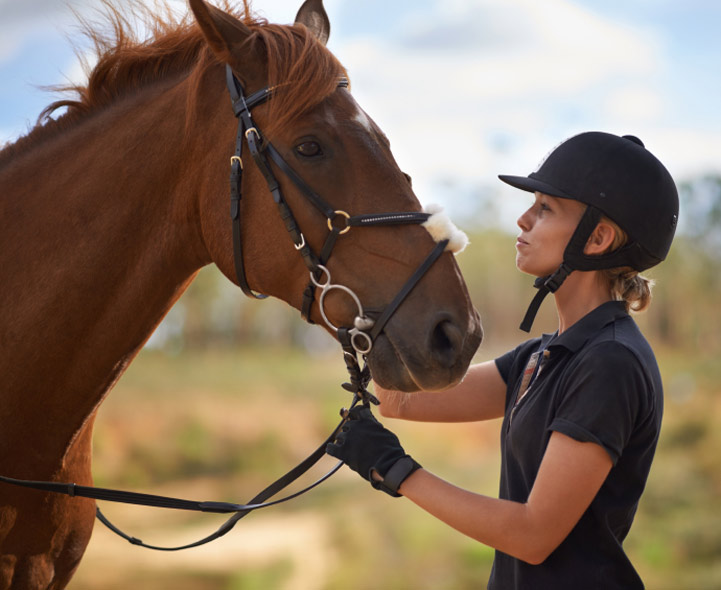
Cub
Gosling
Foal
Horse
What must it be like to ride a horse?
Our Social Circles




**Unlimited Quizzes Await You! 🚀**
Hey there, quiz champ! 🌟 You've already tackled today's free questions.
Ready for more?
🔓 Unlock UNLIMITED Quizzes and challenge yourself every day. But that's
not all...
🔥 As a Subscriber you can join our thrilling "Daily Streak" against other
quizzers. Try to win a coveted spot on our Hall of Fame Page.
Don't miss out! Join us now and keep the fun rolling. 🎉
**Unlimited Quizzes Await You! 🚀**
Hey there, quiz champ! 🌟 You've already tackled today's free questions. Ready for more?
🔓 Unlock UNLIMITED Quizzes and challenge yourself every day. But that's not all...
🔥 As a Subscriber you can join our thrilling "Daily Streak" against other quizzers. Try to win a coveted spot on our Hall of Fame Page.
Don't miss out! Join us now and keep the fun rolling. 🎉
© Copyright 2016-2026 - Education Quizzes
Work Innovate Ltd - Design | Development |
Marketing
