




Ask the AI Tutor
Need help with Investigating - Observation Skills? Ask our AI Tutor!
AI Tutor - Lucy
Connecting with Tutor...
Please wait while we establish connection
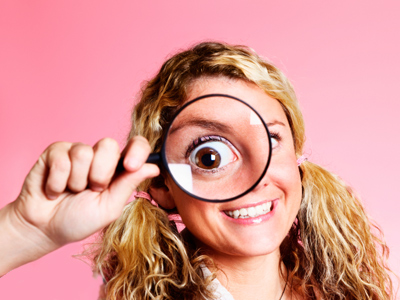
If you want to observe and investigate something you will have to look at it very carefully.
Investigating - Observation Skills
In this KS1 Science quiz, explore your super senses and practise careful observing by looking, listening, smelling and touching objects safely to spot differences and similarities.
1 .
What colour spots are on the body of the ladybird?
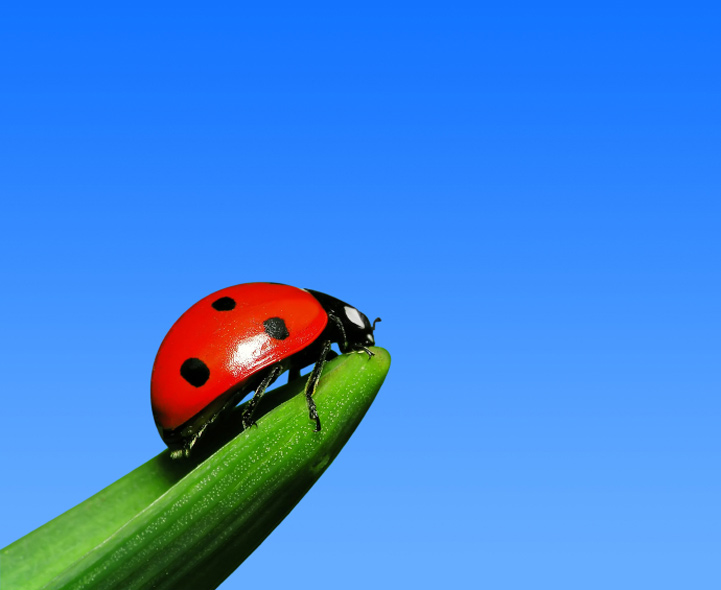
Black
White
Red
Green
Have you ever seen a yellow ladybird?
2 .
Sasha is looking very carefully at a minibeast. What is Sasha using to help her?
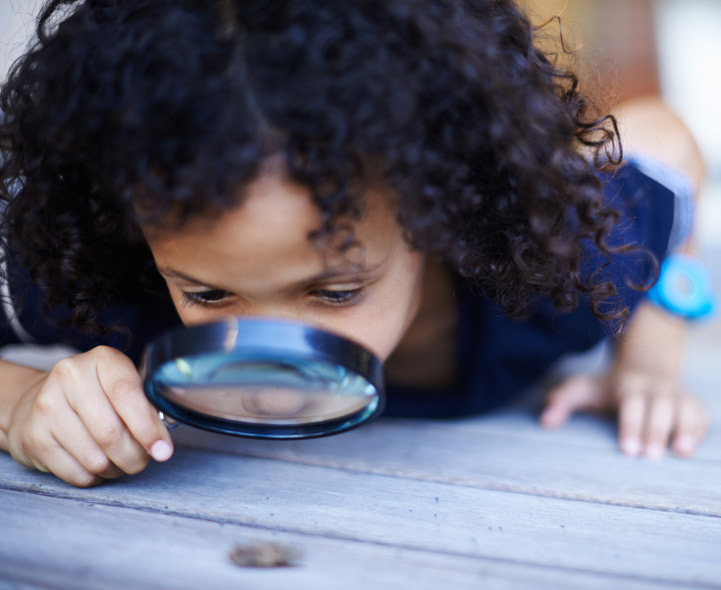
A watch
A magnifying glass
A window
A smart phone
Minibeasts look bigger in a magnifying glass
3 .
What do we call it when you look very carefully?
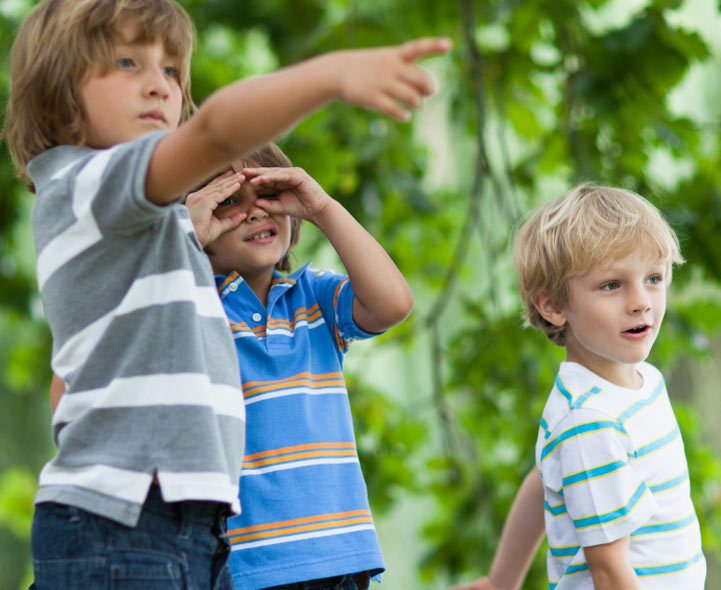
Staring
Observing
Pointing
Listening
Are you patient? Can you look carefully for a long time?
4 .
Ben is observing a minibeast. Which minibeast is Ben looking at closely?
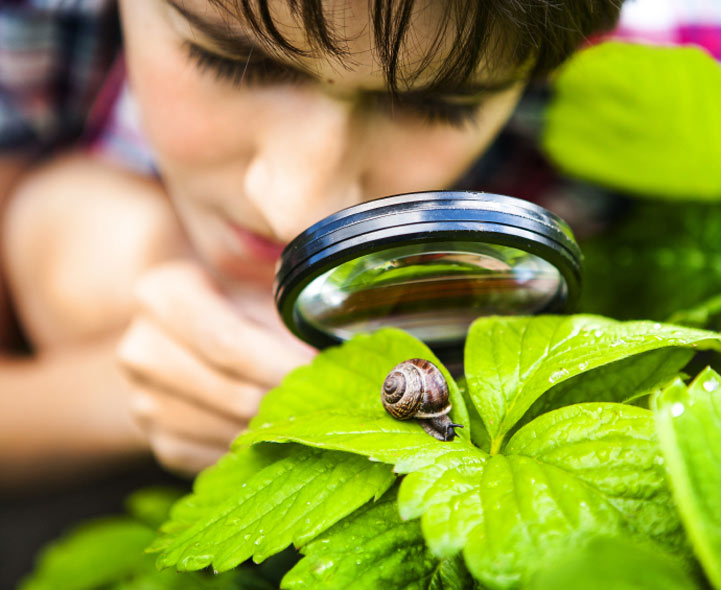
Slug
Snail
Beetle
Caterpillar
What is Ben using to study the snail?
5 .
Lucy is counting the birds that come to a birdfeeder.
Blue Tits have blue and white on the top of their heads.
Great Tits have black on the top of their heads.
How many Blue Tits are at the birdfeeder?
Blue Tits have blue and white on the top of their heads.
Great Tits have black on the top of their heads.
How many Blue Tits are at the birdfeeder?
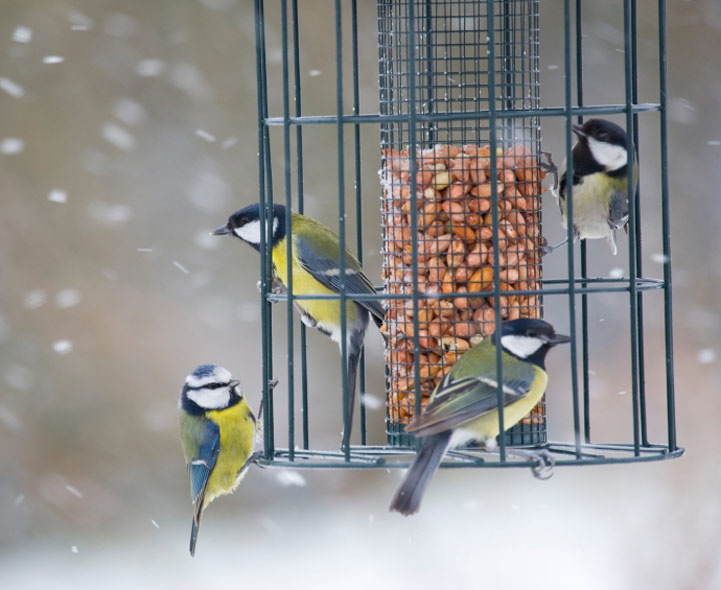
1
2
3
4
Do you feed the birds in winter?
6 .
What colour spots are on the head of this ladybird?
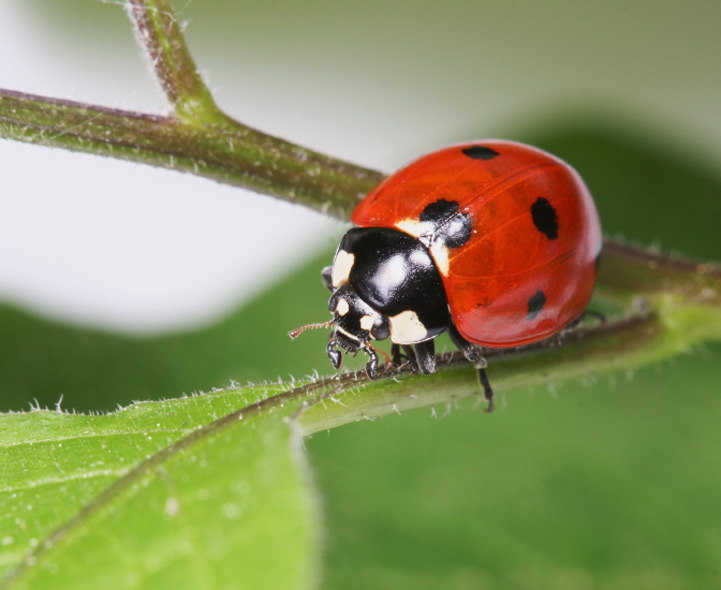
Black
White
Red
Green
Not all ladybirds look the same
7 .
Look closely. How many legs has this spider?
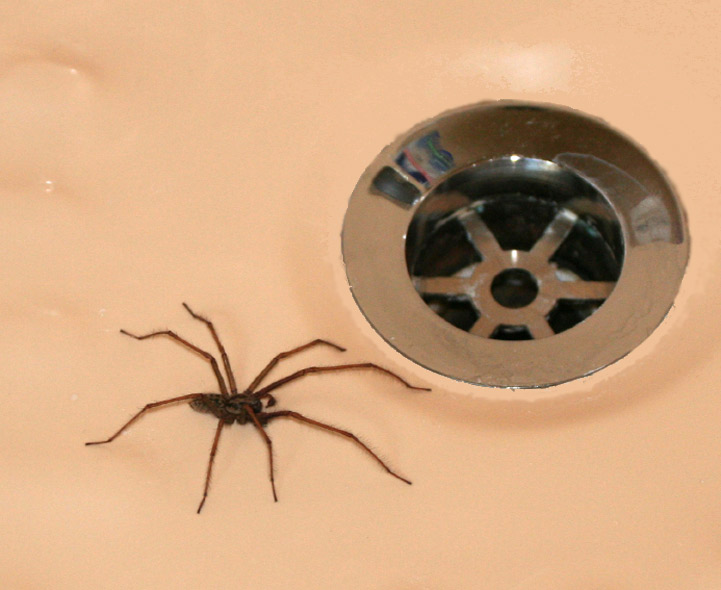
2
4
8
10
Have you ever found a spider in the bath?
8 .
Tom is looking at leaves in science. He has used a magnifying glass. Now he is using a microscope. Under a microscope, the leaf looks:
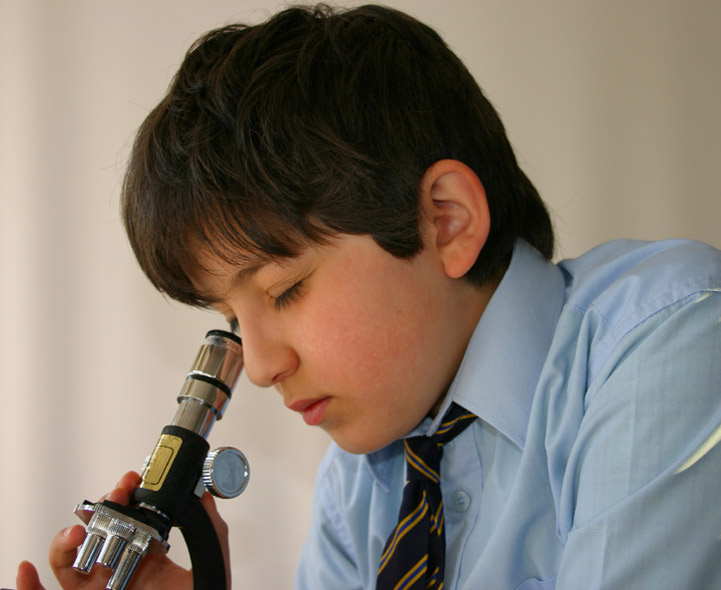
Very small
Much bigger
Smaller than before
The same size as before
What do you like doing in science?
9 .
How many petals has this flower?
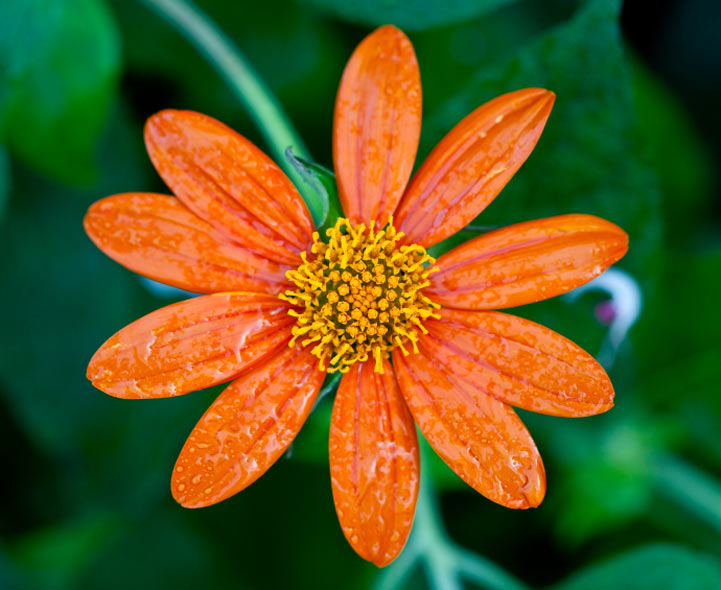
8
9
10
11
Did you count them?
10 .
What is Jamie using to look closely?
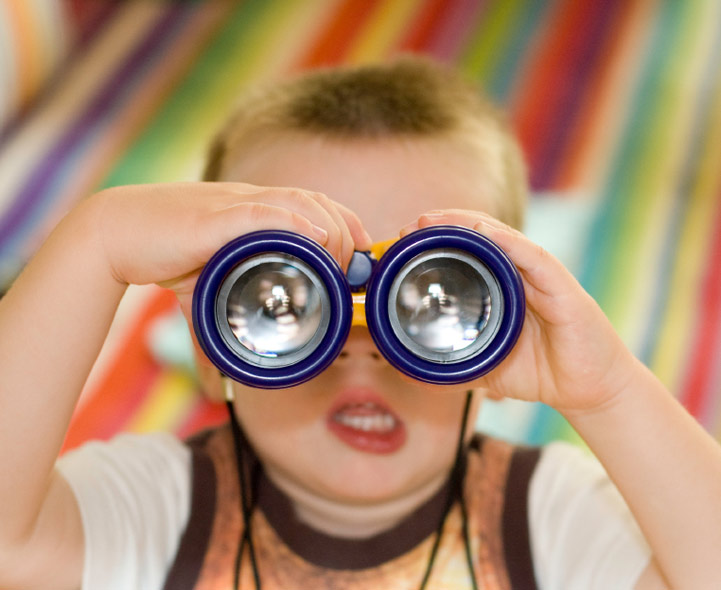
Glasses
Magnifying glass
Camera
Binoculars
Binoculars are really good for watching birds
Our Social Circles




**Unlimited Quizzes Await You! 🚀**
Hey there, quiz champ! 🌟 You've already tackled today's free questions.
Ready for more?
Ready for more?
🔓 Unlock UNLIMITED Quizzes and challenge yourself every day. But that's
not all...
not all...
🔥 As a Subscriber you can join our thrilling "Daily Streak" against other
quizzers. Try to win a coveted spot on our Hall of Fame Page.
quizzers. Try to win a coveted spot on our Hall of Fame Page.
Don't miss out! Join us now and keep the fun rolling. 🎉
**Unlimited Quizzes Await You! 🚀**
Hey there, quiz champ! 🌟 You've already tackled today's free questions. Ready for more?
🔓 Unlock UNLIMITED Quizzes and challenge yourself every day. But that's not all...
🔥 As a Subscriber you can join our thrilling "Daily Streak" against other quizzers. Try to win a coveted spot on our Hall of Fame Page.
Don't miss out! Join us now and keep the fun rolling. 🎉
© Copyright 2016-2026 - Education Quizzes
Work Innovate Ltd - Design | Development |
Marketing
