




Ask the AI Tutor
Need help with Living Things - Woodland Habitat? Ask our AI Tutor!
AI Tutor - Lucy
Connecting with Tutor...
Please wait while we establish connection
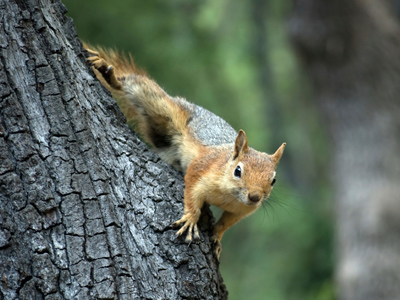
Many things live in the woods, like this squirrel.
Living Things - Woodland Habitat
Explore the woodland habitat, where trees, leaves, logs and soil provide homes, food and hiding places for mammals, birds, insects and many more amazing living things.
1 .
What are the tallest plants in a wood?

Grass
Trees
Bushes
Ferns
The trees grow tall to get as much sunlight as possible
2 .
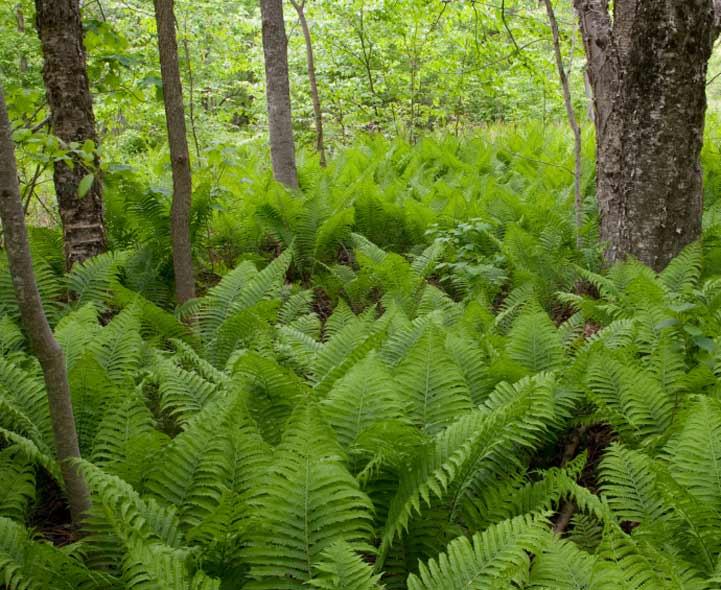
Ferns grow on the ground in the wood. They grow under the trees. What is it like under the trees?
Sunny
Shady
Very dark
Very light
All plants need light to grow. Ferns need light. But they can grow in the shade
3 .
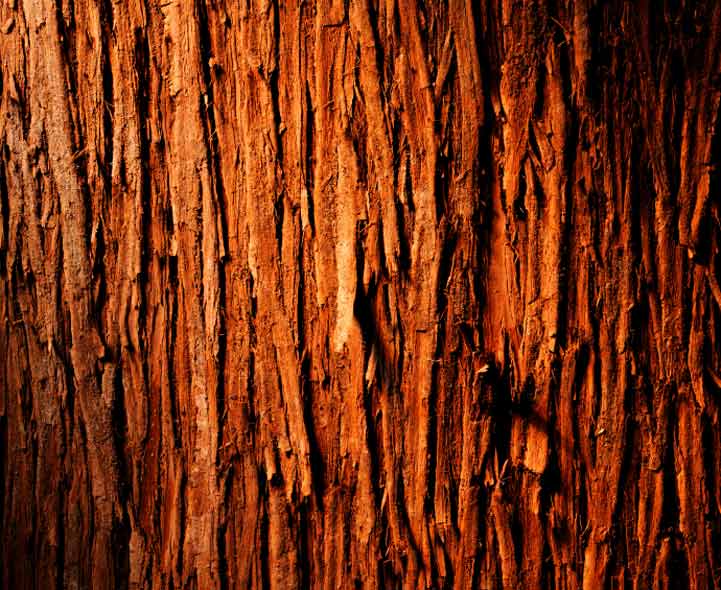
Which type of animals like to live on or under tree bark?
Rabbits
Pigs
Earthworms
Beetles
There are lots of beetles and other minibeasts on tree bark. Birds hop about on the bark. The birds catch some of these minibeasts for food
4 .
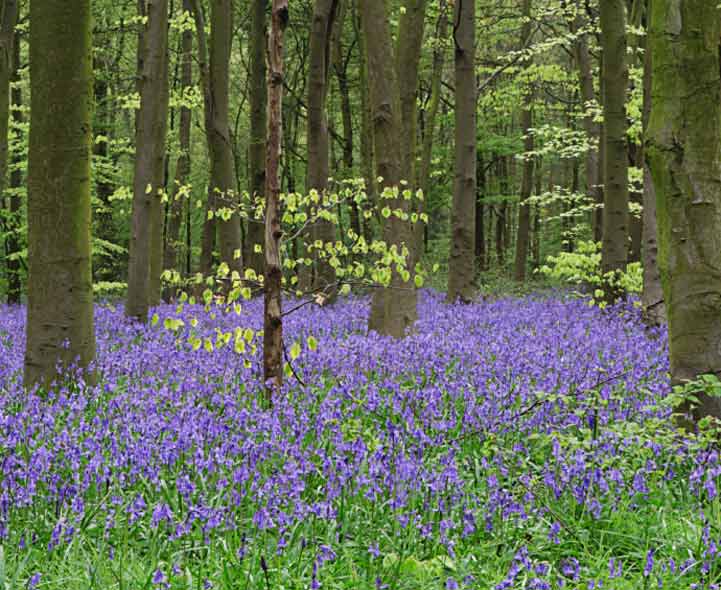
In the spring, many woods are full of blue flowers. What are these blue flowers called?
Daffodils
Snowdrops
Tulips
Bluebells
Have you ever been to a bluebell wood? Have you walked through the wood? What does it look like when the bluebells are flowering?
5 .
Where is it sunniest in a wood?
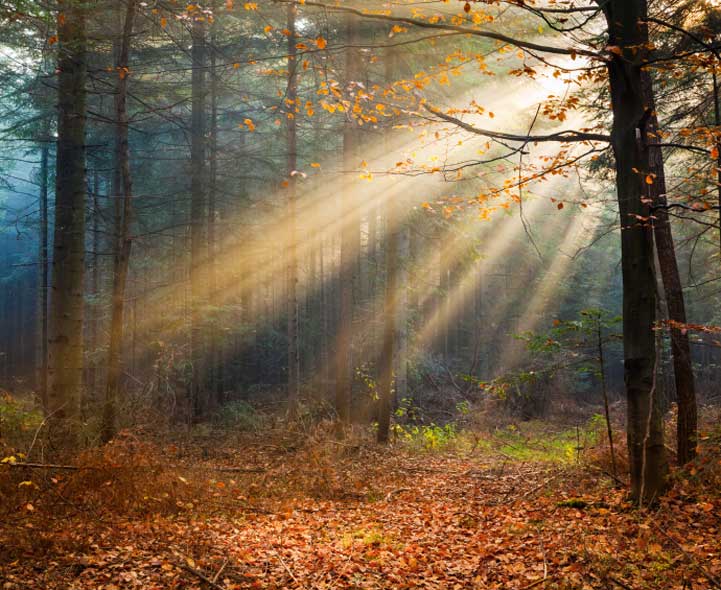
At the top of the trees
At the bottom of the trees
Under the trees
Under the ferns
The trees grow tall. They catch the sunlight. So it is shady under the trees
6 .
Sasha wants to find lots and lots of minibeasts in the wood. Where should he look to find the most minibeasts?
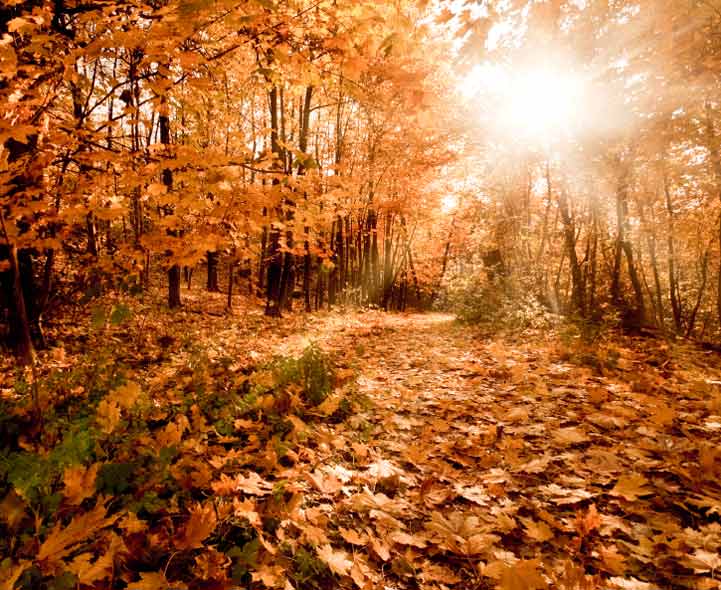
On leaves
In leaf litter
On bark
On ferns
There are minibeasts nearly everywhere in a wood, but they love to be in the leaf litter on the floor of the wood. There’s lots for them to eat there
7 .
What do many birds build in woodland?
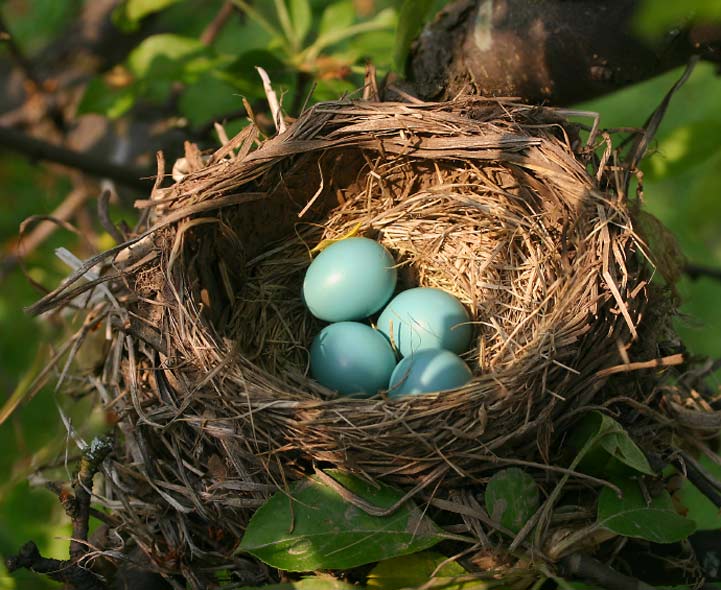
Houses
Schools
Roads
Nests
Some birds build nests in other places - in hedgerows or under the roofs of houses
8 .
Which of these animals likes to live in woodland?
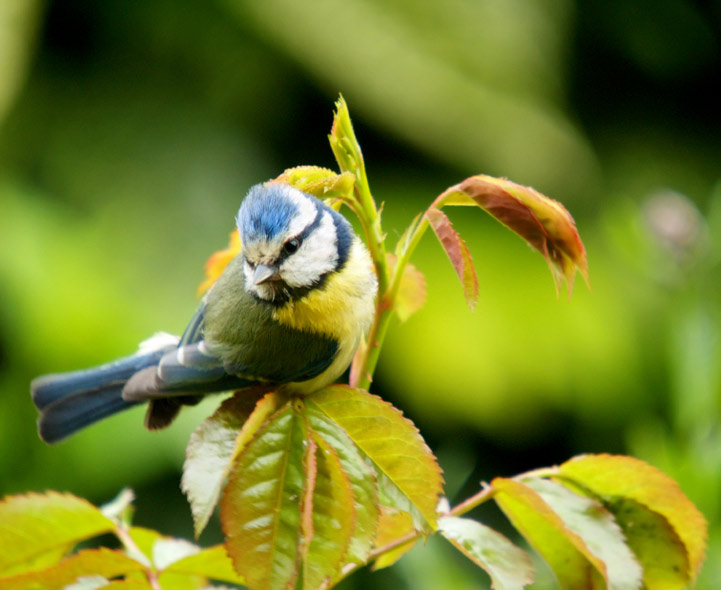
Sheep
Fish
Cows
Birds
Birds love woodland - there is lots of food, and they are safe in among the trees
9 .
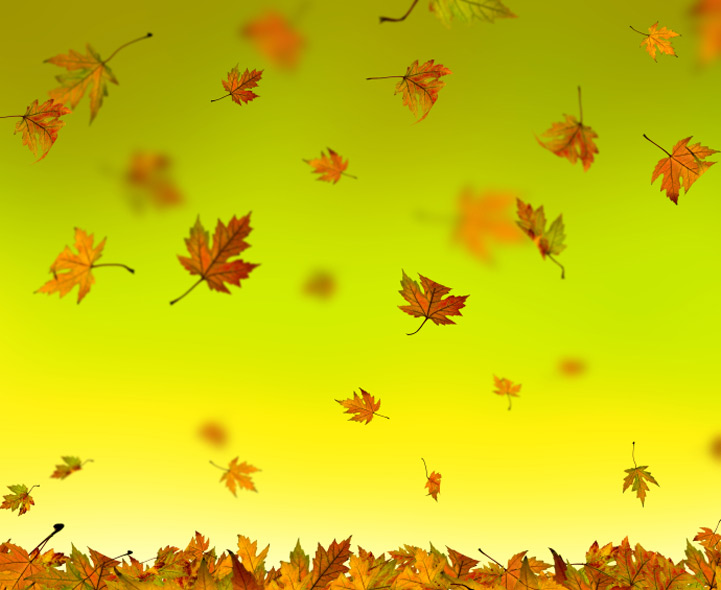
On the ground in the wood there is a lot of leaf litter. Where do the leaves come from?
From the ferns
From the deer
From the air
From the trees
The leaves fall through the air, but they come from the trees. A lot of leaves fall off trees in the autumn
10 .
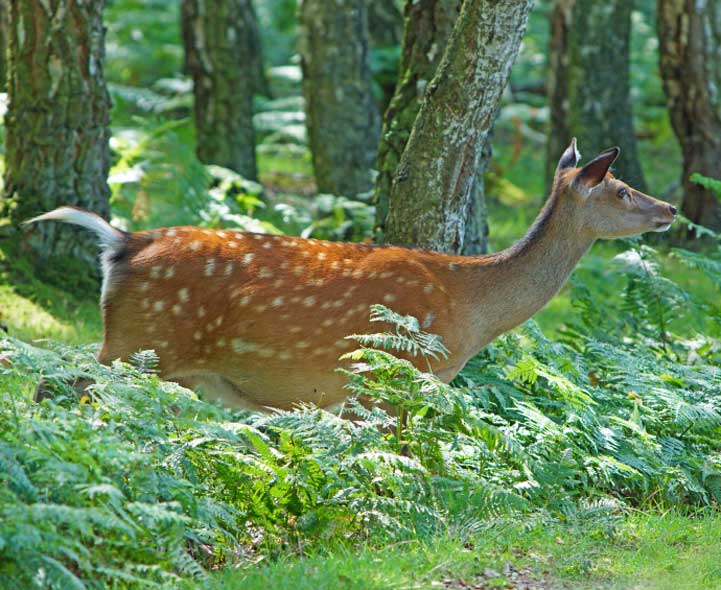
This animal likes to live in the woods. What is its name?
Badger
Fox
Squirrel
Deer
Deer feel safe hiding in the woods
Our Social Circles




**Unlimited Quizzes Await You! 🚀**
Hey there, quiz champ! 🌟 You've already tackled today's free questions.
Ready for more?
Ready for more?
🔓 Unlock UNLIMITED Quizzes and challenge yourself every day. But that's
not all...
not all...
🔥 As a Subscriber you can join our thrilling "Daily Streak" against other
quizzers. Try to win a coveted spot on our Hall of Fame Page.
quizzers. Try to win a coveted spot on our Hall of Fame Page.
Don't miss out! Join us now and keep the fun rolling. 🎉
**Unlimited Quizzes Await You! 🚀**
Hey there, quiz champ! 🌟 You've already tackled today's free questions. Ready for more?
🔓 Unlock UNLIMITED Quizzes and challenge yourself every day. But that's not all...
🔥 As a Subscriber you can join our thrilling "Daily Streak" against other quizzers. Try to win a coveted spot on our Hall of Fame Page.
Don't miss out! Join us now and keep the fun rolling. 🎉
© Copyright 2016-2026 - Education Quizzes
Work Innovate Ltd - Design | Development |
Marketing
