




Ask the AI Tutor
Need help with Capital Letters 02? Ask our AI Tutor!
AI Tutor - Lucy
Connecting with Tutor...
Please wait while we establish connection
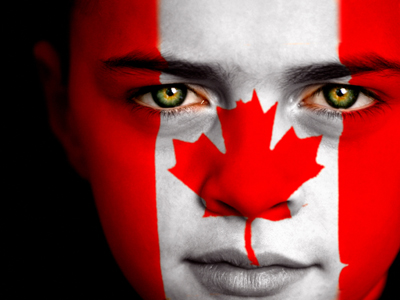
I loved our holiday in Canada. Countries are proper nouns and need a capital letter.
Capital Letters 02
Capital letters make writing clearer by marking names and important words. This KS2 English quiz helps pupils practise when to use capitals in real-world situations.
To see a larger image, click on the picture.
1 .
Which of these is correct?
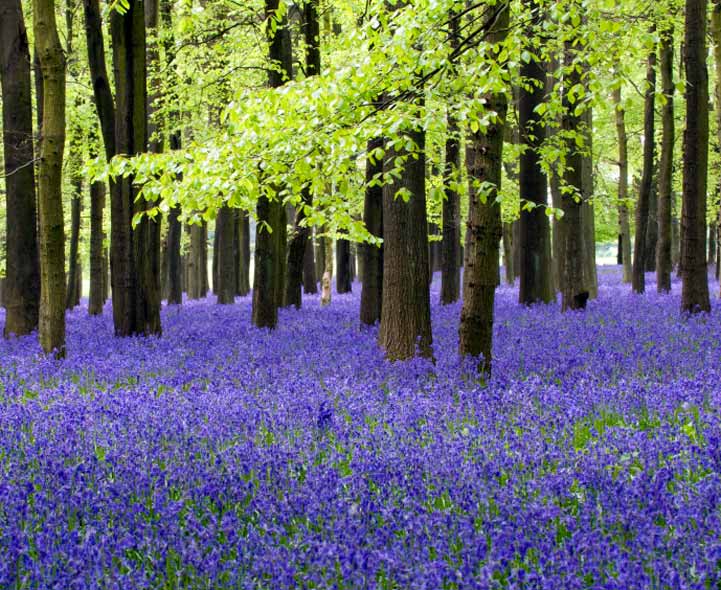
In March, we like to look for bluebells.
in March, we like to look for bluebells.
In march, we like to look for Bluebells.
in march, we like to look for bluebells.
'In' begins the sentence, 'March' is a proper noun.
2 .
Which of these is correct?
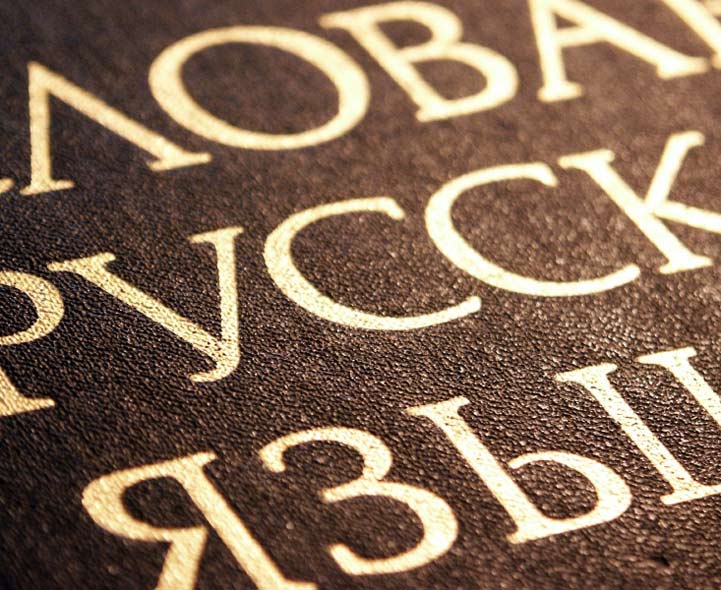
He can speak russian and German.
He can speak russian and german.
he can speak russian and german.
He can speak Russian and German.
'He' begins the sentence, 'Russian' and 'German' are proper nouns.
3 .
Which of these is correct?

"I'm tired and I want to go to bed now," He said.
"I'm tired and i want to go to bed now," he said.
"i'm tired and i want to go to bed now," he said.
"I'm tired and I want to go to bed now," he said.
'I' is always capitalised.
4 .
Which of these is correct?

She whispered, "Are you afraid?"
She whispered, "are you afraid?"
she whispered, "are you afraid?"
She whispered, "are You afraid?"
'She' and 'Are' both begin sentences - even though 'Are' is within the speech marks, it is the beginning of her spoken sentence.
5 .
Which of these is correct?
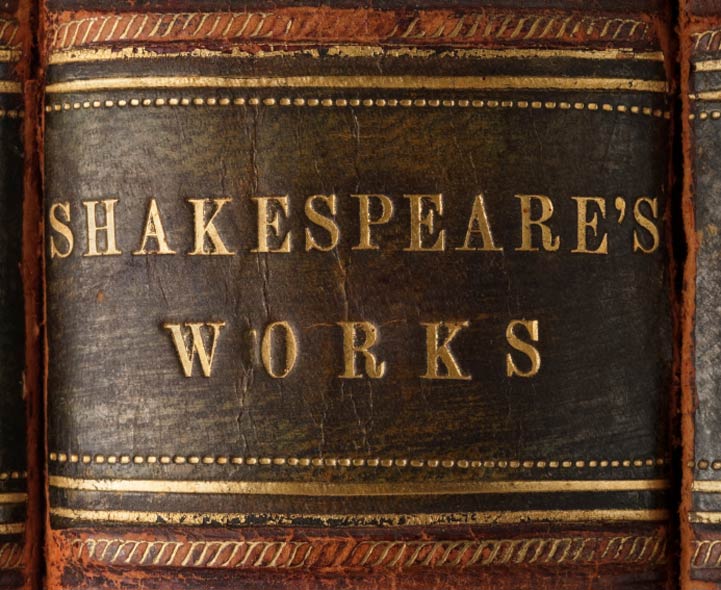
william shakespeare is the most famous english playwright.
William Shakespeare is the most famous english playwright.
William Shakespeare is the most famous English playwright.
William shakespeare is the most famous english playwright.
'William', 'Shakespeare' and 'English' are all proper nouns.
6 .
Which of these is correct?
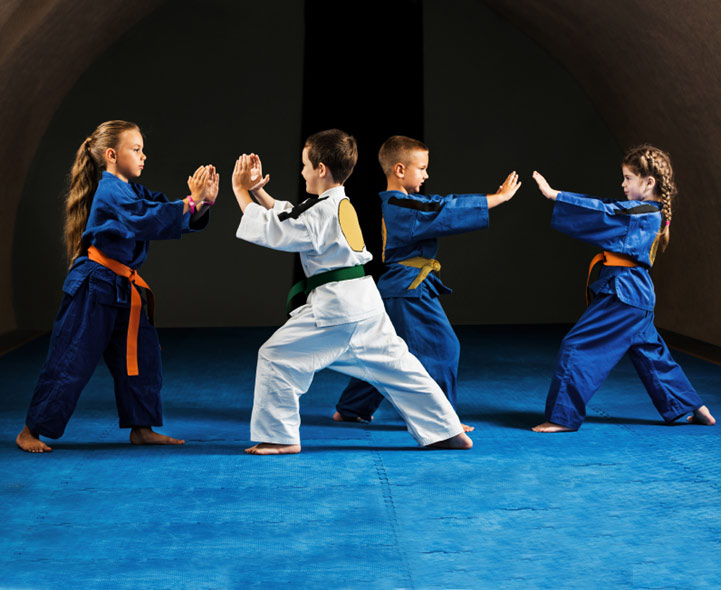
we have karate training every Wednesday.
we have karate training every wednesday.
We have karate training every Wednesday.
We have Karate training every wednesday.
'We' begins the sentence, 'Wednesday' is a proper noun.
7 .
Which of these is correct?

We play rugby in the winter, but we play cricket in the summer.
We play Rugby in the Winter, but we play Cricket in the Summer.
We play rugby in the Winter, but we play cricket in the Summer.
we play rugby in the winter, but we play cricket in the summer.
'We' begins the sentence - names of seasons and sports are not capitalised.
8 .
Which of these is correct?
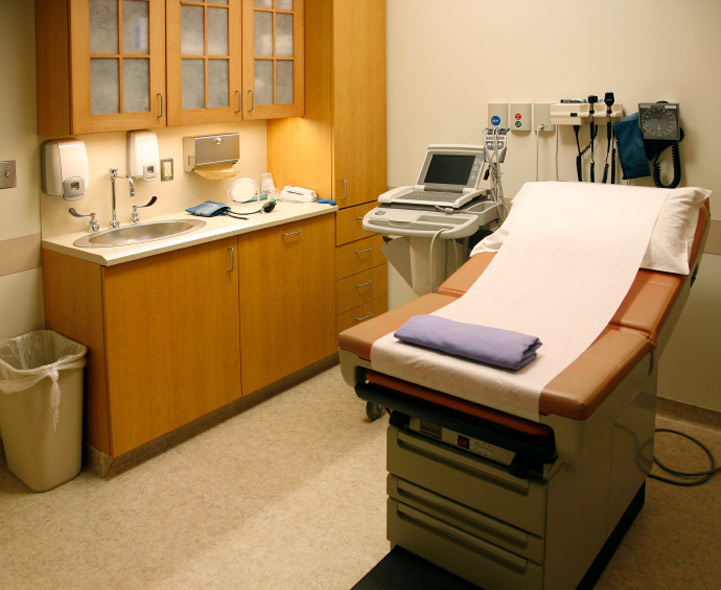
dr spock does not work at our local doctors' surgery.
Dr. Spock does not work at our local Doctors' Surgery.
Dr. Spock does not work at our local doctors' surgery.
Dr. spock does not work at our local doctors' surgery.
'Dr.' is a title, 'Spock' is a person's surname.
9 .
Which of these is correct?
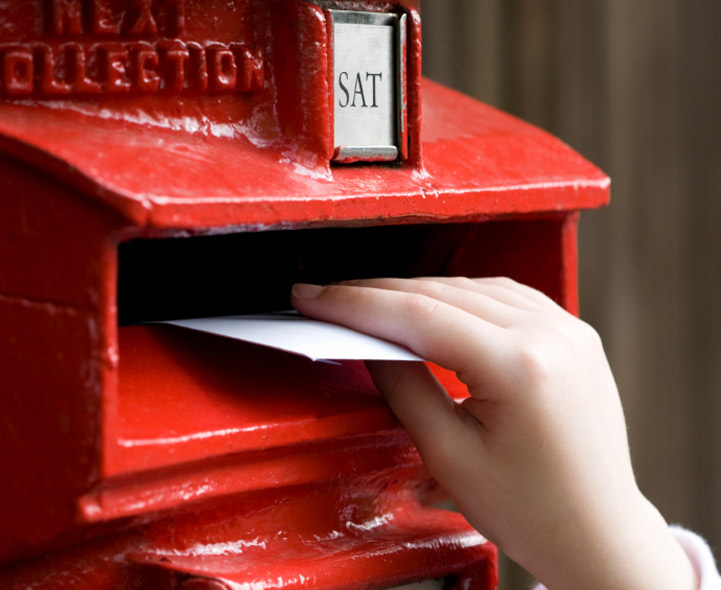
My address is: 10 Wordsworth Avenue, Edinburgh.
My address is: 10 Wordsworth avenue, Edinburgh.
my address is: 10 wordsworth avenue, edinburgh.
My address is: 10 Wordsworth Avenue, edinburgh.
'Wordsworth Avenue' and 'Edinburgh' are both proper nouns - they are place names.
10 .
Which of these is correct?
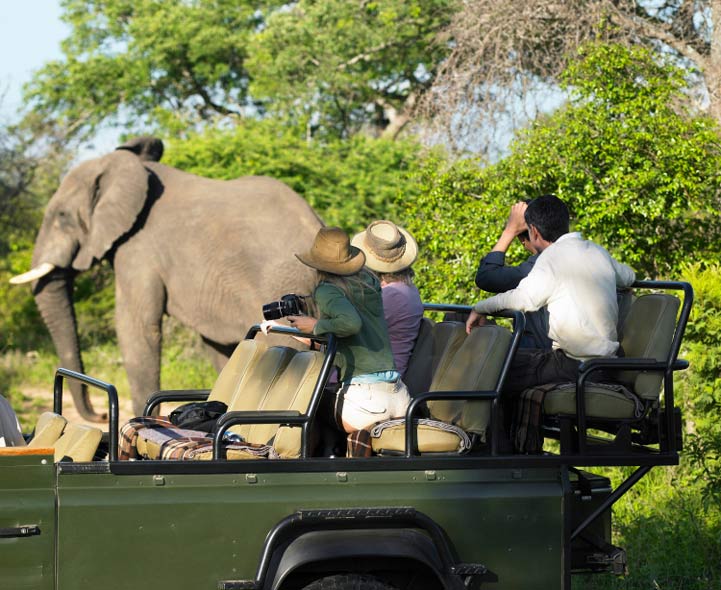
I've always wanted to visit south Africa.
I've always wanted to visit South Africa.
I've always wanted to visit south africa.
i've always wanted to visit south africa.
'I' is always capitalised, 'South Africa' is a proper noun because it is the name of a country.
Our Social Circles




**Unlimited Quizzes Await You! 🚀**
Hey there, quiz champ! 🌟 You've already tackled today's free questions.
Ready for more?
Ready for more?
🔓 Unlock UNLIMITED Quizzes and challenge yourself every day. But that's
not all...
not all...
🔥 As a Subscriber you can join our thrilling "Daily Streak" against other
quizzers. Try to win a coveted spot on our Hall of Fame Page.
quizzers. Try to win a coveted spot on our Hall of Fame Page.
Don't miss out! Join us now and keep the fun rolling. 🎉
**Unlimited Quizzes Await You! 🚀**
Hey there, quiz champ! 🌟 You've already tackled today's free questions. Ready for more?
🔓 Unlock UNLIMITED Quizzes and challenge yourself every day. But that's not all...
🔥 As a Subscriber you can join our thrilling "Daily Streak" against other quizzers. Try to win a coveted spot on our Hall of Fame Page.
Don't miss out! Join us now and keep the fun rolling. 🎉
© Copyright 2016-2026 - Education Quizzes
Work Innovate Ltd - Design | Development |
Marketing
