




Ask the AI Tutor
Need help with Bullying? Ask our AI Tutor!
AI Tutor - Lucy
Connecting with Tutor...
Please wait while we establish connection
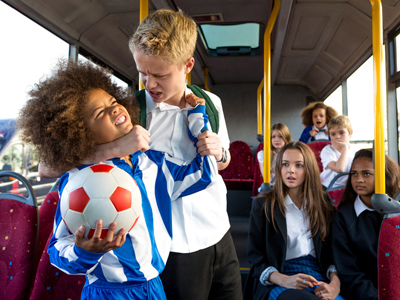
What exactly is a bully? Find out in this quiz.
Bullying
Bullying can make people feel unsafe and unhappy. Learn how to spot it, stay kind, and get help fast if you or someone else is being hurt.
1 .
If someone is saying mean things to you what should you do?
Walk away
Say mean things back
Start to cry
Listen to what they have to say
If you are being bullied and someone is being mean to you, walk away and tell an adult as soon as you can. Getting upset, listening to them or arguing back will encourage them to say more as they have an audience
2 .
If you think you are a bully what should you do?
Try not to get caught
Ring the police
Get your friends to join in
Tell an adult
If you think you might be acting like a bully you should tell an adult. They can help you make changes to your behaviour and support you as well as the victim
3 .
If your friend tells you they are being bullied what should you do?
Encourage them to tell an adult
Ring the police
Tell them to be brave
Bully the bully
If your friend tells you they are being bullied, you should encourage them to tell an adult so that they can get help. Fighting back is more likely to make the situation worse
4 .
Your school will have bullying policies and procedures. What will these do?
Show you how to be a bully
Record the names of every bully in the school
Tell the teachers how to deal with bullying behaviour
Record the names of all the children who have been bullied in the school
Bullying policies and procedures are in place to keep you safe in school. They outline what the teachers should do if bullying is taking place
5 .
Being bullied will NOT make a person feel ...
self-conscious
lonely
popular
scared
Being bullied can make a person experience lots of different emotions including being self-conscious, lonely, scared and embarrassed. They are unlikely to feel popular and surrounded by friends
6 .
Which of these is NOT bullying behaviour?
Physically attacking someone
Calling someone names
Not being friends with someone
Sending someone nasty messages online
You do not have to be friends with everyone. Not being friends with them doesn’t mean you are bullying them, unless you are being mean and hurtful and trying to get other people to fall out with them
7 .
If you are being bullied what should you do?
Tell an adult
Fight back
Stay out of their way
Get someone bigger to bully them
If you feel you are being bullied you should tell an adult - this could be your parents, teacher or group leader
8 .
Being bullied can negatively impact a person's ...
hearing
self-esteem
height
eyesight
Being bullied can reduce a person's self-esteem and self-confidence, making them feel bad about themselves
9 .
At what age are you accountable for your actions with the police in the UK?
8
10
12
14
At 10 years old you are accountable for your actions so if a bully breaks the law through their bullying behaviours, the police can investigate
10 .
What does the word bullying mean?
To repeatedly treat someone nicely
To repeatedly upset someone on purpose
To get into a fight with someone
To collect pictures of bulls
Bullying someone means to repeatedly upset them on purpose



**Unlimited Quizzes Await You! 🚀**
Hey there, quiz champ! 🌟 You've already tackled today's free questions.
Ready for more?
Ready for more?
🔓 Unlock UNLIMITED Quizzes and challenge yourself every day. But that's
not all...
not all...
🔥 As a Subscriber you can join our thrilling "Daily Streak" against other
quizzers. Try to win a coveted spot on our Hall of Fame Page.
quizzers. Try to win a coveted spot on our Hall of Fame Page.
Don't miss out! Join us now and keep the fun rolling. 🎉
**Unlimited Quizzes Await You! 🚀**
Hey there, quiz champ! 🌟 You've already tackled today's free questions. Ready for more?
🔓 Unlock UNLIMITED Quizzes and challenge yourself every day. But that's not all...
🔥 As a Subscriber you can join our thrilling "Daily Streak" against other quizzers. Try to win a coveted spot on our Hall of Fame Page.
Don't miss out! Join us now and keep the fun rolling. 🎉




© Copyright 2016-2026 - Education Quizzes
Work Innovate Ltd - Design | Development |
Marketing
