




Ask the AI Tutor
Need help with Habitats and Ecosystems? Ask our AI Tutor!
AI Tutor - Lucy
Connecting with Tutor...
Please wait while we establish connection
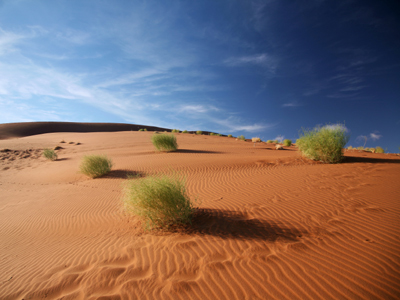
Some snakes can be found in a desert habitat.
Habitats and Ecosystems
Habitats are homes for living things. This KS2 Science quiz looks at ecosystems, from rainforests to oceans, showing how animals and plants survive together.
1 .
In which habitat might a newt be found?
In the desert
Near a pond
On the seashore
In a coniferous forest
Newts are amphibians, like frogs and toads, and so need to be close to fresh water
2 .
Which of these is a danger to marine habitats?
Algae
Killer whales
Rubbish
Seaweed
Damage to a habitat affects the entire ecosystem - a huge amount of rubbish, especially plastic, ends up in the sea each year, endangering the species which live there
3 .
Woodlands and forests have layered habitats - different species inhabit different layers in these environments. What species might you find in the canopy layer of a woodland?
Wild garlic
Hedgehogs
Earthworms
Sparrowhawks
The canopy is the uppermost layer in a woodland or forest habitat - where the treetops finally reach open space
4 .
All animals need food, shelter, water, oxygen and space to live. Which of these is hard to find in a grassland habitat?
Oxygen
Food
Shelter
Space
Grassland is generally wide, open space
5 .
Which of the following might be found in an urban (city) habitat?
Foxes
Pigeons
Squirrels
All of the above
The urban environment provides a home for many species besides humans
6 .
Which of these species could be found in a desert habitat?
Snakes
Holly
Mosses
Elephants
Holly and mosses are plants which need plenty of water so they are not found in deserts
7 .
Which of the following is not an example of a habitat?
Salt marshes
The United Kingdom
A rainforest
A hedgerow
While the United Kingdom has many inhabitants, or people who live in it, it is not a habitat
8 .
Which of the following does not describe the environmental conditions of a tidal (seaside) habitat in the UK?
Always wet
Frequently windy
Alternating between hot and cold
Often rainy
One of the reasons the seaside is an extreme environment is the frequency with which conditions change - the tide covers the shore twice every day, but leaves it exposed to drying winds and sunshine twice every day as well
9 .
Which of these species could be found in a woodland environment?
Lions
Cacti
Crocodiles
Fungi
Lions live in savannah, cacti in deserts and crocodiles in rivers
10 .
What is an ecosystem?
An environmentally-friendly place to live
A community which tries to live an ecological lifestyle
The interaction between a habitat, its community of species, and environmental conditions
A recycling system
There are many different ecosystems



**Unlimited Quizzes Await You! 🚀**
Hey there, quiz champ! 🌟 You've already tackled today's free questions.
Ready for more?
Ready for more?
🔓 Unlock UNLIMITED Quizzes and challenge yourself every day. But that's
not all...
not all...
🔥 As a Subscriber you can join our thrilling "Daily Streak" against other
quizzers. Try to win a coveted spot on our Hall of Fame Page.
quizzers. Try to win a coveted spot on our Hall of Fame Page.
Don't miss out! Join us now and keep the fun rolling. 🎉
**Unlimited Quizzes Await You! 🚀**
Hey there, quiz champ! 🌟 You've already tackled today's free questions. Ready for more?
🔓 Unlock UNLIMITED Quizzes and challenge yourself every day. But that's not all...
🔥 As a Subscriber you can join our thrilling "Daily Streak" against other quizzers. Try to win a coveted spot on our Hall of Fame Page.
Don't miss out! Join us now and keep the fun rolling. 🎉




© Copyright 2016-2026 - Education Quizzes
Work Innovate Ltd - Design | Development |
Marketing
