




Ask the AI Tutor
Need help with Crime and Punishment 01? Ask our AI Tutor!
AI Tutor - Lucy
Connecting with Tutor...
Please wait while we establish connection
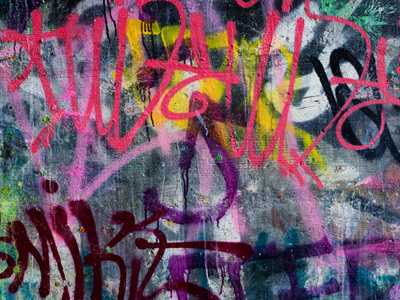
Spraying graffiti onto a wall might get you an anti-social behaviour order (ASBO).
Crime and Punishment 01
Crime and punishment shape how society stays safe and fair. Explore why laws exist, what happens after a crime, and how courts decide the right consequences.
1 .
What is the difference between robbery and burglary?
Burglary involves trespassing on another person's property
Burglary means carrying a swag bag and wearing a mask
Robbery is during the day, burglary is at night
Robbery only happens in jewellery shops and banks
'Daylight robbery' doesn't mean during the day!
2 .
Which of these might get you an anti-social behaviour order (ASBO)?
Charity work
Doing homework
Going to church
Graffiti
There are many other examples of anti-social behaviour that can land someone with an ASBO
3 .
What is the highest court in the country?
Appeal Court
Crown Court
High Court
Supreme Court
This court has the final word on any appeals in England, Wales and Northern Ireland. In Scotland, it has the final word on civil cases but there is a separate court for criminal cases
4 .
Appeals against decisions made in court get heard in which court?
Appeal court
Crown court
High court
House of Lords
Sometimes wrong decisions can be made. The appeals system means that evidence can be presented to a different court to see if they view it differently to the original court
5 .
If a person is guilty of robbery, what is the maximum sentence?
2 years
5 years
10 years
Life
The judge can give a lesser sentence, depending on the circumstances. Some people think that community sentences instead of prison would be better
6 .
Where are the majority of court cases heard?
County court
Crown court
High court
Magistrates' court
Over 95% of cases!
7 .
A person who is serving on a jury is called .......
A convict
A juror
An assistant judge
An expert witness
Almost anyone of voting age can be asked to be a juror
8 .
What does a magistrates' court NOT have?
Fines
Judge
Jury
Sentences
Cases are dealt with by a 'bench' of two or three magistrates or a trained lawyer called the District Judge
9 .
At what age is it legal to drink alcohol at home?
5
8
11
14
Some pressure groups think that it should be made illegal for children under the age of 15 to drink alcohol anywhere. They want this to be made the law because alcohol is a poison. It is also an addictive drug that can damage the brain and other organs
10 .
Which of these is considered a crime?
Watching television without a licence
Claiming benefits without entitlement
Leaving your dog's foul on a pavement
All of the above
None of these would lead to a prison sentence



**Unlimited Quizzes Await You! 🚀**
Hey there, quiz champ! 🌟 You've already tackled today's free questions.
Ready for more?
Ready for more?
🔓 Unlock UNLIMITED Quizzes and challenge yourself every day. But that's
not all...
not all...
🔥 As a Subscriber you can join our thrilling "Daily Streak" against other
quizzers. Try to win a coveted spot on our Hall of Fame Page.
quizzers. Try to win a coveted spot on our Hall of Fame Page.
Don't miss out! Join us now and keep the fun rolling. 🎉
**Unlimited Quizzes Await You! 🚀**
Hey there, quiz champ! 🌟 You've already tackled today's free questions. Ready for more?
🔓 Unlock UNLIMITED Quizzes and challenge yourself every day. But that's not all...
🔥 As a Subscriber you can join our thrilling "Daily Streak" against other quizzers. Try to win a coveted spot on our Hall of Fame Page.
Don't miss out! Join us now and keep the fun rolling. 🎉




© Copyright 2016-2026 - Education Quizzes
Work Innovate Ltd - Design | Development |
Marketing
