




Ask the AI Tutor
Need help with Food 01? Ask our AI Tutor!
AI Tutor - Lucy
Connecting with Tutor...
Please wait while we establish connection
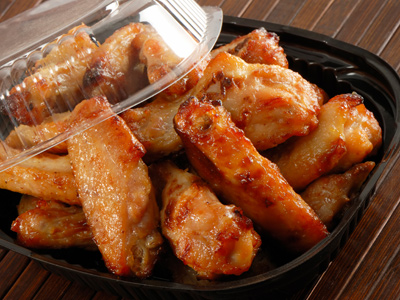
Do you like convenience food?
Food 01
Food tech is about making safe, tasty meals. This quiz checks how well you understand hygiene, nutrition, and smart kitchen choices when planning, preparing, and storing food.
1 .
Pre-cooked foods packaged as complete dishes or meals that only need reheating are known as what?
Bargain foods
Basic foods
Convenience foods
Exotic foods
It is not good for your health to eat pre-cooked meals all of the time as they usually provide your body with too many calories
2 .
The taste buds in the tongue can detect how many basic tastes?
3
4
5
6
The flavour of a food comes from the balance between the tastes and the aroma detected by your nose. That is why you sometimes can't taste food very well when you have a cold.
The 5 tastes are: sweet, sour, salt, bitter, and savoury (sometimes called umami)
The 5 tastes are: sweet, sour, salt, bitter, and savoury (sometimes called umami)
3 .
What are the basic tastes?
Salt, sour, fruit and bitter
Sour, sweet, salt and bitter
Sweet, tart, fruit and sour
Tart, sweet, sour and bitter
These are detected by different parts of your tongue
4 .
Many of the foods we eat are:
androids
colloids
colons
lipids
A colloid is a mixture of things which usually do not mix but, once they have, can be difficult to separate
5 .
Which of the following are the two phases of a colloid?
continuous and disperse
focal and taste
sweet and sour
water and liquid
The continuous phase runs right through the colloid, the disperse phase is the material that is spread through the continuous phase
6 .
Which of the following is a disadvantage of pre-cooked and pre-packed food that is bought from shops and supermarkets?
The packaging cannot be recycled
They are not always balanced in nutrients
They often contain a lot of artificial additives and salt
All of the above
They also often contain trans-fats which are believed to lead to heart disease
7 .
In a sponge cake, which ingredient acts as a binding agent?
Butter
Egg
Flour
Sugar
A binding agent is a substance that holds a mixture together
8 .
There are three sorts of raising agent. What are they?
Biological, mechanical and natural
Electrical, organic and chemical
Mechanical, chemical and biological
Organic, natural and electrical
Raising agents cause mixtures to expand by forming pockets of air or carbon dioxide within the mixture. An example of a mechanical raising agent is when you whip cream. A chemical raising agent is sodium bicarbonate which releases carbon dioxide during cooking and a biological raising agent is yeast, which releases carbon dioxide into the mixture before cooking
9 .
A way to thicken a liquid is to use some form of starch such as cornflour or arrowroot. What is this called?
Gelatinization
Naturalization
Solidification
Starchification
If they are not mixed with a small amount of cold liquid first, the liquid will not thicken properly
10 .
Bread, sugar, potatoes and pasta are all good sources of which nutrient?
carbohydrates
fats
proteins
vitamins
Carbohydrates give us energy



**Unlimited Quizzes Await You! 🚀**
Hey there, quiz champ! 🌟 You've already tackled today's free questions.
Ready for more?
Ready for more?
🔓 Unlock UNLIMITED Quizzes and challenge yourself every day. But that's
not all...
not all...
🔥 As a Subscriber you can join our thrilling "Daily Streak" against other
quizzers. Try to win a coveted spot on our Hall of Fame Page.
quizzers. Try to win a coveted spot on our Hall of Fame Page.
Don't miss out! Join us now and keep the fun rolling. 🎉
**Unlimited Quizzes Await You! 🚀**
Hey there, quiz champ! 🌟 You've already tackled today's free questions. Ready for more?
🔓 Unlock UNLIMITED Quizzes and challenge yourself every day. But that's not all...
🔥 As a Subscriber you can join our thrilling "Daily Streak" against other quizzers. Try to win a coveted spot on our Hall of Fame Page.
Don't miss out! Join us now and keep the fun rolling. 🎉




© Copyright 2016-2026 - Education Quizzes
Work Innovate Ltd - Design | Development |
Marketing
