




Ask the AI Tutor
Need help with Needs and Likes 01? Ask our AI Tutor!
AI Tutor - Lucy
Connecting with Tutor...
Please wait while we establish connection
What does texture mean?
Needs and Likes 01
Good designers spot what users need, then tailor what they like. Learn how to research audiences and turn needs and likes into smart product choices.
1 .
What is the checklist called that helps identify needs?
MEAT checklist
PIES checklist
MASH checklist
PEAS checklist
This identifies the four main aspects of any design project
2 .
The area of design concerned with how a product looks is called .......
aesthetics
scale
shape
texture
This means 'pleasing to the eye'
3 .
Which of these are worked with when designing?
Colour
Light
Line
All of the above
Lines can create shape, pattern and movement
4 .
Which word is used when describing two-dimensional objects?
Form
Shape
Size
Space
A two-dimensional object is flat
5 .
What does the 'P' stand for in the PIES checklist?
Personal
Physical
Preference
Psychological
This part of the checklist could include notes about making the design suitable for someone with a disability
6 .
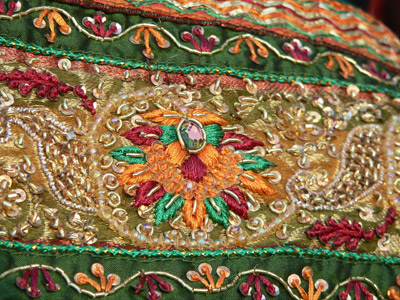
What does the word 'texture' mean?
The amount of pixels in an image
The feel, appearance or consistency of a surface
The level of roughness of a surface
The type of pattern on an object
Texture applies both to the look of an object and to the way it feels
7 .
What does the 'I' stand for in the PIES checklist?
Information
Intellectual
Introspection
Involvement
This helps avoid making something over-complicated to use
8 .
Which word is used when describing three-dimensional objects?
Form
Shape
Size
Space
The form of the object determines the space occupied by the object
9 .
What does the 'E' stand for in the PIES checklist?
Emotional
Envy
Evolution
Exciting
Not all designs will need to be designed to appeal to the emotions
10 .
What does the 'S' stand for in the PIES checklist?
Sexual
Social
Special
Super
The final design may be influenced by the social needs of the user. For example, making a hair brush that can fold away into a small volume would be a social need of someone who is travelling abroad and needs to keep the volume and weight of their luggage to a minimum
Our Social Circles




**Unlimited Quizzes Await You! 🚀**
Hey there, quiz champ! 🌟 You've already tackled today's free questions.
Ready for more?
Ready for more?
🔓 Unlock UNLIMITED Quizzes and challenge yourself every day. But that's
not all...
not all...
🔥 As a Subscriber you can join our thrilling "Daily Streak" against other
quizzers. Try to win a coveted spot on our Hall of Fame Page.
quizzers. Try to win a coveted spot on our Hall of Fame Page.
Don't miss out! Join us now and keep the fun rolling. 🎉
**Unlimited Quizzes Await You! 🚀**
Hey there, quiz champ! 🌟 You've already tackled today's free questions. Ready for more?
🔓 Unlock UNLIMITED Quizzes and challenge yourself every day. But that's not all...
🔥 As a Subscriber you can join our thrilling "Daily Streak" against other quizzers. Try to win a coveted spot on our Hall of Fame Page.
Don't miss out! Join us now and keep the fun rolling. 🎉
© Copyright 2016-2026 - Education Quizzes
Work Innovate Ltd - Design | Development |
Marketing
