




Ask the AI Tutor
Need help with Textiles 01? Ask our AI Tutor!
AI Tutor - Lucy
Connecting with Tutor...
Please wait while we establish connection
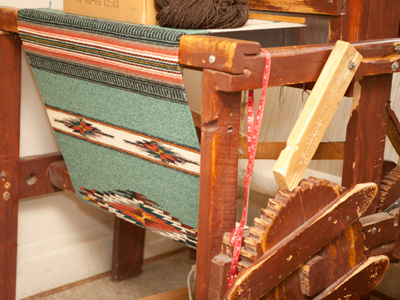
Woven fabrics, like these, usually do not stretch along the length or width.
Textiles 01
Textiles shape what we wear and use every day. Learn how fabric structures affect stretch, strength, comfort, and durability, then choose the right textile for a design job.
1 .
Which kinds of fabrics are stretchy?
Coloured
Knitted
Patterned
Woven
Cotton jersey is the one of the most common knitted fabrics
2 .
What is the name of the advanced fibre manufactured from cellulose?
Pencil
Tencel
Tinsel
Tonsil
Tencel is a trade name, it is a type of rayon
3 .
Which kinds of fabrics do not stretch along the length or width?
Coloured
Knitted
Patterned
Woven
The yarn is arranged in an over and under pattern
4 .
Which of these fabrics is associated waterproof items?
Cotton corduroy
Cotton poplin
Polyster cotton
Ripstop nylon
It is also strong and does not tear easily
5 .
What are the lengthwise threads of a woven fabric called?
Distort
Shrink
Warp
Y-axis
Also called straight grain
6 .
The neat edges of woven fabric, where the cloth doesn't fray, are called the .......
salvage
selvedge
strim
trim
Fraying is where the fibres of a fabric have started to come apart
7 .
A fabric care symbol with a capital 'P' in a circle denotes what?
Hand wash only
May be dry cleaned
May be tumble dried
Polyster fabric
Wet washing a dry clean only fabric will affect its shape and size
8 .
A fabric care symbol with a circle inside a square denotes what?
Do not iron
Hand wash only
May be dry cleaned
May be tumble dried
The symbol looks like the front of a tumble dryer!
9 .
What material is made from polythene fibres bonded together by heat and pressure?
Teflon
Tyvek
Vexon
Xylon
Envelopes can be made out of Tyvek. It is waterproof, provides a good printing surface and is very difficult to tear
10 .
The thread at right angles to the selvedge is called the .......
weft
welp
wend
west
Doubling the weft back on itself creates a neat edge that doesn't fray



**Unlimited Quizzes Await You! 🚀**
Hey there, quiz champ! 🌟 You've already tackled today's free questions.
Ready for more?
Ready for more?
🔓 Unlock UNLIMITED Quizzes and challenge yourself every day. But that's
not all...
not all...
🔥 As a Subscriber you can join our thrilling "Daily Streak" against other
quizzers. Try to win a coveted spot on our Hall of Fame Page.
quizzers. Try to win a coveted spot on our Hall of Fame Page.
Don't miss out! Join us now and keep the fun rolling. 🎉
**Unlimited Quizzes Await You! 🚀**
Hey there, quiz champ! 🌟 You've already tackled today's free questions. Ready for more?
🔓 Unlock UNLIMITED Quizzes and challenge yourself every day. But that's not all...
🔥 As a Subscriber you can join our thrilling "Daily Streak" against other quizzers. Try to win a coveted spot on our Hall of Fame Page.
Don't miss out! Join us now and keep the fun rolling. 🎉




© Copyright 2016-2026 - Education Quizzes
Work Innovate Ltd - Design | Development |
Marketing
