




Ask the AI Tutor
Need help with Adjectives - Nationalities and Colours? Ask our AI Tutor!
AI Tutor - Lucy
Connecting with Tutor...
Please wait while we establish connection
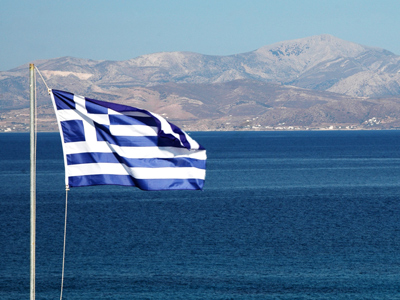
Greque - Greek.
Adjectives - Nationalities and Colours
French adjectives can change form and position. Practise describing people and places using nationalities and colours, and learn how to make your French sound more natural.
In each question you will be given a word or words in English. All you have to do is choose the French equivalent from the four choices offered.
1 .
Austrian (to describe a girl / woman)
Américaine
Autrichienne
Américain
Autrichien
2 .
Gold
Orange
Grise
Or
Gris
Orange = orange
Grise = grey (feminine noun)
Gris = grey (masculine noun)
Grise = grey (feminine noun)
Gris = grey (masculine noun)
3 .
Light (to describe a colour e.g. ‘light brown’)
Clair
Foncé
Vert
Verte
Foncé = dark
Vert = green (masculine noun)
Verte = green (feminine noun)
Vert = green (masculine noun)
Verte = green (feminine noun)
4 .
Pink
Rouge
Rose
Violet
Violette
Rouge = red
Violet = purple (masculine noun)
Violette = purple (feminine noun)
Violet = purple (masculine noun)
Violette = purple (feminine noun)
5 .
Brown
Marron
Noir
Noire
Jaune
Noir = black (masculine noun)
Noire = black (feminine noun)
Jaune = yellow
Noire = black (feminine noun)
Jaune = yellow
6 .
Scottish
Espagnol / espagnole
Irlandais / irlandaise
Écossais / écossaise
Italien / italienne
Écossais = Scottish (masculine)
Écossaise = Scottish (feminine)
Espagnol = Spanish (masculine)
Espagnole = Spanish (feminine)
Irlandais = Irish (masculine)
Irlandaise = Irish (feminine)
Italien = Italian (masculine)
Italienne = Italian (feminine)
Écossaise = Scottish (feminine)
Espagnol = Spanish (masculine)
Espagnole = Spanish (feminine)
Irlandais = Irish (masculine)
Irlandaise = Irish (feminine)
Italien = Italian (masculine)
Italienne = Italian (feminine)
7 .
Swiss
Suède
Français
Suisse
Française
Suède = Sweden
Français = French (masculine)
Française = French (feminine)
Français = French (masculine)
Française = French (feminine)
8 .
British
Belge
Anglais
Britannique
Anglaise
Belge = Belgian
Anglais = English (masculine)
Anglaise = English (feminine)
Anglais = English (masculine)
Anglaise = English (feminine)
9 .
Welsh
Portugais / portugaise
Allemand / allemande
Grec / greque
Gallois / galloise
Gallois = Welsh (masculine)
Galloise = Welsh (feminine)
Portugais = Portuguese (masculine)
Portugaise = Portuguese (feminine)
Allemand = German (masculine)
Allemande = German (feminine)
Grec = Greek (masculine)
Greque = Greek (feminine)
Galloise = Welsh (feminine)
Portugais = Portuguese (masculine)
Portugaise = Portuguese (feminine)
Allemand = German (masculine)
Allemande = German (feminine)
Grec = Greek (masculine)
Greque = Greek (feminine)
10 .
White (to describe a feminine noun)
Blanc
Bleu
Bleue
Blanche
Blanc = white (masculine noun)
Bleu = blue (masculine noun)
Bleue = blue (feminine noun)
Bleu = blue (masculine noun)
Bleue = blue (feminine noun)



**Unlimited Quizzes Await You! 🚀**
Hey there, quiz champ! 🌟 You've already tackled today's free questions.
Ready for more?
Ready for more?
🔓 Unlock UNLIMITED Quizzes and challenge yourself every day. But that's
not all...
not all...
🔥 As a Subscriber you can join our thrilling "Daily Streak" against other
quizzers. Try to win a coveted spot on our Hall of Fame Page.
quizzers. Try to win a coveted spot on our Hall of Fame Page.
Don't miss out! Join us now and keep the fun rolling. 🎉
**Unlimited Quizzes Await You! 🚀**
Hey there, quiz champ! 🌟 You've already tackled today's free questions. Ready for more?
🔓 Unlock UNLIMITED Quizzes and challenge yourself every day. But that's not all...
🔥 As a Subscriber you can join our thrilling "Daily Streak" against other quizzers. Try to win a coveted spot on our Hall of Fame Page.
Don't miss out! Join us now and keep the fun rolling. 🎉




© Copyright 2016-2026 - Education Quizzes
Work Innovate Ltd - Design | Development |
Marketing

Américain = American (masculine)
Autrichien = Austrian (masculine)