




Ask the AI Tutor
Need help with The Industrial Revolution 03? Ask our AI Tutor!
AI Tutor - Lucy
Connecting with Tutor...
Please wait while we establish connection
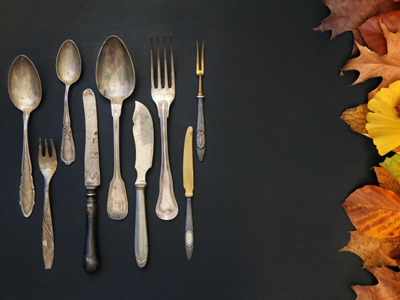
Sheffield is most associated with steel making, particularly cutlery.
The Industrial Revolution 03
Factories, mines, and workshops needed cheap workers. This KS3 History quiz looks at child labour in the Industrial Revolution and why people campaigned to change the law.
1 .
Iron and steel making required what form of coal?
Anthracite
Bituminous coal
Coke
Lignite
This was made by heating coal in the absence of air
2 .
Cast iron that could be shaped by bending or hammering was called what?
Distressed iron
Pressed iron
Wrought iron
Wrung iron
Stronger than cast iron - used for tools and machines but it was only made in small quantities and was therefore very expensive
3 .
In the early 18th century, who began making cast iron?
Abraham Darby
Adam Lester
Moses Carlisle
Noah Durham
He used coke instead of charcoal
4 .
In the 1850s who developed a steelmaking process?
David Fitzsimmons
Henry Bessemer
Henry Cort
John Neilson
Steel was less brittle than wrought iron
5 .
Which of the following cities is most associated with steel making?
Bristol
Edinburgh
Manchester
Sheffield
Especially stainless steel, particularly cutlery
6 .
Which factory owner financed James Watt's work?
James Nasmyth
Lionel French
Matthew Boulton
Thomas Savery
He was a Birmingham businessman
7 .
James Watt improved whose steam engine in the 1760s?
Terence Newgate
Thomas Newcomen
Timothy Newland
Tom Newsome
Newcomen's was the first really practical working steam engine
8 .
Who usually crawled under a jammed machine?
Children
Factory owners
Men
Women
Very dangerous - machines were often still running
9 .
Edmund Cartwright's invention caused unemployment for which workers?
Cloth dyers
Hand-loom weavers
Sheep shearers
Wool sorters
His power loom was driven by steam engines
10 .
Those who smashed factory machinery were called what?
Doleites
Hittites
Luddites
Mabbites
They were mainly unemployed skilled workers who were concerned about the loss of skills within the textile industry



**Unlimited Quizzes Await You! 🚀**
Hey there, quiz champ! 🌟 You've already tackled today's free questions.
Ready for more?
Ready for more?
🔓 Unlock UNLIMITED Quizzes and challenge yourself every day. But that's
not all...
not all...
🔥 As a Subscriber you can join our thrilling "Daily Streak" against other
quizzers. Try to win a coveted spot on our Hall of Fame Page.
quizzers. Try to win a coveted spot on our Hall of Fame Page.
Don't miss out! Join us now and keep the fun rolling. 🎉
**Unlimited Quizzes Await You! 🚀**
Hey there, quiz champ! 🌟 You've already tackled today's free questions. Ready for more?
🔓 Unlock UNLIMITED Quizzes and challenge yourself every day. But that's not all...
🔥 As a Subscriber you can join our thrilling "Daily Streak" against other quizzers. Try to win a coveted spot on our Hall of Fame Page.
Don't miss out! Join us now and keep the fun rolling. 🎉




© Copyright 2016-2026 - Education Quizzes
Work Innovate Ltd - Design | Development |
Marketing
