




Ask the AI Tutor
Need help with Processes 01? Ask our AI Tutor!
AI Tutor - Lucy
Connecting with Tutor...
Please wait while we establish connection
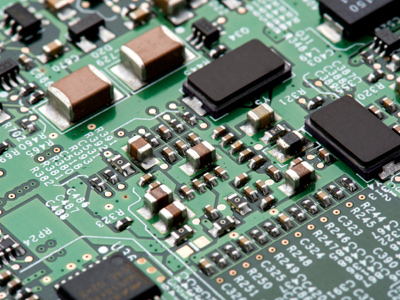
This picture shows the CPU or Central Processing Unit of a computer.
Processes 01
Every digital task follows a process, from logging in to editing photos. Learn how ICT processes turn inputs into outputs, and why steps and order matter.
1 .
Computer systems process Input changing it into .......
rubbish
outgoings
outpourings
output
Remember ... input-processing-output is what computers are all about
2 .
Processing takes place in a computer's .......
CPU
IOU
PUM
DTU
The speed at which the computer works depends partially on the speed at which the CPU can process information
3 .
The term CPU stands for .......
Central Processing Unit
Central Programming Unit
Computer Processing Unit
Core Presentation Unit
It is sometimes referred to as the chip
4 .
....... is another name for computer programs.
Hardware
Headwear
Softwear
Software
Computer programs are software
5 .
Computer programs are .......
courses teaching you about computers
instructions telling the computer user what to do
instructions telling the computer what to do
programmes on TV about computers
They need to be written in a form that the computer operating system can understand
6 .
Applications software performs jobs .......
in the operating system
which control the hardware
which control the users
which help a user
Examples: office, graphics and accountancy software
7 .
Computer programs are usually made of .......
procedures
processes
processors
procurers
Large programs may contain thousands of procedures
8 .
Procedures are building blocks for programs which .......
can be written at different times
can be written by different people at the same time
must all be written at the same time
must all be written by the same person
Some really complicated software is written by many people over a period of months or even years
9 .
Procedures are building blocks for programs which .......
should be tested separately
have to be tested all together
are really basic so do not need testing
None of the above
Test separately, in groups and then in the final program
10 .
After a period of time a program may need .......
re-evaluating
refuelling
regurgitating
relining
Does it still meet its objectives? Can it be made to work better? Could it have some more useful features added?
Our Social Circles




**Unlimited Quizzes Await You! 🚀**
Hey there, quiz champ! 🌟 You've already tackled today's free questions.
Ready for more?
Ready for more?
🔓 Unlock UNLIMITED Quizzes and challenge yourself every day. But that's
not all...
not all...
🔥 As a Subscriber you can join our thrilling "Daily Streak" against other
quizzers. Try to win a coveted spot on our Hall of Fame Page.
quizzers. Try to win a coveted spot on our Hall of Fame Page.
Don't miss out! Join us now and keep the fun rolling. 🎉
**Unlimited Quizzes Await You! 🚀**
Hey there, quiz champ! 🌟 You've already tackled today's free questions. Ready for more?
🔓 Unlock UNLIMITED Quizzes and challenge yourself every day. But that's not all...
🔥 As a Subscriber you can join our thrilling "Daily Streak" against other quizzers. Try to win a coveted spot on our Hall of Fame Page.
Don't miss out! Join us now and keep the fun rolling. 🎉
© Copyright 2016-2026 - Education Quizzes
Work Innovate Ltd - Design | Development |
Marketing
